Psychological Abnormality: Where Do We Draw the Line?
Scientifically Reviewed · Dr. Marwa Abd-Alazim · September 29, 2026
Review Criteria & Clinical Standards
This content undergoes rigorous scientific peer-review and medical editorial standards at Arab Psychology Network to ensure clinical accuracy, validity, and compliance with evidence-based guidelines from leading psychological and healthcare authorities (APA / WHO).
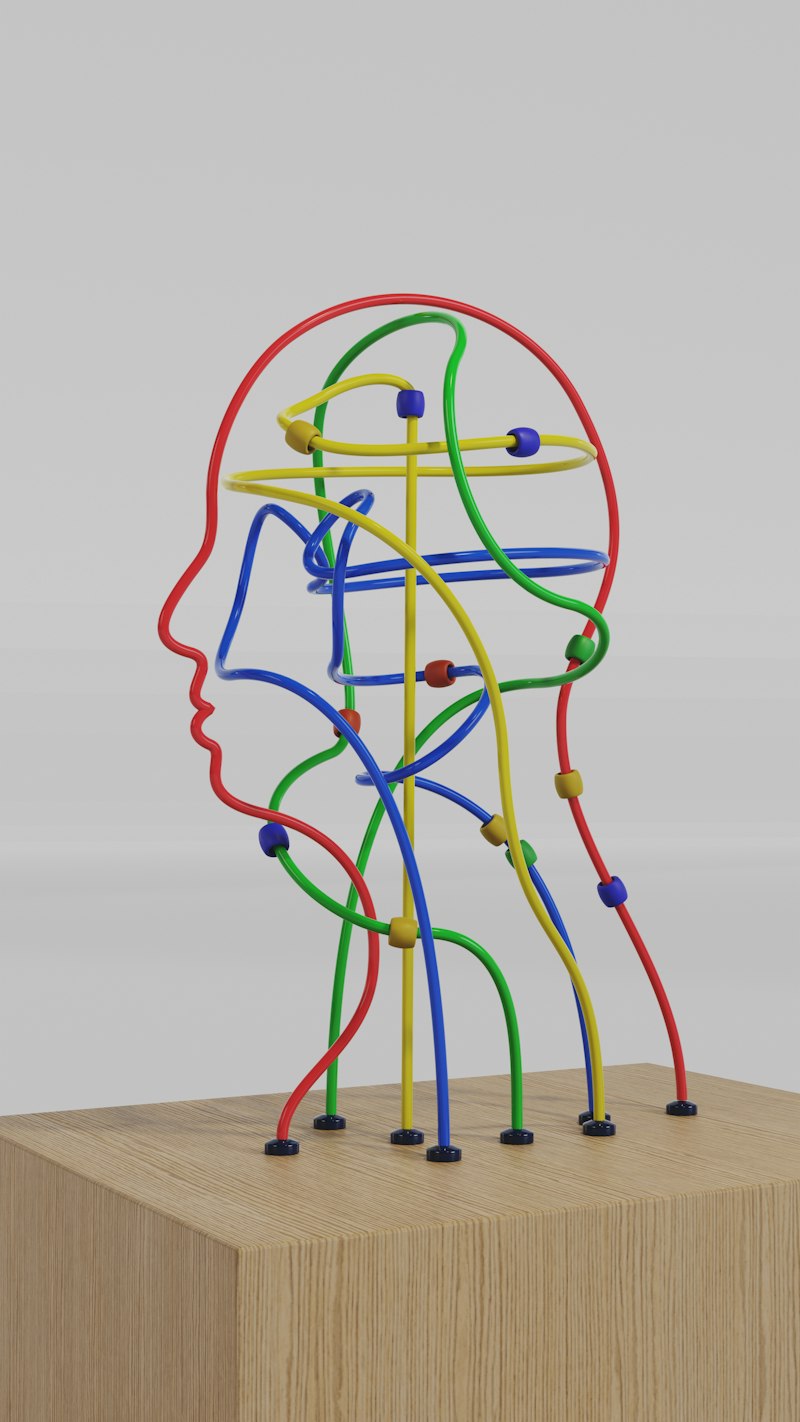
Defining Abnormality in a Psychological Context
The concept of abnormality within the field of psychology is remarkably complex and lacks a singular, universally accepted definition. At its core, abnormality refers to patterns of thought, emotion, and behavior that are deemed atypical, maladaptive, or dysfunctional relative to established societal and clinical norms. Determining what constitutes abnormal behavior requires a nuanced understanding of the individual’s context, as behaviors that are considered pathological in one setting may be viewed as adaptive or culturally appropriate in another. Psychologists often utilize a multi-faceted approach to distinguish between normal variations in human experience and those that signal the presence of a psychological disorder.
One of the primary lenses through which abnormality is viewed is statistical infrequency. Under this criterion, any behavior that occurs rarely within the general population is classified as abnormal. While this provides an objective, quantitative measure—such as using the normal distribution curve to identify those scoring at the extremes of a personality trait or cognitive ability—it is often criticized for its inability to distinguish between “desirable” and “undesirable” deviations. For instance, a high intelligence quotient is statistically infrequent but is not considered a pathological abnormality. Therefore, statistical measures must be paired with qualitative assessments of the individual’s well-being and social functioning to be clinically relevant.
Another critical component in defining abnormality is the violation of social norms. Every society operates under a set of implicit and explicit rules that govern acceptable behavior; when an individual consistently acts in a manner that defies these expectations, they are often labeled as abnormal. However, this definition is inherently subjective and prone to shift over time. Cultural relativism plays a significant role here, as what is considered a “norm” in a collectivist society may differ drastically from an individualistic one. Furthermore, using social norms as a benchmark can lead to the marginalization of non-conformists or those who challenge the status quo, making it a controversial criterion in the history of psychiatry.
Finally, the concept of maladaptiveness is central to modern clinical definitions. This perspective focuses on the extent to which a behavior interferes with an individual’s ability to meet the demands of daily life, maintain relationships, or achieve personal goals. If a person’s psychological state prevents them from holding a job, maintaining hygiene, or experiencing positive emotions, it is categorized as dysfunctional. This functional approach is highly valued in clinical settings because it prioritizes the individual’s quality of life and provides a clear impetus for therapeutic intervention. By integrating statistical, social, and functional criteria, clinicians strive to form a comprehensive picture of abnormality that respects human diversity while identifying genuine suffering.
Historical Evolution of Abnormal Psychology
The history of how societies have perceived and treated abnormal behavior is a reflection of the prevailing scientific, religious, and philosophical beliefs of each era. In ancient times, abnormality was frequently attributed to supernatural forces, such as demonic possession, the displeasure of gods, or the influence of celestial bodies. Treatments during this period were often invasive and spiritual in nature, including trephination—the practice of chipping a hole into the skull to allow “evil spirits” to escape—and various forms of exorcism. These early views established a long-standing tradition of viewing the “abnormal” individual as someone influenced by external, intangible forces rather than internal biological or psychological processes.
A significant shift occurred during the classical period, particularly with the contributions of Hippocrates, who is often called the father of modern medicine. Hippocrates rejected supernatural explanations, proposing instead that psychological disturbances were the result of internal physical imbalances. He developed the theory of humorism, suggesting that an excess or deficiency of four bodily fluids—yellow bile, black bile, blood, and phlegm—determined a person’s temperament and mental health. While his specific biological theories were eventually proven incorrect, his insistence that mental illness had natural causes laid the groundwork for the somatic perspective, which views psychological disorders as medical conditions requiring physical treatment.
During the Middle Ages, the pendulum swung back toward demonology in many parts of Europe, largely due to the rising influence of the Church. People exhibiting abnormal behaviors were often subjected to harsh “treatments” or accused of witchcraft. However, the Renaissance and the subsequent Enlightenment brought a renewed interest in humanism and scientific inquiry. The “moral treatment” movement, led by figures like Philippe Pinel and William Tuke, advocated for the humane care of those in asylums. They argued that patients should be treated with kindness and respect rather than being shackled in dark cells. This era marked the beginning of psychogenic theories, which suggested that the mind and environment, rather than just the body or spirits, played a role in the development of abnormality.
By the 19th and 20th centuries, the field saw the rise of two dominant schools of thought: the somatogenic and psychogenic perspectives. The somatogenic view was bolstered by the discovery that syphilis could cause general paresis, a severe mental decline, proving a direct link between physical infection and mental symptoms. Conversely, the psychogenic view gained traction through the work of Sigmund Freud and the development of psychoanalysis, which explored how unconscious conflicts and childhood experiences shaped abnormal behavior. These competing but eventually complementary views led to the integrated, multi-disciplinary approach used in contemporary clinical psychology and psychiatry today.
The Four Ds Framework of Clinical Abnormality
To provide a structured method for identifying abnormality, many clinicians utilize the “Four Ds” framework: Deviance, Distress, Dysfunction, and Danger. This model serves as a practical diagnostic tool, ensuring that no single factor is used in isolation to label an individual. Deviance refers to the degree to which a person’s behaviors or emotions differ from the societal average. While deviance is necessary for a diagnosis, it is rarely sufficient on its own. For example, an artist may live an eccentric lifestyle that deviates from the norm without being mentally ill; therefore, deviance must be evaluated alongside the other three components to determine clinical significance.
Distress is the second pillar of this framework and focuses on the subjective experience of the individual. For a condition to be considered abnormal, it typically must cause the person significant emotional pain or physical discomfort. This might manifest as overwhelming anxiety, profound sadness, or a loss of interest in previously enjoyed activities. However, it is important to note that some individuals with severe psychological disorders, such as certain types of personality disorders or manic episodes, may not report feeling distressed. In these cases, the clinician must look more closely at the other dimensions of the framework to reach an accurate conclusion.
Dysfunction, the third “D,” assesses how much the behavior interferes with daily functioning. This is often the most critical factor in determining whether a person requires professional help. Dysfunction can be observed in various domains, including occupational performance, social interactions, and self-care. When a person’s psychological state prevents them from fulfilling their roles as a parent, employee, or student, the behavior is deemed maladaptive. This criterion helps distinguish between a temporary emotional setback and a persistent psychological disorder that requires intervention to restore the individual’s ability to navigate their environment effectively.
The final criterion is Danger, which evaluates whether the individual’s behavior poses a risk to themselves or others. While most people with psychological disorders are not violent, behaviors that involve self-harm, suicidal ideation, or aggression toward others are immediate indicators of abnormality that require urgent clinical attention. Danger is often the threshold for involuntary commitment or emergency psychiatric care. By synthesizing Deviance, Distress, Dysfunction, and Danger, psychologists can arrive at a more balanced and ethical determination of what constitutes abnormal behavior, moving beyond simple labels toward a holistic understanding of the person’s needs.
Biological and Genetic Underpinnings
The biological model of abnormality posits that psychological disorders are primarily the result of physiological malfunctions. This perspective emphasizes the role of the brain’s anatomy, chemistry, and genetics in the development of abnormal behavior. Researchers have identified that imbalances in neurotransmitters—the chemical messengers of the brain—play a pivotal role in various conditions. For instance, low levels of serotonin are frequently linked to depression, while an excess of dopamine activity is associated with schizophrenia. Understanding these chemical pathways has led to the development of psychopharmacological treatments that aim to restore balance and alleviate symptoms.
In addition to neurochemistry, the physical structure of the brain is a significant area of study. Advanced neuroimaging techniques, such as MRI and PET scans, have revealed that individuals with certain psychological disorders often exhibit structural abnormalities. For example, some patients with chronic schizophrenia show enlarged ventricles or reduced gray matter in the prefrontal cortex, which is responsible for executive functions and decision-making. These findings suggest that abnormality is not merely a “state of mind” but is often rooted in the tangible, physical architecture of the central nervous system, which can be influenced by prenatal development, injury, or disease.
Genetics and heredity also provide crucial insights into why some individuals are more susceptible to abnormality than others. Family, twin, and adoption studies have consistently shown that many psychological disorders have a significant heritable component. If one identical twin develops bipolar disorder, the other twin has a much higher probability of developing the condition compared to the general population. However, modern psychology also recognizes epigenetics—the study of how environmental factors can trigger or silence certain gene expressions. This suggests that while an individual may have a genetic predisposition for a disorder, the actual manifestation of abnormal behavior often depends on the interaction between their DNA and their life experiences.
The medical model’s influence on the definition of abnormality has been profound, leading to a more compassionate view of mental illness as a “brain disease” rather than a moral failing. This has helped reduce some forms of stigma, as it frames the condition as something requiring medical or therapeutic intervention. However, critics of a purely biological approach argue that it can be overly reductionist, ignoring the complex psychological and social factors that contribute to human suffering. Consequently, most contemporary experts advocate for a biopsychosocial approach that acknowledges biological foundations while remaining sensitive to the individual’s unique life context and psychological development.
Psychodynamic and Cognitive-Behavioral Paradigms
The psychodynamic perspective, rooted in the work of Sigmund Freud, views abnormality as the result of internal, often unconscious, psychological conflicts. According to this model, early childhood experiences and the dynamics between the id, ego, and superego shape an individual’s personality and mental health. When these internal forces are in conflict—such as when a person’s primal desires clash with their moral conscience—anxiety arises. If the ego’s defense mechanisms are unable to manage this anxiety, abnormal behaviors or symptoms may manifest as a way to express or repress these underlying tensions. Treatment in this paradigm focuses on insight, helping the individual uncover and process these hidden conflicts.
In contrast, the behavioral model focuses entirely on observable actions and the environment. This perspective suggests that abnormal behaviors are learned in the same way as normal behaviors: through conditioning. Classical conditioning may explain how a neutral stimulus becomes associated with fear, leading to a phobia, while operant conditioning explains how behaviors are maintained through rewards or punishments. For example, an individual might avoid social situations (abnormal behavior) because the immediate reduction in anxiety acts as a negative reinforcer. From this viewpoint, abnormality is not a symptom of an internal disease but is itself the problem, which can be unlearned through targeted behavioral therapies.
The cognitive model expands on behavioral theories by emphasizing the role of internal thought processes. It posits that abnormality stems from “faulty” or irrational thinking patterns, such as overgeneralization, catastrophizing, or absolute thinking. For instance, a person with depression might have a cognitive triad of negative views about themselves, the world, and the future. These distorted cognitions lead to maladaptive emotions and behaviors. Cognitive-behavioral therapy (CBT), which combines these two paradigms, is currently one of the most effective and widely used treatments for a range of disorders, focusing on identifying and challenging irrational beliefs while modifying dysfunctional behaviors.
While the psychodynamic and cognitive-behavioral models offer different explanations for abnormality, they both emphasize the importance of the individual’s mental life. The psychodynamic view provides a deep, historical context for a person’s struggles, while the cognitive-behavioral view offers practical, present-focused tools for change. Together, these paradigms shift the focus from the “what” of biological symptoms to the “why” and “how” of psychological processes. By understanding the interplay between a person’s history, their thoughts, and their environment, clinicians can develop more personalized and effective treatment plans that address the root causes of abnormal behavior.
The Role of Cultural Relativism in Diagnosis
The definition of abnormality is inextricably linked to the cultural context in which it occurs. Cultural relativism is the principle that an individual’s beliefs and activities should be understood by others in terms of that individual’s own culture. In psychology, this means recognizing that what is considered “normal” in a Western, industrialized nation may be viewed as “abnormal” elsewhere, and vice versa. For example, in many non-Western cultures, hearing the voices of deceased ancestors is considered a sacred or normal spiritual experience, whereas in Western clinical settings, it might be diagnosed as a symptom of a psychotic disorder. Without cultural sensitivity, clinicians risk misdiagnosing healthy cultural expressions as pathological.
Cultural factors also influence the symptomatology of psychological disorders. People from different backgrounds may experience and describe their distress in vastly different ways. In some cultures, psychological pain is frequently somatized, meaning it is expressed through physical symptoms like headaches, fatigue, or stomach pain, rather than through emotional terms like “sadness” or “hopelessness.” This can lead to a diagnostic gap if the clinician is only looking for emotional markers of a disorder. Furthermore, some conditions are “culture-bound syndromes,” which are patterns of abnormal behavior unique to specific societies, such as Hikikomori in Japan or Amok in certain Southeast Asian cultures.
To address these challenges, modern diagnostic manuals like the DSM-5-TR have incorporated cultural assessment tools to help clinicians distinguish between cultural norms and actual pathology. These tools encourage providers to ask about the patient’s cultural identity, their cultural explanation for their illness, and how their background might affect their relationship with the healthcare system. This approach aims to reduce the “etic” bias—applying universal standards across all cultures—and promote an “emic” perspective that values the local and specific meanings of behavior. By doing so, the field moves toward a more equitable and accurate understanding of human diversity.
Ultimately, the goal of integrating cultural relativism into the study of abnormality is to ensure that diagnosis and treatment are respectful and effective. When a clinician ignores a patient’s cultural background, they may inadvertently perpetuate stigma or provide interventions that are culturally inappropriate. Conversely, a culturally informed approach fosters trust and improves the therapeutic alliance. As the world becomes increasingly globalized, the ability to navigate the intersection of culture and psychology is becoming a mandatory skill for any practitioner seeking to define and treat abnormal behavior in a meaningful way.
Categorical versus Dimensional Classification
The classification of abnormality has traditionally relied on a categorical approach, much like a medical diagnosis. In this system, an individual either “has” a disorder or they do not, based on whether they meet a specific set of criteria. The Diagnostic and Statistical Manual of Mental Disorders (DSM) is the primary example of this model. This approach is beneficial for clinical communication, as it provides a common language for professionals, and it simplifies the process of insurance reimbursement and research. However, the categorical model has been criticized for its rigidity and its failure to account for the “gray areas” of human behavior, where symptoms may be present but not severe enough to meet a full diagnosis.
A major drawback of the categorical system is the high rate of comorbidity, where individuals meet the criteria for multiple disorders simultaneously. This suggests that the boundaries between different categories of abnormality may be more fluid than the manuals imply. For instance, anxiety and depression often co-occur, leading some researchers to argue that they may be different manifestations of a single underlying “internalizing” factor. Furthermore, the categorical approach can lead to a “threshold effect,” where a person who meets four out of five required symptoms receives no diagnosis and perhaps no treatment, despite experiencing significant distress and dysfunction.
In response to these limitations, many experts are advocating for a dimensional approach to abnormality. This model views psychological health as a continuum, ranging from optimal functioning to severe impairment. Instead of asking “Does this person have a disorder?”, a dimensional assessment asks “To what degree is this person experiencing these specific symptoms?” This allows for a more nuanced profile of an individual’s mental health, capturing sub-threshold symptoms and recognizing that abnormality is often a matter of degree rather than a binary state. This shift is reflected in the way the DSM-5 now categorizes conditions like Autism Spectrum Disorder, which replaces several distinct categories with a single dimension of severity.
The debate between categorical and dimensional models is central to the future of psychiatric taxonomy. While the categorical model remains the standard for practical and administrative purposes, the dimensional model is gaining ground in scientific research, particularly in the Research Domain Criteria (RDoC) project. The RDoC aims to classify disorders based on underlying biological and psychological dimensions rather than observable symptom clusters. By integrating these two perspectives, the field of psychology hopes to create a diagnostic system that is both practically useful for clinicians and scientifically accurate in its representation of the complexities of abnormal behavior.
The Impact of Labeling and Social Stigma
Defining a person’s behavior as abnormal is not a neutral act; it carries significant social and psychological consequences. One of the primary concerns is the stigma associated with mental health labels. Stigma can be divided into two types: public stigma, which involves the discriminatory attitudes of society, and self-stigma, which occurs when the individual internalizes these negative beliefs. The label of being “abnormal” or having a “mental disorder” can lead to social exclusion, reduced employment opportunities, and strained personal relationships. This social pressure often prevents individuals from seeking the help they need, as they fear the repercussions of being labeled.
The process of labeling can also lead to a self-fulfilling prophecy. Once a person is diagnosed with a disorder, they may begin to view themselves through the lens of that diagnosis, attributing all their actions and emotions to their “abnormality.” This can undermine their sense of agency and hinder the recovery process. Furthermore, others may begin to treat the individual differently, interpreting even their normal behaviors as signs of their pathology. This phenomenon was famously illustrated in the Rosenhan experiment, where “sane” individuals were admitted to psychiatric hospitals after faking a single symptom, and their subsequent normal behavior was consistently misinterpreted by staff as evidence of their supposed illness.
Despite these risks, labeling serves several essential functions in the clinical world. A formal diagnosis can provide a sense of relief for individuals who have been struggling with unexplained symptoms, offering them a framework for understanding their experience. It also provides access to specialized resources, such as evidence-based treatments, support groups, and educational accommodations. For many, the label is the first step toward recovery, as it validates their suffering and points toward a path of healing. The challenge for the psychological community is to utilize these labels for their clinical benefits while actively working to dismantle the stigma that often accompanies them.
Reducing the negative impact of labeling requires a multi-pronged approach involving education, advocacy, and a shift in clinical language. “Person-first language”—such as saying “a person with schizophrenia” rather than “a schizophrenic”—is a simple but powerful tool for emphasizing the individual’s humanity over their diagnosis. Public awareness campaigns that normalize the experience of mental health struggles can also help reduce the fear and misunderstanding that fuel stigma. By reframing abnormality as a common and treatable part of the human experience, society can create a more supportive environment where individuals feel safe to seek help without fear of judgment or marginalization.
Contemporary Approaches to Intervention
The modern treatment of abnormal behavior is characterized by an integrative, evidence-based approach that combines various therapeutic modalities. Evidence-based practice (EBP) involves using the best available research, combined with clinical expertise and the patient’s values, to guide treatment decisions. This has led to the widespread adoption of therapies like Cognitive Behavioral Therapy (CBT), Dialectical Behavior Therapy (DBT), and Acceptance and Commitment Therapy (ACT). These interventions are designed to address the specific cognitive, emotional, and behavioral patterns that characterize abnormality, providing patients with practical skills to manage their symptoms and improve their quality of life.
In addition to psychotherapy, pharmacotherapy remains a cornerstone of treatment for many psychological disorders. Medications such as antidepressants, antipsychotics, and mood stabilizers are used to address the biological imbalances associated with abnormality. However, contemporary practice increasingly emphasizes that medication is often most effective when used in conjunction with therapy. This “combination approach” addresses both the biological roots and the psychological manifestations of the disorder. Furthermore, there is a growing interest in neuromodulation techniques, such as Transcranial Magnetic Stimulation (TMS), for individuals who do not respond to traditional medication or therapy.
Another significant trend in modern intervention is the move toward holistic and recovery-oriented care. This perspective goes beyond symptom reduction and focuses on the individual’s overall well-being, including their social connections, physical health, and sense of purpose. Recovery is viewed not as a return to a “pre-illness” state, but as a process of learning to live a meaningful life despite the presence of symptoms. This approach often involves peer support, vocational training, and lifestyle changes such as exercise and mindfulness. By treating the whole person rather than just the diagnosis, clinicians can support more sustainable and profound improvements in the lives of those labeled as abnormal.
Finally, the rise of telehealth and digital mental health tools has revolutionized the accessibility of treatment for abnormal behavior. Mobile apps for mood tracking, online therapy platforms, and virtual reality exposure therapy have made it possible for individuals to receive care in their own homes, overcoming barriers such as transportation, cost, and stigma. While these technologies are not a replacement for traditional clinical care, they serve as valuable adjuncts that can reach underserved populations. As the field continues to evolve, the integration of technology, biological research, and psychological insight promises to make the treatment of abnormality more personalized, effective, and accessible than ever before.
Ethical Considerations in Defining the Abnormal
The power to define what is abnormal carries significant ethical responsibilities, as these definitions can profoundly affect an individual’s rights and autonomy. One of the most pressing ethical issues is the potential for involuntary commitment. When an individual is deemed a danger to themselves or others due to abnormal behavior, the state has the authority to hospitalize them against their will. While this is often necessary for safety, it involves a delicate balance between protecting the public and respecting the individual’s civil liberties. Clinicians must exercise extreme caution and follow strict legal guidelines to ensure that this power is not misused or applied based on biased judgments.
Another ethical concern involves the pathologization of diversity. Throughout history, behaviors that were simply different or socially unpopular have been classified as “abnormal” to exert social control. A prominent example is the classification of homosexuality as a mental disorder in early editions of the DSM, a designation that was only removed in 1973 following intense advocacy and a shift in scientific understanding. This serves as a cautionary tale for modern psychology, highlighting the need for clinicians to remain self-aware and critical of how societal prejudices might influence their diagnostic criteria. The goal should always be to alleviate suffering, not to enforce social conformity.
The influence of the pharmaceutical industry on the definition of abnormality is also a subject of ethical debate. Critics argue that the expansion of diagnostic categories in manuals like the DSM can lead to “diagnostic inflation,” where normal human experiences—such as grief or temper tantrums—are relabeled as disorders to create a market for medications. This “medicalization” of everyday life can lead to over-prescription and a neglect of the psychological and social interventions that might be more appropriate. Ensuring that diagnostic criteria are based on rigorous, independent science rather than commercial interests is essential for maintaining the integrity and ethics of the field.
Finally, the issue of informed consent is paramount in the treatment of abnormal behavior. Individuals must be fully informed about the potential risks and benefits of any diagnosis or treatment plan. This can be particularly challenging when an individual’s psychological state impairs their ability to make decisions. In these cases, clinicians must work closely with families and legal advocates to act in the patient’s best interest while still honoring their dignity. By maintaining a strong ethical framework, the psychological community can ensure that the study and treatment of abnormality serve as a tool for empowerment and healing rather than one of marginalization and control.
- Statistical Infrequency: Using quantitative data to identify rare behaviors.
- Social Norms: Evaluating behavior against cultural and societal expectations.
- Maladaptiveness: Assessing how behavior impacts daily functioning.
- Biopsychosocial Model: Integrating biological, psychological, and social factors in diagnosis.
- Stigma: The social and personal consequences of being labeled abnormal.
- Assess for Deviance from the norm.
- Evaluate the level of Distress experienced by the individual.
- Determine the degree of Dysfunction in daily activities.
- Check for Danger to the self or others.