Psychological Abuse: Healing from Hidden Emotional Wounds
Scientifically Reviewed · Dr. Marwa Abd-Alazim · October 14, 2026
Review Criteria & Clinical Standards
This content undergoes rigorous scientific peer-review and medical editorial standards at Arab Psychology Network to ensure clinical accuracy, validity, and compliance with evidence-based guidelines from leading psychological and healthcare authorities (APA / WHO).
The Core Definition of Abuse
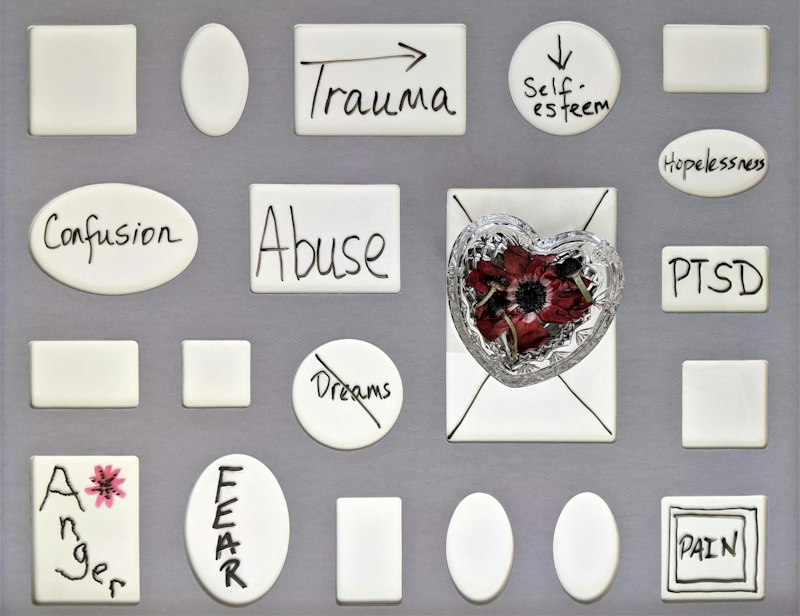
Abuse is fundamentally defined as any pattern of mistreatment, violence, or neglect that results in significant physical, psychological, or emotional harm or distress to an individual, often perpetrated by someone in a position of power, control, or trust over the victim. It represents a profound violation of an individual’s basic human rights, autonomy, and personal safety, necessitating a comprehensive response from psychological, legal, and social systems. The definition encompasses both overt acts of aggression and chronic, insidious patterns of manipulation or deprivation that damage the victim’s sense of self-worth and well-being over time.
The key idea underlying the concept of Abuse within psychology is the systematic imbalance of power utilized by the perpetrator. This mechanism involves the abuser deploying control, intimidation, coercion, or exploitation to maintain dominance over the victim, thereby eroding the victim’s capacity for independent thought, resistance, and self-efficacy. This sustained campaign of maltreatment ensures the victim remains isolated and compliant, resulting in deep-seated psychological damage that often extends far beyond the immediate context of the abusive relationship. Understanding this dynamic of control versus vulnerability is essential for distinguishing abuse from generalized conflict or stress.
Historical and Conceptual Context
Historically, the formal recognition and study of systematic abuse, particularly within domestic or institutional settings, has been a relatively recent development in the fields of psychology, sociology, and medicine. While harmful behaviors have always existed, their formal clinical and legal classification began to solidify in the mid-20th century. Prior to this period, many forms of abuse, particularly emotional or familial violence, were often dismissed as private matters or attributed to the victim’s inherent pathology rather than the perpetrator’s actions.
Key early work focused heavily on child maltreatment, which was instrumental in shifting public and professional paradigms. The pioneering efforts of researchers like C. Henry Kempe in the 1960s were transformative; his identification and naming of “The Battered Child Syndrome” forced medical and legal communities to acknowledge serious physical injuries in children not merely as accidental events but as a predictable pattern of violence. This foundational research served as a catalyst, compelling professionals to recognize that abuse is a public health and psychological crisis requiring mandated reporting, intervention, and sustained scientific study across all age demographics.
The evolution of the concept moved from focusing solely on visible, acute physical harm to acknowledging the complex spectrum of invisible injuries, including those inflicted through sexual, psychological, and financial exploitation. This expansion was crucial for developing comprehensive diagnostic criteria, ensuring that victims of non-physical forms of Abuse could also receive appropriate clinical and legal support, aligning psychological understanding with necessary social interventions.
The Multifaceted Typology of Abuse
Psychological research recognizes that abuse is not monolithic; rather, it manifests across a continuum of behaviors that inflict damage in distinct yet often overlapping ways. The common thread unifying these various forms is the non-consensual infliction of harm, whether through direct action, chronic neglect, or manipulative control. Understanding this comprehensive typology is essential for accurate diagnosis and effective intervention, as the specific nature of the trauma dictates the necessary therapeutic approach and risk assessment strategies.
The initial source material correctly identifies four primary categories: physical, sexual, psychological, and emotional Abuse. However, modern clinical practice often recognizes additional types, such as financial or neglectful abuse, particularly in the context of elderly or vulnerable adult care. Effective treatment planning relies on a nuanced understanding of which specific types of maltreatment the individual endured, as the psychological impact of sexual violence differs significantly from the impact of chronic emotional belittlement, even though both cause profound trauma.
Physical and Sexual Violence
Physical abuse is explicitly defined as any non-consensual act resulting in physical injury, pain, impairment, or distress. This encompasses a broad range of aggressive behaviors, including direct assault suching as hitting, kicking, or punching, as well as more insidious and dangerous actions like shaking, burning, or inappropriate use of physical restraints. The definition relies heavily on the lack of consent and the resulting tangible harm, differentiating it clearly from accidental injury. While the immediate consequences are evident physical injuries that may require urgent medical intervention, the long-term psychological fallout—including chronic fear, hypervigilance, and somatic complaints—is frequently profound and debilitating.
Sexual Abuse involves any non-consensual act of a sexual nature, spanning a wide spectrum of behaviors from inappropriate touching and exposure to severe forms such as rape, sexual assault, or exploitation. Crucially, the concept of consent, especially concerning minors or vulnerable adults who cannot legally or mentally provide it, is central to this definition. Sexual abuse is fundamentally understood as an act of power and violation, utilizing sexuality as a weapon to assert dominance, control, and humiliation over the victim’s body and psychological integrity, often leading to complex trauma and difficulties with intimacy and body image.
Psychological and Emotional Maltreatment
While physical violence leaves visible scars, psychological abuse inflicts damage primarily on the victim’s cognitive and emotional landscape, often undermining their perception of reality, sanity, and self-worth. This form of mistreatment includes sustained verbal assaults, constant criticism, gaslighting—a tactic where the abuser makes the victim question their own memory or sanity—manipulation, and intimidation tactics designed to isolate the victim and instill chronic fear or confusion. The perpetrator’s objective is to systematically dismantle the victim’s mental stability, making them increasingly reliant on the abuser for validation or interpretation of events, thereby strengthening the bonds of coercive control.
Emotional abuse is closely related to psychological abuse but often focuses specifically on behaviors that systematically erode an individual’s self-esteem and sense of personal value, rather than outright terror. Examples include belittling achievements, shaming vulnerabilities, isolating the victim from healthy support systems, and maintaining extreme controlling behaviors over finances, movements, or relational choices. The cumulative effect of emotional abuse is often deep-seated feelings of worthlessness, self-doubt, and profound difficulties in forming healthy, trusting attachments later in life, sometimes manifesting as codependency or chronic depression.
Short-Term and Enduring Effects
The consequences of experiencing Psychological Trauma resulting from abuse are severe and pervasive, impacting nearly every facet of an individual’s life, from immediate physical health to long-term mental well-being and relational capacity. In the short term, victims often exhibit acute emotional distress, including shock, denial, heightened anxiety, and physical manifestations of stress like tension headaches or insomnia. If the abuse was physical, immediate injuries require medical attention, and the initial psychological response often involves dissociative episodes or emotional numbing as a defense mechanism against overwhelming pain and fear.
The long-term effects of chronic or severe abuse are devastating and frequently lead to complex mental health conditions. Abuse is recognized as a significant risk factor for developing clinical depression, generalized anxiety disorders, and crucially, Post-Traumatic Stress Disorder (PTSD), especially when the abuse occurred during critical developmental periods, leading to complex PTSD (C-PTSD). Furthermore, the systematic violation of trust inherent in abusive relationships profoundly impacts future interpersonal dynamics, leading to patterns of isolation, chronic mistrust, difficulty setting healthy boundaries, and often, financial instability resulting from lost work productivity or accumulated medical and legal expenses related to managing the trauma.
A Practical Example: The Cycle of Emotional Abuse
To illustrate the insidious nature of non-physical abuse, consider the real-world scenario of Jane, a talented young professional whose partner, Mark, systematically controls her. Mark never physically harms Jane, but he uses manipulation and financial control to maintain dominance. When Jane receives a promotion at work, Mark subtly minimizes her achievement, suggesting she only succeeded because her boss pities her, thereby immediately undercutting her feelings of pride. He isolates her by expressing intense jealousy whenever she socializes with friends, making her feel guilty for prioritizing anyone but him, until she eventually stops making plans outside of the relationship.
The application of psychological principles in this scenario reveals a clear, step-by-step process of abuse.
-
Erosion of Self-Worth: Mark uses verbal insults and belittling comments (psychological abuse) to attack Jane’s self-esteem, making her question her competence and abilities, which is a tactic aimed at making her emotionally dependent on his approval.
-
Isolation and Control: By inducing guilt and jealousy (emotional abuse), Mark systematically cuts off Jane’s external support network (friends, family), ensuring that his is the only perspective she hears, intensifying his power over her reality.
-
Learned Helplessness: Because Jane’s efforts to assert independence or communicate her needs are met with criticism, withdrawal, or punishment, she begins to believe that resistance is futile. This is a core mechanism leading to Learned Helplessness, causing her to stop fighting back or seeking help.
-
Traumatic Bonding: The intermittent periods of kindness or apology following a severe incident of criticism create a cycle of relief and renewed hope, trapping Jane in the relationship through a psychological phenomenon known as traumatic bonding, making the relationship incredibly difficult to leave.
This example demonstrates that abuse is often a subtle, chronic behavior pattern that requires careful clinical assessment, as the damage is primarily internal and hidden from external view, yet utterly devastating to the victim’s psychological health.
Clinical Applications and Prevention Strategies
The comprehensive understanding of the dynamics of abuse is foundational to modern clinical psychology, particularly in the development and implementation of trauma-informed care models. Recognizing abuse as a primary driver of psychopathology allows clinicians to move beyond mere symptom management (such as treating anxiety or depression) and instead address the core relational and survival adaptations the victim developed in response to the maltreatment. This conceptual shift has driven major advancements in specific therapeutic modalities, including Cognitive Processing Therapy (CPT) and Eye Movement Desensitization and Reprocessing (EMDR), which are designed specifically to process and integrate traumatic memories, thereby reducing chronic distress and hyperarousal associated with Post-Traumatic Stress Disorder (PTSD).
Effective prevention relies on a multi-tiered approach encompassing public education, individual empowerment, and systemic accountability. Firstly, widespread education is paramount for raising awareness about the subtle signs of various types of abuse, identifying high-risk situations, and ensuring that potential victims, as well as bystanders, know the resources available for confidential reporting and intervention. This education must target all age groups, teaching children about bodily autonomy and consent, and teaching adults about healthy relationship dynamics and boundary setting.
Secondly, empowering individuals to establish and firmly maintain clear personal boundaries and communicate their needs is a crucial element of primary prevention, fostering resilience against coercive tactics. This involves promoting self-esteem and critical thinking skills that allow individuals to identify and resist manipulative behaviors. Finally, systemic prevention requires that those in positions of authority—whether in institutions, families, or workplaces—exercise their power responsibly, upholding ethical standards and fostering environments where reporting abuse is safe, supported, and guaranteed to lead to effective consequences for the perpetrator.
Connections to Related Psychological Concepts
The study of abuse intersects deeply with several core subfields of psychology, most prominently Clinical Psychology, Developmental Psychology, and Social Psychology. Within developmental frameworks, particularly those focusing on early life experiences, the experience of childhood abuse is strongly linked to disruptions in Attachment Theory. Maltreatment often results in disorganized attachment styles, characterized by high levels of fear, confusion, and ambivalence regarding caregivers, which subsequently affects all future intimate relationships and relational models of the self.
Abuse also has significant conceptual overlap with theories explaining chronic victimization and behavioral adaptation. Specifically, the concept of Learned Helplessness, where repeated exposure to inescapable negative events leads an individual to stop attempting to escape or change their circumstances, is frequently observed in victims of long-term control or psychological abuse. Furthermore, understanding the profound neurological impact of chronic stress and trauma connects the study of abuse directly to fields like neurobiology and behavioral neuroscience, explaining why abuse victims often exhibit altered stress responses and difficulties with emotional regulation long after the abusive situation has ended.