Acroagnosia: When Your Brain Loses Track of Your Body
Scientifically Reviewed · Dr. Marwa Abd-Alazim · September 20, 2026
Review Criteria & Clinical Standards
This content undergoes rigorous scientific peer-review and medical editorial standards at Arab Psychology Network to ensure clinical accuracy, validity, and compliance with evidence-based guidelines from leading psychological and healthcare authorities (APA / WHO).
Introduction and Definitional Framework
Acroagnosia is recognized within clinical neuropsychology as a specialized, albeit rare, form of visual agnosia characterized by an individual’s profound inability to correctly identify, recognize, or name body parts. This deficit occurs despite the individual retaining normal primary sensory input, such as intact vision and tactile sensation. Fundamentally, the condition represents a breakdown in the higher-order perceptual processing required to match visual stimuli of body parts—whether the patient’s own or those of others—to their established conceptual representations within the brain. It affects the recognition of various anatomical structures, including major limbs, digits, and facial features, creating significant confusion regarding the physical self.
The term Acroagnosia derives from the Greek roots akron (meaning extremity or limb) and agnosia (meaning lack of knowledge or non-knowing), accurately reflecting its core manifestation: the failure to know or recognize limbs. This disorder must be carefully distinguished from other body schema disturbances, such such as somatoparaphrenia (denial of ownership of a limb) or neglect (failure to attend to one side of space). Acroagnosia is specifically a recognition disorder, implying that the patient can see the object (the hand, the knee) but cannot access the stored semantic information necessary to label or categorize it as a body part. Because the disorder is acquired, it serves as a critical indicator of focal neurological damage, often manifesting after an acute insult such as stroke or traumatic brain injury (TBI), affecting up to 2.2% of individuals diagnosed with acquired brain injury, underscoring its relevance in neurorehabilitation settings (Silver et al., 2016).
Conceptualizing Acroagnosia requires understanding the brain’s complex mechanism for maintaining a body schema—an internal map of the body’s position in space and the spatial relationships between its parts. When this map is compromised, the visual input of a body part fails to activate the correct neural representation. Acroagnosia, therefore, highlights the modularity of recognition functions within the cortex; while general object recognition may remain preserved, the highly specialized system dedicated to body part identification is selectively impaired. This specific deficit provides key insights into how the brain constructs and maintains self-awareness and physical identity, bridging perception, cognition, and spatial orientation.
Clinical Manifestations and Symptomatology
The primary clinical manifestation of Acroagnosia is the consistent difficulty in recognition and verbal labeling of body parts when they are presented visually. When asked to identify a specific limb or feature, patients exhibit hesitancy or may provide incorrect responses, often confusing adjacent or functionally related parts (e.g., mistaking the elbow for the wrist). Crucially, this deficit is modality-specific; patients typically retain the ability to recognize the body part through other sensory channels. For instance, they may successfully identify the part if they touch it (tactile recognition) or if they move it (proprioceptive awareness), demonstrating that the impairment lies strictly within the visual-perceptual pathway responsible for body image processing.
Assessment often reveals difficulties extending beyond simple naming. Patients struggle intensely with tasks requiring visual manipulation of the body schema. This includes pointing to body parts on command, especially when visual feedback is involved, or performing tasks that require mental rotation or spatial judgment regarding body parts. For example, they may fail standardized tests requiring them to identify which of several drawings correctly depicts a hand or foot in an unusual orientation. The severity of the impairment can vary significantly, ranging from minor hesitation in naming infrequently used parts to a complete inability to recognize major limbs, even their own, leading to profound disorientation regarding their physical self.
Furthermore, Acroagnosia rarely exists in complete isolation. Due to the proximity and overlapping functions of the affected cortical areas, it is frequently accompanied by other complex neurological deficits. These associated symptoms might include elements of apraxia (difficulty executing purposeful movements), spatial neglect (failure to attend to one side of space), or other forms of visual agnosia. The presence of co-occurring deficits significantly complicates diagnosis and rehabilitation, requiring clinicians to carefully delineate the specific recognition failure (Acroagnosia) from related motor or attentional impairments. The integration of these symptoms underscores the widespread functional disruption caused by the underlying brain pathology.
Etiology and Neural Correlates: The Role of the Parietal Lobe
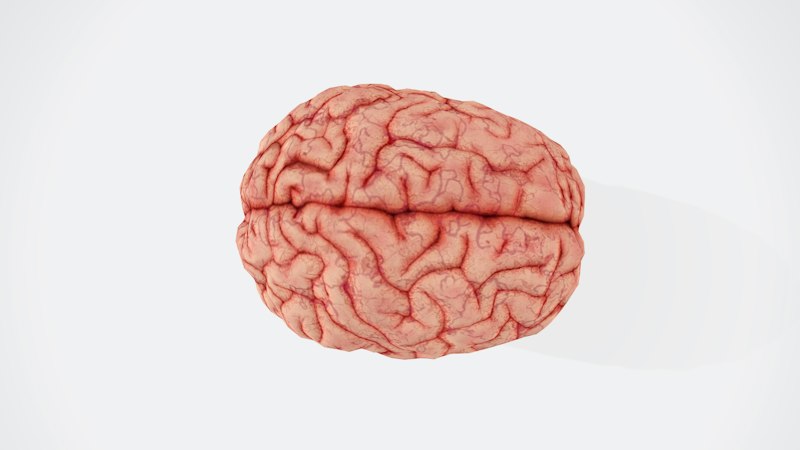
The etiology of Acroagnosia is consistently traced back to structural damage within specific cortical regions, most notably the parietal lobe. This area of the brain is centrally responsible for processing and integrating multimodal sensory information, which is essential for spatial awareness, visuomotor coordination, and the construction of the internal body schema. The parietal lobe acts as the critical hub where visual input of the body is matched against proprioceptive and tactile information to maintain an accurate, constantly updated map of the body in space. Damage to specific association areas within this lobe disrupts the ability to synthesize this information, resulting in the failure of recognition characteristic of Acroagnosia (Silver et al., 2016).
While the exact neural circuitry responsible for body part recognition is complex, the angular gyrus and supramarginal gyrus, both located within the posterior parietal cortex, are heavily implicated. Lesions in these regions disrupt the pathways that link visual input to the stored semantic knowledge of body parts. Research suggests that damage, often resulting from ischemic or hemorrhagic stroke, particularly when affecting the non-dominant hemisphere (typically the right hemisphere), is highly likely to produce these body image deficits. This lateralization effect reflects the right hemisphere’s dominant role in processing global spatial relationships and maintaining the integrity of the body map.
The disruption caused by the parietal lesion prevents the visual system from correctly accessing the stored conceptual identity of the body part. This is fundamentally different from memory loss; the knowledge of what a “hand” is remains intact, but the ability to recognize the visual manifestation of a hand is impaired. The severity and persistence of Acroagnosia depend heavily on the extent and location of the lesion. Acute destructive events like TBI or stroke tend to produce sudden onset of symptoms, whereas neurodegenerative processes, such as those seen in certain forms of dementia, may result in a more gradual and insidious development of recognition difficulties over time.
Associated Neurological and Neurodegenerative Conditions
Acroagnosia is not an isolated disease entity but rather a neurological sign that occurs secondary to various underlying conditions that cause focal or widespread cortical damage. The most frequently associated acute events include stroke and traumatic brain injury (TBI), particularly those injuries that involve contusions or vascular insults to the temporo-parietal region. The resulting tissue damage interrupts the neural network responsible for body scheme processing, leading directly to the recognition deficit. The data indicating that Acroagnosia can affect a small but significant percentage of TBI patients highlights the importance of comprehensive neuropsychological screening during the recovery phase following head trauma.
In addition to acute insults, Acroagnosia is a recognized feature in several progressive neurodegenerative disorders. It is commonly associated with forms of dementia that involve posterior cortical atrophy, including specific subtypes of Alzheimer’s disease and vascular dementia. In these contexts, the gradual erosion of neural tissue in the parietal and occipital lobes leads to a progressive decline in recognition abilities. For example, in Alzheimer’s disease, the accumulation of pathological proteins often begins in or spreads to posterior association areas, causing a slow but steady deterioration of spatial and visual processing abilities, with Acroagnosia sometimes serving as an early indicator of cortical compromise.
Furthermore, conditions involving widespread demyelination and inflammation, such as multiple sclerosis, can also produce Acroagnosia if the plaques or lesions specifically target the white matter pathways connecting visual areas to the body schema processing centers in the parietal lobe. The presence of Acroagnosia, therefore, provides valuable localization information to clinicians. Recognizing its association with these varied conditions—ranging from acute vascular events to chronic degenerative diseases—is crucial, as treatment often centers on managing the underlying systemic disorder while simultaneously addressing the resulting cognitive deficit (Lee & Kim, 2017).
Diagnostic Procedures and Assessment
The diagnosis of Acroagnosia relies on a methodical process involving detailed patient history, comprehensive physical examination, and rigorous neurological testing designed to isolate the specific recognition impairment. The initial step involves establishing the patient’s history of neurological insult (e.g., recent stroke or TBI) and documenting the onset and progression of the recognition difficulty. A critical component of the examination is confirming that primary sensory functions—vision, hearing, and tactile sensation—are intact, thereby ruling out sensory loss as the cause of the inability to identify body parts.
Specialized neuropsychological testing is essential for confirming the diagnosis. These assessments employ specific tasks that require patients to visually recognize, name, or point to body parts under controlled conditions. Typical tests involve presenting patients with visual stimuli—pictures, drawings, or the actual body parts of the examiner or themselves—and asking for identification. For example, the patient might be asked, “What is this?” while the examiner points to the patient’s knee, or they might be asked to select the correct image of a foot from an array of images. The diagnostic criterion is met when the patient demonstrates a consistent inability to perform these visual identification tasks, despite demonstrating adequate language comprehension and the ability to identify non-body objects.
In parallel with behavioral testing, neuroimaging studies, such as Magnetic Resonance Imaging (MRI) or Computed Tomography (CT) scans, play a vital role in diagnosis. These scans are used to precisely localize the anatomical lesion, confirming damage within the predicted cortical regions, most commonly the parietal lobe. The correlation between the behavioral deficit (Acroagnosia) and the location of the brain damage strengthens the clinical diagnosis. Furthermore, ruling out other potential causes, such as severe language deficits (aphasia) or generalized cognitive decline, is essential to ensure that the recognition failure is specific to the body schema rather than a broader impairment (Lee & Kim, 2017).
Impact on Daily Functioning and Quality of Life
Acroagnosia, even as a highly specific cognitive deficit, can have a pervasive and significant impact on a patient’s autonomy and quality of life. The inability to accurately recognize and localize one’s own body parts translates into substantial difficulties with Activities of Daily Living (ADLs). Simple tasks such as dressing themselves become challenging; the patient may struggle to spatially relate their limb to the corresponding opening in a garment, leading to protracted frustration and dependence on caregivers. Similarly, tasks requiring fine motor control and visual feedback, like grooming or eating, may be performed awkwardly due to the compromised internal body map.
Beyond self-care, the disorder severely hampers activities requiring integrated body awareness and spatial orientation. Patients frequently experience difficulties in navigating in unfamiliar environments because spatial mapping is intrinsically linked to the body’s position and movement within space. Participation in activities that necessitate precise monitoring of limb positions, such as driving, sports, or dancing, often becomes impossible. The core failure to recognize the body part means the patient cannot reliably track its visual position, leading to poor coordination and increased risk of injury (Silver et al., 2016).
The continuous struggle with fundamental self-recognition tasks also carries a substantial psychological burden. Patients may experience high levels of distress, anxiety, and frustration stemming from their loss of bodily certainty. This chronic confusion regarding their physical self can lead to withdrawal from social activities and a decline in overall quality of life. Effective management of Acroagnosia must, therefore, address not only the cognitive and functional deficits but also the emotional and psychological consequences of living with a disrupted sense of embodiment.
Therapeutic Interventions and Management Strategies
Treatment for Acroagnosia is primarily focused on a dual approach: addressing the underlying neurological disorder that caused the brain damage and implementing targeted rehabilitation strategies to mitigate or compensate for the recognition deficit. If the cause is acute (e.g., stroke), immediate medical management is paramount. For neurodegenerative causes, pharmacological interventions may be used to slow the progression of cognitive decline, thereby indirectly stabilizing the manifestation of the agnosia.
Rehabilitation relies heavily on multidisciplinary intervention, integrating Physical Therapy, Occupational Therapy (OT), and often Speech Therapy. Occupational therapy is crucial for helping the patient relearn functional body part recognition through compensatory techniques. This often involves employing multisensory cues—using touch, proprioception (awareness of joint position), and verbal labeling simultaneously to bypass the damaged visual recognition pathway. Through repetitive drills, OT aims to improve the patient’s ability to locate and use their limbs in daily activities, such as dressing and cooking. Physical therapy focuses on improving mobility and coordination despite the impaired body schema, utilizing tactile feedback and movement patterns to reinforce body awareness (Lee & Kim, 2017).
Furthermore, Cognitive Rehabilitation is utilized to specifically address the cognitive deficits associated with the disorder. This may involve structured training programs designed to rebuild or improve the consistency of the body schema. Techniques might include visual scanning exercises, verbal association strategies (linking the name directly to the sensory feel of the part), and potentially the use of visual aids or labeling tools to aid identification. The long-term goal of all therapeutic interventions is to enhance functional independence and minimize the impact of the recognition failure on the patient’s daily life, focusing on maximizing the use of intact sensory modalities to compensate for the visual processing deficit.
References
Lee, H., & Kim, J. (2017). Clinical characteristics and treatment of acroagnosia. Journal of Korean Neuropsychiatric Association, 56(2), 108-115.
Silver, J. M., McAllister, T. W., & Arciniegas, D. B. (2016). Neuropsychiatric disorders in patients with acquired brain injury. Psychiatric Clinics of North America, 39(2), 173-195.