Activity Rhythms: Master Your Inner Biological Clock
Scientifically Reviewed · Dr. Marwa Abd-Alazim · August 28, 2026
Review Criteria & Clinical Standards
This content undergoes rigorous scientific peer-review and medical editorial standards at Arab Psychology Network to ensure clinical accuracy, validity, and compliance with evidence-based guidelines from leading psychological and healthcare authorities (APA / WHO).
Definition and Scope of Activity Rhythms
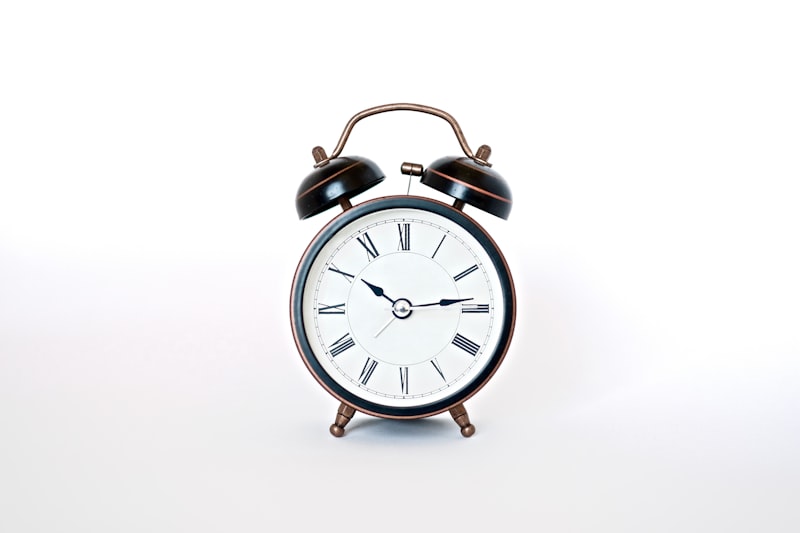
The concept of activity rhythm describes the highly predictable, recurring trend in the behavioral and physiological performance of an organism—most notably animals—that develops over defined temporal cycles, such as daily, lunar (monthly), or annual periods. This rhythm represents an internally generated, yet externally synchronized, pattern of performance that demonstrates a concise alignment with ambient temporal cues. The activity rhythm is not merely a response to external stimuli; rather, it is the observable manifestation of an intrinsic biological timing mechanism, commonly referred to as the biological clock. Understanding these rhythms is fundamental to ethology and chronobiology, as they dictate critical life functions, including when an animal forages, sleeps, reproduces, or migrates, thereby optimizing energy expenditure and survival rates within a specific ecological niche.
Activity rhythms are crucial for adapting to the predictable fluctuations of the environment, particularly the light-dark cycle imposed by the Earth’s rotation. For instance, a species might exhibit a strictly nocturnal activity rhythm, maximizing its performance and minimizing risk during the hours of darkness, while another might be characteristically diurnal. The rhythm establishes an internal schedule that allows for proactive physiological adjustments before an environmental change actually occurs. This predictive capability ensures that metabolic processes, hormone secretion, and cognitive functions are primed for the appropriate phase of activity or rest, reinforcing the organism’s ability to maintain homeostasis and execute complex behaviors efficiently.
Crucially, the activity rhythm distinguishes itself from simple reactive behavior because it persists even when external temporal cues are removed, though its period might drift slightly under these “free-running” conditions. The rhythm acts as a biological template upon which performance is scheduled. For example, in the context of human behavior, an individual working a night shift, like Seth in the common illustration, must undergo a process of rhythmic adjustment where their peak performance (cognitive alertness, physical strength) shifts from the conventional daytime period to the nighttime period. This adjustment demonstrates the plasticity of the activity rhythm while highlighting the underlying biological resistance to rapid changes in the established temporal pattern.
The Biological Basis: Interaction with Circadian Cycles
The operational framework for the activity rhythm is inextricably linked to the circadian system, which literally means “about a day.” In mammals, the master pacemaker coordinating nearly all daily activity rhythms is the suprachiasmatic nucleus (SCN), a small pair of nuclei located in the hypothalamus of the brain. The SCN is composed of thousands of neurons that oscillate intrinsically, driving a 24-hour cycle through complex transcriptional and translational feedback loops involving specific clock genes and their protein products (e.g., PER, TIM, CLOCK, BMAL1). These oscillations provide the fundamental timing signal that governs when activity peaks and troughs will occur across the entire organism.
The SCN communicates its timing signal to other areas of the brain and body primarily through hormonal and neural outputs. One of the most significant outputs influencing the activity-rest cycle is the regulation of melatonin secretion by the pineal gland. Melatonin, often referred to as the “hormone of darkness,” typically rises at night, signaling the onset of the resting phase and contributing to the suppression of waking activity. Conversely, the SCN promotes activity during the appropriate phase (e.g., daytime for diurnal creatures) by inhibiting melatonin release and promoting the release of activating neurotransmitters like cortisol and hypocretin/orexin. The activity rhythm is thus the behavioral output reflecting the integration of these underlying neuroendocrine signals.
Genetic factors play a substantial role in determining an individual’s innate preference for activity timing, a concept known as chronotype. Some individuals are genetically predisposed to an earlier activity rhythm (larks), while others lean toward a later rhythm (owls). These genetic variations influence the intrinsic period length of the SCN clock, which, though close to 24 hours, is rarely exactly 24 hours. The precise alignment of this endogenous rhythm with the exogenous 24-hour solar cycle is achieved through continuous synchronization mechanisms, ensuring that the behavioral pattern remains adaptive and stable across varying environmental conditions.
Classifications of Temporal Rhythms
Activity rhythms are classified based on the duration of their periodicity, reflecting how they align with natural cycles beyond the 24-hour day. These classifications help scientists categorize the diverse biological phenomena regulated by the temporal machinery of the organism. The primary classifications are determined relative to the duration of the circadian cycle, leading to three major categories: ultradian, circadian, and infradian rhythms.
Ultradian rhythms possess a period significantly shorter than 24 hours. These rhythms often govern rapid, oscillating processes and are responsible for structuring activity within the wake or sleep phases. Examples include the cyclical occurrence of REM and non-REM sleep stages (approximately 90-110 minutes in humans), heart rate variability, feeding behaviors, and the pulsed secretion of certain hormones, such as growth hormone. While the SCN sets the overall boundary for the day/night cycle, ultradian rhythms manage the high-frequency cycling of specific behaviors and physiological states that contribute to overall performance structure.
Infradian rhythms, conversely, have a periodicity longer than 24 hours, extending over weeks, months, or even a year. These rhythms are critical for aligning physiological activity with seasonal changes or reproductive cycles. The most studied infradian rhythm in humans is the female menstrual cycle (approximately 28 days). In animals, examples include hibernation cycles, annual reproductive cycles (erutting seasons), and migratory patterns. These longer rhythms often require integration of both daily light exposure (photoperiodism) and other environmental cues, demonstrating how the core timing mechanism scales up to regulate complex, long-term performance trends.
Environmental Synchronization (Zeitgebers)
Although activity rhythms are endogenous, they must be continuously adjusted or “entrained” to match the exact 24-hour cycle of the external world. The environmental cues that serve this synchronizing function are termed Zeitgebers, a German term meaning “time-givers.” Without these strong external signals, the intrinsic rhythm would drift away from astronomical time, leading to internal desynchronization and impaired performance.
The single most powerful Zeitgeber across nearly all species is light. Specialized photoreceptors in the eye, distinct from those used for vision (the intrinsically photosensitive retinal ganglion cells, or ipRGCs), detect light levels and transmit this information directly to the SCN via the retinohypothalamic tract. The timing of light exposure—particularly bright light shortly after biological dawn or shortly before biological dusk—is critical for shifting the phase of the internal clock. Light exposure at the appropriate time can advance or delay the activity rhythm, ensuring alignment with the local solar day, which is essential for maintaining optimal performance levels.
While light dominates the entrainment process, non-photic Zeitgebers also play significant supporting roles, particularly in higher mammals and humans. These include social cues, which involve interactions, fixed appointment times, and exposure to the activity patterns of others; feeding schedules, where consistent meal times can entrain peripheral clocks, especially in the liver and gut; and temperature cycles, which become more dominant entrainers in certain non-mammalian species. The efficacy of these cues varies; for instance, while light can reset the central SCN clock powerfully, scheduled exercise or feeding schedules are often more effective at resetting secondary, peripheral oscillators located in organs throughout the body, further solidifying the coherence of the overall activity rhythm.
Physiological and Behavioral Manifestations
The activity rhythm dictates a cascade of physiological and behavioral changes designed to optimize performance for the expected environmental conditions. Behaviorally, the rhythm is most evident in the alternation between periods of high locomotor activity (wakefulness, foraging, exploration) and periods of reduced activity (sleep, rest, torpor). These macro-level behaviors are finely tuned by the internal clock. For example, peak cognitive performance in humans typically aligns with the middle of the biological day, regardless of whether the individual is diurnal or has been shifted to a nocturnal schedule.
Physiologically, the rhythm governs the daily fluctuation of core body temperature, hormone levels, and metabolic activity. Core body temperature generally reaches its minimum during the biological rest phase and peaks during the active phase, a fluctuation crucial for regulating energy demands. Furthermore, the timing of cellular mitosis, DNA repair mechanisms, and immune system responsiveness also follows predictable daily rhythms, forming a temporally organized internal environment optimized for the prevailing activity schedule.
The synchronization of these internal systems with external behavior is paramount for health. When the internal physiological rhythm is decoupled from the external behavioral rhythm—such as during chronic shift work or severe jet lag—the body is forced to perform tasks (e.g., strenuous physical labor) when its physiological systems (e.g., cardiovascular system, digestion) are scheduled for rest. This misalignment, known as internal desynchronization, significantly compromises efficiency and increases the risk of chronic health conditions.
Measurement and Methodology
Quantifying and analyzing activity rhythms requires specialized methodologies that can objectively capture long-term performance patterns. The primary tool used in both research and clinical settings is actigraphy. Actigraphs are small, wearable devices (often worn on the wrist) that continuously record movement and acceleration. By analyzing the frequency and intensity of movement over days or weeks, researchers can generate detailed actograms, visual representations that clearly depict the onset, offset, and intensity of the organism’s active and rest phases.
In laboratory environments, more invasive or controlled methods are often employed. For animal models, telemetry allows for the remote monitoring of physiological variables, such as core body temperature or heart rate, often in conjunction with wheel-running activity data, which serves as a robust behavioral marker of activity rhythm. For human subjects seeking to isolate the endogenous period of the rhythm, specialized protocols like the Constant Routine (CR) are used. The CR involves placing the subject in an environment free of temporal cues (constant light, temperature, posture, and caloric intake) to measure the true, free-running period of the SCN clock without external interference.
These methods allow for the precise calculation of several key rhythmic parameters, which are essential for research:
- Phase Angle of Entrainment: The timing relationship between the activity rhythm (e.g., sleep onset) and the external Zeitgeber (e.g., midnight).
- Period Length (Tau): The duration of one complete cycle of the rhythm when measured under free-running conditions.
- Amplitude: The magnitude of the difference between the peak activity level and the trough activity level, indicating the strength of the rhythm.
Accurate measurement is critical for diagnosing rhythm disorders and for tailoring interventions designed to adjust the timing of peak performance.
Clinical Significance and Dysregulation
The clinical significance of activity rhythms lies in the wide range of disorders that arise from their misalignment or dysregulation. When the internal clock fails to synchronize correctly with the environment, or when the behavioral schedule conflicts with the biological timing, the resulting conditions are classified as circadian rhythm sleep-wake disorders (CRSWD). These disorders severely impact daily functioning, cognitive performance, and overall health.
Common examples of CRSWD include:
- Delayed Sleep-Wake Phase Disorder (DSWPD): Characterized by a chronically late activity rhythm, resulting in delayed sleep onset and wake times that are difficult to shift earlier.
- Advanced Sleep-Wake Phase Disorder (ASWPD): Characterized by a chronically early activity rhythm, leading to very early sleep onset and wake times.
- Non-24-Hour Sleep-Wake Rhythm Disorder: Typically affects blind individuals whose SCN cannot receive photic input, causing the internal rhythm to continuously drift later each day, resulting in a fluctuating schedule of performance.
Furthermore, the disruption caused by jet lag (acute geographic shift) and shift work disorder (chronic misalignment with social time) represents significant challenges to maintaining healthy activity rhythms, leading to fatigue, reduced productivity, and increased risk of accidents.
The management of these disorders often focuses on strategically shifting the activity rhythm through timed exposure to the primary Zeitgeber, light, combined with behavioral therapy. For example, individuals struggling with DSWPD (like Seth initially, before adjustment) may require morning light exposure and strict adherence to a scheduled activity window to advance their rhythm. Conversely, those with ASWPD may require evening light exposure to delay their biological clock. Successful treatment aims to restore the harmonious synchronization between the endogenous performance pattern and the demands of the environment.
Evolutionary Perspectives
The highly conserved nature of activity rhythms across vast phylogenetic distances underscores their fundamental importance to survival and fitness. Evolutionarily, the development of a predictable activity rhythm provided organisms with a profound adaptive advantage by allowing them to anticipate cyclic environmental changes and schedule high-risk or high-reward activities accordingly.
One crucial evolutionary driver is the optimization of foraging efficiency. Animals developed activity rhythms that align their peak performance times with the availability of food resources. For instance, diurnal predators benefit from activity during daylight hours when visual acuity is maximized, whereas nocturnal scavengers maximize their foraging rhythm during darkness to avoid competitors and predators. This temporal segregation of activity minimizes interspecies competition and maximizes the energy return on effort.
Another major factor is predator avoidance. Many prey species exhibit crepuscular activity rhythms (active at dawn and dusk) to avoid both the peak activity periods of diurnal and nocturnal predators. By restricting their activity to these transitional periods, they benefit from lower light levels while avoiding the primary hunting windows of their threats. Ultimately, the activity rhythm is an evolved strategy for energy conservation, temporal niche differentiation, and the precise scheduling of reproduction, ensuring that complex biological processes are executed at the time of day or year when success rates are highest.