Acute Brain Disorder: Decoding Sudden Mental Shifts
Scientifically Reviewed · Dr. Marwa Abd-Alazim · August 27, 2026
Review Criteria & Clinical Standards
This content undergoes rigorous scientific peer-review and medical editorial standards at Arab Psychology Network to ensure clinical accuracy, validity, and compliance with evidence-based guidelines from leading psychological and healthcare authorities (APA / WHO).
Introduction to Acute Brain Disorder (ABD)
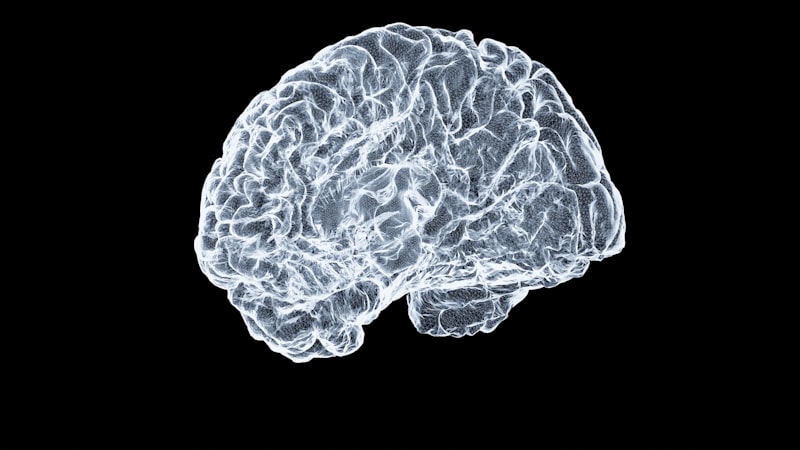
The term Acute Brain Disorder (ABD) refers to a clinical syndrome characterized by the rapid onset of cognitive, emotional, and behavioral changes due to temporary, yet significant, disruption in brain function. ABD is generally defined as any repeated form of signs stemming from intermittent, conversed impairment of neurological operations. Unlike chronic neurological conditions that develop gradually over time, ABD manifests suddenly, representing an immediate medical crisis that necessitates prompt recognition and intervention. This syndrome often involves disturbances in attention, awareness, perception, and the sleep-wake cycle, reflecting a widespread, though often transient, failure of integrated cerebral activity. The severity of ABD can range significantly, from mild confusion to profound disorientation or stupor, depending on the underlying cause and the resilience of the affected individual. It is crucial to understand that ABD is not a specific disease itself, but rather a manifestation of an underlying physical or metabolic derangement impacting the central nervous system (CNS). Historically, this constellation of symptoms has frequently been associated with terms such as delirium or acute encephalopathy, emphasizing the emergent nature of the cognitive decline.
The hallmark of ABD lies in its fluctuating course. Symptoms are rarely constant, often worsening at night (a phenomenon known as “sundowning”) or fluctuating significantly over hours, making continuous assessment essential for diagnosis and management. This intermittent nature distinguishes ABD from fixed cognitive deficits. The functional impact of ABD can be devastating during the acute phase, heavily impairing executive function, memory retrieval, and the ability to perform basic activities of daily living. Consider the following illustrative example: Following the accident, Michael experienced acute brain disorder for months, hindering his ability to speak correctly and concentration at times. This demonstrates how external trauma or internal physiological stress can precipitate prolonged, yet potentially reversible, neurological dysfunction. The underlying mechanisms typically involve a disturbance in neurotransmitter balance, cerebral metabolism, or overall brain perfusion, preventing synchronized neuronal communication necessary for normal cognitive processes.
Etiology and Underlying Mechanisms
The causes of Acute Brain Disorder are diverse and multifactorial, frequently involving systemic illness that secondarily affects brain function rather than primary structural brain damage. These etiologies can generally be categorized into infectious, metabolic, toxic, structural, and circulatory causes. Infections, such as sepsis, pneumonia, or urinary tract infections, especially in vulnerable populations like the elderly, are common triggers, releasing inflammatory cytokines that cross the blood-brain barrier and interfere with neuronal signaling. Metabolic disturbances, including severe electrolyte imbalances (e.g., hyponatremia or hypercalcemia), hepatic or renal failure leading to accumulation of toxins (uremia, hyperammonemia), or severe hypoglycemia, fundamentally disrupt the brain’s energy supply and waste clearance systems. These systemic failures compromise the neuronal membrane stability and the efficacy of neurotransmitter uptake and release, leading directly to the clinical manifestation of acute cognitive impairment.
Furthermore, toxic exposures or pharmacological agents represent another major category of causation. Polypharmacy, particularly involving anticholinergic medications, sedatives, hypnotics, or opioids, can precipitate ABD, especially in patients with pre-existing cognitive vulnerability. Withdrawal states from alcohol or benzodiazepines are classic examples of acutely induced brain dysfunction requiring urgent management. Structural causes, while less common for purely acute and reversible ABD, include acute space-occupying lesions, severe hydrocephalus, or post-concussion syndromes that result in widespread functional rather than structural damage initially. Importantly, hypoxia and ischemia, stemming from conditions like cardiac failure or respiratory compromise, are particularly destructive, as the brain demands a constant and robust supply of oxygen and glucose, and even short periods of deprivation can lead to significant, albeit temporary, operational failure. Identifying the precise etiology is paramount, as the treatment strategy for ABD is almost always directed at reversing the underlying physiological insult.
The neurobiological mechanism underlying ABD is often described as a functional failure of the ascending reticular activating system (ARAS) and its connections to the thalamus and cortex, which are critical for maintaining consciousness and attention. This failure is frequently mediated by an imbalance between inhibitory and excitatory neurotransmitters. For instance, excess dopamine or inadequate acetylcholine activity has been implicated in many forms of delirium associated with ABD. The inflammatory cascade, triggered by systemic illness, plays a pivotal role, leading to microglial activation and the release of neurotoxic mediators that impair synaptic plasticity and reduce overall neuronal connectivity. This neuroinflammation provides a crucial link between peripheral illness and central nervous system dysfunction, manifesting as the acute cognitive decline observed in patients experiencing ABD.
Clinical Presentation and Symptomatology
The clinical presentation of Acute Brain Disorder is characterized by a triad of core symptoms: disturbances in attention, consciousness, and cognition. A fundamental feature is the inability to sustain or shift attention, rendering the patient easily distractible and often unable to follow complex commands or engage in coherent conversation. The disturbance in consciousness ranges from hypervigilance and agitation (hyperactive subtype) to lethargy and hypoactivity (hypoactive subtype), or a mixed presentation. The hypoactive form is often missed clinically, as patients may appear quiet or depressed, yet their internal cognitive processes are profoundly impaired. Cognitive impairments primarily involve memory (especially recent memory), disorientation to time, place, and person, and disorganized thinking, often manifesting as incoherent speech or illogical reasoning.
Beyond the core cognitive deficits, patients often exhibit perceptual disturbances, most notably hallucinations (visual are more common than auditory) and illusions. Emotional lability is also frequent, with rapid shifts between fear, anxiety, anger, or apathy, making behavioral management challenging. Sleep-wake cycle disruption is highly characteristic; insomnia at night followed by excessive daytime sleepiness, or a complete reversal of the normal circadian rhythm, is common. Motor disturbances may also be observed, including asterixis (flapping tremor, often associated with hepatic encephalopathy), myoclonus, or generalized tremor. The variability of these symptoms over the course of a day is perhaps the most defining diagnostic criterion. A patient might be lucid during a morning assessment but profoundly confused and agitated by the evening, reflecting the fluctuating severity of the underlying physiological stressor.
Specific signs often guide the clinician toward the underlying etiology. For example, prominent visual hallucinations and autonomic hyperactivity (tachycardia, diaphoresis) often suggest alcohol withdrawal delirium (Delirium Tremens), a severe form of ABD. Conversely, profound somnolence and asterixis strongly suggest metabolic encephalopathy. The duration of symptoms is also critical; ABD typically resolves once the underlying cause is treated, though full resolution can take days or weeks, particularly in older adults or those with pre-existing dementia. The presence of acute onset, fluctuating course, and inattention are the three key historical elements that must be elicited from caregivers or witnesses to accurately diagnose this condition, as the patient themselves is often unreliable due to the cognitive impairment.
Differentiation from Chronic Disorders
Distinguishing Acute Brain Disorder from chronic cognitive disorders, such as dementia, is essential for appropriate clinical management, though the two conditions frequently coexist. The primary differentiator is the temporal profile of symptom onset. ABD is characterized by an acute or subacute onset, measured in hours to days, whereas dementia involves insidious onset and gradual decline measured over months to years. Furthermore, the course of ABD is fluctuating and reversible, while the trajectory of most dementias (e.g., Alzheimer’s disease) is chronic and progressive. The level of consciousness also serves as a critical distinction; consciousness is almost always impaired or fluctuating in ABD, but generally remains clear in early-stage dementia.
When ABD is superimposed on pre-existing chronic cognitive impairment (a common scenario), it is termed “delirium superimposed on dementia.” In these cases, the patient experiences a sudden, marked worsening of their baseline cognitive function. Clinicians must rely heavily on collateral history from family members to establish the patient’s baseline status. Key differentiators can be summarized as follows:
- Onset: ABD is sudden; Dementia is gradual.
- Attention: Profoundly impaired in ABD; generally spared in early Dementia.
- Reversibility: High potential for reversal in ABD; generally irreversible in Dementia.
- Hallucinations: Common, typically visual, in ABD; less common in Dementia (except Lewy Body Dementia).
- Sleep-Wake Cycle: Severely disrupted in ABD; often affected, but not globally reversed, in Dementia.
Another important differentiation is from primary psychiatric disorders, such as acute psychosis or depression. While psychosis can involve disorganized thinking and hallucinations, the core cognitive deficits (inattention, disorientation) and the fluctuating consciousness characteristic of ABD are typically absent in pure psychiatric conditions. When in doubt, the presence of any physical illness or medication change strongly suggests an organic basis, prioritizing the diagnosis and investigation of ABD over primary psychiatric causes until proven otherwise. The axiom remains: any acute change in mental status, especially in an older or medically ill patient, is ABD until exhaustive investigation proves otherwise.
Diagnostic Criteria and Assessment Tools
The diagnosis of Acute Brain Disorder is primarily clinical, relying on detailed history, observation, and structured cognitive assessment. The cornerstone of diagnosis involves establishing the acute onset and fluctuating course of symptoms, coupled with evidence of inattention and disorganized thinking. The two most commonly used standardized screening instruments are the Confusion Assessment Method (CAM) and the Intensive Care Delirium Screening Checklist (ICDSC). The CAM requires the presence of features 1 and 2, and either 3 or 4:
- Acute onset and fluctuating course.
- Inattention (difficulty focusing or sustaining attention).
- Disorganized thinking (incoherent speech or illogical flow of ideas).
- Altered level of consciousness (anything other than alert).
Once ABD is recognized, the diagnostic process shifts immediately to identifying the underlying etiology. A comprehensive panel of laboratory tests is mandatory, typically including a complete blood count, full metabolic panel (electrolytes, glucose, kidney and liver function tests), thyroid function, toxicology screen, and blood gas analysis. Further investigations depend on clinical suspicion. If infection is suspected, blood and urine cultures, and often a chest X-ray, are required. If structural or seizure activity is considered, neuroimaging (CT or MRI of the head) and electroencephalography (EEG) are essential tools. EEG is particularly useful as it often reveals generalized slowing of background activity, a non-specific but common finding in encephalopathy, or specific patterns indicative of non-convulsive status epilepticus, which can masquerade as ABD.
It is vital that the diagnostic workup be both rapid and thorough, given that delays in treating the cause of the ABD can lead to irreversible complications or increased mortality. The assessment must also include a detailed medication review, looking for recent additions, deletions, or interactions that could precipitate the acute state. Furthermore, nutritional status, hydration levels, and pain control must be assessed, as these factors frequently contribute to or exacerbate the syndrome. The entire diagnostic process aims not merely to label the condition as ABD, but to isolate the specific physiological derangement that requires urgent targeted intervention.
Management and Treatment Protocols
The management of Acute Brain Disorder is fundamentally focused on two synchronized approaches: treating the underlying cause and providing supportive care to manage symptoms and ensure patient safety. Treatment of the etiology is the definitive therapy. For example, if ABD is caused by sepsis, aggressive antibiotic therapy, fluid resuscitation, and hemodynamic support are paramount. If it is due to hypoglycemia, glucose administration is required. If the cause is medication toxicity, cessation or dose reduction of the offending agent is necessary. Prompt identification and reversal of these insults typically lead to the resolution of the ABD symptoms.
Supportive care involves a multi-pronged approach encompassing environmental, psychological, and pharmacological strategies. Non-pharmacological interventions are the first line of defense and are crucial for minimizing distress and promoting orientation. These include maintaining a calm, well-lit environment, ensuring the presence of familiar objects and people (e.g., family members), using clear communication, and frequently reorienting the patient to time, place, and situation. Minimizing sensory overload and ensuring adequate hydration, nutrition, and pain management are also key components of supportive care. Physical restraints should be avoided if possible, as they often increase agitation and distress, and instead, sitters or continuous observation should be utilized to prevent injury.
Pharmacological intervention is generally reserved for patients exhibiting severe agitation, psychosis, or behavioral disturbances that pose a risk of harm to themselves or others, or significantly impede necessary medical care. Antipsychotics, particularly low-dose typical or atypical agents (such as haloperidol or risperidone), are often used to manage severe hyperactive symptoms. However, these medications must be used cautiously, especially in patients with Parkinson’s disease or Lewy Body Dementia, where they can severely worsen motor symptoms or lead to neuroleptic malignant syndrome. Benzodiazepines should generally be avoided, except in cases of alcohol or sedative withdrawal, as they can paradoxically worsen confusion and sedation in other forms of ABD. The goal of medication is symptom control, not complete sedation, thereby facilitating the patient’s participation in recovery while the underlying medical condition is being addressed.
Prognosis and Recovery Trajectories
The prognosis for patients experiencing Acute Brain Disorder is highly variable, depending heavily on the underlying cause, the patient’s age, pre-morbid cognitive status, and the timeliness of intervention. In young, otherwise healthy individuals whose ABD is triggered by a readily reversible cause (e.g., drug overdose or simple infection), the prognosis for complete recovery is generally excellent, often occurring within hours to days of effective treatment. However, in vulnerable populations, such as the elderly or those with multiple comorbidities, ABD carries significant risks. It is strongly associated with prolonged hospitalization, increased morbidity, functional decline, and a higher risk of institutionalization post-discharge.
Even after the acute symptoms resolve, many patients experience persistent cognitive deficits, sometimes lasting weeks or months, a condition referred to as post-delirium cognitive impairment. Studies indicate that ABD may accelerate the progression of underlying dementia in those already vulnerable, suggesting that the acute neurological insult has long-term detrimental effects on cerebral reserve. Therefore, recovery trajectory often involves not just the resolution of the acute confusion, but a comprehensive rehabilitation period focusing on regaining baseline physical and cognitive function. Follow-up cognitive screening is highly recommended to monitor for persistent deficits and initiate appropriate cognitive remediation strategies if necessary.
Pediatric and Geriatric Considerations
While Acute Brain Disorder can affect individuals of any age, its presentation, etiology, and implications differ significantly between pediatric and geriatric populations. In children, ABD is often termed pediatric delirium or encephalopathy. Common causes include fever, severe infections (meningitis, encephalitis), head trauma, and certain antiepileptic or anesthetic medications. The presentation may be subtle, manifesting as irritability, refusal to interact, or unusual hyperactivity rather than classic disorientation. Prompt identification is crucial, as the developing brain is particularly sensitive to metabolic and inflammatory insults, potentially leading to long-term neurodevelopmental consequences if the underlying cause is not rapidly addressed.
The geriatric population represents the largest and most vulnerable group affected by ABD. Advanced age is the single greatest risk factor, and the incidence of ABD in hospitalized elderly patients is alarmingly high, often exceeding 50% in intensive care settings. In older adults, the threshold for developing ABD is significantly lower due to decreased physiological reserve (e.g., reduced brain volume, fewer functional neurons, and compromised blood-brain barrier integrity). Triggers that might be minor in a younger adult—such as mild dehydration, constipation, or a minor drug interaction—can precipitate full-blown ABD in an elderly individual. Furthermore, ABD in this population is a strong predictor of poor outcomes, including functional decline, longer hospital stays, and increased mortality. Therefore, aggressive prevention strategies, focusing on minimizing polypharmacy, ensuring adequate sleep, promoting mobility, and managing pain, are essential in geriatric care settings to mitigate the risk of developing this pervasive condition.