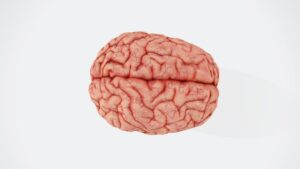
Addiction: Unlocking Freedom from Compulsive Patterns
Scientifically Reviewed · Dr. Marwa Abd-Alazim · October 4, 2026
Review Criteria & Clinical Standards
This content undergoes rigorous scientific peer-review and medical editorial standards at Arab Psychology Network to ensure clinical accuracy, validity, and compliance with evidence-based guidelines from leading psychological and healthcare authorities (APA / WHO).

The Enigma of Addiction: Core Definition and Mechanisms
Addiction is fundamentally defined as a chronic, relapsing brain disease characterized by compulsive drug seeking and use, or engagement in a behavior, despite harmful consequences. It represents a complex interplay of biological, psychological, and social factors, leading to a profound loss of control over the addictive behavior. What begins as voluntary engagement can gradually transform into a powerful, uncontrollable compulsion, profoundly altering an individual’s priorities, decision-making, and overall well-being.
The fundamental mechanism behind addiction involves the brain’s reward system, particularly the mesolimbic pathway, which is heavily influenced by the neurotransmitter dopamine. Addictive substances and behaviors hijack this system, initially producing intense feelings of pleasure or relief. Over time, repeated exposure leads to neuroadaptations, where the brain’s reward circuits become desensitized. This results in a phenomenon known as tolerance, where increasing amounts of the substance or intensity of the behavior are needed to achieve the desired effect, or simply to feel “normal” and avoid the unpleasant symptoms of withdrawal.
This shift from ‘liking’ (hedonic pleasure) to ‘wanting’ (incentive salience) is crucial in understanding the compulsive nature of addiction. The individual is no longer primarily seeking euphoria, but rather relief from discomfort or the intense drive of craving. Cognitive distortions, denial, and impaired decision-making abilities become prominent as the brain pathways responsible for judgment, impulse control, and self-regulation are compromised. Recognizing addiction as a chronic brain disease, rather than a moral failing, is vital for fostering effective, compassionate treatment approaches and reducing stigma.
A Historical Perspective on Understanding Addiction
Historically, the understanding of addiction has undergone significant transformations. For centuries, addictive behaviors were primarily viewed through a moral or spiritual lens, often attributed to a lack of willpower, character flaws, or even demonic possession. Societal responses were typically punitive, focusing on punishment and ostracization rather than empathy or treatment. This perspective often led to severe social stigma and ineffective interventions, perpetuating a cycle of shame and further isolating individuals struggling with compulsive behaviors.
The shift towards medicalizing addiction began in the late 18th and 19th centuries, with pioneering figures like Benjamin Rush in the United States describing alcoholism as a disease. However, the disease model of addiction gained widespread acceptance in the mid-20th century, significantly influenced by the work of mutual aid groups such as Alcoholics Anonymous (AA) and subsequent scientific research. This model posited that addiction was a legitimate medical condition, characterized by distinct symptoms, a predictable course, and requiring specialized treatment, much like other chronic illnesses.
The late 20th and early 21st centuries have been marked by rapid advancements in neuroscience, which have profoundly deepened our understanding of addiction. Research has elucidated the intricate neurobiological changes in the brain’s reward, motivation, memory, and control circuits that underpin addiction. The identification of specific neurotransmitters, such as dopamine, and the study of genetic predispositions have provided empirical evidence supporting the brain disease model. This scientific foundation has revolutionized the approach to addiction, shifting focus from moral judgment to evidence-based prevention, treatment, and recovery support, thereby integrating addiction into broader public health discourse.
Diverse Manifestations: Types of Addiction
Addiction manifests in various forms, traditionally classified into three broad categories: substance-related addiction, behavioral addiction, and process addiction. While the external expressions of these addictions differ significantly, the underlying neurobiological and psychological mechanisms that drive the compulsive engagement and loss of control share remarkable similarities. Understanding these distinctions helps in tailoring appropriate diagnostic and treatment strategies for affected individuals.
Substance-related addiction is the most commonly recognized type, involving the compulsive use of psychoactive substances that directly alter brain chemistry and function. This category encompasses a wide array of substances, including alcohol, opioids (e.g., heroin, prescription painkillers), nicotine, cannabis, stimulants (e.g., cocaine, methamphetamine), and hallucinogens. These substances often lead to physical dependence, where the body adapts to the presence of the drug and experiences severe withdrawal symptoms if use is discontinued, further entrenching the cycle of use.
Beyond substances, addiction can also manifest as behavioral addiction, characterized by a compulsive engagement in behaviors such as gambling, sex, or food. Similarly, process addiction involves the compulsive use of activities like excessive shopping, internet use, or exercise. Although these do not involve external chemical agents, they trigger the same reward pathways in the brain, leading to comparable patterns of craving, loss of control, and significant negative consequences across various life domains. The Diagnostic and Statistical Manual of Mental Disorders (DSM-5) officially recognizes Gambling Disorder as a behavioral addiction, signifying a growing understanding and acceptance of these non-substance-related compulsive behaviors as legitimate forms of addiction.
The Intricate Web: Causes and Risk Factors of Addiction
The development of addiction is a multifaceted phenomenon, rarely attributable to a single cause. Instead, it arises from a complex interplay of genetic, environmental, psychological, and social factors. While the precise mechanisms are still being fully elucidated, the prevailing biopsychosocial model acknowledges that a combination of these elements significantly increases an individual’s susceptibility to developing an addictive disorder, highlighting the need for a holistic understanding and approach to prevention and treatment.
A significant contributor is genetic predisposition, indicating that a person’s inherited genetic makeup can substantially influence their vulnerability to addiction. Research shows that genetics can account for approximately 40-60% of an individual’s risk for substance use disorders. These genetic factors can affect how an individual responds to substances, how quickly their body metabolizes them, and the baseline sensitivity of their brain’s reward system. Neurobiological differences, such as variations in impulsivity or stress response, also play a role in increasing susceptibility.
Environmental factors also play a crucial role. Exposure to early life trauma, chronic stress, experiences of abuse or neglect, and living in impoverished or chaotic home environments can significantly heighten a person’s risk. Furthermore, social factors such as strong peer pressure during adolescence, early initiation of substance use, lack of parental supervision, and easy access to substances or addictive behaviors within one’s community can contribute to the development of addiction. Cultural norms and societal attitudes toward substance use also shape an individual’s exposure and vulnerability.
Finally, co-occurring mental illness is a major risk factor, leading to the phenomenon known as comorbidity. Conditions such as depression, anxiety disorders, post-traumatic stress disorder (PTSD), and attention-deficit/hyperactivity disorder (ADHD) frequently co-occur with addiction. Individuals may attempt to “self-medicate” symptoms of these underlying psychological conditions with substances or behaviors, inadvertently creating a vicious cycle of increasing dependence and worsening mental health. Therefore, integrated treatment that addresses both the addiction and any co-occurring mental health disorders is often essential for successful recovery.
Illustrating the Struggle: A Practical Example of Addiction’s Progression
To illustrate the insidious progression of addiction, let’s consider the hypothetical case of David, a successful marketing executive who initially turned to prescription pain medication after a back injury. His doctor prescribed him an opioid for a short period, and David experienced significant relief from pain, along with a pleasant feeling of relaxation and euphoria, which he found particularly appealing after long, stressful workdays.
As his physical injury healed, David’s prescription ended. However, he found himself still craving the feelings the pills provided, not just the absence of pain, but the escape from stress and the sense of calm. This marked the subtle but critical transition from prescribed use to psychological dependence. He began to seek out more pills, perhaps exaggerating his symptoms to different doctors or eventually purchasing them illicitly online. The initial pleasure derived from the pills gradually diminished, and his motivation shifted from seeking euphoria to avoiding the growing discomfort and anxiety that arose when he didn’t take them. His brain’s reward system had been recalibrated, making the casual use transition into a compulsive drive.
Over time, David developed tolerance, requiring higher and more frequent doses to achieve the desired effects or simply to stave off the unpleasant physical and psychological withdrawal symptoms. His preoccupation with obtaining and using the pills consumed an increasing amount of his time and mental energy. He started neglecting his work responsibilities, missing deadlines, and alienating colleagues and family members who expressed concern. Despite recognizing the severe negative impacts on his career, relationships, and health, David felt powerless to stop, experiencing intense cravings and profound distress if he attempted to cut back. This scenario vividly demonstrates the core characteristics of addiction: loss of control, compulsive engagement despite adverse consequences, and a persistent preoccupation with the addictive substance or behavior.
Addressing the Challenge: Comprehensive Treatment Approaches
Treatment for addiction is multifaceted, requiring a personalized and often long-term approach that acknowledges its chronic nature rather than viewing it as an acute illness with a singular cure. The overarching goal of treatment extends beyond mere abstinence to encompass rehabilitation, the development of healthy coping mechanisms, improved overall functioning in life, and the prevention of relapse. Effective treatment typically integrates various modalities tailored to the individual’s specific needs, the type of addiction, and any co-occurring disorders.
Pharmacological treatments play a crucial role, especially in managing acute withdrawal symptoms, reducing cravings, and preventing relapse. These medications work by targeting specific neurotransmitter systems in the brain or by blocking the euphoric effects of the addictive substance. Examples include methadone and buprenorphine for opioid use disorder, which help stabilize brain chemistry and reduce cravings, and naltrexone for alcohol and opioid dependence, which blocks the rewarding effects. Disulfiram is another medication used for alcohol dependence, which causes unpleasant physical reactions if alcohol is consumed, thereby acting as a deterrent.
Behavioral therapies are cornerstones of addiction treatment, involving structured interventions with a therapist to identify and address the root causes of addiction, develop coping mechanisms, and modify problematic behaviors. Key approaches include Cognitive Behavioral Therapy (CBT), which helps individuals identify and change negative thought patterns and behaviors that contribute to addiction. Motivational Interviewing is another effective therapy that enhances an individual’s intrinsic motivation to change. Contingency Management utilizes positive reinforcement, such as vouchers or rewards, for desired behaviors like sobriety, while Family Therapy addresses family dynamics and communication patterns affected by or contributing to addiction.
Finally, support groups provide invaluable peer support, shared experiences, and a structured recovery program. Organizations such as Alcoholics Anonymous (AA) and Narcotics Anonymous (NA) offer safe and supportive environments where individuals can connect with others facing similar challenges, fostering a sense of community and reducing isolation. These groups often follow a 12-step philosophy, emphasizing mutual aid, spiritual growth, and accountability, complementing professional treatment by providing ongoing support and a framework for long-term recovery. A holistic approach, often combining pharmacological, behavioral, and peer-support interventions, is generally considered the most effective path to sustained recovery.
Profound Implications: Significance and Societal Impact of Addiction
The study and understanding of addiction hold immense significance for the field of psychology and society at large. Within psychology, it offers profound insights into fundamental processes such as motivation, reward, impulse control, decision-making, and self-regulation, thereby challenging and refining existing theories of behavior and mental health. Research into addiction has pushed the boundaries of neurobiology, cognitive science, and social psychology, leading to a deeper comprehension of maladaptive coping strategies, the intricate interplay between biological vulnerabilities and environmental stressors, and the mechanisms of behavioral persistence despite adverse consequences.
The knowledge gleaned from addiction research and clinical practice is applied extensively across various fields today. In clinical psychology and psychiatry, this understanding is crucial for developing evidence-based diagnostic criteria, such as those found in the DSM-5, and for crafting effective therapeutic interventions. In public health, it informs the design of prevention campaigns, harm reduction strategies, and policy-making aimed at mitigating the prevalence and impact of substance use disorders. Educational programs leverage this information to inform youth about the risks associated with substance use, while ethical considerations in marketing also draw upon insights into addictive behaviors to promote responsible product design and advertising, preventing exploitation.
Beyond individual suffering, addiction exacts immense societal costs. These include substantial healthcare expenditures for treatment and managing addiction-related health complications, significant losses in productivity due to absenteeism and impaired functioning, increased rates of crime, and immense strain on social services and the justice system. Furthermore, addiction profoundly impacts families and communities, perpetuating cycles of poverty, dysfunction, and intergenerational trauma. Recognizing addiction as a complex disease, rather than a moral failing, has been pivotal in fostering more compassionate and effective public health responses, which prioritize treatment access, reduce stigma, and ultimately aim to improve the well-being of individuals and society.
Interconnected Concepts: Addiction’s Place in Psychology
Addiction is a complex, multifaceted phenomenon that inherently spans several subfields of psychology, reflecting its diverse origins and manifestations. While it primarily falls under the purview of Clinical Psychology, given this field’s focus on the diagnosis, treatment, and prevention of mental and behavioral disorders, it also heavily intersects with other crucial areas. These include Neuropsychology, which investigates the brain’s role and neurobiological changes, and Health Psychology, which examines the psychological and behavioral processes in health, illness, and healthcare. Aspects of addiction also touch upon Social Psychology (e.g., peer influence, social norms) and Developmental Psychology (e.g., risk factors in adolescence, critical periods of vulnerability).
Several psychological concepts are intimately related to addiction and are often discussed in conjunction with it. Dependence, for instance, refers to a physiological adaptation to a substance, where the body’s systems become accustomed to its presence, leading to characteristic withdrawal symptoms if use is reduced or stopped. While dependence is often a component of addiction, one can be physically dependent without being addicted (e.g., a patient taking prescribed opioids for chronic pain). Tolerance, another key concept, describes the need for increasing amounts of a substance to achieve the same effect or a markedly diminished effect with continued use of the same amount. The intense desire or urge for a substance or behavior, known as craving, is a core and persistent symptom of addiction, often triggering relapse.
Further understanding of addiction requires exploring concepts such as the Reward System, specifically the mesolimbic dopamine pathway, which is central to how substances and behaviors become reinforcing and ultimately compulsive. The constructs of Impulsivity (acting on a sudden urge without forethought of consequences) and Compulsivity (repetitive behaviors performed to reduce anxiety, often maladaptive) are critical in mapping the progression from initial use to entrenched addictive patterns. Moreover, the high rate of comorbidity, where addiction co-occurs with other mental health disorders like depression and anxiety disorders, underscores the necessity of integrated treatment approaches that address all presenting conditions simultaneously for comprehensive recovery.