Adrenal Androgens: The Hidden Drivers of Human Behavior
Scientifically Reviewed · Dr. Marwa Abd-Alazim · August 24, 2026
Review Criteria & Clinical Standards
This content undergoes rigorous scientific peer-review and medical editorial standards at Arab Psychology Network to ensure clinical accuracy, validity, and compliance with evidence-based guidelines from leading psychological and healthcare authorities (APA / WHO).
Introduction and Definition of Adrenal Androgens
Adrenal androgens refer collectively to any number of the androgenic chemicals dispersed by the adrenal cortex, the outer layer of the adrenal gland. These compounds are C19 steroids, meaning they possess 19 carbon atoms, and are structurally related to testosterone, though they typically exert significantly weaker androgenic effects directly. Their primary physiological importance lies not in their inherent potency but in their role as essential precursors that can be converted into more active sex steroids, such as testosterone and estrogens, in peripheral tissues throughout the body, a process crucial for maintaining hormonal balance across the lifespan.
The production of these hormones is a function of the zona reticularis, the innermost layer of the adrenal cortex. Unlike the glucocorticoids and mineralocorticoids produced by the other cortical zones, adrenal androgen secretion is less tightly regulated by negative feedback loops involving the pituitary and hypothalamus, although it is still profoundly influenced by Adrenocorticotropic Hormone (ACTH). This unique regulatory profile allows for a steady baseline supply of steroid building blocks, which become increasingly vital when gonadal function declines or when localized hormonal requirements (known as intracrinology) must be met within specific tissues, such as the skin, adipose tissue, and brain.
The crucial nature of these substances is highlighted by the profound systemic disruption that occurs when their levels are suboptimal or excessive. As seminal research indicates, when adrenal androgens are lacking or insufficient, the resulting imbalance can indeed wreak havoc on one’s cognitive, emotional, and physical abilities. Deficiencies often manifest subtly, presenting as chronic fatigue, reduced resilience to stress, and a measurable decline in general well-being, pointing toward their broad homeostatic role far beyond typical sexual characteristics.
Biosynthesis and Regulatory Mechanisms
The synthesis of adrenal androgens is an intricate part of the larger steroidogenesis pathway, initiating from cholesterol within the mitochondria of the zona reticularis cells. The key enzymatic steps involve the sequential action of several cytochrome P450 enzymes. Cholesterol is first converted into pregnenolone, which serves as the universal precursor for all steroid hormones. Pregnenolone is then converted into 17-hydroxypregnenolone, and subsequently into dehydroepiandrosterone (DHEA) through the action of the enzyme 17,20-lyase. This pathway is shared with cortisol production up to a certain point, meaning that disorders affecting one part of the adrenal axis often impact androgen production simultaneously.
Regulation of this entire process is primarily driven by ACTH, released from the anterior pituitary gland. While ACTH is the dominant tropic hormone controlling the adrenal cortex, the relationship between ACTH and androgen secretion is complex and often disproportionate compared to its control over cortisol. For instance, the secretion of DHEA and its sulfate, DHEA-S, experiences a pronounced increase during the period known as adrenarche—a phenomenon occurring around age six to eight, preceding true gonadal puberty. This increase in adrenal androgen output occurs without a corresponding rise in cortisol, suggesting that while ACTH is necessary, other unidentified factors, possibly local growth factors or changes in enzyme sensitivity within the zona reticularis, modulate the specific rise of androgens during this developmental phase.
The diurnal rhythm also plays a regulatory role, though less pronounced than that observed for cortisol. Adrenal androgen levels typically peak in the early morning hours and decline throughout the day, following the general pattern dictated by the Hypothalamic-Pituitary-Adrenal (HPA) axis. However, the sulfated form, DHEA-S, exhibits a remarkably long half-life, sometimes measured in days, making its circulating levels highly stable and less susceptible to rapid fluctuations caused by acute stress or circadian rhythms. This stability makes DHEA-S an invaluable clinical marker for assessing long-term adrenal function and androgen status.
Principal Adrenal Androgens: DHEA and DHEA-S
The two most significant and clinically studied adrenal androgens are Dehydroepiandrosterone (DHEA) and its sulfated conjugate, Dehydroepiandrosterone Sulfate (DHEA-S). DHEA is the most abundant circulating steroid hormone in humans, and DHEA-S is often found in even higher concentrations. DHEA-S is generated from DHEA primarily in the adrenal gland and liver via the enzyme sulfotransferase. The sulfation process significantly increases the molecule’s water solubility and vastly extends its half-life, allowing it to act as a substantial reservoir of potential sex hormones circulating in the bloodstream, poised for activation in target tissues.
These precursors are functionally distinct from potent androgens like testosterone or dihydrotestosterone (DHT) because they possess minimal affinity for the classical androgen receptor. Instead, their biological activity is largely dependent upon their conversion in peripheral target cells into more potent hormones, via specific enzymatic pathways. For example, in adipose tissue and skin cells, DHEA can be converted into androstenedione, which is then transformed into testosterone. Furthermore, through the action of aromatase, testosterone can be converted into estradiol, meaning adrenal androgens serve as crucial indirect sources of estrogen in men and postmenopausal women, where ovarian estrogen production has ceased.
The clinical relevance of monitoring DHEA and DHEA-S levels cannot be overstated, particularly in differential diagnosis of hormonal disorders. Extremely elevated levels often point toward adrenal hyperandrogenism, such as in cases of Congenital Adrenal Hyperplasia (CAH) or adrenal tumors, because the adrenal gland is the almost exclusive source of DHEA-S. Conversely, low levels are often observed in conditions of generalized adrenal insufficiency, such as Addison’s disease, or in cases of hypopituitarism where ACTH stimulation is absent. The steady, high concentration of DHEA-S makes it a reliable indicator of adrenal secretory capacity, distinguishing adrenal-driven hormonal issues from those originating in the ovaries or testes.
Physiological Roles in Development and Adulthood
The physiological actions of adrenal androgens span the entire human lifespan, beginning even before birth and extending into old age. During fetal development, while the testes produce testosterone responsible for male sexual differentiation, adrenal androgen precursors can play a critical role, particularly in conditions where the adrenal gland is overactive, such as certain forms of Congenital Adrenal Hyperplasia. In affected female fetuses, the high levels of adrenal androgens can lead to the virilization of external genitalia, demonstrating the potency of these precursors when produced in excess.
The most recognizable developmental role is initiated during adrenarche. The surge in adrenal androgens at this time is responsible for the appearance of pubarche—the initial growth of pubic and axillary hair—and the onset of adult body odor. While adrenarche is distinct from gonadarche (true puberty driven by gonadal hormones), the adrenal androgens lay the groundwork for secondary sexual characteristics, preparing the body for the subsequent dramatic changes driven by testosterone and estradiol. This early hormonal change is also theorized to contribute to shifts in brain structure and cognitive function observed in pre-adolescence.
In adulthood, particularly in women, adrenal androgens remain the principal source of circulating androgens, contributing significantly to features such as libido, bone density maintenance, muscle mass, and energy levels. After menopause, when ovarian production of estrogen and testosterone declines sharply, DHEA-S becomes the predominant precursor for peripheral estrogen production, acting as a vital counterbalance against age-related decline in tissue health. This continued, albeit diminished, production helps preserve skin integrity, cardiovascular function, and psychological well-being, highlighting their enduring importance long after reproductive years have concluded.
Interplay with Cognitive and Emotional Function
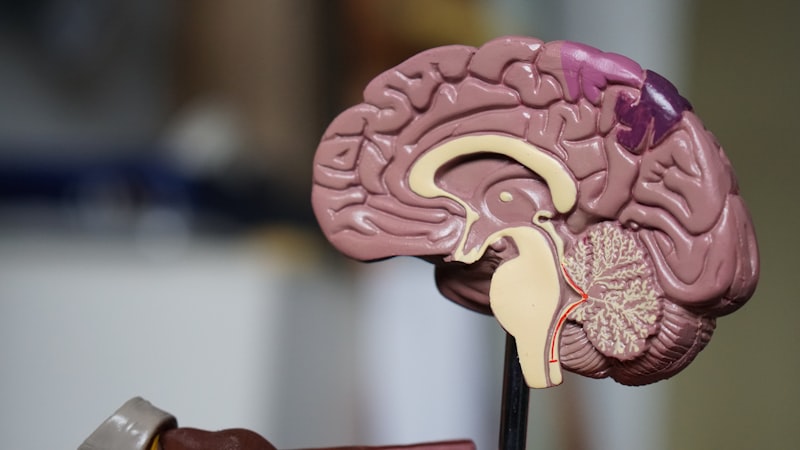
The influence of adrenal androgens extends deeply into the central nervous system (CNS), where they function as neurosteroids—steroids synthesized within the brain or rapidly taken up from the circulation to exert local effects. DHEA, in particular, readily crosses the blood-brain barrier and modulates critical neurotransmitter systems. Research has identified DHEA as a potent modulator of both the inhibitory Gamma-Aminobutyric Acid (GABA) receptor complex and the excitatory N-methyl-D-aspartate (NMDA) receptor complex. By fine-tuning these systems, DHEA can influence neuronal excitability, synaptogenesis, and overall cognitive processing speed.
The psychological implications of dysregulated adrenal androgen levels are profound. Low levels of DHEA-S have been frequently correlated with increased vulnerability to stress-related psychiatric disorders, including major depressive disorder, generalized anxiety disorder, and post-traumatic stress disorder (PTSD). It is hypothesized that DHEA acts as an endogenous buffer against excessive glucocorticoid (cortisol) exposure, helping to protect hippocampal neurons from the damaging effects of chronic stress. When this protective buffer is insufficient, individuals may experience diminished emotional resilience, chronic fatigue, and impaired executive function, fulfilling the observation that deficiency can “wreak havoc” on cognitive and emotional stability.
Furthermore, specific cognitive functions, such as memory consolidation and spatial reasoning, appear to be positively correlated with optimal DHEA levels. Studies involving DHEA supplementation, although often yielding mixed results due to complexity in delivery and metabolism, suggest a role in enhancing mood stabilization and improving metrics of well-being in populations suffering from adrenal insufficiency or aging-related cognitive decline. This strong evidence positions adrenal androgens not merely as sex hormone precursors, but as critical regulatory molecules governing neural plasticity and the maintenance of a balanced emotional state.
Clinical Manifestations of Adrenal Androgen Deficiency
Adrenal androgen deficiency, often referred to as Adrenopause when associated with aging, or as part of more generalized adrenal insufficiency (like Addison’s disease), presents a complex array of non-specific symptoms that can severely diminish quality of life. Because DHEA and DHEA-S are responsible for maintaining a baseline level of androgenic activity, particularly in women and elderly men, a sustained drop often leads to clinically recognizable, though sometimes subtle, symptomatology. The symptoms are frequently overlooked or misdiagnosed as purely psychological due to their vague nature, making accurate endocrine assessment critical.
The typical clinical presentation of adrenal androgen deficiency includes chronic and debilitating fatigue that is not relieved by rest, a pervasive loss of energy, and a significant reduction in muscular strength and endurance. Psychologically, patients frequently report reduced libido, an inability to cope with routine stressors, and a notable decline in their overall sense of physical and mental well-being, often described as a loss of “zest for life.” Furthermore, specific physical changes such as dry skin, reduced bone mineral density, and thinning pubic or axillary hair (pubarche regression) can also be observed, reflecting the precursors’ failure to sustain peripheral tissue homeostasis.
Diagnosing deficiency relies primarily on measuring serum DHEA-S levels, which must be interpreted in the context of the patient’s age and sex. Treatment often involves DHEA replacement therapy, which, while beneficial, requires careful management due to the potential for side effects, particularly conversion to testosterone or estrogen which can lead to unwanted androgenic effects (like acne or mild hirsutism) or estrogenic effects. The goal of replacement therapy is not to restore supraphysiological levels but to achieve concentrations consistent with the upper end of the normal range for younger, healthy adults, thereby restoring the neuroprotective and mood-enhancing benefits associated with these crucial neurosteroids.
Conditions of Adrenal Androgen Excess (Hyperandrogenism)
In contrast to deficiency, conditions involving the pathological excess of adrenal androgens result in hyperandrogenism, manifesting as overt signs of virilization. The most common genetic cause is Congenital Adrenal Hyperplasia (CAH), usually due to a deficiency in the 21-hydroxylase enzyme. When this enzyme is absent or dysfunctional, the steroid synthesis pathway is shunted away from cortisol production and heavily toward the production of adrenal androgens, leading to massive overproduction of DHEA and DHEA-S.
Clinically, hyperandrogenism presents differently depending on the patient’s sex and age of onset. In women, the classic signs include hirsutism (excessive growth of male-pattern hair), severe acne, deepening of the voice, and menstrual irregularities or amenorrhea. If the excess is severe and sustained, it can lead to frank virilization, including clitoromegaly and male-pattern balding. While Polycystic Ovary Syndrome (PCOS) is the most common cause of hyperandrogenism in women, distinguishing between ovarian and adrenal sources is critical, as extremely high DHEA-S levels strongly implicate an adrenal origin, necessitating immediate investigation for CAH or, less commonly, an androgen-secreting adrenal tumor.
The management of adrenal hyperandrogenism depends on the underlying etiology. For CAH, replacement therapy with glucocorticoids is standard, as it suppresses the excessive ACTH drive that fuels the overproduction of androgens, thereby normalizing the steroidogenesis pathway. Adrenal tumors, which are rare but highly aggressive, typically require surgical excision. Monitoring the reduction of DHEA-S levels post-treatment is essential to confirm the effectiveness of the intervention and ensure that the patient is protected from the long-term metabolic and reproductive consequences associated with chronic androgen excess.
Therapeutic and Research Implications
The therapeutic potential of DHEA has sparked significant interest, particularly in the fields of gerontology, endocrinology, and psychiatry. Given the natural decline of DHEA production with age (often starting sharply after the third decade of life), the concept of DHEA replacement as an anti-aging strategy or a means to combat age-related decline in mood and muscle mass has been heavily explored. Proponents suggest that restoring youthful levels can enhance immune function, improve body composition by reducing adipose tissue, and boost cognitive vitality, positioning DHEA as a potential longevity agent.
However, the use of DHEA as a widespread supplement remains controversial due to inconsistent findings in clinical trials and concerns regarding safety, particularly the risk of conversion to active sex hormones which can exacerbate conditions like prostate cancer or cause androgenic side effects in women. Consequently, current medical consensus typically reserves DHEA replacement for specific diagnosed conditions, such as adrenal insufficiency, where physiological levels are pathologically low, and for certain refractory cases of depression.
Future research is heavily focused on understanding the precise mechanisms by which DHEA acts as a neurosteroid. Key areas of investigation include its role in mitigating neuroinflammation, its potential use in treating treatment-resistant depression and chronic anxiety disorders, and its involvement in protecting against neurodegenerative diseases like Alzheimer’s. The goal of this research is to develop targeted therapies that can harness the beneficial neuroprotective and mood-stabilizing effects of adrenal androgens without incurring the risks associated with generalized sex steroid metabolism.