Adrenoreceptors: Mastering Your Fight or Flight Response
Scientifically Reviewed · Dr. Marwa Abd-Alazim · September 1, 2026
Review Criteria & Clinical Standards
This content undergoes rigorous scientific peer-review and medical editorial standards at Arab Psychology Network to ensure clinical accuracy, validity, and compliance with evidence-based guidelines from leading psychological and healthcare authorities (APA / WHO).
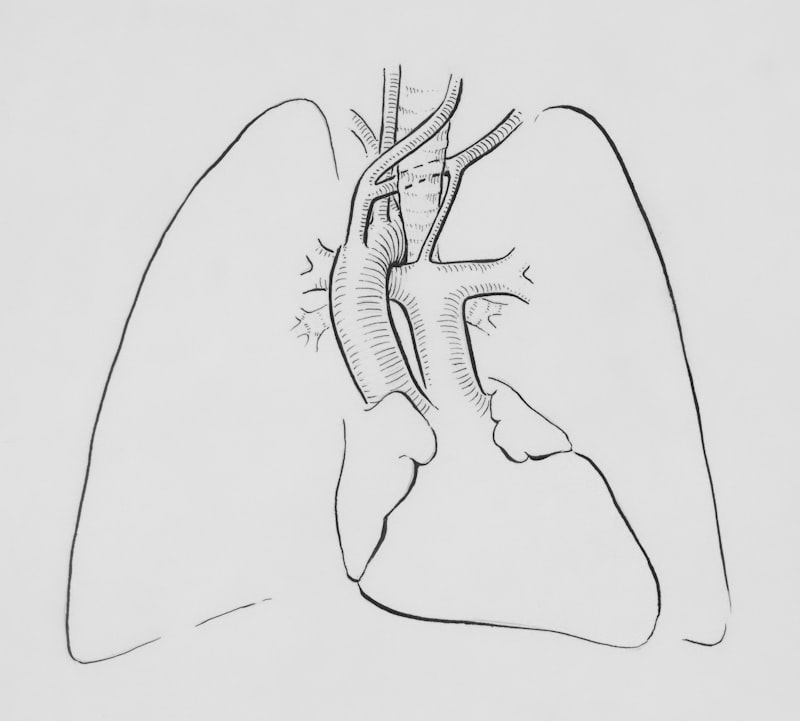
The adrenoreceptor, frequently designated as the adrenergic receptor or simply adrenoceptor, constitutes a critical class of cellular surface receptors integral to the function of the mammalian nervous system, particularly the Sympathetic Nervous System (SNS). These receptors are specialized protein structures designed to bind to and respond to the primary endogenous catecholamines: norepinephrine (noradrenaline) and epinephrine (adrenaline). While both neurotransmitters and hormones interact with these sites, norepinephrine typically exhibits a stronger affinity for certain subtypes, reflecting its primary role as a sympathetic neurotransmitter, whereas epinephrine often acts as a circulating hormone released from the adrenal medulla. The activation of adrenoreceptors initiates a cascade of intracellular signaling events that mediate the body’s fundamental responses to stress, exertion, and danger—collectively known as the “fight or flight” response—thereby regulating vital functions such as cardiovascular output, metabolic rate, and smooth muscle tone. Understanding the differential distribution and coupling mechanisms of the various adrenoreceptor subtypes is paramount to grasping the complexity of autonomic regulation and forms the basis for numerous pharmacological interventions in clinical medicine.
Definition and Nomenclature
Adrenoreceptors belong to the large superfamily of G-protein coupled receptors (GPCRs), characterized by their seven transmembrane domains. Their function is defined by their ability to recognize and transduce signals from catecholamines, effectively acting as the crucial interface between neuronal activity or hormonal release and the resulting cellular response. The nomenclature of these receptors is historically derived from their response to adrenaline, reflecting their central role in adrenergic signaling. They are segregated into two major families, alpha ($\alpha$) and beta ($\beta$), based on their pharmacological profiles and their relative affinities for various agonists and antagonists. This foundational division allows for highly specific control over different physiological systems; for example, alpha receptors are often associated with vasoconstriction, while beta receptors are typically associated with cardiac stimulation and bronchodilation. The concept of an adrenergic receptor is essential for explaining how the body translates a surge of stress hormones into widespread systemic effects necessary for immediate survival responses, making them key targets in fields ranging from neurobiology to cardiology.
The initial classification of these receptors into alpha and beta families was established through rigorous pharmacological studies demonstrating differential sensitivity to synthetic compounds, long before molecular cloning techniques confirmed their structural diversity. Subsequent molecular research further refined this classification, revealing multiple subtypes within each major family: $\alpha_1$ is subdivided into $\alpha_{1A}$, $\alpha_{1B}$, and $\alpha_{1D}$; $\alpha_2$ is subdivided into $\alpha_{2A}$, $\alpha_{2B}$, and $\alpha_{2C}$; and the beta family comprises $\beta_1$, $\beta_2$, and $\beta_3$. Each of these nine distinct subtypes is encoded by a separate gene and exhibits unique tissue distribution, ligand binding characteristics, and intracellular signaling pathways, contributing to the highly fine-tuned nature of sympathetic regulation. This intricate system ensures that the release of a single catecholamine can simultaneously elicit multiple, context-dependent responses across disparate organs, such as increasing heart rate while constricting peripheral blood vessels, optimizing blood flow to critical organs.
It is important to note the interchangeable use of terminology, where adrenoreceptor, adrenergic receptor, and adrenoceptor all refer to the same class of proteins. This reflects the history of discovery and localization, acknowledging their role in mediating the effects of both adrenaline and noradrenaline. The physiological context determines whether the ligand acts as a neurotransmitter (released by sympathetic nerve terminals, primarily norepinephrine) or a hormone (released into the bloodstream by the adrenal medulla, primarily epinephrine). Regardless of the source, the mechanism of action remains dependent on the binding to these specific receptor sites. These receptors are ubiquitously distributed throughout the body, including the central nervous system, and their pervasive influence underscores their critical importance not only in autonomic function but also in mood regulation, sleep-wake cycles, and cognitive performance.
Physiological Role in the Sympathetic Nervous System (SNS)
Adrenoreceptors serve as the primary effector sites for the Sympathetic Nervous System (SNS), translating electrical nerve impulses into chemical signals that modulate the function of effector organs. The SNS, often described as the accelerator of the autonomic nervous system, prepares the body for action, and adrenoreceptor activation is central to nearly every aspect of this preparatory state. When the body encounters a stressor, sympathetic outflow increases, leading to the massive release of norepinephrine from postganglionic nerve terminals, which then acts locally on adrenoreceptors located on target cells. Simultaneously, the adrenal medulla releases epinephrine into the circulation, which acts systemically, ensuring a coordinated and rapid whole-body response. This dual mechanism—neurotransmitter action for rapid, localized control and hormonal action for sustained, widespread effects—highlights the efficiency of adrenergic signaling.
The coordinated action mediated by these receptors results in a predictable set of physiological changes designed to optimize immediate physical capacity. For instance, activation of $\beta_1$ receptors in the heart causes increased heart rate (chronotropy) and increased contractility (inotropy), thereby boosting cardiac output and rapidly elevating blood pressure. Concurrently, activation of $\alpha_1$ receptors in most peripheral arteries causes profound vasoconstriction, diverting blood flow away from non-essential areas (like the skin and viscera) and shunting it toward critical organs such as the skeletal muscles and the brain. Furthermore, $\beta_2$ receptor stimulation in the bronchioles causes smooth muscle relaxation, resulting in bronchodilation and enhanced oxygen uptake. This integrated physiological orchestration demonstrates that adrenoreceptors are not merely passive binding sites but active control points orchestrating the body’s acute response to environmental demands.
Beyond the immediate cardiovascular and respiratory adjustments, adrenoreceptors play a pivotal role in metabolic homeostasis during periods of high demand. For example, stimulation of $\beta_3$ receptors in adipose tissue promotes lipolysis, the breakdown of stored fats into free fatty acids, providing essential energy substrates for muscles. Similarly, adrenergic activation in the liver promotes glycogenolysis, the breakdown of glycogen stores into glucose, ensuring a readily available supply of fuel for increased muscular activity. The ability of the SNS, acting via adrenoreceptors, to mobilize energy reserves so rapidly is crucial for sustaining prolonged physical effort or enduring stressful situations. This metabolic regulation is highly complex, involving interactions between different receptor subtypes; for instance, while $\beta_2$ stimulation facilitates glucose uptake in some contexts, $\alpha_2$ activity often inhibits insulin release, further ensuring that circulating glucose levels remain high during the stress response.
Alpha Adrenoreceptors: Subtypes and Function
The alpha ($\alpha$) adrenoreceptors are functionally diverse and generally mediate excitatory responses, particularly involving smooth muscle contraction, although the $\alpha_2$ subtype often acts as an inhibitory autoreceptor. The alpha family is divided into two main classes, $\alpha_1$ and $\alpha_2$, each with three pharmacologically distinct molecular subtypes. The $\alpha_1$ receptors ($\alpha_{1A}, \alpha_{1B}, \alpha_{1D}$) are coupled primarily to Gq proteins, and their activation triggers the phospholipase C (PLC) pathway, leading to the generation of inositol triphosphate ($IP_3$) and diacylglycerol ($DAG$). This signaling cascade ultimately results in the release of intracellular calcium stores, which is the primary mechanism driving smooth muscle contraction. Consequently, $\alpha_1$ receptors are densely distributed in the smooth muscle walls of most blood vessels, where their activation causes vasoconstriction and increased peripheral vascular resistance, playing a central role in maintaining blood pressure.
The $\alpha_2$ adrenoreceptors ($\alpha_{2A}, \alpha_{2B}, \alpha_{2C}$) operate through a fundamentally different mechanism. They are coupled to inhibitory Gi proteins, and their activation leads to the inhibition of adenylyl cyclase, thereby reducing the intracellular concentration of the second messenger cyclic AMP (cAMP). Functionally, $\alpha_2$ receptors are best known for their role as autoreceptors located on the presynaptic membrane of sympathetic nerve terminals. When norepinephrine is released into the synaptic cleft, it binds back to these presynaptic $\alpha_2$ receptors, initiating a negative feedback loop that inhibits further release of the neurotransmitter. This mechanism is crucial for tightly regulating the sympathetic tone, preventing excessive or prolonged stimulation of effector organs. Beyond their presynaptic location, postsynaptic $\alpha_2$ receptors are found in certain vascular beds and in the central nervous system, where they modulate neurotransmission and contribute significantly to sedative and analgesic effects.
The specific distribution of $\alpha_1$ subtypes dictates their distinct functional roles. For example, the $\alpha_{1A}$ subtype is highly expressed in the prostate capsule and urethra, making it the primary target for treating benign prostatic hyperplasia (BPH) with selective antagonists. The $\alpha_{1B}$ subtype is strongly implicated in cardiovascular hypertrophy and is widely distributed in the liver and spleen. The $\alpha_{1D}$ subtype is often found in the vascular smooth muscle of certain arteries and may contribute to the maintenance of vascular tone. Similarly, the $\alpha_2$ subtypes also show functional divergence; $\alpha_{2A}$ is critical for the central control of blood pressure and sedation, while $\alpha_{2B}$ is involved in peripheral vasoconstriction, and $\alpha_{2C}$ plays a role in regulating the release of dopamine and other neurotransmitters in the brain. The ability to selectively target these specific subtypes allows clinicians to achieve highly focused therapeutic effects while minimizing unwanted side effects.
Beta Adrenoreceptors: Subtypes and Function
The beta ($\beta$) adrenoreceptors are generally associated with inhibitory effects on smooth muscle (relaxation) and excitatory effects on the heart (increased contraction). There are three major subtypes: $\beta_1$, $\beta_2$, and $\beta_3$, all of which are coupled to stimulatory Gs proteins. Upon ligand binding, the Gs protein activates adenylyl cyclase, which catalyzes the conversion of ATP to the intracellular second messenger cyclic AMP (cAMP). The subsequent increase in cAMP concentration activates protein kinase A (PKA), which phosphorylates various target proteins, ultimately leading to the specific cellular response. This mechanism is fundamentally different from the calcium-mediated signaling employed by the $\alpha_1$ receptors, providing distinct pathways for autonomic regulation.
The $\beta_1$ adrenoreceptor subtype is predominantly expressed in the heart (myocardium) and the juxtaglomerular apparatus of the kidneys. In the heart, $\beta_1$ activation is responsible for the powerful positive chronotropic (rate increase) and positive inotropic (force increase) effects of sympathetic stimulation, making it the primary target for beta-blocker medications used to treat hypertension and heart failure. In the kidney, $\beta_1$ stimulation promotes the release of renin, an enzyme crucial for initiating the renin-angiotensin-aldosterone system (RAAS), which regulates long-term blood pressure and fluid balance. Because of its localized concentration in the heart, the $\beta_1$ receptor is often the most critical target for modulating cardiovascular function during periods of stress or pathological conditions.
The $\beta_2$ adrenoreceptor subtype exhibits a broader distribution, prominently featuring in the smooth muscles of the bronchioles, the vasculature of skeletal muscles, the liver, and the gastrointestinal tract. Unlike $\beta_1$, the primary effect of $\beta_2$ stimulation on smooth muscle is relaxation. In the airways, $\beta_2$ receptor activation causes bronchodilation, making selective $\beta_2$ agonists essential therapeutic agents for conditions such as asthma and chronic obstructive pulmonary disease (COPD). In the vasculature of skeletal muscle, $\beta_2$ activation causes vasodilation, increasing blood flow to muscles preparing for exertion. Furthermore, $\beta_2$ activity in the liver contributes significantly to metabolic control, specifically promoting glycogenolysis and gluconeogenesis to maintain adequate blood glucose levels during stress. Due to its wide distribution and role in muscle relaxation, the $\beta_2$ receptor is generally more responsive to circulating epinephrine than to locally released norepinephrine.
The $\beta_3$ adrenoreceptor subtype is the least understood but plays an increasingly recognized role, primarily localized in adipose tissue and the detrusor muscle of the bladder. In adipose cells, $\beta_3$ activation mediates lipolysis and thermogenesis, suggesting a potential role in energy expenditure and the treatment of obesity and Type 2 diabetes. In the bladder, $\beta_3$ agonists have become important therapeutic agents for treating overactive bladder (OAB) by promoting relaxation of the detrusor muscle, increasing bladder capacity. While norepinephrine and epinephrine activate all three beta subtypes, the $\beta_3$ receptor often requires higher concentrations of the ligand for activation, and its pharmacological profile is distinct from the other two, necessitating the development of highly specific compounds for clinical use.
Intracellular Signaling Mechanisms
The mechanism by which adrenoreceptors translate extracellular signals (catecholamines) into cellular responses relies entirely on their coupling to G proteins, which act as molecular switches inside the cell. The diversity of cellular effects stems from the specific G protein subclass to which each receptor is coupled. As previously detailed, $\alpha_1$ receptors couple to Gq proteins, $\alpha_2$ receptors couple to inhibitory Gi proteins, and $\beta$ receptors ($\beta_1, \beta_2, \beta_3$) couple to stimulatory Gs proteins. This tripartite signaling system ensures that the sympathetic nervous system can simultaneously engage processes of excitation, inhibition, and modulation using the same set of ligands.
The Gq-coupled signaling pathway, characteristic of $\alpha_1$ receptors, leads to the hydrolysis of phosphatidylinositol bisphosphate ($PIP_2$) by Phospholipase C (PLC), yielding the two critical secondary messengers: Inositol Triphosphate ($IP_3$) and Diacylglycerol ($DAG$). $IP_3$ acts on receptors on the endoplasmic reticulum, causing the rapid release of stored calcium ions ($Ca^{2+}$) into the cytoplasm. This dramatic increase in intracellular calcium concentration is the driving force behind smooth muscle contraction, glandular secretion, and other excitatory events. Simultaneously, DAG remains in the membrane and activates Protein Kinase C (PKC), which phosphorylates various proteins, modulating cellular activity and often contributing to long-term cellular adaptation and growth responses, such as cardiac hypertrophy.
Conversely, the Gs-coupled pathway used by all beta receptors utilizes the second messenger cAMP. The activation of adenylyl cyclase rapidly increases cAMP levels, which then serves as the primary activator of Protein Kinase A (PKA). PKA is a versatile enzyme that phosphorylates numerous substrate proteins, including ion channels, regulatory enzymes, and transcription factors. In the heart, PKA phosphorylation of calcium channels increases the influx of calcium, enhancing contractility. In smooth muscle (like the bronchioles), PKA phosphorylation leads to decreased intracellular calcium or increased potassium efflux, resulting in relaxation. The Gi-coupled pathway of $\alpha_2$ receptors inhibits adenylyl cyclase, effectively reducing the Gs-mediated production of cAMP, thus providing a crucial mechanism for dampening or terminating the sympathetic response through negative feedback.
Localization and Distribution Across Tissues
The anatomical distribution of adrenoreceptor subtypes is highly specific and fundamentally dictates the overall physiological response to sympathetic stimulation. The density and precise localization of each subtype are key determinants in predicting the impact of therapeutic drugs. For instance, the high concentration of $\beta_1$ receptors in the cardiac muscle makes the heart exquisitely sensitive to selective $\beta_1$ agonists and antagonists. Similarly, the prevalence of $\alpha_1$ receptors in the vascular smooth muscle of resistance arteries means that their activation is the primary regulator of peripheral vascular resistance. Understanding this receptor topography is essential for targeted pharmacology, allowing treatments to minimize off-target effects.
A detailed examination reveals complex receptor profiles in various organ systems. The central nervous system (CNS) contains significant populations of all adrenoreceptor subtypes, particularly $\alpha_2$ and $\beta$ receptors, which modulate alertness, mood, memory, and pain perception. In the peripheral vasculature, most arteries contain a predominance of $\alpha_1$ receptors mediating constriction, but specialized vascular beds, such as those supplying skeletal muscle, also possess $\beta_2$ receptors, which mediate vasodilation, ensuring that the sympathetic response can flexibly redirect blood flow based on immediate needs. The respiratory system is dominated by $\beta_2$ receptors in the bronchial smooth muscle, while the gastrointestinal and genitourinary tracts feature a mixture of alpha and beta types regulating peristalsis, sphincter tone, and bladder function.
Furthermore, the localization extends to the cellular level, distinguishing between pre- and postsynaptic sites. Presynaptic localization is primarily reserved for the inhibitory $\alpha_2$ autoreceptors, which control neurotransmitter release. Postsynaptic localization includes all subtypes, determining the effector cell’s response. The complex interplay between receptor types within a single tissue also influences the final output; for example, while $\alpha_1$ constriction dominates many arteries, the simultaneous stimulation of postsynaptic $\alpha_2$ receptors in the CNS may actually decrease overall sympathetic outflow, highlighting the intricate balance of adrenergic control. Changes in receptor density or coupling efficiency, often induced by chronic disease states like heart failure or hypertension, significantly alter the efficacy of both endogenous catecholamines and exogenous drugs, necessitating careful clinical management.
Clinical Significance and Pharmacological Targeting
Adrenoreceptors represent one of the most therapeutically important classes of drug targets in medicine, governing the treatment of a vast array of cardiovascular, respiratory, and neurological disorders. Pharmacological agents are broadly categorized as agonists (which mimic the action of catecholamines, activating the receptor) or antagonists (which block the action of catecholamines). The therapeutic utility of these drugs stems directly from their subtype selectivity, allowing clinicians to modulate specific physiological functions with minimal systemic disturbance.
Beta-adrenergic antagonists (beta-blockers) are perhaps the most widely prescribed class of drugs targeting these receptors. They primarily target $\beta_1$ receptors in the heart to decrease heart rate, reduce contractility, and lower blood pressure, making them indispensable for managing hypertension, angina, cardiac arrhythmias, and chronic heart failure. Highly selective $\beta_1$ blockers reduce cardiac workload while minimizing the risk of adverse effects associated with $\beta_2$ blockade, such as bronchospasm in asthmatic patients. Conversely, beta-adrenergic agonists, particularly selective $\beta_2$ agonists (e.g., salbutamol), are the cornerstone treatment for asthma, rapidly inducing bronchodilation by relaxing airway smooth muscle.
Alpha-adrenergic antagonists (alpha-blockers) primarily target $\alpha_1$ receptors, causing vasodilation and reducing peripheral resistance, thus lowering blood pressure. They are used in the treatment of hypertension, but their most common application today is in managing the symptoms of benign prostatic hyperplasia (BPH) by relaxing the smooth muscle in the prostate and bladder neck ($\alpha_{1A}$ selectivity). Conversely, $\alpha_2$ agonists (e.g., clonidine) act centrally to inhibit sympathetic outflow, resulting in decreased blood pressure, and are also used clinically for sedation, analgesia, and managing withdrawal symptoms. The precise manipulation of these receptor systems underpins many major therapeutic strategies in modern medicine, demonstrating the profound clinical relevance of the adrenoreceptor family.
Psychological and Behavioral Implications
While often studied in the context of peripheral physiology, adrenoreceptors in the Central Nervous System (CNS) play a crucial and complex role in modulating behavior, cognition, and emotional states. Norepinephrine, acting as a major CNS neurotransmitter, is distributed widely from the locus coeruleus (LC) in the brainstem, projecting to cortical, limbic, and cerebellar structures. Adrenergic transmission is intimately linked to states of arousal, attention, vigilance, and the formation of emotionally charged memories.
The psychological impact of adrenergic signaling is most evident in the stress response. Increased norepinephrine release during stressful events enhances alertness and vigilance, mediated largely through $\alpha_1$ and $\beta_1$ receptor activation in cortical areas. However, excessive or prolonged adrenergic activity, often seen in conditions like generalized anxiety disorder or post-traumatic stress disorder (PTSD), can lead to hyperarousal, insomnia, and an impairment of complex cognitive functions. The $\alpha_2$ receptors in the prefrontal cortex are particularly important, as their activation tends to stabilize cognitive function and enhance working memory, suggesting a role in fine-tuning the balance between high arousal and functional cognition.
The pharmacological manipulation of adrenoreceptors is thus used not only for peripheral control but also for treating psychological conditions. For example, centrally acting $\alpha_2$ agonists can reduce the hypervigilance and sympathetic hyperactivity associated with PTSD and attention deficit hyperactivity disorder (ADHD). Conversely, beta-blockers, by limiting the peripheral manifestations of anxiety (palpitations, tremor), can help reduce performance anxiety, although they do not typically cross the blood-brain barrier effectively enough to modulate core emotional processes directly. The continuous research into specific adrenoreceptor subtypes in the CNS promises highly targeted treatments for mood disorders, sleep disturbances, and cognitive impairment, emphasizing the adrenoreceptor’s critical function as a bridge between physical stress response and psychological experience.