Residential Transitions: Finding Stability in Care
Scientifically Reviewed · Dr. Marwa Abd-Alazim · August 27, 2026
Review Criteria & Clinical Standards
This content undergoes rigorous scientific peer-review and medical editorial standards at Arab Psychology Network to ensure clinical accuracy, validity, and compliance with evidence-based guidelines from leading psychological and healthcare authorities (APA / WHO).
Defining the Adult Home
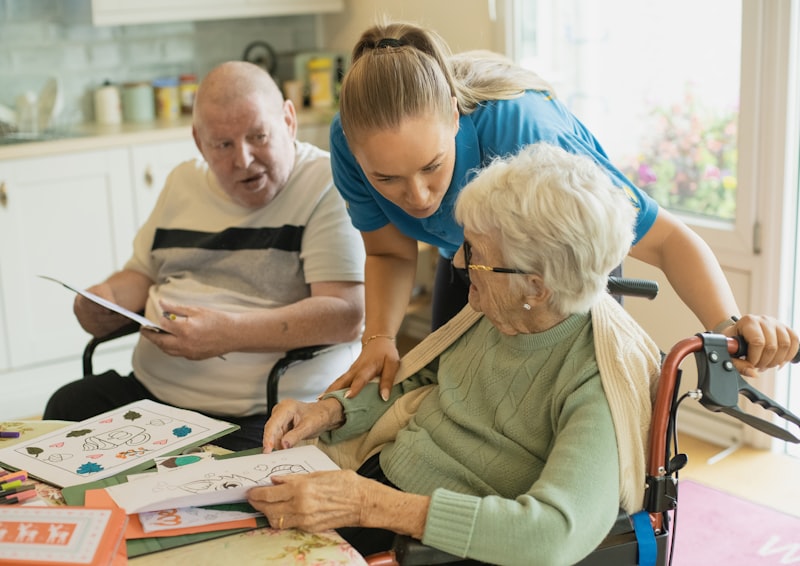
The Adult Home, often classified within the spectrum of long-term care, is a structured residential facility designed to provide supportive and supervised living accommodations for individuals, typically elders, who are no longer capable of maintaining independent residency. This inability stems from physical limitations, chronic health conditions requiring non-medical assistance, or mild cognitive impairments that necessitate regular oversight for safety. Unlike highly medicalized institutions such as hospitals or skilled nursing facilities, the Adult Home focuses primarily on providing custodial care, ensuring that residents receive help with essential Activities of Daily Living (ADLs). These activities include bathing, dressing, mobility assistance, and medication management, all delivered within an environment that strives to promote dignity and quality of life despite increasing dependency. The operational model is intrinsically linked to the concept of assisted living facilities and, historically, the term “rest homes,” though modern regulation seeks clearer differentiation based on the specific level of care mandated.
A core characteristic distinguishing the Adult Home is its emphasis on maintaining a social and communal environment, bridging the gap between complete independence and total institutionalization. Residents benefit from shared dining experiences, scheduled group activities, and readily available staff support, which drastically reduces the risk of isolation and neglect often associated with aging alone. The services provided are comprehensive but non-clinical, meaning they generally exclude intensive medical treatments or complex rehabilitation therapies. The facility acts as the resident’s primary residence, offering room and board alongside personalized care plans tailored to evolving individual needs. These plans are crucial for managing complex medication schedules, coordinating external medical appointments, and ensuring dietary requirements are met consistently, functioning as a vital safety net for mature individuals who cannot manage these tasks alone on a regular basis.
The fundamental purpose of the Adult Home is to provide a secure and nurturing setting when the challenges of self-care become insurmountable. This transition is often precipitated by a significant health event, the loss of a primary caregiver, or a gradual decline in functional capacity. For the individual, moving into an Adult Home represents a major life change involving the relinquishment of domestic autonomy, making the atmosphere and philosophy of the institution critical to successful adaptation. Effective Adult Homes prioritize resident autonomy within the constraints of safety, offering choices regarding daily routines, social participation, and personal space. The environment must be structured to maximize the resident’s remaining capabilities while mitigating risks associated with frailty, such as falls or mismanagement of health regimens. This careful balance of supervision and freedom is central to the ethical delivery of long-term custodial care.
Historical Context and Evolution of Care Models
The concept of institutional care for the elderly has deep roots, tracing back to charitable institutions and municipal poorhouses of earlier centuries. However, the specialized Adult Home, as recognized today, is largely a product of 20th-century social reforms aimed at creating dedicated environments for the aged outside the general medical system or the often-harsh poor relief structures. Prior to specialization, elders requiring care often found themselves in overcrowded, undifferentiated institutions, lacking specialized geriatric knowledge or compassionate attention. The evolution began with the recognition that aging requires specific social and supportive services distinct from acute medical needs. Early “rest homes” often operated with minimal regulation, but the post-World War II era saw a significant push toward standardized care, driven by growing government involvement in health and welfare policy, including the development of programs like Medicare and Medicaid, which redefined the financial landscape of elder care.
The mid-20th century marked a critical bifurcation in long-term care provision. While skilled nursing facilities developed to address complex medical needs following hospital stays, the Adult Home model emerged to serve those requiring long-term, non-medical support—the custodial population. This separation was vital for preventing the unnecessary medicalization of aging and ensuring that individuals whose primary need was assistance, not constant medical intervention, could reside in a less clinical, more home-like setting. This period saw the gradual phasing out of older, often substandard institutional settings and the development of state licensing standards specifically addressing the physical plant requirements, safety features, and staffing levels appropriate for a residential care environment. This shift reflected a growing societal value placed on the dignity and psychosocial well-being of the geriatric population, moving away from purely utilitarian housing toward environments designed for comfort and community.
Modern trends in Adult Home care continue this trajectory, emphasizing person-centered care models. These contemporary facilities strive to move away from the rigid, institutional schedules characteristic of older care homes. Instead, they focus on individual preferences, cultural backgrounds, and personalized routines. This philosophical shift acknowledges that residents maintain their unique identities and should have input into their daily lives, from meal times to activity choices. Future development is heavily influenced by demographic changes, particularly the rapid growth of the aging population, necessitating innovative approaches such as incorporating smaller, decentralized “household” designs and utilizing technology to enhance safety and communication without compromising privacy. The goal remains to provide high-quality support while maximizing the resident’s retained autonomy and integrating the facility into the broader community fabric.
Distinctions from Other Residential Care Facilities
Understanding the precise function of the Adult Home requires clear differentiation from other common residential care settings, primarily Assisted Living Facilities (ALFs) and Skilled Nursing Facilities (SNFs). The primary difference lies in the level of medical intensity and the resident’s required degree of independence. ALFs generally cater to a population that requires minimal assistance, often described as “supervisory care,” and emphasizes independent living with available support services. Residents in ALFs usually maintain significant mobility and cognitive function, utilizing services primarily for convenience, such as housekeeping or prepared meals, with only intermittent help for ADLs. The Adult Home often accommodates individuals with greater physical frailties or more pronounced cognitive deficits that require continuous monitoring and direct, hands-on assistance with multiple ADLs, placing it slightly higher on the dependency scale than typical assisted living.
Conversely, the distinction between an Adult Home and a Skilled Nursing Facility, often referred to as a nursing home or rest home in older terminology, is far more pronounced and legally critical. SNFs are fundamentally medical institutions providing 24-hour skilled nursing care, requiring the continuous presence of licensed nurses (RNs and LPNs) to administer complex medical treatments, including wound care, intravenous therapy, respiratory treatments, and intensive rehabilitation. Residents in SNFs are typically post-acute care patients or those with conditions demanding medical intervention that cannot be safely managed at home or in a custodial setting. The Adult Home, by regulation, does not provide this level of medical care; its staff focuses on personal care and health maintenance, often employing nurses to manage medication and liaise with physicians, but not to deliver continuous medical treatment. This regulatory boundary ensures that residents needing true medical intervention are appropriately placed in a facility equipped to handle those complexities.
The continuum of care model illustrates how residents may transition between these environments. An individual might begin in an Assisted Living Facility, transition to an Adult Home as their physical needs increase and they require more hands-on assistance, and finally move to a Skilled Nursing Facility if they develop a condition requiring continuous medical oversight, such as a severe stroke or advanced dementia requiring complex feeding or monitoring equipment. Adult Homes are designed to manage stable, chronic conditions; they are not equipped for acute instability. Therefore, robust discharge planning and coordination with external medical providers are essential components of their operational mandate, ensuring that if a resident’s condition deteriorates rapidly, they can be promptly transferred to a higher level of medical care. This transition management is critical for preventing unnecessary complications and ensuring resident safety.
Regulatory Framework and Licensing Standards
The operation of an Adult Home is heavily scrutinized and regulated, primarily at the state level, often overseen by a Department of Health or a Department of Social Services. These regulatory bodies establish stringent licensing standards designed to safeguard resident health, safety, and welfare. Licensing requirements cover a vast range of operational aspects, including the physical environment—mandating fire safety systems, accessibility standards (ADA compliance), adequate lighting, and sanitation protocols. Furthermore, regulations dictate policies regarding financial management, resident rights, and the handling of personal property. Compliance is maintained through unannounced inspections and detailed audits, which are critical mechanisms for identifying deficiencies and enforcing corrective actions, thereby ensuring that facilities consistently meet baseline standards of quality care.
A significant portion of the regulatory framework focuses on ensuring the protection of resident rights and establishing clear protocols for mandatory reporting. Residents are guaranteed rights concerning privacy, dignity, freedom from abuse or neglect, and the right to participate in decisions affecting their care. Regulatory bodies mandate transparent procedures for handling complaints and grievances, ensuring that residents or their representatives have effective channels for addressing concerns without fear of retaliation. Furthermore, all Adult Homes must adhere to strict guidelines concerning the reporting of any suspected abuse, neglect, or exploitation to state authorities. These protocols are fundamental to maintaining an ethical environment and holding staff and administrators accountable for the well-being of a vulnerable population, often requiring intensive training for all staff members on recognizing and reporting signs of mistreatment.
Staffing regulations constitute another crucial element of the licensing process. State mandates typically define minimum staffing ratios—the required number of direct care staff per resident—which often vary based on the time of day and the overall acuity level of the resident population. These regulations ensure that adequate personnel are available to assist residents with ADLs, respond to emergencies swiftly, and provide necessary supervision. Beyond quantity, the quality of staffing is also regulated, requiring specific training and certification for personnel, especially for those providing hands-on care, such as Certified Nursing Assistants (CNAs) or licensed practical nurses (LPNs). The goal is to ensure that the staff possesses the necessary competence in geriatric care, infection control, and emergency response, recognizing that the caliber of the staff is the most direct determinant of resident safety and satisfaction.
Psychological Impact on Residents
The transition into an Adult Home frequently carries significant psychological weight, often involving the trauma of relocation and the profound experience of loss of autonomy. For many elders, moving out of their long-term family residence signifies the end of self-sufficiency, triggering feelings of grief, depression, and anxiety. This adjustment period is critical, and the facility’s ability to mitigate these negative psychological effects is paramount. Residents must adapt to a communal living structure, sacrificing privacy and personal routine for the sake of safety and supervision. Successful psychological adjustment depends heavily on how the transition is managed, emphasizing continuity of relationships, personalized care, and ensuring the resident feels heard and respected throughout the process. Failure to address these psychological stressors can lead to withdrawal, resistance to care, and accelerated cognitive decline.
Maintaining cognitive function and emotional well-being relies heavily on the provision of meaningful social engagement and structured activities. Isolation and loneliness are serious risks within any institutional setting, and Adult Homes must proactively combat these issues through robust activity programming. These programs should be diverse, catering to various physical and cognitive capabilities, and include intellectual stimulation, physical exercise, creative outlets, and opportunities for social interaction. Examples include book clubs, gentle fitness classes, gardening programs, and intergenerational activities. The objective is not merely to occupy time but to provide residents with purpose and connection, which are vital components of psychological health. Furthermore, regular access to mental health professionals, such as social workers or geriatric psychologists, is essential for addressing clinical depression or anxiety that may arise or be exacerbated by the institutional setting.
A key focus in modern Adult Home care is the maintenance of personal identity and dignity. When an individual enters a residential facility, there is a risk that their identity becomes subsumed by their status as a “resident” or “patient.” High-quality Adult Homes employ strategies to counteract this by promoting personalization of living spaces, encouraging continued engagement in lifelong hobbies, and facilitating opportunities for residents to contribute to the community, perhaps through mentoring or administrative tasks. The physical and social environment must convey respect for the individual’s history and preferences. This commitment to dignity extends to care interactions, where staff are trained to approach personal care tasks with sensitivity, ensuring privacy and allowing residents to exercise choice wherever feasible, thus reinforcing the message that they are still autonomous adults, despite their dependencies.
Staffing and Professional Roles
The successful operation of an Adult Home relies on an interdisciplinary team, with direct care staff forming the foundational element. This team typically includes Certified Nursing Assistants (CNAs) or similar direct care workers who spend the most time with residents, assisting with hygiene, mobility, feeding, and social interaction. These roles demand not only physical stamina but immense patience and emotional resilience, as they often deal with complex behaviors and the emotional challenges faced by the residents. The high turnover rate often associated with these positions underscores the necessity for strong administrative support, competitive compensation, and continuous specialized training in geriatric care, dementia management, and effective communication techniques. The caliber and consistency of this frontline staff directly impact the daily quality of life and safety within the home.
The role of nurses within the Adult Home setting is critical, directly addressing the requirement for professional management of the residents’ health needs without crossing into acute medical care. Licensed Practical Nurses (LPNs) or Registered Nurses (RNs) are employed to manage complex medication administration schedules, monitor vital signs, assess changes in resident health status, and serve as the essential link between the resident, the direct care staff, and external physicians. As the original content noted, many nurses find jobs in adult homes because of the steady need for qualified professionals to manage mature individuals who cannot care for themselves alone on a regular basis. Their responsibilities often include developing and overseeing individualized service plans, ensuring compliance with physician orders, and performing immediate triage in non-emergency health events, coordinating transfers to higher levels of care when necessary, thereby acting as the primary clinical gatekeepers of the facility.
Beyond clinical and direct care roles, a variety of ancillary professionals contribute to the holistic well-being of the residents. This includes dietary specialists who ensure nutritional needs are met, activities directors who structure engaging social and recreational programs, and social workers or case managers who assist residents and families with financial planning, psychological adjustment, and accessing external resources. The presence of social workers is particularly important for managing complex family dynamics, advocating for resident rights, and facilitating smooth transitions, whether into the facility or to hospice or higher levels of medical care. This comprehensive, team-based approach ensures that all facets of the resident’s needs—physical, nutritional, emotional, and social—are addressed cohesively, reflecting the complexity inherent in long-term elder care.
Ethical Considerations and Future Trends
The operation of Adult Homes often necessitates navigating complex ethical dilemmas, primarily revolving around the balance between safety and autonomy. While facilities are mandated to ensure a safe environment, imposing overly restrictive measures—such as strict schedules, limitations on personal items, or, historically, physical or chemical restraints—can severely erode a resident’s freedom and sense of self. Ethical practice requires continuous critical evaluation of policies to maximize resident choice while minimizing preventable harm. This is particularly challenging when caring for residents with advanced dementia or other cognitive impairments, where decisions regarding medical treatment, financial management, and daily routines must be made by designated proxies or through informed consent processes that respect the resident’s previously expressed wishes, necessitating careful adherence to power of attorney and guardianship laws.
Financial accessibility and equity remain significant ethical and practical challenges for the Adult Home sector. While some facilities cater to private-pay clientele, many rely heavily on government funding programs, primarily Medicaid, to serve lower-income elders. The reimbursement rates provided by these public programs often place severe constraints on operational budgets, making it difficult for facilities to invest heavily in maintenance, technology, and competitive staffing wages. This creates a systemic tension between the desire to provide high-quality, compassionate care and the financial realities of doing so affordably. Future policy discussions must address how to ensure equitable access to high-quality residential care for all socioeconomic strata, preventing a two-tiered system where only those with substantial private resources can afford superior living environments and staffing levels.
Looking forward, the Adult Home model is poised for significant transformation, driven by technological advancements and shifts in geriatric philosophy. Future trends include the integration of technology for enhanced monitoring, such as ambient sensors and telehealth systems, which allow staff to proactively manage resident health issues and intervene before crises occur, all while respecting privacy. There is also a pronounced movement toward specialization, with more facilities developing dedicated units for specific needs, such as secure memory care wings for individuals with advanced Alzheimer’s or dementia. Finally, the growing preference for “aging-in-place” models challenges the necessity of institutionalization, pushing Adult Homes to become more integrated, flexible service providers, potentially offering community-based services that support individuals in their own homes for as long as possible before full residency is required.