Adventitious Deafness: Navigating Life After Hearing Loss
Scientifically Reviewed · Dr. Marwa Abd-Alazim · September 1, 2026
Review Criteria & Clinical Standards
This content undergoes rigorous scientific peer-review and medical editorial standards at Arab Psychology Network to ensure clinical accuracy, validity, and compliance with evidence-based guidelines from leading psychological and healthcare authorities (APA / WHO).
Definition and Scope of Adventitious Deafness
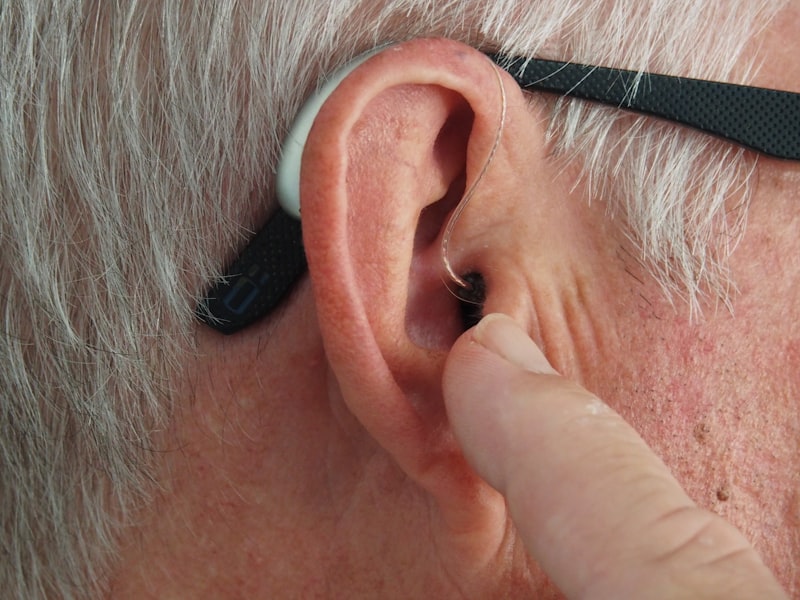
Adventitious deafness refers specifically to a significant reduction in auditory ability, ranging from moderate hearing loss to total deafness, which manifests after an individual has experienced a period of standard, functional auditory capability. This condition is fundamentally characterized by its onset being subsequent to the establishment of normal hearing development, typically occurring after birth and often after the acquisition of language skills. The crucial differentiator of adventitious deafness is the acquired nature of the deficit, stemming from damage, disease, or toxic exposure that affects the peripheral or central auditory system following a timeframe where hearing was considered intact and functional. The term encompasses a wide spectrum of severity and etiology, demanding precise diagnostic protocols to identify the underlying cause and determine the most effective intervention pathway.
The scope of adventitious deafness is broad, covering both partial hearing loss (where residual hearing remains) and profound deafness (a near-total inability to perceive sound). The impact is highly dependent on the age of onset relative to the critical period of language development. If the loss occurs after fluent speech and language are established, it is categorized as post-lingual deafness, which significantly influences rehabilitation strategies, focusing on maintaining existing speech skills and utilizing visual and technological aids. Conversely, if the loss occurs during early childhood development but after birth (e.g., due to severe childhood illness), it is still technically adventitious, but may carry characteristics of pre-lingual deafness concerning language acquisition challenges, necessitating intensive speech and language therapy alongside auditory rehabilitation.
Understanding the pathology is central to defining adventitious deafness, as the auditory reduction always stems from an identifiable event or ongoing pathological process. This might involve damage to the delicate hair cells within the cochlea (sensorineural loss), obstruction or damage within the outer or middle ear (conductive loss), or a combination of both (mixed loss). The temporal relationship—that the deficit occurred after a period of normal function—is paramount. For instance, if an adult suddenly develops bilateral profound hearing loss following a bout of bacterial meningitis, this is a classic example of adventitious deafness, requiring immediate specialized medical attention to prevent further deterioration and initiate the process of auditory rehabilitation and adjustment to the acquired deficit.
Etiological Distinction: Adventitious vs. Congenital Deafness
The most critical distinction in audiology is separating adventitious deafness from congenital deafness, a condition where hearing loss is present at birth, regardless of whether it is identified immediately or later in infancy. While both conditions result in auditory impairment, the timing of onset dictates entirely different developmental trajectories and management requirements. Congenital deafness impacts the foundational development of speech and language, requiring intervention aimed at establishing communication pathways where none previously existed. Adventitious deafness, conversely, imposes a barrier upon existing, established communication skills, forcing the affected individual to adapt and reorganize their sensory input structure.
The implications for language and communication are profound. Individuals with post-lingual adventitious deafness retain the neural mapping and memory associated with spoken language, meaning their challenge lies primarily in accessing the auditory information they already know how to process. Rehabilitation can focus heavily on technological amplification (hearing aids or cochlear implants) and auditory training to maximize the utilization of residual hearing or newly provided electrical stimulation. In contrast, congenital deafness requires intense focus on language acquisition itself, often involving visual language systems like American Sign Language (ASL) or highly specialized auditory-verbal therapy, depending on the intervention chosen.
Furthermore, the underlying causes often differ significantly. Congenital deafness is frequently linked to genetic factors, prenatal infections (such as Cytomegalovirus), or birth complications. Adventitious deafness, however, is overwhelmingly attributed to postnatal acquired factors. These include exposure to ototoxic medications, severe infectious diseases, physical trauma, or age-related degeneration (presbycusis, which, being acquired, is technically a form of adventitious hearing loss). While certain genetic conditions have delayed onset (e.g., some forms of progressive hearing loss), the term adventitious primarily highlights the environmental, pathological, or toxic trigger that led to the subsequent loss of previously functional hearing.
Primary Causes and Pathophysiology
The etiologies leading to adventitious deafness are diverse, typically categorized into infectious, traumatic, toxic, vascular, and autoimmune sources. A major category involves ototoxicity, the detrimental effect of certain pharmaceutical agents on the inner ear structures. Common culprits include aminoglycoside antibiotics (like gentamicin), high-dose loop diuretics, and platinum-based chemotherapy drugs (such as cisplatin). These medications accumulate in the cochlear fluid and damage the sensory hair cells, leading to irreversible sensorineural hearing loss. The degree of damage is often dose-dependent and cumulative, necessitating careful monitoring when these life-saving drugs must be administered.
Infectious diseases represent another significant cause, particularly those that cross the blood-brain barrier or directly impact the inner ear structures via the labyrinthine route. Meningitis, especially bacterial meningitis, is notorious for causing profound bilateral sensorineural hearing loss due to inflammation and subsequent fibrosis within the cochlea. Viral infections such as mumps, measles, and varicella-zoster (Shingles) can also cause sudden, unilateral or bilateral hearing loss by directly targeting the cochlear nerve or the inner ear tissues. Less common but important are autoimmune disorders like Cogan’s syndrome, where the body’s immune system mistakenly attacks the inner ear, causing fluctuating and progressive sensorineural loss that requires immunosuppressive therapy.
Physical damage and environmental exposure also contribute heavily to adventitious loss. Acoustic trauma, resulting from a single, high-intensity noise exposure (e.g., an explosion or gunshot near the ear), or Noise-Induced Hearing Loss (NIHL), stemming from chronic exposure to loud occupational or recreational sounds, progressively damages the outer hair cells. Head trauma, specifically temporal bone fractures, can directly disrupt the middle ear ossicles (conductive loss) or cause concussive damage to the inner ear (sensorineural loss) or the auditory pathway itself. Furthermore, sudden vascular events, such as thrombosis or hemorrhage affecting the cochlear blood supply, are frequently implicated in cases of sudden sensorineural hearing loss (SSNHL), an urgent medical condition often treated with high-dose steroids.
Classification by Location and Severity
Adventitious deafness is classified according to the specific location of the damage within the auditory system and the resulting severity of the hearing reduction. Location-based classification divides the loss into conductive, sensorineural, or mixed. Sensorineural hearing loss (SNHL), which accounts for the vast majority of permanent adventitious deafness, involves damage to the cochlea (sensory component) or the auditory nerve (neural component). This type of loss is typically permanent and often results in difficulties not just with volume, but with clarity and speech understanding, particularly in noisy environments. Conductive loss, resulting from issues in the outer or middle ear (e.g., chronic otitis media, tympanic membrane perforation, or otosclerosis), often responds well to medical or surgical intervention, though chronic, untreated conductive issues can also be classified as adventitious deafness.
Severity is measured objectively using audiometric thresholds, typically categorized across a standardized scale based on the average hearing loss in decibels (dB HL). This spectrum ranges from mild loss (26-40 dB HL), where soft speech may be missed, to profound deafness (91+ dB HL), where the individual cannot hear even the loudest sounds and relies heavily on visual communication or technological intervention. The degree of loss dictates the appropriate technological solution; mild to severe losses are usually addressed effectively with powerful hearing aids, while profound bilateral loss often requires evaluation for a cochlear implant, which bypasses the damaged cochlea entirely to stimulate the auditory nerve directly.
The pattern and progression of the loss further refine the classification. Adventitious deafness may be sudden, occurring almost instantaneously (as seen with acoustic trauma or vascular occlusion), or gradual and progressive (as is common with ototoxicity, aging, or certain autoimmune conditions). The laterality—unilateral (affecting one ear) or bilateral (affecting both ears)—is also a crucial determinant of functional impact. Unilateral deafness can severely impair sound localization and understanding speech in complex listening situations, a phenomenon known as the “head shadow effect.” Bilateral loss, especially when severe or profound, necessitates immediate and intensive rehabilitation to restore or establish communication function.
Diagnostic Protocols and Audiometric Assessment
The accurate diagnosis of adventitious deafness requires a meticulous, multi-stage protocol combining detailed medical history, physical examination, and comprehensive audiometric testing. The initial step involves establishing the timeline of onset, identifying any preceding events such as infections, head trauma, or the initiation of ototoxic medications, which are critical clues for determining etiology. A thorough physical examination by an otolaryngologist (ENT specialist) is necessary to rule out conductive causes, such as cerumen impaction or middle ear effusion, and to visualize the tympanic membrane integrity.
The core of the diagnosis lies in audiometric assessment. This battery of tests includes pure-tone audiometry, which determines the quietest tones an individual can hear across different frequencies via air conduction (testing the entire auditory system) and bone conduction (testing only the inner ear). Comparing these thresholds helps localize the lesion (conductive vs. sensorineural). Further essential components include speech audiometry, which measures the Speech Reception Threshold (SRT) and the Word Recognition Score (WRS). A low WRS despite adequate amplification strongly suggests sensorineural damage, particularly a neural component, indicating difficulty processing complex sound signals.
Beyond behavioral testing, objective measures are often deployed, particularly when diagnosing retrocochlear pathology (damage behind the cochlea). Tympanometry assesses middle ear function and compliance, while Acoustic Reflex Testing evaluates the integrity of the reflex arc, often indicating the site of lesion. For cases of sudden or asymmetric loss, or when a retrocochlear cause like an acoustic neuroma (vestibular schwannoma) is suspected, medical imaging, specifically magnetic resonance imaging (MRI) of the internal auditory canal and brainstem, is standard protocol. Blood tests may also be required to screen for infectious markers (syphilis, CMV) or autoimmune indicators that could be the root cause of the acquired auditory deficit.
Psychosocial and Cognitive Implications
The sudden or even gradual onset of adventitious deafness carries significant psychosocial ramifications that extend far beyond the physiological loss of hearing. For individuals who have spent their lives relying on auditory cues for communication, safety, and social interaction, the acquisition of deafness can lead to a severe sense of loss and grief, often mirroring the stages of mourning. Anxiety, frustration, and clinical depression are common sequelae, particularly when the loss is sudden and profound, disrupting established vocational and personal identities.
Social isolation is a pervasive challenge. Communication breakdown is a primary source of difficulty, leading affected individuals to withdraw from social settings, particularly those that are noisy or involve multiple speakers. This withdrawal can erode social support networks and lead to significant feelings of loneliness. In the professional sphere, adventitious deafness often necessitates workplace accommodations or, in severe cases, forces career changes, leading to financial stress and a further diminishment of self-esteem. The difficulty in perceiving environmental alerts (e.g., sirens, doorbells) also introduces genuine safety concerns, increasing reliance on visual cues and technology.
Cognitively, the effort required to process auditory information with reduced input—whether through listening fatigue associated with hearing aid use or the intense concentration needed for lip-reading—imposes a substantial cognitive load. This constant strain can detract from working memory and executive function, impacting overall cognitive performance and daily functioning. Furthermore, untreated or inadequately managed adventitious deafness can lead to auditory deprivation, where the brain gradually loses its ability to interpret sound signals, potentially accelerating age-related cognitive decline, underscoring the necessity of prompt and effective intervention.
Management Strategies and Rehabilitation
The management of adventitious deafness is multifaceted, beginning with addressing any potentially treatable underlying medical condition. For cases of Sudden Sensorineural Hearing Loss (SSNHL), particularly those deemed idiopathic or linked to viral or vascular causes, immediate treatment often involves high-dose systemic or intratympanic corticosteroids, which aim to reduce inflammation and potentially salvage damaged inner ear tissue. If an active infection or autoimmune process is identified, targeted antibiotic or immunosuppressive therapies are initiated concurrently with audiologic intervention.
Technological intervention forms the backbone of long-term management. For most forms of adventitious hearing loss, the prescription of modern digital hearing aids is primary. These devices are sophisticated, offering features like directional microphones, noise reduction algorithms, and frequency lowering to enhance speech clarity and access to high-frequency sounds that are often the first to be lost. Where hearing aids provide insufficient benefit—typically in cases of profound bilateral sensorineural deafness—a cochlear implant (CI) evaluation becomes necessary. CIs surgically bypass the damaged cochlea to stimulate the auditory nerve directly, offering access to sound and speech understanding, especially when the loss occurred post-lingually, allowing the brain to quickly reintegrate the established language knowledge with the new electrical auditory input.
Crucially, management extends beyond devices to comprehensive aural rehabilitation (AR). AR involves structured programs designed to maximize communication function and adjustment. Key components include auditory training (teaching the brain to interpret sound and speech with reduced input), instruction in communication strategies (e.g., managing noise, assertive communication), and extensive training in visual communication, such as speech reading (lip-reading). Counseling and psychological support are integral to help individuals cope with the emotional impact of the loss, manage expectations regarding device performance, and successfully integrate their new communication reality into their daily lives and relationships.
Prognosis and Quality of Life
The prognosis for individuals with adventitious deafness is highly variable and depends heavily on the etiology, the severity of the loss, and the swiftness and appropriateness of intervention. Generally, losses that occur suddenly but are treated aggressively within the first few weeks (such as SSNHL) have a higher chance of partial recovery. Progressive or age-related losses, while permanent, have a good prognosis for functional improvement provided effective amplification or implantation is utilized early and consistently. Untreated hearing loss carries a poor prognosis for long-term communication efficacy and cognitive health.
The ultimate goal of managing adventitious deafness is not the restoration of ‘normal’ hearing, but the optimization of functional communication and the maximization of the individual’s overall quality of life (QoL). Successful outcomes are typically achieved through a dedicated multidisciplinary team approach involving otologists, audiologists, speech-language pathologists, and mental health professionals. Metrics for success include improved performance in speech recognition scores, reduced feelings of social isolation, and enhanced participation in daily activities. Technological advancements, particularly in cochlear implant technology and digital hearing aid processing, continually improve the potential for restoring high levels of communication competency.
Maintaining a high quality of life involves both individual effort and societal support. Individuals must commit to consistent use of their devices and active participation in rehabilitation programs. On a broader level, advocacy for accessibility, including the provision of Assistive Listening Devices (ALDs) in public spaces, captioning services, and workplace accommodations, is necessary to mitigate the disability associated with the auditory deficit. By integrating technology, rehabilitation, and robust social support systems, individuals experiencing adventitious deafness can successfully adapt and maintain meaningful, fulfilling lives, despite the permanent change in their sensory input capabilities.