Vestibular Reflexes: Why Your Eyes Keep Spinning
Scientifically Reviewed · Dr. Marwa Abd-Alazim · August 27, 2026
Review Criteria & Clinical Standards
This content undergoes rigorous scientific peer-review and medical editorial standards at Arab Psychology Network to ensure clinical accuracy, validity, and compliance with evidence-based guidelines from leading psychological and healthcare authorities (APA / WHO).
Defining After-Nystagmus
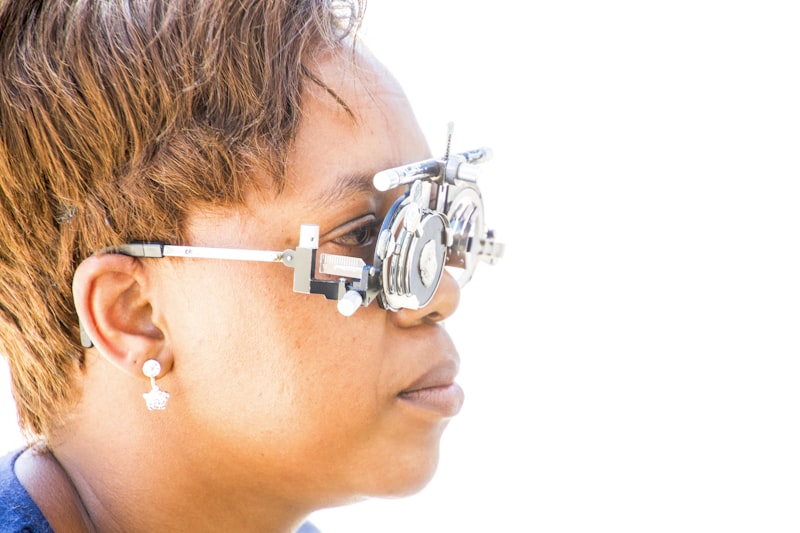
After-nystagmus, often abbreviated as AN, is a highly specific physiological phenomenon defined as the sustained, involuntary mobility of the eyeballs occurring immediately following the cessation of continuous head or body rotation. It represents a fundamental component of the vestibular system’s reflexive response mechanism, specifically the failure of the system to instantly reset following a powerful kinetic stimulus. While the primary objective of the vestibular system is to maintain visual stability during movement—a process known as the vestibulo-ocular reflex (VOR)—after-nystagmus highlights the inertial properties inherent in the sensory apparatus. This post-rotational response is characterized by a biphasic eye movement pattern: a slow phase that attempts to track the perceived (but non-existent) residual motion, and a rapid, corrective quick phase that resets the eye position. Crucially, the direction of the fast phase of the after-nystagmus is always in the opposing direction to the previously experienced head rotation, a direct consequence of the physics governing fluid dynamics within the inner ear. Understanding this phenomenon is paramount in neuro-otology, as its parameters—duration, amplitude, and decay rate—provide invaluable insights into the functional integrity of central vestibular pathways.
The initial stimulus that triggers after-nystagmus is typically prolonged angular acceleration followed by abrupt deceleration or a sustained period of constant velocity rotation that is suddenly terminated. During rotation, the fluid (endolymph) within the semicircular canals lags behind the bony labyrinth due to inertia, causing the gelatinous cupula to deflect and stimulate the hair cells, thus initiating the primary vestibular nystagmus (PVN). When the rotation ceases, the momentum of the endolymph continues briefly, but critically, it soon begins to move in the opposite direction relative to the head’s static position, resulting in a deflection of the cupula opposite to the original stimulus. This mechanical reversal generates the perceived sensation of rotation in the reverse direction, thereby triggering the compensatory eye movements characteristic of after-nystagmus. The persistence of this response, even after the mechanical stimulus has fully decayed, is mediated by complex neural circuits, particularly the velocity storage mechanism (VSM), which effectively extends the duration of the response beyond the physical decay time of the peripheral input.
From a clinical perspective, the quantification of after-nystagmus serves as a powerful diagnostic tool, particularly when utilizing specialized rotational chair testing. The characteristics of the after-nystagmus response, such as whether it is abnormally prolonged or diminished, can localize pathologies within the vestibular system. For instance, a significantly reduced or absent after-nystagmus often suggests a peripheral vestibular deficit, indicating damage to the labyrinth or the vestibular nerve. Conversely, abnormalities in the decay time constant, specifically a prolongation of the response, frequently point toward central nervous system involvement, particularly lesions or dysfunctions within the brainstem or cerebellum, structures responsible for modulating and integrating vestibular signals. Therefore, after-nystagmus is not merely a transient curiosity but a reliable physiological marker reflecting the dynamic balance and central processing capabilities of the human equilibrium system.
The Neurophysiological Basis of Vestibular Function
The foundation of after-nystagmus resides entirely within the intricate architecture of the peripheral and central vestibular systems. The primary sensory organs are the three pairs of semicircular canals—horizontal, anterior, and posterior—located within the inner ear. These canals are filled with endolymph and function as highly sensitive angular accelerometers. When the head rotates, the inertia of the endolymph causes it to lag, exerting pressure upon the cupula, a flexible diaphragm that houses the sensory hair cells. This deflection results in the mechanical opening of ion channels, leading to depolarization or hyperpolarization of the hair cells, which, in turn, transmits neural signals via the vestibular nerve to the vestibular nuclei located in the brainstem. This pathway is responsible for translating rotational movement into electrical signals that govern posture, balance, and the critical VOR, the reflex that stabilizes gaze during head movement.
The vestibular nuclei act as the central processing hub, receiving input not only from the peripheral labyrinth but also extensive modulatory input from the cerebellum, spinal cord, and visual centers. These nuclei distribute signals to various motor centers, including the oculomotor nuclei (III, IV, VI), which control the extrinsic eye muscles. During continuous rotation, the sustained input from the canals drives the primary nystagmus. The slow phase of this nystagmus is an eye movement intended to hold the image steady on the retina by moving the eyes opposite to the head rotation, while the fast phase is a rapid saccadic movement that resets the eye position back toward the center of the orbit, preventing the eyes from reaching the physical limit of their movement range. This continuous cycle maintains gaze stability, although it relies on the ongoing rotational input.
The transition from primary nystagmus to after-nystagmus is fundamentally dictated by the physical dynamics of the inner ear fluid combined with the central processing architecture, particularly the concept of the velocity storage mechanism (VSM). When rotation abruptly ceases, the mechanical drive (cupula deflection) rapidly diminishes, usually within seconds. However, the neural signal for rotation persists for a significantly longer period. The VSM, believed to reside primarily in the medial and superior vestibular nuclei and heavily modulated by the cerebellum, integrates the incoming velocity signal, effectively extending the time constant of the vestibular response from the short mechanical decay time (approximately 5–7 seconds) to a much longer neural decay time (typically 10–25 seconds in humans). This neural persistence tricks the brain into perceiving continued rotation in the opposite direction, thereby driving the after-nystagmus.
Mechanism of After-Nystagmus Generation
The generation of after-nystagmus is a two-step process rooted in the physics of inertia and the neurophysiology of signal integration. The first step involves the mechanical reversal upon deceleration. When the constant rotation stops, the endolymph fluid, which had been moving at the same speed as the body, momentarily continues its movement due to inertia. However, the body of the canals is now static. This relative motion causes the cupula to deflect in the exact opposite direction compared to its deflection during the initial acceleration phase. This reversed mechanical signal instantaneously signals to the brain that the head is now rotating in the direction opposite to the original motion, initiating the first phase of the after-nystagmus (AN I). The slow phase of AN I is therefore directed opposite to the original rotation, with the quick phase beating in the direction of the original rotation.
The second, and more prolonged, step involves the crucial intervention of the velocity storage mechanism (VSM). Without the VSM, the after-nystagmus would decay rapidly, mirroring the mechanical time constant of the cupula deflection. However, the VSM maintains a record of the input velocity, acting like a leaky integrator that prolongs the duration of the vestibular response. This neural integrator allows the compensatory eye movements to persist long after the physical stimulus has vanished, enhancing the VOR’s effectiveness at lower frequencies of head movement. The decay rate of the after-nystagmus is a direct measure of the time constant of this VSM. In healthy subjects, this decay is predictable and exponential. Any deviation from this characteristic decay pattern—such as an extremely prolonged time constant—strongly suggests central pathology, particularly dysfunction in the cerebellar structures (nodulus and uvula) that are known to regulate the VSM.
The magnitude and duration of after-nystagmus are highly dependent on the intensity and duration of the preceding rotational stimulus. A longer, higher-velocity rotation will saturate the vestibular organs and the VSM, leading to a more intense and often longer-lasting after-nystagmus response. Furthermore, the characteristics of the after-nystagmus reflect the physiological differences between the various semicircular canals. While horizontal after-nystagmus is the most commonly studied and robust form, rotation about other axes can elicit vertical or torsional after-nystagmus components, reflecting the specific canal pairs stimulated. The precise measurement of the slow-phase velocity (SPV) decay curve during the after-nystagmus phase provides neurophysiologists with quantitative data regarding the efficacy of the VOR and the functional status of the brain’s integrative centers.
Types and Phases of After-Nystagmus
After-nystagmus is typically described in terms of two distinct phases that occur sequentially following the termination of rotation: Primary After-Nystagmus (AN I) and Secondary After-Nystagmus (AN II). The primary phase, AN I, begins immediately upon deceleration. As detailed previously, the fast phase of AN I beats in the direction of the preceding rotation, driven by the reversed mechanical flow of the endolymph and sustained by the VSM. This phase is usually the strongest and most easily quantified component of the post-rotational response, peaking almost instantly and decaying exponentially over a period of 10 to 30 seconds, depending on the stimulus intensity and individual physiology. It is during AN I that the crucial clinical measurements of maximum slow-phase velocity and the time constant of decay are determined.
Following the decay of AN I, a weaker and often less reliable phase known as Secondary After-Nystagmus (AN II) may emerge. AN II is characterized by a reversal of the nystagmus direction; its fast phase beats opposite to the direction of the preceding rotation. The exact mechanism driving AN II remains a subject of ongoing research, but it is generally attributed to an overshoot or rebound phenomenon within the central velocity storage network. It is believed to represent the system’s overcompensation for the sustained signal generated by the VSM during AN I. AN II is typically lower in frequency and amplitude than AN I and may be absent entirely in some subjects or under certain testing conditions. While AN I primarily reflects the integration and storage capabilities of the VSM, the presence and characteristics of AN II are often cited as indicators of the non-linear properties and complex central modulation of vestibular responses.
The quantitative assessment of after-nystagmus relies on measuring several key parameters, which are essential for clinical diagnosis and research standardization. These metrics allow clinicians to compare patient responses to established norms and identify asymmetric or pathological patterns.
- Maximum Slow-Phase Velocity (SPVmax): This represents the peak intensity of the eye movement during AN I, typically occurring within the first few seconds after rotation stops. It reflects the peak neural signal generated by the vestibular system.
- Time Constant of Decay (T): This is arguably the most critical parameter, defining the time required for the SPV to decay to 37% of its maximum value. It is a direct measure of the efficiency and capacity of the velocity storage mechanism.
- Duration: The total time the nystagmus persists until it is no longer measurable. Pathological prolongation or early cessation can both indicate significant vestibular dysfunction.
Clinical Significance and Assessment
The measurement of after-nystagmus forms the cornerstone of objective clinical testing for the integrity of the peripheral and central vestibular pathways, primarily through the use of the rotational chair test (RCx). The RCx involves seating the patient in a precisely controlled motorized chair, often in total darkness or with infrared video recording of the eyes to eliminate visual fixation suppression. The chair executes specific velocity profiles—typically sinusoidal oscillation or constant velocity step rotation—which stimulate the horizontal semicircular canals symmetrically. The resulting nystagmus, both during rotation (PVN) and after rotation (AN), is recorded using electro-oculography (EOG) or video-oculography (VOG).
The clinical utility of measuring after-nystagmus is vast. In cases of unilateral vestibular hypofunction (damage to one ear), the rotational chair reveals a directional preponderance in the nystagmus. While the PVN might show asymmetry during rotation, the AN phase is crucial for quantifying the overall extent of the lesion. If the peripheral system is compromised bilaterally, the entire VOR gain is reduced, and consequently, the after-nystagmus response may be severely diminished or entirely absent, reflecting the inability of the damaged canals to generate the necessary signal. Conversely, if the pathology lies centrally—for example, in the cerebellum—the primary nystagmus might appear relatively normal, but the decay time constant of the after-nystagmus will often be pathologically prolonged because the central braking mechanism (the cerebellar flocculus/nodulus) is impaired, leading to an over-reliance on the VSM.
Interpreting the RCx results necessitates a detailed analysis of the AN parameters. A key metric is the ratio of maximum SPV of AN I compared to the actual rotational velocity, which yields the VOR gain. Reduced gain and reduced AN duration are markers for peripheral loss, while abnormalities in the phase and time constant of AN point toward central regulatory issues. The ability to precisely quantify these subtle temporal dynamics makes the after-nystagmus measurement superior to simple static balance tests, providing a frequency-specific assessment of the VOR. Furthermore, repeated measurements of after-nystagmus over time can be used to monitor recovery or compensation following acute vestibular events, such as vestibular neuritis, or to track the efficacy of vestibular rehabilitation therapy (VRT), which aims to induce central habituation.
Neurological and Pathological Correlates
The presence and characteristics of after-nystagmus are highly susceptible to various neurological conditions and systemic pathologies, making it a critical biomarker for CNS dysfunction. The most significant central modulators of after-nystagmus are the structures surrounding the fourth ventricle, including the cerebellum and specific brainstem nuclei. Damage to the cerebellar nodulus and uvula, which are responsible for adaptive control and regulating the VSM, typically results in a marked prolongation of the after-nystagmus time constant. This prolongation occurs because the inhibitory signals that normally cause the VSM to “leak” or decay are weakened, allowing the integrated velocity signal to persist unnaturally long after the physical stimulus has ceased. This observation is vital in localizing cerebellar lesions that might otherwise present with subtle or non-specific symptoms.
Furthermore, conditions affecting the general integrity of the brainstem, such as vascular incidents, demyelinating diseases (e.g., multiple sclerosis), or certain tumors, can disrupt the complex circuitry connecting the vestibular nuclei to the oculomotor system, leading to erratic or asymmetrical after-nystagmus responses. The original content specifically noted that “Patients experiencing seizures often experience after-nystagmus too.” This connection highlights the disruption of normal brain electrical activity. Epileptic activity, particularly if originating in or spreading to brainstem areas or temporal lobes involved in spatial orientation, can transiently interfere with the VSM and the VOR pathways, leading to abnormal nystagmus patterns, including post-ictal (after-seizure) after-nystagmus. This temporary dysfunction reflects the widespread impact of uncontrolled neural discharge on equilibrium control mechanisms.
Beyond structural lesions, after-nystagmus is also highly sensitive to pharmacological influences. Many medications, particularly those that act on the central nervous system, such as sedatives (barbiturates, benzodiazepines), alcohol, and certain antiepileptic drugs, can significantly alter the duration and intensity of after-nystagmus. These substances often depress overall central excitability or interfere with neurotransmitter systems (like GABAergic pathways) that modulate the VSM. For example, acute alcohol intoxication is known to cause positional alcohol nystagmus, but it also profoundly affects the post-rotational response, often leading to a prolonged and exaggerated after-nystagmus, reflecting impaired central adaptation and clearance mechanisms. Consequently, AN measurement can be used in forensic and clinical toxicology settings to objectively assess levels of CNS impairment.
Differential Diagnosis and Distinctions
It is essential to distinguish after-nystagmus from other forms of pathological and physiological nystagmus, as the underlying mechanisms and diagnostic implications are vastly different. After-nystagmus is inherently transient and stimulus-dependent; it is specifically evoked by the termination of a strong rotational stimulus and decays predictably. This characteristic differentiates it from several other forms of involuntary eye movement:
- Spontaneous Nystagmus (SN): SN occurs without any deliberate stimulus and persists when the patient is sitting still. While acute unilateral vestibular loss can cause SN, after-nystagmus is the predictable response following specific kinetic input.
- Positional Nystagmus: This is evoked by changes in head position relative to gravity (e.g., in Benign Paroxysmal Positional Vertigo, BPPV). Unlike AN, which involves angular acceleration receptors (canals), positional nystagmus involves the gravity receptors (otolith organs) and is typically short-lived and fatigable.
- Gaze-Evoked Nystagmus (GEN): GEN only appears when the eyes are held eccentrically (away from the center). It is usually a marker of cerebellar or brainstem pathology and is absent when the eyes are centered, whereas after-nystagmus occurs regardless of gaze position immediately following rotation.
Furthermore, the directionality of after-nystagmus is strictly horizontal in standard rotational testing and follows the rules dictated by the VOR mechanism. Pathological central nystagmus, such as downbeat or upbeat nystagmus, involves vertical or torsional components that are independent of recent rotation and are highly indicative of structural brainstem or cerebellar disease. The predictable, horizontal, and decaying nature of AN is thus its defining characteristic, allowing clinicians to use its parameters as a baseline against which pathological deviations can be measured. A failure of AN to decay, or the introduction of vertical components during the post-rotational phase, immediately raises suspicion of a central integrative disorder.
The concept of symmetry is also crucial for differential diagnosis. In healthy individuals, after-nystagmus elicited after clockwise rotation should be quantitatively symmetrical to the response elicited after counter-clockwise rotation. Significant directional asymmetry in AN, where the response is stronger in one direction than the other, is a primary indicator of a peripheral imbalance, such as a partially recovered vestibular neuritis or labyrinthitis, or a central lesion causing directional preponderance. Analyzing this symmetry is a powerful technique for localizing the side of the lesion, which is a key advantage of rotational chair testing over caloric testing, which can sometimes be less precise in quantifying bilateral function.
Adaptation and Habituation
The magnitude and duration of after-nystagmus are not fixed but are subject to significant modification through neuroplasticity, specifically through the processes of vestibular adaptation and habituation. Vestibular adaptation refers to the long-term, compensatory changes in the VOR gain and phase that occur to ensure visual stability. This process allows the brain to recalibrate the VOR in response to persistent sensory mismatch, such as wearing corrective lenses or dealing with a recovering peripheral lesion. The adaptive changes often involve the cerebellum, which acts as the error detector, adjusting the input-output characteristics of the VOR arc. This adaptation can subtly influence the resting time constant of the after-nystagmus, refining the system’s ability to maintain equilibrium.
Vestibular habituation, in contrast, refers to the systematic reduction in the intensity and duration of the vestibular response, including after-nystagmus, following repeated exposure to the same stimulus. Individuals in professions involving chronic rotational exposure—such as acrobats, fighter pilots, or astronauts—demonstrate profound habituation. Repeated rotational stimuli lead to a significant shortening of the after-nystagmus time constant, meaning the VSM “learns” to discharge the stored velocity signal more rapidly. This reduction is a protective mechanism that minimizes symptoms like dizziness and nausea associated with prolonged nystagmus. The neural basis for habituation is complex but involves alterations in the synaptic efficiency within the central vestibular network, often mediated by cerebellar dampening signals.
The study of after-nystagmus habituation is clinically relevant in the context of vestibular rehabilitation therapy (VRT). VRT regimens frequently utilize repetitive, controlled movements designed specifically to exploit this mechanism. By repeatedly exposing the patient to stimuli that provoke symptoms (and thus, after-nystagmus), the central nervous system gradually learns to suppress the inappropriate reflexive response. Monitoring the reduction in the duration and SPV of the after-nystagmus over the course of VRT can serve as an objective measure of the therapeutic success, confirming that central compensation and habituation are effectively taking place. This demonstrates that after-nystagmus is not just a measure of pathology, but also a dynamic indicator of neuroplastic recovery.