Environmental Desensitization: Why We Ignore Toxic Air
Scientifically Reviewed · Dr. Marwa Abd-Alazim · August 20, 2026
Review Criteria & Clinical Standards
This content undergoes rigorous scientific peer-review and medical editorial standards at Arab Psychology Network to ensure clinical accuracy, validity, and compliance with evidence-based guidelines from leading psychological and healthcare authorities (APA / WHO).
The Core Definition of Air-Pollution Adaptation
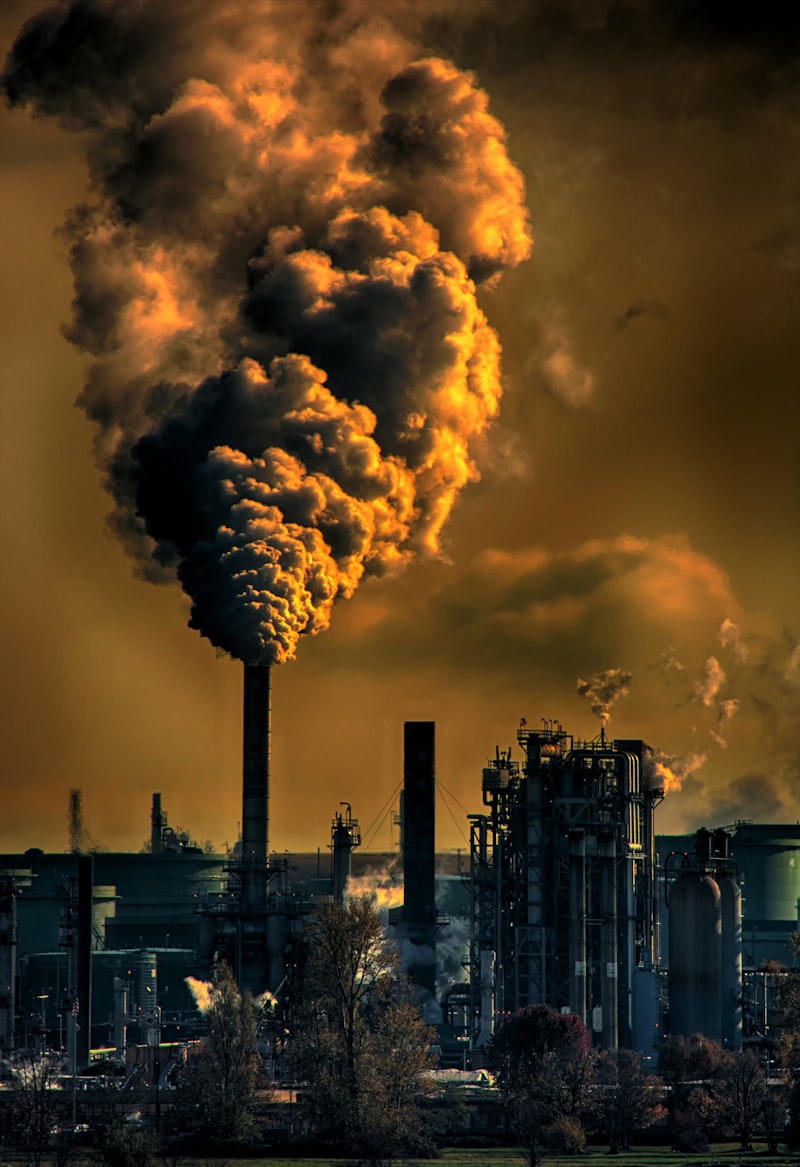
Air-Pollution Adaptation refers to the complex psychological and perceptual process by which individuals residing in areas of chronic or severe air pollution become progressively less responsive to the physical, aesthetic, and health-related cues associated with atmospheric contamination. This phenomenon is fundamentally a form of desensitization, where the continuous exposure to environmental stressors—such as visible smog, particulate matter, or noxious odors—leads to a normalized perception of the substandard air quality. Initially, a new resident or visitor may experience immediate discomfort, irritation, and heightened awareness of the pollution’s negative effects; however, over time, the system recalibrates, treating the polluted state as the new baseline, thereby substantially diminishing the subjective experience of malaise or risk. This is not merely a physical adjustment but a profound cognitive reorganization of how environmental information is processed and valued, often leading to a dangerous underestimation of actual health risks associated with chronic exposure.
The central mechanism driving this Adaptation involves the psychological minimization of the perceived threat. While the physiological damage caused by inhaling toxins continues unabated, the mental alarm system that registers the environment as hazardous is effectively muted. For citizens of heavily polluted urban centers, the daily visibility of smog ceases to be an acute warning signal and instead becomes an expected, normative feature of the landscape, much like traffic noise or high population density. This normalization impacts both objective assessments, such as rating the visual quality of the environment, and subjective health assessments, where chronic, low-grade symptoms like coughing or fatigue may be attributed to non-environmental factors or simply ignored. Understanding this psychological shift is critical, as it explains why communities may fail to advocate for or support rigorous environmental cleanup policies, having mentally adjusted to an unhealthy status quo.
Theoretical Underpinnings: Signal Detection Analysis
The psychological basis for Air-Pollution Adaptation is robustly explained through the lens of Signal detection analysis (SDT). SDT posits that the perception of any stimulus, including the sensory cues associated with air pollution, is a two-component process: the individual’s sensitivity to the signal (d’) and the individual’s criterion or willingness to report the signal (Beta or Reaction bias). Crucially, research suggests that Air-Pollution Adaptation is primarily mediated not by a change in the literal sensory threshold—meaning the individual can still physically detect the presence of pollutants—but rather by a significant shift in the Reaction bias.
A shift in Reaction bias implies that the internal standard required for an individual to classify a perceived cue (e.g., chest tightness, hazy sky) as a “signal” (i.e., a dangerous level of pollution requiring a behavioral response) has been substantially raised. Over time, the constant presence of the pollutant increases the subjective cost of reporting a “hit” (identifying the pollution), as acknowledging the threat requires coping behaviors, anxiety, or relocation. Therefore, individuals adopt a more conservative criterion, preferring “misses” (failing to identify the danger) or “false alarms” (assuming the symptoms are benign) simply to maintain psychological equilibrium and minimize cognitive dissonance. This explains why a long-term resident may consciously see thick smog but interpret it as “not too bad today,” whereas a newcomer immediately recognizes it as hazardous. The physical sensitivity (d’) remains relatively stable, but the psychological willingness to act upon or acknowledge the signal dramatically decreases.
Historical and Conceptual Development
While the specific term “Air-Pollution Adaptation” gained traction with the rise of modern environmental psychology in the late 20th century, its conceptual roots lie in classic studies of sensory adaptation and habituation. Psychologists and sociologists began focusing on chronic environmental stressors in the 1960s and 1970s, realizing that human responses to continuous, low-level threats differed significantly from responses to acute disasters. Early researchers investigating noise pollution, for instance, found similar patterns of habituation where residents near airports or highways eventually ceased to consciously register the noise, even though physiological stress responses (like elevated heart rate) might persist subconsciously. This laid the groundwork for applying similar models to the less obvious, but equally insidious, stressor of compromised air quality.
Key research applying SDT specifically to environmental perception emerged during the study of visual air quality in the 1980s, particularly in areas near industrial centers and large metropolitan areas. Researchers sought to measure how people assessed visual pollution—haze, reduced visibility, and color distortion—finding that long-term exposure significantly depressed these assessments. They confirmed that judgment shifts, rather than purely sensory degradation, explained why residents consistently rated their polluted environment as “better” or “less severe” than transient visitors did. This body of work solidified the understanding that environmental perception is malleable and heavily influenced by long-term exposure, thus forming the core theoretical structure for defining Air-Pollution desensitization.
A Practical Example of Perceptual Shifting
Consider the scenario of a person, Maria, who moves from a rural area with pristine air quality to a rapidly industrializing city known for high levels of particulate matter and visible smog. Initially, during her first few weeks, Maria experiences frequent eye irritation, persistent coughing, and a strong sense of dissatisfaction with the gray, hazy sky. She consciously notes the poor air quality every day, perhaps limiting outdoor exercise and frequently checking public health advisories. This represents a high sensitivity and a strict criterion (low Reaction bias) for identifying air pollution as a dangerous signal.
-
Initial Stage (Acute Awareness): Maria’s system is highly vigilant. She defines a “signal” (unacceptable air quality) based on the clear, healthy standard of her former home. If the air quality index (AQI) hits 150, she experiences significant distress and takes immediate avoidance action.
-
Intermediate Stage (Habituation Begins): After six months, Maria’s physical symptoms lessen slightly due to physiological acclimation, but more importantly, her cognitive baseline shifts. She still sees the haze, but she starts to define it as “normal.” She begins to dismiss her mild cough as “city allergies” rather than pollution-related. Her criterion for defining a “bad day” is now raised; an AQI of 150 is still noticeable, but she is less likely to report it as dangerous.
-
Adapted Stage (Reaction Bias Shift): After five years, Maria only registers the air quality when it is truly catastrophic (e.g., AQI 300+). She has become psychologically invested in her life in the city, making it costly to admit the environment is dangerous. Her Reaction bias has shifted heavily: she requires overwhelming sensory evidence and acute physical distress before classifying the air as unsafe. Her sense of “normal” has shifted to the polluted state, demonstrating complete Air-Pollution desensitization. Without this adaptation, as the original insight suggests, it would be quite difficult for residents to tolerate such chronic discomfort.
Significance and Public Health Impact
The concept of Air-Pollution Adaptation carries profound significance for public health policy and environmental advocacy because it highlights a critical failure in risk perception. When people adapt to poor air quality, they become less likely to report symptoms, less supportive of regulatory action, and less motivated to engage in protective behaviors, such as wearing masks or limiting outdoor time. This psychological mechanism effectively masks the true impact of chronic air pollution, leading to a societal acceptance of environmental degradation that is incompatible with long-term human health. The failure to perceive the signal leads directly to higher rates of chronic respiratory and cardiovascular disease, which are only recognized medically years later.
In applied settings, understanding the role of Reaction bias is crucial for effective communication campaigns. Simply publishing high AQI numbers often proves insufficient if the population has already adapted its perceptual baseline. Effective public health strategies must therefore focus on re-sensitizing the population—often by providing comparative data from cleaner regions or demonstrating the hidden, long-term health costs that are masked by psychological desensitization. Moreover, policymakers must recognize that community complaints or lack thereof cannot be used as a reliable indicator of the severity of air pollution, necessitating reliance on purely objective, scientific data for setting environmental standards.
Related Concepts and Broader Context
Air-Pollution Adaptation is firmly situated within the broader field of Environmental Psychology, which studies the interplay between individuals and their surroundings, focusing heavily on how chronic stressors affect behavior and well-being. It is closely related to several other established psychological concepts, primarily including:
-
Sensory Adaptation: This is a more basic physiological process where sensory receptors decrease their responsiveness to a constant, unchanging stimulus (e.g., the fading smell of perfume shortly after application). While sensory Adaptation may play a small initial role, Air-Pollution desensitization extends beyond simple sensory fatigue into complex cognitive appraisal and attitude formation, distinguishing it from purely physical processes.
-
Habituation: A non-associative learning process where there is a decrease in response to a stimulus after repeated exposure. Habituation is a behavioral manifestation of the cognitive shift seen in air-pollution adaptation, where the behavioral response (e.g., checking the news, avoiding the outdoors) diminishes even if the stimulus intensity remains high.
-
Learned Helplessness: In environments where the source of pollution is massive and intractable, individuals may develop learned helplessness, believing they have no control over the air quality. This psychological state reinforces the Reaction bias shift, as the perceived futility of action leads to lowered vigilance and acceptance of the negative environmental conditions.
-
Cognitive Dissonance: Individuals who choose to live in polluted areas despite knowing the risks may experience internal conflict. To resolve this dissonance, they may downplay the severity of the threat or rationalize their decision by altering their perception of the air quality, thus fueling the adaptive process.
The overarching category for this concept is Environmental Psychology, often intersecting with areas of Health Psychology due to its direct implications for chronic disease prevention and risk communication. The application of Signal detection analysis provides a rigorous quantitative framework for studying how subjective environmental judgments are formed and how they differ from objective measures of environmental quality, making it a pivotal area of study for understanding human resilience and vulnerability in the face of widespread ecological change.