Alcohol-Induced Dementia: The Hidden Toll on Your Brain
Scientifically Reviewed · Dr. Marwa Abd-Alazim · October 3, 2026
Review Criteria & Clinical Standards
This content undergoes rigorous scientific peer-review and medical editorial standards at Arab Psychology Network to ensure clinical accuracy, validity, and compliance with evidence-based guidelines from leading psychological and healthcare authorities (APA / WHO).
Core Definition of Alcohol-Induced Persisting Dementia
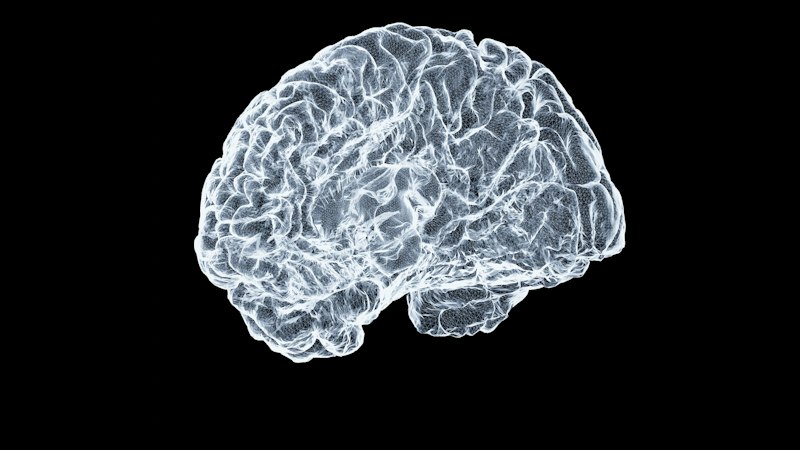
Alcohol-induced persisting dementia (AIPD) represents a distinct and severe form of cognitive impairment directly attributable to the chronic and excessive consumption of alcohol. It is fundamentally characterized by a significant and enduring decline in multiple cognitive domains, profoundly impacting an individual’s daily functioning and quality of life. Unlike temporary states of intoxication or withdrawal, the cognitive deficits in AIPD are persistent, meaning they do not resolve with abstinence, although some improvements can occur. This condition is a subtype of the broader category known as alcohol-related dementia (ARD), which encompasses a spectrum of alcohol-induced brain damage, but AIPD specifically refers to the lasting, often irreversible, neurocognitive syndrome.
The fundamental mechanism underlying AIPD involves the direct and indirect neurotoxic effects of alcohol on the brain over an extended period. Alcohol and its metabolites can cause widespread damage to brain cells, leading to neuronal death, inflammation, and alterations in neurotransmitter systems. This damage is not limited to specific regions but can affect cortical and subcortical structures, including the frontal lobes, cerebellum, and hippocampus, which are critical for higher-order cognitive functions. The persistence of these cognitive deficits underscores the irreversible structural and functional changes that chronic alcohol abuse inflicts upon the central nervous system, distinguishing it from acute alcohol-induced impairments.
Key cognitive domains affected in AIPD typically include memory, particularly new learning and retrieval; executive functioning, encompassing planning, problem-solving, decision-making, and impulse control; and language, manifesting as word-finding difficulties or reduced verbal fluency. Additionally, individuals may experience disturbances in visuospatial abilities, attention, and processing speed. The severity and specific pattern of impairment can vary greatly among individuals, influenced by factors such as the duration and quantity of alcohol consumption, nutritional status, genetic predispositions, and the presence of co-occurring medical or psychiatric conditions, making it a complex and heterogeneous disorder.
Historical Understanding and Evolution of the Concept
The recognition of alcohol’s detrimental effects on brain function dates back centuries, with early medical literature describing various forms of “alcoholic insanity” or “alcoholic encephalopathy.” However, the precise delineation of what we now understand as dementia specifically induced by alcohol has evolved significantly over time. In the late 19th and early 20th centuries, much of the focus on alcohol-related brain damage centered around conditions like Wernicke-Korsakoff syndrome, which was primarily attributed to thiamine deficiency secondary to chronic alcohol abuse. This perspective, while important, often overshadowed the direct neurotoxic effects of alcohol itself on brain tissue.
As diagnostic criteria for dementia became more refined in the latter half of the 20th century, and neuroimaging techniques advanced, researchers began to distinguish between thiamine-deficiency-related cognitive disorders and those directly resulting from chronic alcohol exposure. The term “alcoholic dementia” gained prominence, reflecting a growing understanding that alcohol could cause widespread brain atrophy and specific cognitive deficits independent of, or in addition to, nutritional deficiencies. This shift in understanding emphasized the direct pathogenic role of alcohol in inducing neurodegeneration and cognitive decline.
The contemporary classification, moving towards “alcohol-related dementia” (ARD) and its subtypes like AIPD, reflects a more nuanced appreciation of the diverse ways alcohol impacts the brain. This evolution acknowledges the heterogeneity of presentations, the involvement of multiple etiologies (direct neurotoxicity, nutritional deficits, liver disease complications, traumatic brain injury from falls), and the persistent nature of the cognitive deficits even after prolonged abstinence. The study by Gonzalez-Toledo et al. (2018), for instance, exemplifies recent efforts to systematically review and define AIPD, contributing to a clearer understanding of its epidemiology, etiology, and clinical management within the broader spectrum of alcohol’s neurological consequences.
Epidemiology and Prevalence
Accurately determining the exact prevalence of Alcohol-Induced Persisting Dementia (AIPD) presents significant challenges due to several factors. These include the considerable heterogeneity of its clinical presentation, the difficulty in definitively attributing cognitive impairment solely to alcohol when other comorbidities are present, and the frequent underreporting or denial of chronic heavy alcohol use by individuals and their families. Consequently, epidemiological studies often provide a range of estimates, but consistently indicate that AIPD is a prevalent and often underestimated condition among populations with a history of long-term, excessive alcohol consumption.
Studies suggest that individuals with a history of chronic heavy alcohol use are at a substantially elevated risk of developing AIPD compared to the general population. While precise figures are elusive, it is estimated that alcohol-related cognitive impairment, including AIPD, may account for a significant proportion of all dementia cases, potentially ranging from 10% to 24% in some populations, particularly in younger onset dementias. The cumulative effect of alcohol over decades is a critical factor, meaning the risk typically increases with both the quantity and duration of heavy drinking.
Research highlights specific demographic patterns associated with AIPD. For instance, the study by Gonzalez-Toledo et al. (2018) on 30 individuals with AIPD reported a mean age at onset of 61.5 years, preceded by a mean duration of alcohol abuse of 27.7 years. This data underscores that AIPD is often a late-life manifestation of prolonged alcohol misuse, typically impacting individuals in their later middle age or early senior years after decades of exposure. While it is more commonly observed in men, this may reflect historical patterns of alcohol consumption rather than inherent biological susceptibility. The socioeconomic burden of AIPD is also considerable, impacting healthcare systems, caregivers, and societal productivity due to the chronic care and support required.
Etiological Factors and Pathophysiology
The etiology of Alcohol-Induced Persisting Dementia (AIPD) is complex and multifactorial, generally understood to result from a synergistic interplay of direct neurotoxic effects of alcohol, nutritional deficiencies, genetic predispositions, and other environmental factors. Chronic exposure to alcohol is known to exert direct toxic effects on neurons and glial cells throughout the brain, leading to widespread cellular damage and neurodegeneration. This direct toxicity manifests through various mechanisms, including oxidative stress, inflammation, and excitotoxicity, which disrupt neuronal metabolism and compromise the integrity of brain tissue.
Beyond direct toxicity, alcohol significantly interferes with the brain’s intricate systems, leading to a cascade of detrimental effects. It can alter neurotransmitter levels, particularly affecting GABAergic and glutamatergic systems, leading to imbalances that impair neuronal communication and contribute to cognitive dysfunction. Chronic alcohol use also disrupts synaptic plasticity, the brain’s ability to strengthen or weaken connections between neurons, which is fundamental for learning and memory formation. Furthermore, alcohol can induce cerebral atrophy, particularly affecting the frontal lobes, which are crucial for executive functioning, and the cerebellum, which impacts motor coordination and some cognitive processes.
Nutritional deficiencies, especially of thiamine (vitamin B1), are frequently associated with chronic heavy alcohol use due to poor diet, malabsorption, and impaired metabolism. Thiamine deficiency is a primary cause of Wernicke-Korsakoff syndrome, which has distinct pathological features but often co-occurs or overlaps with AIPD, contributing to memory and other cognitive deficits. Additionally, genetic factors may play a role, with certain genetic predispositions influencing an individual’s susceptibility to alcohol’s neurotoxic effects or their ability to metabolize alcohol, thus increasing their risk for developing AIPD. Environmental factors such as head injuries (common in individuals with alcohol use disorder) and comorbid medical conditions (e.g., liver disease, cardiovascular disease) can further exacerbate brain damage and accelerate cognitive decline.
Clinical Manifestations and Symptom Presentation
The clinical presentation of Alcohol-Induced Persisting Dementia (AIPD) is highly variable, reflecting the diffuse nature of alcohol-induced brain damage and the influence of individual differences in drinking patterns, duration of abuse, and comorbid health conditions. However, a common thread is the insidious onset and progressive decline in multiple cognitive domains, often initially subtle and gradually worsening over time. These symptoms frequently lead to significant impairments in an individual’s ability to perform activities of daily living (ADLs), impacting their independence and overall quality of life.
Prominent symptoms typically include significant memory impairment, particularly difficulty forming new memories (anterograde amnesia) and retrieving past information. Individuals may struggle to recall recent events, conversations, or appointments, often repeating themselves or getting lost in familiar environments. Alongside memory deficits, disturbances in executive functioning are hallmark features. This can manifest as impaired judgment, poor impulse control, difficulty with planning and organization, reduced problem-solving abilities, and a diminished capacity for abstract thought. These executive deficits severely compromise an individual’s ability to manage finances, navigate complex social situations, or maintain employment.
Furthermore, individuals with AIPD often experience language disturbances, such as word-finding difficulties (anomia), reduced verbal fluency, and sometimes comprehension issues. They may also exhibit disorientation to time and place, leading to confusion about their surroundings or the current date. Behavioral and psychological symptoms are also common, including apathy, irritability, depression, anxiety, and even psychotic features in some cases, which can further complicate management and caregiver burden. The cumulative effect of these cognitive and behavioral changes renders individuals with AIPD increasingly dependent on others for assistance with fundamental tasks like dressing, bathing, preparing meals, and managing their personal care.
Diagnosis and Differential Considerations
The diagnosis of Alcohol-Induced Persisting Dementia (AIPD) is a comprehensive process that necessitates a thorough clinical evaluation, including a detailed history, physical examination, laboratory tests, and neuropsychological testing. A crucial first step involves obtaining a comprehensive history of alcohol consumption, including patterns, quantity, and duration of heavy drinking, as well as any periods of abstinence. It is equally important to gather information regarding medical comorbidities, psychiatric history, nutritional status, and family history of neurological or psychiatric disorders. The physical examination should focus on neurological signs, signs of liver disease, and nutritional deficiencies often associated with chronic alcohol abuse.
Laboratory tests are essential to rule out other treatable causes of cognitive impairment and to assess for common alcohol-related comorbidities. These typically include complete blood count, liver function tests, thyroid function tests, vitamin B12 and folate levels, and screening for infections. Neuroimaging, such as magnetic resonance imaging (MRI) or computed tomography (CT) of the brain, is vital to exclude other structural brain pathologies (e.g., tumors, subdural hematomas, strokes) and can reveal patterns of brain atrophy consistent with chronic alcohol exposure, particularly in the frontal lobes and cerebellum, although these findings are not specific to AIPD.
A critical aspect of diagnosis involves differentiating AIPD from other conditions that mimic dementia or present with similar cognitive impairment. This differential diagnosis includes delirium (an acute confusional state, often seen during alcohol withdrawal), major depressive disorder (which can cause “pseudodementia”), and other neurodegenerative dementias like Alzheimer’s disease, vascular dementia, or Lewy body dementia. The persistent nature of the cognitive deficits, even after prolonged abstinence, helps distinguish AIPD from acute alcohol-induced cognitive effects. Moreover, individuals with AIPD should be thoroughly evaluated for other alcohol-related comorbidities, such as liver disease, pancreatitis, and cardiac arrhythmias, which can complicate both diagnosis and management.
Management Strategies and Therapeutic Approaches
The management of Alcohol-Induced Persisting Dementia (AIPD) is multifaceted, encompassing a combination of pharmacological and non-pharmacological interventions aimed at halting disease progression, mitigating symptoms, and optimizing the individual’s functional abilities and quality of life. The paramount goal of treatment is the complete and sustained cessation of alcohol consumption, as continued drinking will inevitably lead to further brain damage and accelerated cognitive decline. This often requires intensive support for alcohol use disorder, including detoxification, rehabilitation programs, and ongoing counseling.
Pharmacological interventions primarily focus on managing specific symptoms and co-occurring conditions. While there are no drugs specifically approved to reverse the cognitive deficits of AIPD, certain medications may be used off-label. Cholinesterase inhibitors, commonly used in Alzheimer’s disease, may be considered to improve cognitive functioning in some individuals, although their efficacy in AIPD is generally limited and not as robust. Antidepressants are frequently prescribed to address comorbid symptoms of depression and anxiety, which are highly prevalent in individuals with AIPD. Additionally, vitamin supplementation, particularly thiamine (vitamin B1), is critical to prevent or treat Wernicke-Korsakoff syndrome and to support overall brain health, even if the primary cause of AIPD is direct neurotoxicity rather than deficiency.
Non-pharmacological interventions form the cornerstone of AIPD management. Cognitive rehabilitation strategies, tailored to the individual’s specific deficits, aim to improve memory, executive functions, and attention through structured exercises, compensatory techniques (e.g., using calendars, reminders), and environmental modifications. Psychosocial support for both the individual and their caregivers is vital, including counseling, support groups (such as Alcoholics Anonymous for abstinence support), and education about the condition. Environmental adjustments, such as creating a predictable routine, simplifying tasks, and ensuring a safe living space, can significantly enhance the individual’s ability to maintain independence and improve their quality of life. A multidisciplinary team approach involving neurologists, psychiatrists, neuropsychologists, social workers, and occupational therapists is often necessary to provide comprehensive care.
Practical Implications and Real-World Example
The practical implications of Alcohol-Induced Persisting Dementia (AIPD) are profound, affecting not only the individual but also their families, caregivers, and the broader healthcare system. Understanding AIPD through a real-world scenario highlights the insidious progression and devastating impact of this condition. Consider the case of Mr. Robert, a 68-year-old retired accountant who has consumed alcohol heavily for over four decades, often finishing a bottle of whiskey daily. His family initially noticed subtle changes in his behavior about five years ago: he started forgetting appointments, misplacing important documents, and struggling to manage his finances, once a forte of his career.
Initially, Mr. Robert’s family attributed these lapses to normal aging or stress, but the problems escalated. He began to exhibit poor judgment, making impulsive purchases, and neglecting personal hygiene. His wife found him increasingly confused, sometimes disoriented about the day or time, and he struggled with simple tasks like preparing a meal or following a recipe, which he previously enjoyed. When confronted about his drinking, he would become irritable and defensive, demonstrating impaired impulse control and emotional regulation, classic signs of compromised executive functioning due to frontal lobe damage.
A medical evaluation, prompted by a fall and a subsequent hospital stay, revealed significant cognitive deficits in memory, attention, and executive function through neuropsychological testing, along with evidence of brain atrophy on MRI. Crucially, even after a period of enforced abstinence in the hospital, his cognitive impairments persisted, leading to a diagnosis of AIPD. This example illustrates how the chronic neurotoxic effects of alcohol gradually eroded Mr. Robert’s cognitive capacities, transforming a highly functional individual into someone requiring significant support for activities of daily living, underscoring the critical need for early intervention and sustained abstinence.
Significance, Impact, and Broader Context
The significance of Alcohol-Induced Persisting Dementia (AIPD) within the field of psychology, public health, and society at large cannot be overstated. From a psychological perspective, AIPD highlights the profound and irreversible impact of chronic substance abuse on brain structure and function, serving as a stark reminder of the intricate link between behavior, neurology, and cognition. It compels researchers and clinicians to better understand the mechanisms of alcohol-induced neurodegeneration and to develop more effective prevention and intervention strategies for alcohol use disorder.
In terms of public health, AIPD represents a substantial and growing burden. As populations age and the prevalence of chronic heavy alcohol use remains a concern globally, the incidence of AIPD is likely to increase. This places immense demands on healthcare systems for diagnosis, long-term care, and support services. The societal impact extends to families and caregivers, who often face significant emotional, physical, and financial strain in caring for individuals with AIPD. The recognition of AIPD underscores the importance of public health campaigns focused on responsible alcohol consumption and early identification of alcohol use disorders to prevent or mitigate severe cognitive consequences.
The concept of AIPD has several critical applications today. In clinical psychology and neuropsychology, a thorough understanding of AIPD is essential for accurate diagnosis, differential diagnosis from other dementias, and guiding cognitive rehabilitation efforts. It also informs the development of specialized therapeutic approaches within addiction treatment settings, emphasizing the long-term cognitive consequences of alcohol abuse. Furthermore, in educational and social work contexts, knowledge of AIPD helps professionals identify at-risk individuals, implement preventative measures, and provide appropriate support and resources to affected individuals and their families, ultimately aiming to improve outcomes and quality of life for those living with this challenging condition.
Connections to Related Psychological Concepts
Alcohol-Induced Persisting Dementia (AIPD) is intricately linked to several other key psychological and medical concepts, providing a broader understanding of its context within neuropsychology and addiction science. At its core, AIPD is a direct consequence of Alcohol Use Disorder (AUD), which is the underlying chronic relapsing brain disease characterized by an impaired ability to stop or control alcohol use despite adverse social, occupational, or health consequences. Without understanding AUD, the progression to AIPD cannot be fully grasped.
AIPD also shares significant conceptual overlap and distinct differences with Wernicke-Korsakoff syndrome (WKS). While both are alcohol-related brain disorders, WKS is primarily caused by severe thiamine (vitamin B1) deficiency, leading to acute neurological symptoms (Wernicke’s encephalopathy) and chronic profound memory impairment (Korsakoff’s psychosis). AIPD, in contrast, emphasizes the direct neurotoxic effects of alcohol on brain cells, leading to more generalized and diffuse cognitive impairment, although nutritional deficiencies can certainly exacerbate or co-occur with AIPD. Understanding this distinction is vital for accurate diagnosis and treatment, particularly regarding thiamine supplementation.
Moreover, AIPD is considered a form of dementia, and as such, it relates to other neurodegenerative conditions like Alzheimer’s disease and vascular dementia. While the etiology differs, the clinical presentation of progressive cognitive decline and functional impairment often necessitates careful differential diagnosis. AIPD falls squarely within the subfield of neuropsychology, which studies the relationship between brain and behavior, focusing on how brain injuries or diseases affect cognitive functions, emotions, and behavior. It is also highly relevant to clinical psychology and addiction medicine, informing treatment approaches for individuals with chronic alcohol use and associated cognitive challenges. This comprehensive understanding ensures that individuals receive holistic care tailored to their specific neurocognitive profile.