Amphetamine Neurobiology: How Stimulants Alter Your Mind
Scientifically Reviewed · Dr. Marwa Abd-Alazim · September 6, 2026
Review Criteria & Clinical Standards
This content undergoes rigorous scientific peer-review and medical editorial standards at Arab Psychology Network to ensure clinical accuracy, validity, and compliance with evidence-based guidelines from leading psychological and healthcare authorities (APA / WHO).
Introduction and Definition
Amphetamines constitute a powerful class of synthetic psychoactive substances recognized primarily as central nervous system (CNS) stimulants. Chemically, they belong to the phenethylamine group, sharing structural similarities with the naturally occurring monoamine neurotransmitters, specifically dopamine and norepinephrine (noradrenaline). Functionally, these compounds operate by encouraging the release and inhibiting the reuptake of these crucial catecholamines within the synaptic clefts of the brain, leading to an amplified signal transduction across various neural pathways. The immediate physiological impact of amphetamine administration is an extended state of heightened alertness, profound excitement, and a significant alleviation of tiredness or fatigue. This powerful psychostimulant effect has historically positioned amphetamines at the nexus of therapeutic medicine, military operations, and substance abuse epidemiology, requiring careful consideration of their potent pharmacological profile and considerable potential for dependency and adverse effects. The initial synthesis and subsequent pharmacological investigation of amphetamine structures began early in the 20th century, leading to a widespread but often uncontrolled adoption across numerous clinical indications before the dangers of chronic misuse became fully understood, necessitating stringent regulatory oversight globally.
The core mechanism of action, which underpins both their therapeutic utility in conditions like attention deficit/hyperactivity disorder (ADHD) and their high risk of abuse, involves the direct modulation of the monoamine transporters. Amphetamines are classified as indirect sympathomimetic agents, meaning they mimic the effects of the body’s sympathetic nervous system activation, leading to elevated heart rate, increased blood pressure, and bronchodilation. Furthermore, their lipophilic nature allows them to easily cross the blood-brain barrier, where they exert their primary psychoactive effects by influencing key regulatory circuits governing mood, attention, motivation, and motor control. The resulting neurochemical cascade produces a state of euphoria, enhanced cognitive focus, and significant suppression of appetite, characteristics that defined their early widespread use in both clinical and non-clinical settings. Understanding the delicate balance between the therapeutic benefits and the inherent risks of neurotoxicity and addiction associated with chronic exposure remains a central challenge in contemporary psychopharmacology.
The category of amphetamines includes several related compounds, such as dextroamphetamine, methamphetamine, and lisdexamfetamine, each possessing slightly varying potencies and pharmacokinetic profiles but sharing the fundamental mechanism of promoting catecholamine release. While their chemical structures are distinct, their final functional impact on the reticular activating system and the mesolimbic dopamine pathway is largely consistent, resulting in the signature stimulant effects. The profound impact on metabolism and central arousal has prompted extensive research into their use, particularly in situations demanding extended vigilance or requiring normalization of executive functions impaired by neurodevelopmental disorders. However, the initial enthusiastic adoption of these compounds, which began in 1932, has been tempered by decades of clinical experience demonstrating the high propensity for tolerance development, severe psychological dependence, and the potential for inducing acute psychotic states indistinguishable from paranoid schizophrenia, particularly following high-dose or prolonged administration.
Neurobiological Mechanisms of Action
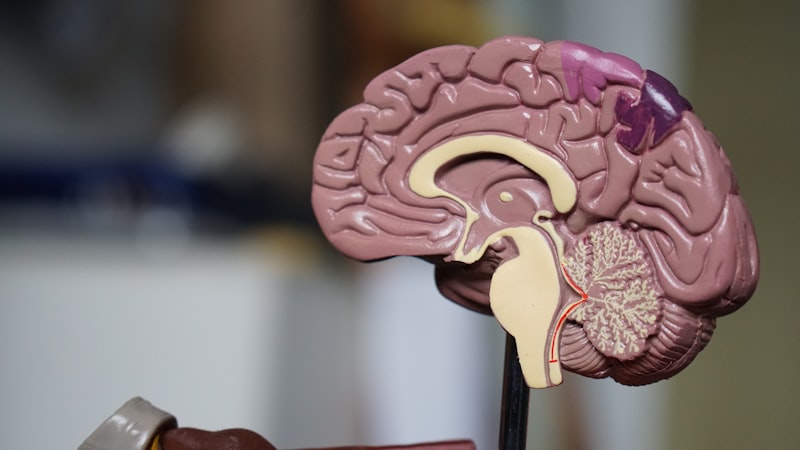
Amphetamines exert their primary influence on the central nervous system by fundamentally altering the dynamics of monoamine neurotransmission, focusing primarily on dopamine (DA) and norepinephrine (NE). Unlike simple reuptake inhibitors, amphetamines function as competitive substrates for the neuronal transporters—specifically the Dopamine Transporter (DAT) and the Norepinephrine Transporter (NET). Upon entering the nerve terminal via these transporters, the amphetamine molecule interferes with the vesicular storage of the neurotransmitters. They achieve this by disrupting the function of the Vesicular Monoamine Transporter 2 (VMAT2), which normally packages DA and NE into synaptic vesicles, effectively leaking the neurotransmitters into the cytoplasm. This cytoplasmic buildup then creates an electrochemical gradient that forces the DAT and NET to operate in reverse, resulting in an immediate and substantial flood of stored catecholamines into the synaptic cleft. This massive, non-physiological release of neurotransmitters accounts for the intense psychostimulant effects observed following administration.
The preferential release of dopamine within the mesolimbic pathway, often referred to as the brain’s reward circuit, is the primary driver of the euphoric effects and the powerful reinforcing properties that contribute significantly to the addictive potential of amphetamines. By dramatically increasing synaptic dopamine concentrations, amphetamines hijack the natural reward system, leading to feelings of intense pleasure, heightened motivation, and increased confidence. Simultaneously, the robust release of norepinephrine impacts the reticular formation and the sympathetic nervous system, leading to the well-documented peripheral effects, such as increased heart rate, elevated blood pressure, and heightened vigilance. This dual action—euphoria coupled with intense physical energy—is what defines the amphetamine experience and makes withdrawal particularly challenging, as the brain struggles to re-establish normal monoamine homeostasis following prolonged depletion and downregulation of receptor sites resulting from chronic overstimulation.
Furthermore, the mechanism of amphetamines includes a degree of interaction with serotonin (5-HT) systems, although this is generally less pronounced than their impact on DA and NE, depending on the specific structural analogue (methamphetamine, for example, has a more significant impact on 5-HT release than dextroamphetamine). The sustained, elevated presence of these neurotransmitters in the synaptic cleft leads to prolonged activation of postsynaptic receptors, resulting in the protracted state of excitement and the alleviation of tiredness that can last for many hours. However, this extended neural hyperactivity eventually depletes the readily releasable stores of neurotransmitters, contributing directly to the profound “crash” experienced when the drug effect dissipates. Chronic, high-dose usage can lead to neuroadaptation, where the body attempts to compensate for the overwhelming input by reducing receptor sensitivity or density, further complicating the cycle of dependency and requiring increasingly higher doses to achieve the desired effect, demonstrating the mechanism by which tolerance rapidly develops.
Historical Context and Early Applications
Amphetamines were first synthesized in 1887, but their pharmacological properties were not fully recognized until 1932, when the compound Benzedrine (amphetamine sulfate) was introduced for medical use. Initially marketed as a decongestant, amphetamines quickly found a wide array of science-based usages due to their potent stimulating and appetite-suppressing qualities. Early indications included the treatment of narcolepsy, mild depression, fatigue, and, notably, chronic obesity. The drug was initially celebrated as a panacea for various ailments characterized by low energy or excessive sleepiness, leading to its widespread availability and prescription throughout the 1930s and 1940s, often with little regulatory oversight regarding dosage or duration of use. This period marked the beginning of both its therapeutic legacy and its eventual association with widespread misuse.
A pivotal moment in the history of amphetamines occurred during World War II. Recognizing the unique capacity of these drugs to combat sleep deprivation and extend operational alertness, amphetamines were universally allocated to combat personnel across nearly all major fighting forces, including Allied and Axis militaries. Soldiers, airmen, and naval crews were issued formulations like Benzedrine or Pervitin (methamphetamine) to permit them to stay watchful and focused for periods often exceeding sixty hours. This strategic use demonstrated the drugs’ efficacy in mitigating performance degradation due to fatigue but also cemented their image as powerful tools capable of pushing the human body beyond its natural limits. Following the war, large stockpiles of the drugs entered civilian markets, fueling an epidemic of non-medical use in the 1950s and 1960s, particularly among truck drivers, students, and shift workers seeking to maximize productivity.
The widespread allocation of amphetamines during this era, often for body weight reduction and the alleviation of major depression, led to a rapidly growing realization of their negative impacts. By the 1960s, the escalating rates of dependency, abuse, and hospitalizations for amphetamine-induced psychosis forced a major reassessment of their safety profile. Countries, including the United States and Japan, experienced severe public health crises resulting from massive increases in recreational and chronic high-dose intravenous use. This historical period underscored the dual nature of amphetamines: while powerful therapeutic agents when strictly managed, their potent reinforcing effects made them extremely vulnerable to misuse. Consequently, modern-day usage is far more limited and intensely regulated, focusing almost exclusively on specific neurological and psychiatric disorders where the benefits demonstrably outweigh the inherent risks of dependency.
Clinical Applications and Therapeutic Use
Even though broadly utilized historically for weight reduction, fatigue management, and various other evidences, modern therapeutic usage of amphetamines is significantly restricted and highly disciplined due to their high abuse potential and adverse effects. Today, amphetamines are predominantly preferred in both brief- and long-acting formulations to manage symptoms of Attention Deficit/Hyperactivity Disorder (ADHD). In patients with ADHD, the precise mechanism of enhancing dopamine and norepinephrine signaling in the prefrontal cortex—the region responsible for executive functions like attention, inhibition, and planning—paradoxically leads to a calming and focusing effect. By strengthening the “signal” in these pathways, amphetamines improve sustained attention, reduce impulsivity, and enhance organizational skills, offering substantial clinical benefit when administered under strict medical guidance.
Another primary indication for contemporary amphetamine use is the treatment of narcolepsy, a chronic neurological disorder characterized by overwhelming daytime sleepiness and sudden sleep attacks. In this context, amphetamines are invaluable for maintaining wakefulness and alertness, allowing individuals with narcolepsy to function normally during the day. Furthermore, amphetamines continue to manage a disciplined usage in the control of extreme or pathological exhaustion, such as in certain medical conditions or military situations demanding peak performance under conditions of sleep deprivation, though these uses are increasingly reserved for specialized contexts where other, less addictive stimulants have proven ineffective. The focus remains on maintaining therapeutic efficacy while minimizing the likelihood of dose escalation and subsequent dependency.
In select situations, amphetamines may also be utilized to provide treatment in cases of severe or refractory major depression, particularly when characterized by significant psychomotor retardation and anhedonia (the inability to experience pleasure), and when traditional antidepressant therapies have failed. However, this application is typically considered a second or third-line intervention, often employed in conjunction with other treatments and carefully monitored due to the risk of masking underlying mood disorders, potential for cycling into mania in bipolar patients, and the risk of abuse. The emphasis across all therapeutic applications is on controlled, consistent dosing that minimizes the peaks and troughs associated with recreational use, thereby reducing the reinforcing properties and the rapid development of pharmacological tolerance.
Pharmacological Effects and Subjective Experience
The acute subjective experience following amphetamine administration is characterized by a potent combination of physical and psychological effects driven by the massive release of catecholamines. Physiologically, the user experiences increased heart rate (tachycardia), elevated blood pressure, rapid respiration, and often decreased appetite (anorexia). These effects are mediated by the drug’s action as an indirect sympathomimetic, activating the body’s “fight or flight” response. Psychologically, the primary effects include a powerful sense of euphoria, increased energy, feelings of grandiosity or invincibility, and a dramatic enhancement of focus and concentration. Users often report feeling exceptionally articulate, highly productive, and capable of sustained mental effort far beyond normal limits, which contributes significantly to their appeal in academic or performance-driven environments.
One of the most defining characteristics of amphetamine action is the profound alleviation of tiredness. By stimulating the reticular activating system, amphetamines bypass the body’s natural need for sleep, permitting individuals to remain watchful for extended durations, sometimes spanning multiple days. However, this extended wakefulness comes at a steep physiological cost. As the drug’s effects begin to wane, the massive depletion of neurotransmitter stores, coupled with extreme physical exhaustion, leads to an inevitable and severe “crash.” This phase is marked by overwhelming fatigue, dysphoria, severe depression, and hypersomnia, where the person achieves a degree of fatigue and rests continually for many days, attempting to repay the massive sleep debt accrued during the period of intoxication.
The subjective experience is highly dose-dependent. At therapeutic doses, the effects are often perceived as subtle improvements in focus and energy. However, at supratherapeutic or abusive doses, the experience shifts toward manic excitement, restlessness, increased irritability, and the onset of stereotypic, repetitive behaviors (punding). This heightened state of stimulation, coupled with impaired judgment and increased risk-taking behavior, dramatically increases the potential for adverse outcomes, including cardiovascular events and the induction of acute psychotic episodes. The intense, short-lived euphoria is the key element that drives the pattern of compulsive use, leading users to seek repeated dosing to maintain the elevated mood state and avoid the inevitable onset of the debilitating crash and subsequent withdrawal symptoms.
Tolerance, Dependence, and Withdrawal
A significant hazard associated with amphetamine use, even when initially prescribed, is the rapid development of tolerance. Tolerance occurs increasingly with persistent use, requiring the individual to consume progressively higher doses to achieve the initial desired therapeutic effect or the psychoactive high. This phenomenon is rooted in neuroadaptation, where the brain attempts to normalize function by downregulating postsynaptic receptors or decreasing the production of endogenous monoamines in response to the massive chronic influx caused by the drug. This cycle of escalating dosage dramatically increases the risk of toxicity and the transition from controlled use to physical dependence.
Dependency, both physical and psychological, is a clear and well-documented consequence of amphetamine misuse. Psychological dependence is characterized by an intense craving for the drug and a compulsive need to seek and use it despite negative consequences, primarily driven by the desire to replicate the euphoric state and avoid the severe dysphoria associated with abstinence. Physical dependence manifests when the body adapts to the presence of the substance, leading to a distinct and debilitating withdrawal syndrome upon cessation. The withdrawal phase, often referred to as the “crash,” is marked by symptoms that are the inverse of the drug’s acute effects.
The withdrawal syndrome typically includes extreme fatigue, profound depression, anxiety, agitation, severe insomnia followed by hypersomnia (sleeping for days), increased appetite, and anhedonia. The severe depressive state during withdrawal poses a significant risk for suicidal ideation, necessitating close medical monitoring during detoxification. The long-term recovery process is complicated by protracted periods of anhedonia, which can persist for months or even years, as the brain slowly attempts to repair the damage to the dopamine reward pathways and restore normal levels of endogenous neurotransmitters. Successfully managing tolerance and dependency requires comprehensive behavioral and pharmacological interventions designed to address both the acute physical symptoms and the underlying psychological drivers of compulsive use.
Acute and Chronic Adverse Effects
The acute and chronic misuse of amphetamines is associated with a range of severe adverse effects impacting multiple organ systems, most critically the cardiovascular and central nervous systems. Acutely, the powerful sympathomimetic action can lead to dangerous elevations in heart rate and blood pressure, potentially precipitating severe cardiac events such as myocardial infarction (heart attack), stroke, and malignant hypertension, even in young users. Hyperthermia, or dangerously elevated body temperature, is another acute risk, particularly when high doses are combined with physical exertion or environmental heat, which can lead to rhabdomyolysis, kidney failure, and death.
A clear and dangerous state of psychosis can be induced by amphetamine use, particularly following prolonged sleep deprivation and chronic high-dose administration. Amphetamine-induced psychosis is clinically almost indistinguishable from paranoid schizophrenia and is characterized by intense paranoia, delusions of persecution or reference, and tactile or visual hallucinations (often described as formication—the sensation of insects crawling under the skin). This psychotic state can lead to violent or self-destructive behavior and necessitates immediate medical intervention. While the psychosis often resolves within days or weeks of abstinence, chronic heavy use may sometimes precipitate or exacerbate underlying chronic mental illnesses.
Chronic adverse effects include significant nutritional deficiencies due to appetite suppression, severe dental decay (“meth mouth”), and potential long-term neurotoxicity. Research suggests that chronic high-dose exposure, particularly to methamphetamine, can cause structural damage and functional impairments to dopamine-containing neurons in the brain, potentially leading to persistent cognitive deficits, memory problems, and a heightened risk for developing Parkinson’s disease later in life. Furthermore, as Barry’s use of amphetamines messed with his metabolism so much that by the time he was out of rehab, he’d gained over forty pounds, the metabolic dysregulation caused by chronic stimulant use can lead to significant weight fluctuations and other lasting health issues upon cessation.
Societal Impact and Regulatory Status
The history of amphetamine use—from military staple and diet aid to highly restricted medication—reflects a continuous negotiation between their powerful therapeutic potential and their overwhelming societal costs related to addiction and abuse. Because of their high potential for misuse and the severe consequences of chronic abuse, amphetamines are subject to stringent regulatory control worldwide. In the United States, most therapeutic amphetamine formulations, such as those used for ADHD and narcolepsy, are classified as Schedule II controlled substances, indicating a high potential for abuse but recognized medical utility, necessitating strict prescribing and dispensing protocols.
The illegal diversion and illicit manufacture of amphetamine-type stimulants (ATS), particularly methamphetamine, pose ongoing significant public health and criminal justice challenges. The availability of illegally synthesized forms, often adulterated with toxic contaminants, drives cycles of addiction and contributes to increased rates of infectious diseases, violence, and resource strain on healthcare systems. Regulatory bodies constantly monitor prescription patterns and diversion efforts to mitigate the flow of pharmaceutical amphetamines into the illicit market, acknowledging the narrow therapeutic window within which these drugs must be managed to maximize benefit while minimizing harm.
The long-term societal impact also includes the ongoing debate regarding the mass prescribing of stimulants for neurodevelopmental disorders like ADHD. While these medications offer profound benefits for many patients, concerns persist regarding the diagnosis of ADHD in children and adolescents, the potential for long-term side effects, and the risk of dependence, necessitating robust ethical guidelines and continuous reassessment of treatment protocols. Ultimately, amphetamines remain one of the most powerful and clinically significant classes of psychotropic medications, demanding perpetual vigilance in their control and administration due to their historical record of both remarkable utility and devastating abuse potential.