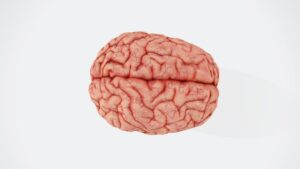
Anhypnia: Ending the Struggle With Chronic Insomnia
Scientifically Reviewed · Dr. Marwa Abd-Alazim · October 16, 2026
Review Criteria & Clinical Standards
This content undergoes rigorous scientific peer-review and medical editorial standards at Arab Psychology Network to ensure clinical accuracy, validity, and compliance with evidence-based guidelines from leading psychological and healthcare authorities (APA / WHO).

The Core Definition of Anhypnia
Anhypnia is a clinical term fundamentally describing the persistent and problematic inability to initiate or maintain sleep, a condition commonly recognized and often used synonymously with insomnia. It represents a pervasive sleep disorder that significantly impairs an individual’s quality of life and daytime functioning. The core of anhypnia is the disruption of the natural homeostatic and circadian processes that regulate the sleep-wake cycle. While healthy sleep involves a smooth transition through various stages, individuals suffering from anhypnia experience a state of heightened physiological and cognitive arousal, making the critical shift from wakefulness to sleep extremely difficult, or leading to repeated, frustrating awakenings throughout the night. This difficulty is not merely occasional restlessness but a chronic pattern that impacts a significant portion of the global population, leading to substantial negative health outcomes if left unmanaged.
The fundamental mechanism underlying anhypnia revolves around a dysregulation of the central nervous system, where the brain remains overly active or hyper-aroused at times when it should be winding down. This hyperactivity can be driven by psychological factors such as pervasive worry or anxiety, or physiological factors such as fluctuating hormone levels or pain. The concept of a hyper-arousal state explains why many individuals with this condition report feeling mentally exhausted yet physically unable to relax when attempting to sleep. This persistent state prevents the brain from entering the essential deeper stages of sleep, thereby precluding the restorative processes necessary for both cognitive and physical health.
Historical and Conceptual Origins
The recognition of sleep difficulty as a clinical problem dates back centuries, but the formal conceptualization of anhypnia and related sleep disorders gained significant traction during the mid-to-late 20th century, coinciding with the rise of dedicated sleep medicine research. Key researchers and clinicians began to move beyond simple anecdotal descriptions, developing standardized diagnostic criteria to differentiate transient sleep issues from chronic disorders. This period saw the establishment of sleep laboratories and the widespread use of electrophysiological monitoring, which allowed for objective measurement of sleep patterns, thereby providing empirical evidence for conditions like anhypnia. This rigorous approach helped shift the understanding of sleep problems from purely psychological phenomena to complex neurobiological and behavioral disorders.
While the term anhypnia itself is rooted in classical medical nomenclature, its modern understanding is inextricably linked to the development of classification systems like the Diagnostic and Statistical Manual of Mental Disorders (DSM) and the International Classification of Sleep Disorders (ICSD). These manuals formalized the criteria for diagnosing chronic sleep initiation and maintenance issues, emphasizing the duration (typically three nights per week for at least three months) and the associated distress or functional impairment. This standardization was critical, allowing researchers like Estivill, Torres, & Pacheco (2018) and Alfano et al. (2017), whose work is foundational to the current understanding of the disorder, to study its prevalence, etiology, and treatment with consistent methodology, ensuring that anhypnia is treated as a severe medical concern rather than a simple lifestyle inconvenience.
Clinical Manifestations and Symptoms
The hallmark clinical manifestation of anhypnia is the persistent struggle to achieve or sustain sleep. Individuals often report significant difficulty initiating sleep, which is formally measured by a prolonged sleep latency—the time it takes from turning off the lights to actually falling asleep. This latency can stretch to hours, leading to immense frustration and mounting anxiety about the impending night. Furthermore, once sleep is achieved, the patient may suffer from frequent nocturnal awakenings, often finding it challenging to return to sleep after being roused. The fragmentation of sleep associated with anhypnia means that the total amount of restful, restorative sleep is severely diminished, regardless of the hours spent in bed.
Beyond the nighttime struggles, the impact of anhypnia permeates all aspects of daily functioning. Due to the chronic lack of restorative sleep, individuals frequently experience excessive daytime sleepiness, which is distinct from simple tiredness; it involves involuntary urges to sleep or feeling profoundly unrefreshed despite having rested. This sleepiness is correlated with significant cognitive deficits, including difficulty concentrating, reduced attention span, and impaired memory function. The cumulative effect of these symptoms often leads to impaired functioning in professional, academic, and social activities. Other associated symptoms can include restlessness during the day, irritability, mood disturbances, and, in severe cases, difficulty awakening in the morning, despite having had insufficient sleep.
Etiology: Factors Contributing to Anhypnia
The causes of anhypnia are highly heterogeneous, typically stemming from a complex interplay of physiological, psychological, environmental, and behavioral factors. It is seldom caused by a single issue, making diagnosis and treatment challenging. Among the most common contributors are underlying medical or psychiatric conditions. For instance, mental health issues such as anxiety disorders and clinical depression frequently co-occur with anhypnia, where the symptoms of the psychiatric condition (e.g., persistent rumination or worry) directly impede the ability to relax and fall asleep. Furthermore, chronic pain conditions, gastrointestinal issues, or neurological disorders can also provoke sleep disturbance, acting as somatic drivers of the sleep deficit.
Lifestyle habits constitute another major etiological category. Modern society often promotes habits that are fundamentally antagonistic to healthy sleep. These include working long and irregular hours, which disrupts the body’s natural circadian rhythm, or relying heavily on stimulants such as caffeine or nicotine, especially later in the day, which maintains the hyper-arousal state. Moreover, poor sleep hygiene, such as spending excessive time in bed while awake (reading, watching TV, or worrying), conditions the brain to associate the sleeping environment with alertness rather than repose, further contributing to the initiation difficulty characteristic of anhypnia.
Environmental factors are often overlooked yet play a critical role. The immediate sleep environment must be conducive to rest; disruptions such as excessive noise, penetrating light, or uncomfortable temperatures can easily fragment sleep and increase nocturnal awakenings. Even subtle changes in one’s environment, such as moving to a new apartment or experiencing seasonal changes, can trigger episodes of anhypnia. Finally, it is crucial to recognize that certain medications, while intended to treat other conditions, can have paradoxical effects on sleep. Some drugs may induce excessive sedation during the day or, conversely, act as stimulants, thereby complicating the sleep patterns and requiring careful review during the diagnostic process.
Diagnostic Protocols
The diagnosis of anhypnia typically begins with a thorough assessment by a medical professional, often involving a detailed physical exam and an exhaustive medical history. The clinician must meticulously gather information about the individual’s subjective experience, including the duration of the sleep problem, the specific difficulty (initiation, maintenance, or both), and the degree of associated daytime impairment. A critical component of this initial assessment involves the use of sleep diaries, where the individual tracks their sleep patterns, lifestyle habits, consumption of substances like caffeine and alcohol, and current medications over a period of two weeks or more. This helps to identify behavioral patterns that may be contributing to the disorder.
If the initial assessment suggests a complex presentation, or if the clinician suspects an underlying primary sleep disorder such as sleep apnea or restless legs syndrome, more objective diagnostic measures may be employed. The gold standard for objective sleep measurement is the polysomnogram (PSG), or sleep study. This overnight test involves monitoring various physiological parameters, including brain wave activity (EEG), eye movements (EOG), muscle activity (EMG), heart rate, and respiratory effort. While a PSG is not always necessary for a standard anhypnia diagnosis, it provides invaluable data regarding sleep architecture, identifying specific abnormalities that cannot be detected through self-reporting alone and helping to rule out other primary sleep disorders.
Therapeutic Approaches and Management
The treatment of anhypnia is generally multi-modal, combining essential lifestyle modifications with targeted psychological interventions and, sometimes, pharmacological support. The foundation of effective management lies in establishing stringent sleep hygiene practices. These lifestyle changes include maintaining a regular, consistent sleep schedule, even on weekends; optimizing the sleep environment to minimize noise and light; and regulating exercise and dietary habits, particularly restricting caffeine and heavy meals close to bedtime. These modifications aim to reinforce the body’s natural circadian signals and reduce environmental resistance to sleep.
For many individuals, the most effective long-term treatment is Cognitive Behavioral Therapy for Insomnia (CBT-I). This structured therapeutic approach directly addresses the psychological and behavioral factors contributing to the persistence of anhypnia. CBT-I utilizes techniques such as stimulus control (re-associating the bed and bedroom with sleep), sleep restriction (temporarily limiting time in bed to increase sleep drive), and cognitive restructuring (challenging and modifying anxiety-provoking thoughts about sleep). Studies have consistently shown that CBT-I is highly effective and often results in more durable improvements in sleep quality than reliance on medication alone, particularly by addressing the underlying cognitive causes of hyper-arousal.
Pharmacological treatments are typically considered adjunctive or short-term solutions, often used to break the acute cycle of severe sleep deprivation while behavioral therapy takes effect. These medications fall into several categories, including benzodiazepines, non-benzodiazepine hypnotics (often referred to as ‘Z-drugs’), and certain antidepressants or melatonin receptor agonists. While effective in the short term for reducing sleep latency, these medications carry risks of dependence or tolerance, necessitating careful oversight by a medical professional. The goal of medication is almost always to facilitate the return to natural, unassisted sleep through behavioral changes.
A Practical Illustration
Consider the case of Mark, a middle manager who works long hours and frequently brings his laptop into his bedroom to finish tasks. Mark exhibits classic signs of anhypnia. In the evening, he attempts to relax by watching stimulating television and consuming a large espresso around 7:00 PM. When he finally gets into bed at 11:30 PM, his mind races, replaying the day’s stressors and anticipating tomorrow’s deadlines. This is the physiological manifestation of hyper-arousal driven by cognitive factors (worry) and stimulants (caffeine). He regularly takes over an hour (prolonged sleep latency) to fall asleep.
The “How-To” of this scenario demonstrates the critical role of poor sleep hygiene in exacerbating anhypnia. His use of his bed for work violates the principle of stimulus control, teaching his brain to associate the sleep environment with alertness and productivity, rather than rest. The late-night caffeine consumption directly interferes with the neurochemical processes required for sleep initiation. As a result, even if Mark eventually sleeps, he wakes up multiple times (sleep maintenance difficulty) and suffers from profound difficulty concentrating during his afternoon meetings (daytime impairment). The application of treatment would involve removing all work materials from the bedroom, instituting a strict “wind-down” hour free of electronic devices, and restricting all caffeine consumption after noon, thereby physically and psychologically preparing his body for sleep and systematically reducing the factors contributing to his chronic anhypnia.
Significance and Broader Impact
The significance of anhypnia to the field of clinical psychology and public health is immense because chronic sleep deficiency is not an isolated problem; it is a profound risk factor for numerous physical and mental health crises. Anhypnia undermines the body’s ability to regulate mood, making individuals more susceptible to anxiety, depression, and increased stress levels. Physiologically, chronic sleep deprivation is linked to an elevated risk of developing serious conditions, including hypertension, diabetes, and cardiovascular disease. Therefore, understanding and treating anhypnia is fundamental to preventative medicine and promoting overall human longevity and well-being.
The application of knowledge regarding anhypnia extends far beyond the clinical setting. In the realm of industrial and organizational psychology, principles derived from sleep research are crucial for optimizing shift work schedules and ensuring operational safety in high-stakes fields like transportation and medicine, where impaired concentration resulting from anhypnia could lead to catastrophic errors. In education, recognizing and managing sleep disorders in students is essential for addressing poor academic performance and behavioral issues. Furthermore, the principles of sleep hygiene and CBT-I are now widely integrated into broader wellness programs, demonstrating the widespread societal realization that quality sleep is not a luxury but a biological necessity that requires active management.
Connections and Relations
Anhypnia exists within the larger category of primary sleep disorders, specifically falling under the broad heading of dyssomnias, which are characterized by abnormalities in the amount, quality, or timing of sleep. Its closest related concept is, functionally, chronic insomnia, which shares nearly identical diagnostic criteria. However, it is essential to distinguish anhypnia from other conditions that might mimic its symptoms. For example, while Restless Legs Syndrome (RLS) can cause difficulty initiating sleep, its etiology is neurological and involves uncomfortable leg sensations, rather than the primary hyper-arousal state seen in anhypnia.
Furthermore, anhypnia must be differentiated from secondary sleep disorders, where the sleep disturbance is the result of another medical condition. For example, severe Obstructive Sleep Apnea (OSA) leads to frequent micro-arousals and fragmented sleep, which presents similarly to sleep maintenance anhypnia. However, OSA is primarily a respiratory disorder, diagnosed by breathing pauses, whereas anhypnia is often considered a disorder of consciousness regulation. Understanding these connections is vital because the effective treatment of anhypnia depends on whether it is a primary disorder (requiring CBT-I) or a secondary symptom (requiring treatment of the underlying cause, such as continuous positive airway pressure (CPAP) for OSA). The entire field belongs primarily to Behavioral Medicine and Clinical Psychology, with strong interdisciplinary ties to Neurology and Psychiatry.