Animal-Assisted Therapy: Healing Through The Human-Pet Bond
Scientifically Reviewed · Dr. Marwa Abd-Alazim · August 28, 2026
Review Criteria & Clinical Standards
This content undergoes rigorous scientific peer-review and medical editorial standards at Arab Psychology Network to ensure clinical accuracy, validity, and compliance with evidence-based guidelines from leading psychological and healthcare authorities (APA / WHO).
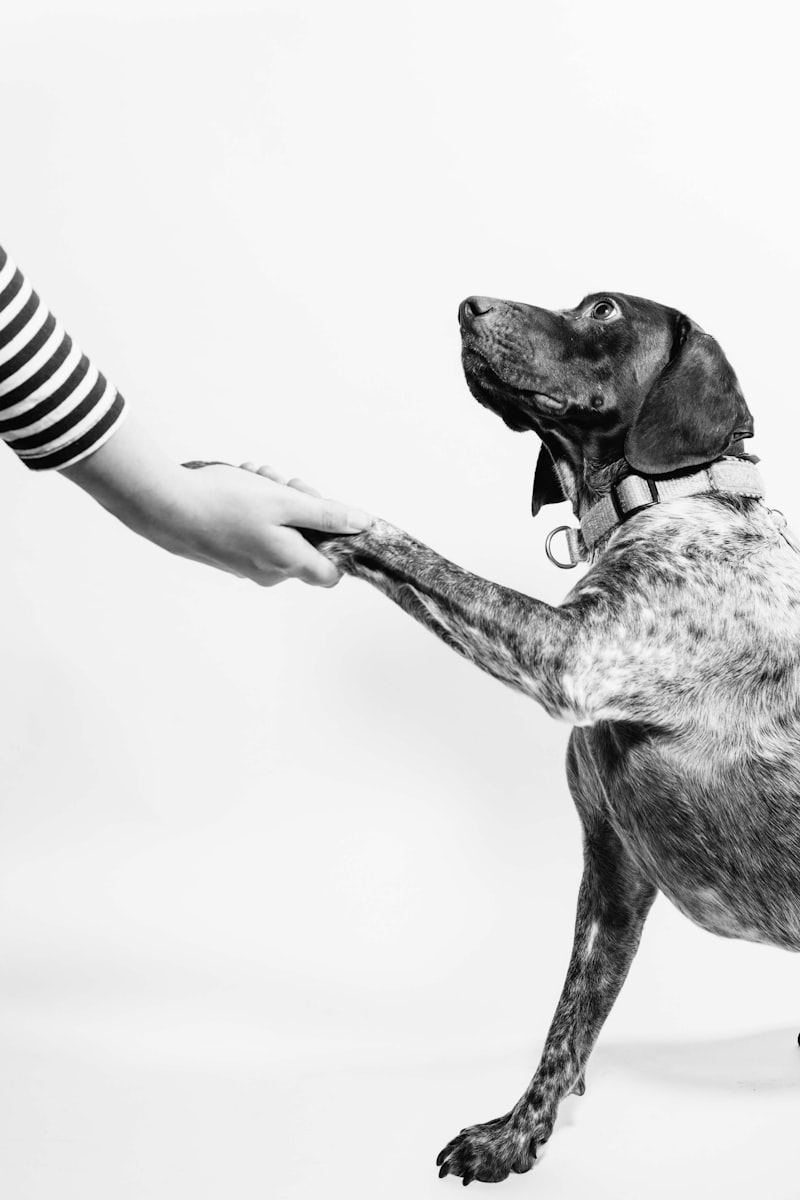
Introduction and Definition of Animal-Assisted Therapy (AAT)
Animal-Assisted Therapy, often abbreviated as AAT, constitutes a specialized and structured therapeutic modality within the broader fields of psychology, rehabilitation, and medicine. It is fundamentally defined as the intentional inclusion of an animal in a treatment regimen designed to achieve specific, measurable therapeutic goals, guided by a credentialed health professional. This process is distinct from casual interaction with pets, requiring rigorous documentation, goal setting, and evaluation. The core principle of AAT involves leveraging the unique, non-judgmental bond between humans and animals to facilitate positive psychological, physiological, and emotional changes in the patient. The interaction is carefully managed to enhance an individual’s social, cognitive, or emotional functioning, providing a novel and often highly effective pathway when traditional verbal therapies face limitations.
According to established therapeutic guidelines, Animal-Assisted Therapy refers specifically to the use of animals to enhance the functioning and daily lives of therapy patients. This definition emphasizes that the animal is not merely present but is an integral component of the intervention, working under the direction of a qualified therapist, such as a psychologist, occupational therapist, or social worker. The effectiveness of AAT stems from its ability to reduce perceived stress, lower blood pressure, and increase the release of oxytocin, often referred to as the bonding hormone, thereby creating a safe and conducive environment for therapeutic work. This specialized brand of psychotherapy is highly adaptable, catering to a wide range of needs from acute stress reduction to long-term rehabilitation for complex neurological or psychological disorders.
Crucially, AAT is distinguished by its focus on objective improvement across multiple domains of functioning. Individuals who often demonstrate significant gains include older adults dealing with isolation, or people suffering from a lack of appropriate social skills or social interactions, such as those with autism spectrum disorder or severe anxiety. The animal acts as a powerful social lubricant and a catalyst for communication, offering unconditional acceptance that can be difficult to replicate in human-to-human interactions during early stages of therapy. This approach moves beyond simple companionship, integrating the animal interaction into a clinical framework aimed at measurable improvements in areas such as motor skills, impulse control, communication competence, and affective regulation.
Historical Context and Evolution of AAT
While the formal recognition and standardization of Animal-Assisted Therapy are relatively modern phenomena, the concept of utilizing animals for therapeutic benefit spans centuries. Early examples of animals being integrated into healing environments date back to ancient Greece, where horses were utilized to lift the spirits of the severely ill. However, the systematic documentation and theoretical underpinning of this practice began to coalesce in the modern era. Florence Nightingale, the founder of modern nursing, recognized the therapeutic value of small pets in the recovery of chronic patients during the mid-19th century, noting that they offered exceptional companionship and a means of distraction from suffering. These early observations laid the groundwork for future clinical investigation into the human-animal bond.
The true progenitor of modern AAT research is often considered to be child psychiatrist Boris Levinson, who popularized the term Pet Therapy in the 1960s. Levinson accidentally discovered the positive impact of his dog, Jingles, on a non-communicative child patient. His subsequent work detailed how animals could serve as mediators, helping children who struggled with traditional communication methods to open up and engage in the therapeutic process. Levinson’s publications were initially met with skepticism within the rigid psychiatric community, but they spurred critical academic interest, leading to more rigorous studies and the formal establishment of organizations dedicated to promoting and standardizing the practice.
The evolution continued into the late 20th century, moving from the generalized concept of “Pet Therapy” to the more clinically defined “Animal-Assisted Therapy.” This shift reflected a growing emphasis on evidence-based practice and professional accountability. Organizations like the Delta Society (now Pet Partners) established protocols for animal screening, handler training, and ethical practice. Today, AAT is utilized globally across diverse settings, including hospitals, prisons, nursing homes, and schools, demonstrating its versatility. The historical trajectory shows a clear progression from anecdotal observation of comfort to structured clinical intervention, driven by increasing scientific validation of the physiological and psychological effects of human-animal interaction.
Theoretical Foundations and Mechanisms of Action
The efficacy of Animal-Assisted Therapy is supported by several robust theoretical frameworks rooted in psychology and neurobiology. One primary mechanism centers on the Biophilia Hypothesis, proposed by E.O. Wilson, which posits that humans possess an innate, evolutionary tendency to seek connections with nature and other forms of life. The presence of a trained therapy animal taps into this deeply ingrained connection, promoting feelings of familiarity, safety, and security, which are essential prerequisites for effective psychotherapy. This biological predisposition explains why the interaction often leads to rapid reductions in anxiety and defensiveness, allowing the therapist to access deeper emotional material.
Neurochemically, AAT is understood to activate the parasympathetic nervous system, countering the ‘fight or flight’ response governed by the sympathetic system. Studies consistently show that interacting with a calm, friendly animal can lead to measurable physiological changes, including a decrease in cortisol (the primary stress hormone), lowering of heart rate, and reduction in blood pressure. Simultaneously, this interaction triggers the release of beneficial neurotransmitters, notably oxytocin, dopamine, and endorphins. Oxytocin, often linked to bonding and trust, facilitates social attachment and reduces feelings of isolation, making AAT particularly useful for populations struggling with social detachment or trauma-related avoidance behaviors.
Furthermore, AAT utilizes principles derived from behavioral and cognitive theories. Behaviorally, the animal serves as a non-threatening source of contingent reinforcement; learning to gently interact with the animal teaches skills like empathy, patience, and non-verbal communication. Cognitively, the animal can act as an external focus of attention, diverting the patient from internal rumination or painful self-absorption. For instance, instructing a patient to care for the animal or lead it through a simple task promotes the development of executive functioning skills, responsibility, and emotional regulation, providing tangible evidence of competence and success that can be generalized to other areas of life.
Applications and Target Populations
Animal-Assisted Therapy is highly versatile, finding successful application across an extensive spectrum of physical and mental health challenges. In pediatric settings, AAT is used to reduce anxiety during medical procedures, enhance physical rehabilitation compliance, and improve educational engagement for children with learning disabilities. For adults, AAT is frequently integrated into treatment plans for post-traumatic stress disorder (PTSD), severe depression, and anxiety disorders, where the animal provides a stable, grounding presence that mitigates flashbacks and panic attacks. The animal’s ability to live purely in the present moment often helps patients learn mindfulness and emotional grounding techniques.
One of the most significant target populations benefitting from AAT includes older individuals residing in long-term care facilities, where issues of loneliness, cognitive decline, and lack of social interaction are pervasive. The presence of a therapy animal stimulates memory recall, particularly for those with dementia, and provides a much-needed opportunity for nurturing and physical touch. By giving the older individual a sense of purpose and responsibility—even if only for the duration of the session—AAT combats the passivity and learned helplessness often associated with institutional living. This interaction directly addresses the original stated benefit of AAT for those suffering from a lack of appropriate social interactions.
Beyond traditional clinical settings, AAT has proven effective in specialized environments. In forensic psychology, animals are used to establish rapport with victims of crime or abuse, helping them feel safe enough to recount traumatic experiences. In physical rehabilitation, the animal can motivate patients to perform exercises; for example, a patient recovering from a stroke might be encouraged to reach or walk to interact with the animal, turning monotonous physical therapy into an engaging, goal-oriented activity. These diverse applications underscore the fundamental role of the animal as a motivational bridge, facilitating therapeutic engagement that might otherwise be resisted by the patient.
Types of Animals Used in Therapy
While dogs and cats are the most common and standardized species used in Animal-Assisted Therapy, the field encompasses a surprisingly diverse range of animals, provided they meet rigorous health, temperament, and training standards. The choice of animal often depends heavily on the specific therapeutic goal and the environment. Canines, particularly Golden Retrievers, Labradors, and mixed breeds known for their stable temperaments, are favored for their trainability, social responsiveness, and capacity to perform complex tasks, such as alerting handlers to patient distress or providing deep pressure stimulation.
Equine-Assisted Therapy (EAT), often referred to as hippotherapy, utilizes horses. EAT is powerful for physical rehabilitation, as the horse’s gait mimics the human walking pattern, offering therapeutic movement stimulation for patients with gait disorders or neurological conditions. Psychologically, working with horses, which are large and sensitive prey animals, requires patients to master non-verbal communication, assertiveness, and emotional regulation, offering profound opportunities for insight into relational patterns and trust building.
Other species frequently employed include smaller, quieter animals suitable for confined or sterile environments. Felines offer comfort and tactile stimulation, often preferred in hospice settings or for individuals who find the energy of a dog overwhelming. Furthermore, small caged animals like guinea pigs, rabbits, and birds are sometimes used in situations where direct contact may be limited or where the focus is on developing responsibility through caretaking tasks. Exotic animals are generally discouraged unless highly specialized protocols are in place, due to regulatory challenges, zoonotic disease risk, and difficulties in ensuring consistent temperament.
Distinguishing AAT from Animal-Assisted Activities (AAA)
A critical distinction must be maintained between Animal-Assisted Therapy (AAT) and Animal-Assisted Activities (AAA), often referred to simply as pet therapy. While both involve animals and provide benefit, they differ significantly in their structure, goals, professional oversight, and required documentation. AAA involves casual visitations by trained volunteers and their pets to provide comfort, socialization, and recreational opportunities. These interactions are generally unstructured, spontaneous, and non-goal oriented. For example, a volunteer bringing a dog to a nursing home lobby for residents to pet is conducting an AAA.
In contrast, AAT is a formal, goal-directed intervention led by a licensed health professional who defines specific therapeutic objectives for the patient, such as “Patient will increase verbal interactions with staff by 20% over four weeks facilitated by the presence of the therapy animal.” The professional integrates the animal into the clinical treatment plan, meticulously tracks the patient’s progress toward the established goals, and documents the measurable outcomes. The intervention is individualized to the patient’s needs and diagnosis, making it a true form of specialized psychotherapy requiring clinical expertise to execute and evaluate.
The distinction also impacts credentialing and training. While animals used in AAA must pass temperament tests, the human handler in AAT must possess a professional license (e.g., LSW, PhD, OTR/L) that legally permits them to conduct therapy, in addition to specialized training in integrating the animal into clinical practice. Failing to differentiate between AAT and AAA can lead to misuse of terminology and misrepresentation of services, underscoring the necessity of adherence to professional standards set by organizations like the International Association of Human-Animal Interaction Organizations (IAHAIO).
Clinical Benefits and Outcomes (Social, Cognitive, Emotional)
The core benefits of AAT are often categorized into three interdependent domains: social, cognitive, and emotional. Socially, the animal serves as an immediate and powerful social catalyst, helping individuals, especially those with social skill deficits or extreme shyness, to initiate and sustain interactions. The animal provides a safe topic of conversation and a non-judgmental third party, reducing the anxiety inherent in forming new human relationships. This enhanced social engagement is vital for combating the isolation often experienced by institutionalized or severely disabled populations.
Cognitively, AAT promotes enhanced functioning through engagement in activities requiring focus, memory, and problem-solving. For instance, teaching an animal a command or remembering the proper grooming routine stimulates executive function skills. This is particularly relevant in rehabilitation settings where patients need to regain cognitive clarity following trauma or illness. The need to respond appropriately to the animal’s cues also sharpens observational skills and attention span, providing concrete, immediate feedback on the success or failure of communication attempts, which reinforces learning.
Emotionally, the benefits are perhaps the most immediately apparent. The simple act of touching and petting an animal provides immense comfort, significantly reducing feelings of depression and loneliness. AAT fosters the development of empathy and compassion, as patients learn to recognize and respond to the emotional needs of a non-human creature. Furthermore, the unconditional positive regard offered by the animal bolsters self-esteem and self-efficacy, critical components for individuals struggling with self-worth issues. The emotional bond formed can be profound, serving as a stable anchor during emotionally tumultuous periods of intensive therapy.
Ethical and Professional Considerations
The practice of Animal-Assisted Therapy is governed by stringent ethical standards that prioritize the safety and well-being of both the patient and the therapy animal. Professionals must adhere to a dual obligation: ensuring the therapeutic effectiveness for the client while meticulously safeguarding the welfare of the animal partner. This means recognizing that therapy animals are workers, not merely pets, and are susceptible to stress, fatigue, and burnout. Protocols must be established for managing the animal’s workload, providing adequate rest and decompression time, and recognizing subtle signs of distress.
Key ethical considerations involve patient safety and infection control. All therapy animals must undergo rigorous health screening, including up-to-date vaccinations and parasite prevention, especially when working in sterile environments like hospitals. Furthermore, suitability assessments are crucial; not every animal is temperamentally suited for therapeutic work, requiring extensive testing for stability, predictability, and tolerance to sudden noises or movements. The professional must be skilled in risk management, including identifying and mitigating potential allergic reactions or fears the patient may have regarding animals.
Professionally, practitioners must ensure transparency regarding the boundaries of their competence. They must only utilize AAT within the scope of their primary therapeutic license and ensure they have received specialized training in human-animal interaction modalities. Documentation must clearly reflect how the animal’s presence contributed to the achievement of clinical goals, justifying the method’s inclusion in the treatment plan. This commitment to evidence-based, ethical practice is essential for maintaining the credibility and efficacy of Animal-Assisted Therapy as a respected clinical intervention.
Training and Certification Requirements
To ensure high standards of practice and patient safety, both the human handler and the animal require specialized training and formal certification before engaging in Animal-Assisted Therapy. For the animal, the requirements typically involve passing comprehensive temperament tests that evaluate obedience, social behavior, reactions to medical equipment, tolerance of handling by strangers, and response to unexpected stimuli. Only animals demonstrating exceptional stability, predictability, and enthusiasm for interaction are certified. These certifications must be periodically renewed to ensure ongoing suitability.
The professional handler must first possess a recognized license in a human health field (e.g., psychology, physical therapy, nursing). Beyond this foundational credential, the individual must complete specialized AAT training that focuses on the dynamics of the human-animal bond, recognizing animal stress signals, implementing infection control protocols, and integrating animal participation into evidence-based treatment plans. This training ensures the professional can accurately document and measure the effectiveness of the animal’s contribution to the therapeutic process, moving the practice beyond mere visitation.
Certification is often provided by national and international organizations dedicated to human-animal interactions, such as Pet Partners or the American Hippotherapy Association (AHA) for equine therapy. These bodies establish standardized curricula and competency evaluations. Adherence to these strict guidelines ensures that AAT remains a respected, effective, and safe complementary therapy, clearly differentiating credentialed therapeutic practice from general pet companionship services.