Animal Emotion: Do Beasts Feel Like Us?
Scientifically Reviewed · Dr. Marwa Abd-Alazim · September 25, 2026
Review Criteria & Clinical Standards
This content undergoes rigorous scientific peer-review and medical editorial standards at Arab Psychology Network to ensure clinical accuracy, validity, and compliance with evidence-based guidelines from leading psychological and healthcare authorities (APA / WHO).
Historical and Philosophical Foundations of Animal Emotionality
The study of animal emotionality has undergone a profound transformation, evolving from early philosophical dismissals to a rigorous branch of comparative psychology and affective neuroscience. Historically, the Western intellectual tradition was heavily influenced by Cartesian dualism, a framework proposed by René Descartes in the 17th century which posited that non-human animals were mere biological automata, devoid of consciousness, feelings, or the capacity for suffering. This mechanistic view suggested that animal vocalizations or reactions to pain were simply reflexive responses, much like the ticking of a clock, rather than expressions of internal subjective experience. This paradigm dominated scientific thought for centuries, creating a significant barrier to the formal investigation of animal sentience and emotional depth.
The shift toward a more nuanced understanding began with the publication of Charles Darwin’s seminal work, The Expression of the Emotions in Man and Animals (1872). Darwin argued for evolutionary continuity, suggesting that if humans and animals share common ancestors, they must also share fundamental psychological and emotional traits. Darwin meticulously documented similarities in facial expressions, postures, and vocalizations across species, asserting that emotions serve as adaptive mechanisms that enhance survival. By framing emotions as biological tools for navigating the environment, Darwin laid the groundwork for the modern ethological approach, which views emotionality as a critical component of an organism’s evolutionary fitness.
In the mid-20th century, the rise of behaviorism momentarily stalled the study of internal emotional states, as researchers like B.F. Skinner argued that science should focus exclusively on observable behaviors rather than inaccessible mental processes. However, the subsequent cognitive revolution and the emergence of affective neuroscience in the late 20th century, led by figures such as Jaak Panksepp, revitalized the field. Today, animal emotionality is recognized as a complex interplay of physiological arousal, cognitive appraisal, and behavioral expression. Scholars now distinguish between “emotions” as measurable, short-term physiological responses and “moods” as longer-term affective states, providing a sophisticated framework for understanding the inner lives of non-human species.
Neurobiological Mechanisms of Affective Experience
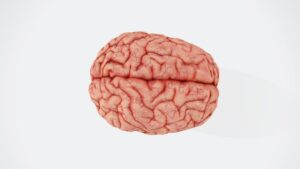
The biological basis of animal emotionality is rooted in highly conserved subcortical structures within the brain, particularly the limbic system. Research has demonstrated that the neural circuits responsible for basic emotions like fear, rage, and lust are remarkably similar across mammalian species. The amygdala, for instance, plays a central role in processing threats and orchestrating the “fight or flight” response, while the hypothalamus regulates the hormonal cascades associated with stress and arousal. Because these structures are phylogenetically ancient, they function similarly in humans, rodents, primates, and even some non-mammalian vertebrates, suggesting that the “feeling” of an emotion has deep evolutionary roots.
Neurotransmitters and neuromodulators are essential for the regulation of these affective states. The dopaminergic system is heavily involved in the anticipation of rewards and the “seeking” behavior that drives animals to explore their environments. Conversely, the oxytocin and vasopressin systems are critical for social bonding, maternal care, and the formation of pair bonds, particularly in social species. By studying the concentrations and receptor sensitivities of these chemicals, researchers can gain insights into the valance (positivity or negativity) and intensity of an animal’s emotional experience, moving beyond mere observation to a molecular understanding of affect.
Furthermore, the concept of neural plasticity highlights how emotional experiences can reshape the brain over time. Chronic exposure to stressors can lead to the hypertrophy of the amygdala and the atrophy of the hippocampus, a region involved in memory and emotional regulation. This structural remodeling explains why animals in impoverished or abusive environments often exhibit heightened anxiety and reduced resilience. Understanding these neurobiological pathways is crucial for developing interventions in veterinary medicine and animal welfare, as it provides a physical target for treating emotional disorders in captive and domestic animals.
Methodological Paradigms in Assessing Animal Affect
One of the primary challenges in the study of animal emotionality is the problem of subjectivity; since animals cannot provide verbal self-reports, researchers must rely on indirect measures to infer their internal states. Current methodologies employ a multi-modal approach, combining behavioral ethograms, physiological monitoring, and cognitive testing. Behavioral indicators often include vocalizations (such as the ultrasonic chirps of rats during play), facial expressions (coded through “Grimace Scales” in species like mice and horses), and body postures. These observations are carefully quantified to ensure objectivity and repeatability in scientific studies.
Physiological measures provide a more direct window into the autonomic nervous system‘s response to emotional stimuli. Researchers frequently monitor heart rate variability (HRV), skin temperature, and levels of glucocorticoids like cortisol or corticosterone in saliva, blood, or feces. While these markers are indicative of arousal, they can be ambiguous, as both extreme fear and extreme excitement can trigger similar physiological spikes. Therefore, these metrics are most effective when used in conjunction with behavioral data to determine the specific emotional context of the physiological change.
A significant breakthrough in this field is the development of the cognitive bias task, which measures how an animal’s emotional state influences its information processing. Based on the human psychological principle that depressed individuals tend to interpret ambiguous stimuli negatively (pessimism), these tasks train animals to associate one stimulus with a reward and another with a neutral or negative outcome. When presented with an ambiguous, intermediate stimulus, an animal in a positive affective state is more likely to approach it (optimism), whereas an animal in a negative state will avoid it. This paradigm has become a gold standard for assessing long-term welfare and mood in laboratory, farm, and zoo settings.
The Primary Affective Systems in Mammals
According to the framework of affective neuroscience, there are several primary-process emotional systems that are hardwired into the mammalian brain. These systems are not learned but are innate evolutionary adaptations that help animals navigate fundamental life challenges. The activation of these circuits produces distinct behavioral patterns and subjective feelings that guide the animal’s interactions with its world. These systems include:
- SEEKING: The general motivational system that drives foraging, exploration, and curiosity.
- FEAR: The circuit that manages responses to physical danger and predation.
- RAGE: The system triggered by frustration, restraint, or the need to defend resources.
- LUST: The neural pathways governing sexual desire and reproductive behavior.
- CARE: The nurturance system essential for maternal bonding and social cohesion.
- PANIC/GRIEF: The system activated by social separation and the loss of attachment figures.
- PLAY: The circuit that facilitates social joy, physical development, and the learning of social boundaries.
The SEEKING system is perhaps the most fundamental, as it provides the “psychic energy” required for an animal to engage with its environment. When this system is active, animals exhibit intense interest and sniffing, driven by dopamine release. In contrast, the PANIC/GRIEF system is particularly sensitive in social species; when young animals are separated from their caregivers, they emit distress vocalizations that are neurochemically distinct from fear vocalizations. Understanding these specific systems allows researchers to categorize animal emotions more precisely than simply labeling them as “happy” or “sad.”
The PLAY system is of particular interest to ethologists because it appears to be a hallmark of high-level emotional health. Social play involves complex communication, such as the “play bow” in dogs or the “relaxed open-mouth display” in primates, which signals that aggressive-looking behaviors (like wrestling) are non-threatening. Play not only fosters social bonds but also serves as a mechanism for emotional regulation, allowing young animals to practice responding to unexpected events in a safe context. The absence of play is often one of the first indicators of compromised welfare or chronic stress in a population.
Social Complexity and Prosocial Emotions
Beyond the primary emotions, many species exhibit secondary or social emotions that require a higher degree of cognitive complexity. These include empathy, jealousy, and a sense of fairness. Empathy, once thought to be uniquely human, is now understood as a multi-layered phenomenon. It begins with emotional contagion, where one individual “catches” the emotional state of another, such as when a whole flock of birds takes flight in response to the alarm call of one individual. More advanced forms of empathy involve “consolation behavior,” where an uninvolved individual provides comfort to a victim of aggression, a behavior frequently observed in chimpanzees, elephants, and ravens.
The concept of inequity aversion—the negative reaction to unfair treatment—has been famously demonstrated in capuchin monkeys and domestic dogs. In controlled experiments, an individual will often refuse to participate in a task if they see a peer receiving a high-value reward (like a grape) for the same effort that only earned them a low-value reward (like a cucumber). This suggests that some animals possess a rudimentary moral compass and an emotional sensitivity to social reciprocity. These findings challenge the traditional view that animal social life is governed solely by dominance and raw competition.
Grief and mourning are also increasingly documented in the wild, particularly among cetaceans, elephants, and higher primates. Observations of mothers carrying deceased infants for days or groups of elephants returning to the bones of deceased matriarchs suggest a deep attachment and loss response. While it is difficult to ascertain the exact nature of an animal’s “thoughts” regarding death, the physiological and behavioral shifts following a loss—such as lethargy, reduced appetite, and social withdrawal—mirror the human experience of bereavement, suggesting a shared biological substrate for social bonding.
Anthropomorphism and the Scientific Method
The study of animal emotionality must constantly navigate the tension between anthropomorphism (projecting human traits onto animals) and anthropodenial (the refusal to recognize human-like traits in animals). Critics of the field often invoke Morgan’s Canon, a principle of parsimony which states that one should not interpret an action as the outcome of a higher mental faculty if it can be explained by a lower one. This has traditionally led to very conservative interpretations of animal behavior, often dismissing emotional complexity in favor of simple associative learning or instinctual drives.
However, many contemporary ethologists argue that “critical anthropomorphism” can be a valuable scientific tool. By using our own emotional experiences as a starting point, researchers can generate testable hypotheses about animal behavior. For example, if a behavior looks like grief, scientists can look for the physiological markers of grief (such as elevated cortisol and suppressed immune function) to see if the comparison holds up. This approach acknowledges that while animal emotions are not identical to human emotions, they are homologous structures that share an evolutionary origin.
To maintain scientific rigor, it is essential to avoid “sentimental anthropomorphism,” which ignores the unique sensory worlds and ecological needs of different species. An animal’s emotional experience is filtered through its specific Umwelt (environment as perceived by the organism). For instance, a dog’s emotional world is heavily mediated by olfaction, while a bat’s may be linked to echolocation. Understanding animal emotionality requires a “species-centered” approach that respects both the similarities and the profound differences between the human and non-human experience.
Ethical Implications and Animal Welfare Applications
The scientific validation of animal emotionality has significant implications for ethics and law. As we move away from the view of animals as “things” and toward a recognition of them as sentient beings, our legal and moral obligations change. Many countries have begun to update their animal welfare acts to include the protection of emotional well-being, not just physical health. This shift is reflected in the move from the “Five Freedoms” to the “Five Domains” model of animal welfare, which places a heavy emphasis on the promotion of positive affective states rather than merely the absence of suffering.
In practical terms, this knowledge is applied through environmental enrichment in zoos, laboratories, and farms. By understanding that a pig has a strong SEEKING drive, caretakers can provide substrate for rooting, which reduces frustration and prevents the development of abnormal repetitive behaviors (stereotypies). Similarly, recognizing the PANIC/GRIEF response in social animals has led to better practices in weaning and social grouping in the agricultural industry. The goal of modern welfare science is to provide animals with a “life worth living,” which is defined by a preponderance of positive over negative emotional experiences.
- Nutrition: Providing food that is not only nutritionally complete but also behaviorally satisfying.
- Environment: Ensuring thermal comfort, physical safety, and sensory stimulation.
- Health: Preventing disease and injury while managing pain effectively.
- Behavior: Allowing for the expression of natural behaviors and agency.
- Mental State: Achieving a positive emotional balance by minimizing fear and distress.
Future Directions in Comparative Psychology
The future of animal emotionality research lies in the integration of genomics and real-time neuroimaging. Emerging technologies like functional Near-Infrared Spectroscopy (fNIRS) and portable EEG allow researchers to monitor brain activity in moving, conscious animals, providing a more dynamic view of emotional processing. Furthermore, the study of epigenetics is revealing how the emotional experiences of parents can be passed down to offspring through chemical modifications to DNA, suggesting that the “emotional legacy” of a population can be shaped by its environment over generations.
Another expanding frontier is the study of emotionality in invertebrates and non-mammalian vertebrates. Recent studies on octopuses, bees, and fish have suggested that these animals may experience states analogous to pain, anxiety, and even play. For example, bees have shown “optimistic” cognitive biases after receiving a surprise sugar reward, similar to the responses seen in mammals. Expanding our scope beyond the “charismatic megafauna” will be essential for developing a truly universal theory of how affect evolved and its role in the tree of life.
Ultimately, the study of animal emotionality serves as a bridge between the biological and social sciences. By acknowledging the continuity of emotional life across species, we gain a deeper understanding of our own humanity. The emotions we feel—the sting of loss, the warmth of a social bond, the thrill of discovery—are not unique to us; they are part of a shared biological heritage that connects us to the rest of the sentient world. As research continues to peel back the layers of the animal mind, it challenges us to reconsider our relationship with the natural world and the responsibilities we bear toward its inhabitants.