Anticholinergic Syndrome: The Hidden Cost to Your Cognition
Scientifically Reviewed · Dr. Marwa Abd-Alazim · August 28, 2026
Review Criteria & Clinical Standards
This content undergoes rigorous scientific peer-review and medical editorial standards at Arab Psychology Network to ensure clinical accuracy, validity, and compliance with evidence-based guidelines from leading psychological and healthcare authorities (APA / WHO).
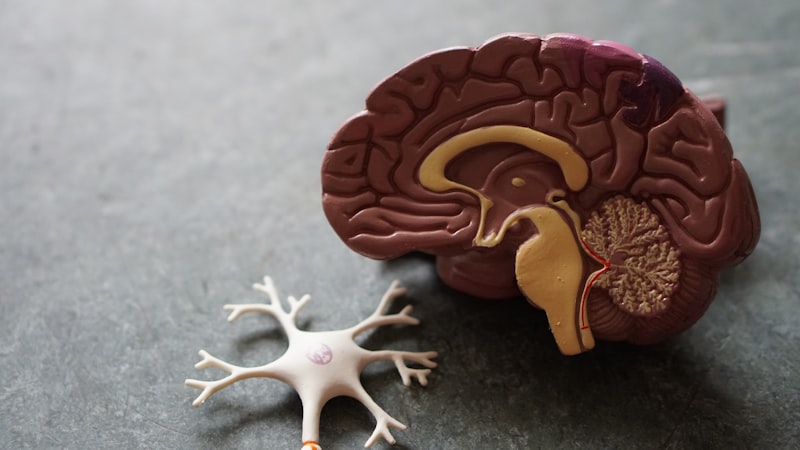
Introduction and Definition of Anticholinergic Syndrome (ACS)
The Anticholinergic Syndrome (ACS) is a clinical disorder, recognized formally as a toxidrome, resulting from the systemic blockade of muscarinic acetylcholine receptors. This impairment disrupts normal cholinergic neurotransmission, producing a wide spectrum of physiological and psychological disturbances that affect both the central nervous system (CNS) and the peripheral nervous system (PNS). Acetylcholine is a critical neurotransmitter responsible for mediating parasympathetic functions, which generally involve rest, digestion, and cognitive processing. When its action is inhibited by anticholinergic drugs, the balance of autonomic control is severely tipped, leading to a predictable and potentially life-threatening set of symptoms. Understanding ACS is paramount in clinical pharmacology and toxicology, as many commonly prescribed medications possess significant anticholinergic properties, often causing adverse effects that are misdiagnosed as unrelated conditions or simply attributed to aging.
The severity of Anticholinergic Syndrome is highly dependent on the degree to which the causative agent penetrates the blood-brain barrier. Effects tend to be significantly more severe and carry greater morbidity when the central nervous system is profoundly impacted, leading to manifestations such as delirium, hallucinations, and seizures. Conversely, peripheral effects, while uncomfortable and disruptive, primarily involve the autonomic regulation of glands and smooth muscle structures. Clinically, ACS presents a diagnostic challenge because its symptoms can overlap with various primary psychiatric disorders, metabolic derangements, or other drug-induced toxicities. Therefore, a comprehensive medication history is crucial when evaluating a patient presenting with acute confusion or unexplained autonomic instability.
The classic presentation of ACS is often summarized by mnemonic phrases describing the physiological state resulting from blocked parasympathetic outflow and unopposed sympathetic activity. These descriptors emphasize the hyperthermia, cutaneous flushing, and systemic drying effects that characterize the peripheral syndrome. While the peripheral signs provide important clues, it is the rapid deterioration of cognitive function and the emergence of severe psychiatric symptoms that define the acute central anticholinergic crisis, necessitating immediate medical intervention. The potential for fatality arises primarily from complications such as uncontrolled hyperthermia, cardiovascular instability, or aspiration resulting from severe CNS depression or seizure activity.
Pathophysiology and Mechanism of Action
The underlying mechanism of Anticholinergic Syndrome centers on the competitive antagonism of acetylcholine (ACh) at muscarinic receptors throughout the body. Acetylcholine is synthesized in cholinergic neurons and released into the synaptic cleft, where it binds to two main classes of receptors: nicotinic and muscarinic. Anticholinergic drugs primarily target the muscarinic receptors (M1 through M5 subtypes), preventing ACh from binding and initiating the necessary intracellular signaling cascade. Muscarinic receptors are ubiquitous, found in the autonomic ganglia, postganglionic parasympathetic nerve endings (innervating the heart, smooth muscles, and exocrine glands), and within the brain, particularly areas crucial for memory, learning, and motor control.
Different muscarinic subtypes mediate distinct functions. For instance, M1 receptors are prevalent in the CNS and autonomic ganglia, contributing significantly to cognitive function and gastric acid secretion. M2 receptors are critical in the heart, where their blockade leads to tachycardia, a common symptom of ACS. M3 receptors regulate smooth muscle contraction (e.g., in the bladder, GI tract, and pupils) and glandular secretion (saliva, sweat). When anticholinergic agents block these receptors, the resulting functional deficits directly correspond to the clinical symptoms observed. For example, M3 blockade in the salivary glands causes dry mouth (xerostomia), while M3 blockade in the detrusor muscle of the bladder causes urinary retention.
The differential distribution and functional roles of these receptor subtypes explain the diverse presentation of ACS. Drugs that are highly lipophilic, meaning they can easily cross the lipid barrier of the cell membranes, readily penetrate the blood-brain barrier, leading to potent central effects through M1 receptor antagonism. Conversely, quaternary ammonium anticholinergic agents are highly ionized and less lipophilic, primarily restricting their effects to the periphery, minimizing cognitive impairment but still inducing profound peripheral signs. Therefore, the pharmacological properties of the offending agent—specifically its affinity for muscarinic receptors and its ability to cross the blood-brain barrier—are the key determinants of whether a patient experiences a predominantly peripheral or a severe central Anticholinergic Syndrome.
Clinical Manifestations: Central Nervous System (CNS) Effects
The central component of Anticholinergic Syndrome represents the most dangerous aspect of the toxidrome, often manifesting as a state of acute delirium. This delirium is characterized by a rapid onset of fluctuating mental status, inattention, disorganized thinking, and an altered level of consciousness. The initial signs often include confusion and disorientation, progressing quickly to visual or tactile hallucinations, agitation, and paranoid ideation. These symptoms arise directly from the disruption of cholinergic pathways in the cerebral cortex and hippocampus, areas vital for attention, memory consolidation, and executive function. Patients may exhibit behavioral changes ranging from extreme restlessness and picking at clothes (floccillation) to profound lethargy and stupor.
Memory impairment, specifically difficulties with short-term memory and recall, is a hallmark of central ACS. Patients experience significant memory problems, often exhibiting confabulation or an inability to process new information effectively. Furthermore, central anticholinergic activity can disrupt motor coordination, leading to cerebellar symptoms such as ataxia (unsteady gait) and dysarthria (slurred speech). The severe agitation that sometimes accompanies central ACS can place the patient at risk of self-harm or injury, necessitating physical or chemical restraint until the syndrome resolves. In severe intoxications, particularly those involving high doses or highly potent CNS-penetrant agents, seizures and coma may ensue, highlighting the critical nature of prompt diagnosis and treatment.
The presence of central symptoms dictates a significantly more aggressive therapeutic approach compared to isolated peripheral effects. The classical rhyme used to describe the central state—”Mad as a hatter”—directly reflects the historical observation of profound psychosis and behavioral disturbance caused by anticholinergic poisoning. The neurological consequences are often dose-dependent, but individuals with pre-existing cognitive deficits, such as the elderly or those with underlying neurodegenerative conditions, are acutely sensitive to even low doses of anticholinergic medications, triggering central symptoms rapidly and often severely.
Clinical Manifestations: Peripheral Nervous System (PNS) Effects
Peripheral symptoms of Anticholinergic Syndrome are caused by the blockade of acetylcholine at postganglionic parasympathetic effector sites. These effects are responsible for the classic physiological presentation of ACS, often summarized by the mnemonic: “Red as a beet, dry as a bone, blind as a bat, hot as a hare, and mad as a hatter.” While the last descriptor relates to CNS effects, the others perfectly encapsulate the peripheral autonomic failure.
The most immediate and common peripheral symptoms involve glandular inhibition. The patient experiences severe dry mouth (xerostomia) due to the cessation of salivary gland secretion, and often dry, irritated eyes due to reduced tear production. Inhibition of sweating (anhidrosis) is particularly dangerous, as it impairs the body’s primary mechanism for heat dissipation. This results in the patient becoming “hot as a hare,” leading to flushed, warm, and dry skin (“red as a beet” and “dry as a bone”) and potentially life-threatening hyperthermia, especially in warm environments or during physical exertion.
Ocular effects are prominent, resulting in mydriasis (fixed, dilated pupils) due to unopposed sympathetic stimulation of the pupillary dilator muscle. Since the ciliary muscle, responsible for accommodation, is also paralyzed (cycloplegia), the patient becomes “blind as a bat,” experiencing blurred near vision. Gastrointestinal and genitourinary smooth muscle paralysis leads to reduced peristalsis, causing severe constipation and paralytic ileus, alongside difficulty or inability to void, resulting in urinary retention. These peripheral manifestations, though generally less acute than central delirium, require careful management to prevent complications such as thermal injury, bowel obstruction, or bladder rupture.
- Ocular Symptoms: Fixed, dilated pupils (mydriasis); loss of accommodation (cycloplegia); blurred vision.
- Glandular Symptoms: Severe dry mouth (xerostomia); reduced sweating (anhidrosis); dry skin and mucous membranes.
- Cardiovascular Symptoms: Tachycardia; mild hypertension (though severe overdose can lead to hypotension).
- Gastrointestinal/Genitourinary Symptoms: Decreased bowel motility; constipation; difficulty urinating or urinary retention.
Pharmacological Agents Implicated in ACS
Anticholinergic Syndrome is directly caused by the actions of various pharmacological agents that possess antimuscarinic properties. Critically, these drugs span numerous therapeutic classes, meaning patients often inadvertently accumulate anticholinergic burden through polypharmacy—taking multiple medications, each contributing a degree of receptor blockade. The risk for this syndrome is significantly higher when individuals take combinations of these drugs, even if the individual drug doses are within therapeutic range. The concept of anticholinergic burden is now a standard measure used to assess a patient’s cumulative risk for developing ACS, especially concerning cognitive impairment.
A primary group of causative agents includes psychotropic medications. Tricyclic antidepressants (TCAs), such as amitriptyline and imipramine, are notorious for their potent anticholinergic effects, which contribute significantly to their side-effect profile and toxicity in overdose. Similarly, many older antipsychotic drugs, particularly first-generation agents like chlorpromazine and thioridazine, exhibit strong antimuscarinic activity. These drugs often target multiple neurotransmitter systems, but their anticholinergic effects are frequently responsible for the resulting confusion and peripheral symptoms seen in patients.
Other major pharmacological classes contributing to ACS include anti-Parkinsonian agents, which are specifically designed to block central cholinergic activity to restore the balance between dopamine and acetylcholine in the basal ganglia. Examples include trihexyphenidyl and benztropine. Furthermore, numerous over-the-counter (OTC) and prescription medications contribute to the overall burden, including first-generation antihistamines (like diphenhydramine), muscle relaxants, antiemetics, and certain medications used to treat urinary incontinence (such as oxybutynin). Clinicians must maintain a high index of suspicion when any patient receiving a combination of these agents presents with the characteristic signs of ACS.
- Tricyclic Antidepressants (TCAs): Amitriptyline, Nortriptyline, Imipramine.
- First-Generation Antipsychotics: Chlorpromazine, Thioridazine, Haloperidol (to a lesser degree).
- Anti-Parkinsonian Agents: Benztropine, Trihexyphenidyl.
- Antihistamines (First Generation): Diphenhydramine, Chlorpheniramine.
- Gastrointestinal/Urological Agents: Dicyclomine, Oxybutynin, Tolterodine.
Risk Factors and Vulnerable Populations
While Anticholinergic Syndrome can affect any individual exposed to sufficient concentrations of anticholinergic drugs, certain demographic and clinical factors significantly increase susceptibility and severity. Age is perhaps the most critical risk factor; the elderly population (typically defined as those over 65) is disproportionately affected. This vulnerability stems from several physiological changes associated with aging, including a natural decline in cholinergic tone in the brain, reduced kidney and liver function which impairs drug clearance, and increased permeability of the blood-brain barrier. Consequently, older adults require lower drug doses to achieve toxic concentrations and are more likely to experience severe central manifestations like delirium.
The issue of polypharmacy stands as the primary modifiable risk factor. As patients accumulate multiple prescriptions from different specialists—often without a single unified medication review—they frequently end up taking several medications that each possess a measurable anticholinergic score. Even if these scores are individually low, the synergistic or additive effects can rapidly push the patient into a toxic state. Individuals with pre-existing conditions that affect cognitive function, such as Alzheimer’s disease or other forms of dementia, are also highly vulnerable. Their already compromised cholinergic function means that even minor anticholinergic insults can trigger profound delirium, sometimes referred to as ‘anti-cholinergic toxicity delirium.’
Furthermore, environmental factors and pre-existing medical conditions affecting the autonomic system amplify the risks. Patients with cardiovascular disease or baseline tachycardia may suffer greater morbidity from the drug-induced heart rate acceleration. Individuals with chronic constipation, benign prostatic hyperplasia (BPH), or narrow-angle glaucoma are at heightened risk for severe complications such as intestinal obstruction or acute angle-closure glaucoma following exposure to anticholinergic agents. Recognition of these vulnerable groups is essential for proactive prescribing and medication management, often involving the use of validated tools, such as the Anticholinergic Risk Scale (ARS), to assess cumulative drug burden.
Diagnosis and Differential Diagnosis
The diagnosis of Anticholinergic Syndrome is primarily clinical, based on the recognition of the characteristic toxidrome in a patient with a known or suspected exposure to an anticholinergic agent. There are no definitive laboratory tests that confirm ACS, though toxicology screens can identify the presence of certain drug classes. The diagnosis hinges upon identifying the constellation of central and peripheral symptoms, which include altered mental status, mydriasis, tachycardia, warm dry skin, and decreased bowel sounds. A thorough physical examination is mandatory to document key findings such as the absence of sweating and the presence of flushed, hot skin, differentiating it from other causes of fever.
Differential diagnosis is crucial, as ACS symptoms overlap significantly with several other clinical entities, including other toxidromes. For example, the sympathomimetic toxidrome (caused by cocaine or amphetamines) also presents with agitation, tachycardia, and hyperthermia. However, sympathomimetic patients typically exhibit diaphoresis (sweating) and hyperreflexia, whereas ACS patients are classically dry (anhidrosis) and may have decreased reflexes. Neuroleptic Malignant Syndrome (NMS) and serotonin syndrome also present with severe mental status changes and hyperthermia, but these conditions are usually accompanied by significant muscle rigidity, a feature not typical of uncomplicated ACS.
The critical diagnostic process involves a careful reconciliation of all medications, including prescription, OTC, and herbal supplements. If the patient is too confused or disoriented to provide an accurate history, collateral information from family or caregivers is indispensable. The diagnostic certainty increases significantly if symptoms rapidly resolve following the administration of a specific antidote, such as physostigmine, which can serve as both a therapeutic agent and a diagnostic challenge test in appropriate settings. Ultimately, clinical suspicion driven by the patient’s medication list and physical presentation is the cornerstone of accurate and timely diagnosis.
Management and Treatment Protocols
Management of Anticholinergic Syndrome focuses initially on supportive care, stabilization of vital signs, and prevention of complications, followed by specific reversal of the cholinergic blockade if central symptoms are severe. The immediate priority involves controlling hyperthermia, which can lead to rhabdomyolysis, renal failure, or permanent brain injury. Techniques include aggressive cooling measures such as cool blankets, ice packs, and misting, but avoiding antipyretics like acetaminophen, which are ineffective against drug-induced central temperature dysregulation.
Cardiovascular monitoring is essential due to the risk of tachycardia and potential arrhythmias, particularly if the causative agent is a TCA, which also possesses membrane-stabilizing (quinidine-like) effects. Severe agitation and seizures should be treated with benzodiazepines, which are often preferred over other sedatives because they do not exacerbate the anticholinergic blockade. Catheterization may be necessary to relieve urinary retention, preventing bladder damage and hydronephrosis. Supportive care aims to mitigate the immediate life threats while awaiting the natural metabolism and elimination of the offending drug.
For severe cases involving central toxicity—marked by profound delirium, hallucinations, or intractable agitation—the specific antidote, physostigmine, is often employed. Physostigmine is a reversible acetylcholinesterase inhibitor that effectively raises acetylcholine concentrations in the synaptic cleft, thereby overcoming the competitive blockade imposed by the anticholinergic drug. Crucially, physostigmine readily crosses the blood-brain barrier, making it effective for reversing CNS effects. However, its use is reserved for severe, centrally-mediated symptoms due to the risk of inducing severe cholinergic side effects, including bradycardia and seizures, and it is strictly contraindicated in patients suspected of TCA overdose due to the heightened risk of cardiac conduction abnormalities.
Prognosis and Prevention Strategies
The prognosis for Anticholinergic Syndrome is generally favorable, provided that the condition is recognized early and managed aggressively, particularly concerning hyperthermia and cardiovascular instability. Most patients recover fully without long-term sequelae once the offending drug is metabolized and eliminated. The duration of symptoms depends heavily on the half-life of the causative agent; drugs with long half-lives may result in symptoms persisting for several days. However, in vulnerable populations, particularly the elderly experiencing ACS-induced delirium, there is an increased risk of long-term cognitive decline and increased mortality during the acute hospitalization period.
Prevention is the most effective strategy for managing ACS risk. This involves rigorous attention to the principle of deprescribing, where clinicians systematically review a patient’s entire medication regimen to discontinue unnecessary medications, reduce doses, or substitute drugs with demonstrably lower anticholinergic activity. Whenever possible, alternatives such as selective serotonin reuptake inhibitors (SSRIs) or newer antipsychotics with minimal anticholinergic profiles should be chosen, especially for geriatric patients or those with baseline cognitive impairment. Regular use of validated screening tools, such as the Anticholinergic Cognitive Burden scale, is recommended to quantify and manage cumulative risk.
Educating patients and caregivers about the specific symptoms of anticholinergic toxicity is also a vital preventive measure. Patients should be warned about the interaction risks associated with combining prescription anticholinergics with common over-the-counter medications, particularly sleeping aids and cold remedies containing diphenhydramine. Awareness that unsteady gait or confusion may result from medication-induced receptor blocking—as opposed to simple aging or disease progression—empowers patients to seek timely medical attention, thereby mitigating the risk of progression to severe central toxicity. Prevention through careful prescribing and patient vigilance remains the cornerstone of minimizing the incidence and morbidity of Anticholinergic Syndrome.