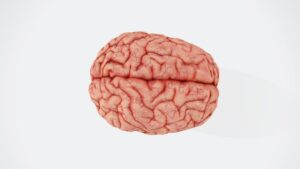
Medical Anxiety: Unlocking the Mind-Body Connection
Scientifically Reviewed · Dr. Marwa Abd-Alazim · September 4, 2026
Review Criteria & Clinical Standards
This content undergoes rigorous scientific peer-review and medical editorial standards at Arab Psychology Network to ensure clinical accuracy, validity, and compliance with evidence-based guidelines from leading psychological and healthcare authorities (APA / WHO).

1. Introduction and Definition
The designation Anxiety Disorder Due to a General Medical Condition describes a clinical presentation where pronounced symptoms of anxiety—which may manifest as generalized worry, intense panic attacks, specific phobias, or even obsessive-compulsive features—are judged to be the direct physiological consequence of an identifiable non-psychiatric illness. This diagnosis is critical within the field of psychopathology as it demands a comprehensive understanding of the interplay between bodily systems and psychological distress, moving beyond purely psychological explanations for the anxious state. For a diagnosis to be warranted, the anxiety must be severe enough to cause significant distress or impairment in social, occupational, or other crucial areas of daily functioning, clearly establishing that the somatic illness is not merely contributing to stress, but is the underlying, causative agent of the anxiety phenotype itself. The core criterion is the presence of evidence from the patient’s history, physical examination, or laboratory findings that the disturbance is directly caused by the physiological effects of the general medical condition, distinguishing it sharply from primary anxiety disorders where the etiology remains psychological or idiopathic.
This category acknowledges that the human body is an integrated system, and biochemical disruptions originating in organ systems can powerfully impact central nervous system function, resulting in psychiatric symptoms. The types of anxiety experienced can be highly varied, reflecting the broad spectrum of primary anxiety disorders. For instance, a patient might experience symptoms mimicking Generalized Anxiety Disorder (GAD) characterized by excessive, persistent worry about multiple events or activities, or they might present with recurrent panic attacks that are unexpected and debilitating, complete with autonomic arousal symptoms like palpitations, shortness of breath, or dizziness. Furthermore, in some cases related to neurological or endocrine conditions, the presentation may involve intrusive thoughts and ritualistic behaviors characteristic of Obsessive-Compulsive Disorder (OCD), demonstrating the pervasive impact of physical illness on all facets of emotional and cognitive regulation. Therefore, careful assessment is mandatory to ascertain whether the anxiety is a reactive psychological distress to the burden of illness, which is common, or a direct physiological consequence, which necessitates this specific diagnostic label.
The diagnostic standard requires a clear temporal relationship and biological plausibility linking the medical condition to the anxiety symptoms. It is insufficient if the anxiety merely precedes or co-occurs with the medical issue; rather, the medical condition must produce changes—often neurochemical or neuroendocrine—that directly precipitate the anxiety. Clinically, this means that treating the underlying medical condition often leads to a significant attenuation or complete remission of the anxiety symptoms, providing strong retrospective evidence for the physiological causation. Failure to identify and treat the underlying medical etiology can lead to chronic, refractory anxiety symptoms that do not respond optimally to traditional psychological interventions, such as psychotherapy or standard anxiolytic medications designed for primary psychiatric illnesses. Therefore, recognizing this diagnosis is a crucial step toward effective, targeted treatment, emphasizing the importance of a thorough medical workup for any new onset or unusually severe anxiety presentation, particularly in middle-aged or older adults without prior psychiatric history.
2. Physiological Mechanisms and Etiology
The physiological mechanisms underpinning anxiety disorders caused by general medical conditions are diverse, often involving disruption of the delicate balance of neurotransmitters, hormones, and autonomic nervous system regulation. Many systemic illnesses trigger the body’s stress response pathways, particularly the Hypothalamic-Pituitary-Adrenal (HPA) axis. Conditions leading to excessive secretion of stress hormones, such as cortisol or catecholamines, can directly induce symptoms of hyperarousal and panic. For example, conditions like pheochromocytoma, a tumor of the adrenal medulla, cause massive, uncontrolled release of norepinephrine and epinephrine, chemicals intrinsically linked to the “fight or flight” response, resulting in severe, episodic anxiety and panic attacks that are physically based rather than psychologically triggered. Understanding these pathways is essential, as the excess production or impaired metabolism of these potent signaling molecules constitutes the direct physiological effect required by the diagnostic criteria.
Beyond hormonal imbalances, various medical conditions exert their influence through direct neurobiological effects. Inflammatory processes, common in autoimmune disorders or severe infections, can lead to the release of cytokines, which are known to cross the blood-brain barrier and interfere with neurotransmitter synthesis and receptor function, thereby promoting anxiety and depressive states. Furthermore, vascular and metabolic insults to the central nervous system, such as those caused by transient ischemic attacks (TIAs) or severe hypoglycemia, can create transient or permanent changes in brain regions critically involved in fear and emotional processing, such as the amygdala and the prefrontal cortex. These structural or functional alterations directly compromise the brain’s ability to regulate affective states, leading to generalized anxiety or episodic fear responses that are structurally, rather than psychologically, mediated.
Specific examples illustrate these mechanistic links clearly. In cases of hyperthyroidism, the excessive production of thyroid hormone directly increases metabolic rate and sensitizes adrenergic receptors, leading to symptoms like tachycardia, tremulousness, and heightened nervousness—all hallmarks of anxiety. Similarly, chronic respiratory disorders, such as Chronic Obstructive Pulmonary Disease (COPD), create chronic states of hypoxia (low oxygen) or hypercapnia (high carbon dioxide). These blood gas abnormalities are interpreted by the brain as immediate threats to survival, triggering sustained activation of the sympathetic nervous system and resulting in chronic generalized anxiety or frequent, medically-driven panic attacks related to the feeling of suffocation or air hunger. Thus, the etiology is intrinsically linked to the pathophysiology of the underlying physical ailment, demanding a multifaceted approach that addresses both the psychological manifestation and the biological root cause.
3. Differential Diagnosis and Clinical Distinctions
One of the most challenging aspects of diagnosing Anxiety Disorder Due to a General Medical Condition is the rigorous process of differential diagnosis required to distinguish it from primary, idiopathic anxiety disorders, substance-induced anxiety, and anxiety that arises as a simple psychological reaction to coping with a severe illness. The key differentiating factor is the determination of direct physiological causation. A patient who develops worry and sadness after receiving a cancer diagnosis is experiencing a normal, psychological adjustment reaction; this is distinct from a patient whose lung cancer directly secretes a substance (e.g., certain peptides) that acts centrally to induce panic attacks. Clinicians must meticulously evaluate the timing of symptom onset relative to the medical condition, the quality and phenomenology of the anxiety, and the presence of atypical features that might suggest a biological etiology.
Several clinical pointers help guide the differentiation process. Anxiety that is sudden in onset, severe, and occurs later in life without any prior history of psychiatric illness should immediately raise suspicion for a medical cause. Furthermore, anxiety that is refractory to standard psychiatric treatments (e.g., Selective Serotonin Reuptake Inhibitors, or SSRIs) or that presents with unusual or fluctuating physical symptoms (such as episodic hypertension, extreme perspiration unrelated to environmental heat, or unexplained cardiac arrhythmias) strongly suggests an underlying somatic issue. The presence of symptoms that are uncharacteristic of typical primary anxiety disorders—such as visual hallucinations, profound cognitive impairment, or gross motor abnormalities—also warrants an intensive search for a general medical condition. The diagnostic process often relies heavily on laboratory findings, including complete blood counts, electrolyte panels, thyroid function tests, toxicology screens, and specific hormone assays, to rule out or confirm physiological causes.
The distinction from Substance-Induced Anxiety Disorder is also crucial. While both are physiologically driven, the latter is caused by the intoxication or withdrawal effects of psychoactive substances, medications, or toxins (e.g., caffeine intoxication, corticosteroid use, or alcohol withdrawal). When a medical treatment itself—such as bronchodilators used for asthma, which can increase heart rate and nervousness—is the source of the anxiety, the diagnosis shifts from being “due to a general medical condition” to being “substance-induced,” even though the underlying medical condition necessitated the medication. Therefore, a careful review of all prescribed, over-the-counter, and illicit substances is mandatory. The clinician must establish a clear causal chain, confirming whether the patient’s intrinsic pathology (the disease itself) or the necessary pharmacological intervention (the treatment) is the primary driver of the anxious state.
4. Specific Medical Conditions: Endocrine and Metabolic Causes
Endocrine disorders represent one of the most common and clear categories of medical conditions that directly induce anxiety due to hormonal dysregulation. The endocrine system, responsible for regulating metabolism, growth, and mood through chemical messengers, is exquisitely positioned to impact the nervous system. Hyperthyroidism (Graves’ disease or toxic nodular goiter) is perhaps the quintessential example. Excessive production of thyroxine (T4) and triiodothyronine (T3) leads to global sympathetic overstimulation, manifesting as nervousness, restlessness, insomnia, tremor, and palpitations, symptoms virtually indistinguishable from severe generalized anxiety or panic disorder. The anxiety is directly proportional to the level of hormone excess, and treating the thyroid dysfunction almost invariably alleviates the psychiatric symptoms, confirming the physiological link.
Metabolic imbalances also play a significant role. Hypoglycemia, whether related to poorly controlled diabetes, certain medications, or rare pancreatic tumors (insulinomas), triggers a massive release of counter-regulatory hormones, primarily epinephrine and glucagon, in an attempt to raise blood sugar. This surge of catecholamines causes acute symptoms of anxiety, including sweating, tremulousness, lightheadedness, and intense, sudden fear, often culminating in a panic-like episode. Similarly, disorders affecting calcium metabolism, such as hyperparathyroidism, can lead to elevated calcium levels (hypercalcemia) which disrupt neuronal excitability, often presenting initially with non-specific anxiety, fatigue, and cognitive complaints. These metabolic fluctuations highlight how the body’s homeostatic mechanisms, when disrupted, can directly generate severe psychological distress without any intervening psychological trigger.
Other less common but clinically significant endocrine causes include Cushing’s Syndrome, characterized by chronic excessive cortisol production, which has profound effects on mood and cognition, often leading to anxiety, irritability, and depression. Conversely, conditions involving adrenal insufficiency, such as Addison’s Disease, can also present with anxiety and panic symptoms due to electrolyte abnormalities and low blood pressure. The complexity of the endocrine axis means that any major hormonal deviation must be thoroughly investigated as a potential cause of new-onset anxiety. The management strategy for these cases is emphatically medical, focusing on normalizing hormone levels through medication, surgery, or other targeted interventions, rather than solely relying on psychiatric medication or psychotherapy, which would only address the symptoms and not the underlying biological defect.
5. Specific Medical Conditions: Respiratory and Cardiovascular Causes
Conditions affecting the respiratory and cardiovascular systems frequently cause anxiety, primarily because these systems are fundamentally linked to the body’s perception of immediate threat and survival. In the respiratory realm, conditions that compromise efficient gas exchange, such as asthma, chronic obstructive pulmonary disease (COPD), pulmonary embolism (PE), or even severe obstructive sleep apnea, often lead to chronic or intermittent feelings of air hunger (dyspnea). This sensation of impending suffocation is one of the most powerful biological triggers for panic. Patients with chronic lung disease often develop a vicious cycle where their physical inability to breathe adequately causes anxiety, which in turn exacerbates their breathing difficulties through hyperventilation, creating medically-induced panic disorder that is highly resistant to purely psychological treatment unless the underlying hypoxia or airflow limitation is optimally managed.
Cardiovascular conditions are equally potent triggers. Any condition leading to irregular heart rhythm (arrhythmias), reduced cardiac output, or myocardial ischemia can mimic or directly cause anxiety symptoms. Patients with paroxysmal supraventricular tachycardia (PSVT) or atrial fibrillation, for instance, frequently experience palpitations, chest discomfort, and a sudden, overwhelming sense of dread, which meets the criteria for a panic attack. In these instances, the panic is not driven by fear of the symptoms, but is a direct physiological consequence of the heart’s electrical instability causing autonomic nervous system activation. Furthermore, conditions such as congestive heart failure (CHF), which lead to fluid backup and chronic shortness of breath, can generate persistent, low-grade anxiety similar to GAD, driven by the body’s constant struggle to maintain adequate oxygenation and circulation.
The overlap between cardiac symptoms and anxiety symptoms is so significant that comprehensive cardiac workups, including electrocardiograms (ECGs) and sometimes continuous heart monitoring, are mandatory in cases of new-onset panic disorder, especially when accompanied by atypical chest pain, syncope, or exercise intolerance. While psychological factors certainly contribute to the distress of living with heart disease, the diagnostic emphasis here is on the primary physiological event. Identifying the physiological mechanism—be it cardiac instability, pulmonary hypoxia, or systemic inflammatory response—allows for treatments that address the core problem, such as rate control medications for arrhythmias or supplemental oxygen for severe COPD, leading to simultaneous relief of the anxiety symptoms that were derived directly from the physical pathology.
6. Neurological and Other Systemic Causes
The nervous system itself is a frequent source of physiologically induced anxiety. Conditions that directly affect brain structure and function, particularly those involving the limbic system, can manifest as severe anxiety. Examples include temporal lobe epilepsy, where focal seizures may present exclusively as episodes of intense fear or panic, often without loss of consciousness, making them easily mistaken for primary panic disorder. Similarly, early-stage neurodegenerative diseases, such as Parkinson’s disease or certain types of dementia, can present with heightened anxiety and restlessness long before the characteristic motor or cognitive symptoms become prominent, due to disruption of neurotransmitter pathways like dopamine and serotonin that modulate mood and arousal.
Inflammatory and infectious conditions of the central nervous system, such as meningitis, encephalitis, or certain autoimmune diseases (e.g., Systemic Lupus Erythematosus or Multiple Sclerosis), can also produce profound anxiety. These conditions trigger neuroinflammation that damages or irritates neural circuits, leading to psychiatric sequelae. The anxiety in these contexts is often part of a broader clinical picture that may include confusion, headache, or focal neurological deficits, reinforcing the need for thorough neurological examination and advanced imaging (MRI or CT) when anxiety presents atypically. Furthermore, nutritional deficiencies, particularly severe deficiencies in B vitamins (e.g., B12 deficiency), can lead to neurological and psychological symptoms, including anxiety and irritability, due to their essential role in nerve function and myelin maintenance.
A final consideration involves conditions that create systemic toxicity or widespread inflammation. Renal failure (uremia) and severe hepatic failure (liver cirrhosis) can lead to the accumulation of metabolic waste products or altered detoxification capacity, respectively. These toxic states can directly impair brain function, leading to a spectrum of neuropsychiatric symptoms, including chronic anxiety, confusion, and agitation. The anxiety in these instances is directly traceable to the elevated levels of endogenous toxins acting upon the central nervous system. Recognition of these systemic causes is crucial because the anxiety component is highly treatable if the underlying medical condition can be adequately managed through procedures such as dialysis or liver support, illustrating the principle that in this diagnostic category, the path to psychological relief lies predominantly through somatic intervention.
7. Treatment and Management Strategies
The primary and most effective treatment strategy for Anxiety Disorder Due to a General Medical Condition is the successful management and resolution of the underlying physical illness. Since the anxiety is a direct physiological symptom, treating the root cause—the general medical condition—is paramount.
For example, if the anxiety is caused by hyperthyroidism, definitive treatment may involve:
- Antithyroid medications (e.g., methimazole) to reduce hormone production.
- Radioactive iodine therapy to destroy overactive thyroid cells.
- Surgical thyroidectomy to remove the gland in severe or refractory cases.
Similarly, anxiety caused by hypoglycemia requires stabilization of blood glucose levels, and anxiety caused by cardiac arrhythmia requires cardiac rate and rhythm control. Successful medical intervention typically results in the substantial reduction or complete disappearance of the anxious symptoms, often rendering traditional anxiolytic medications unnecessary. This confirms the efficacy of the physiological approach.
While medical management is the definitive cure, symptomatic relief may be necessary during the diagnostic phase or while waiting for the primary medical treatment to take effect. In these instances, psychiatric interventions are used adjunctively. Beta-blockers (e.g., propranolol) are particularly useful when the anxiety is driven by excessive sympathetic output, such as in hyperthyroidism or pheochromocytoma, as they directly block the peripheral effects of catecholamines (e.g., palpitations, tremor). Low-dose benzodiazepines may be used for short-term crisis management of acute panic attacks, but they must be used cautiously, especially in patients with respiratory compromise (like COPD) or hepatic impairment, due to risks of respiratory depression or altered metabolism. Antidepressants, such as SSRIs, may be prescribed if the anxiety symptoms persist after partial medical correction, although they are generally less effective when the physiological driver remains highly active.
Finally, supportive care and psychological interventions play a vital, though secondary, role. Patients often require psychoeducation to understand that their anxiety is a physical symptom and not a sign of mental weakness, which can reduce fear and catastrophic thinking associated with the symptoms. Techniques such as stress management training and cognitive behavioral therapy (CBT) can help patients cope with the residual distress of the chronic medical condition and manage anticipatory anxiety related to symptom recurrence (e.g., fear of the next panic attack or hypoglycemic episode). However, it is imperative that the focus remains on the medical etiology, ensuring that psychological interventions are always delivered within the context of ongoing, rigorous medical monitoring and treatment aimed at correcting the underlying bodily dysfunction that generates the pathological anxiety state.