Apert Syndrome: Redefining Identity Beyond the Visible
Scientifically Reviewed · Dr. Marwa Abd-Alazim · August 28, 2026
Review Criteria & Clinical Standards
This content undergoes rigorous scientific peer-review and medical editorial standards at Arab Psychology Network to ensure clinical accuracy, validity, and compliance with evidence-based guidelines from leading psychological and healthcare authorities (APA / WHO).

Introduction to Apert’s Syndrome
Apert’s Syndrome (AS) is recognized as a rare, complex, **autosomal dominant genetic disorder** characterized by a specific triad of physical manifestations: **craniosynostosis** (the premature fusion of cranial sutures), midfacial hypoplasia, and severe, symmetrical **syndactyly** (fusion of the digits) involving both the hands and feet. First comprehensively described by French physician Dr. Eugène Apert in 1906, this condition is classified under the broader category of Acrocephalosyndactyly (ACS) syndromes. The severity of Apert’s Syndrome stems from the widespread impact of the genetic mutation on skeletal development, particularly affecting the skull and the extremities, often necessitating extensive surgical intervention throughout the patient’s life.
The core challenge in Apert’s Syndrome lies in the premature closure of the fibrous joints connecting the bones of the skull, which significantly restricts normal brain growth and development. This premature fusion, known as craniosynostosis, typically results in an abnormally shaped head, frequently described as acrocephalic or turricephalic (tower-shaped). Concurrently, the fusion of the digits presents significant functional limitations, creating the distinctive appearance often referred to as “mitten hands” and “sock feet.” While the condition profoundly affects physical structure, the clinical management aims not only to correct the skeletal anomalies but also to mitigate secondary effects such as elevated intracranial pressure and potential cognitive impairment.
Understanding Apert’s Syndrome requires acknowledging its systemic nature. It is not merely a collection of isolated skeletal defects but a pervasive disorder affecting multiple body systems, including the neurological, respiratory, and auditory systems. The high level of detail required in diagnostic assessment and the necessity of coordinated, multidisciplinary care underscore the complexity of AS. Early and accurate diagnosis is critical for initiating timely surgical interventions that are essential for protecting neurological function and maximizing the patient’s developmental potential and overall quality of life.
Etiology and Genetic Basis
The fundamental cause of Apert’s Syndrome is a mutation in the **FGFR2 gene** (Fibroblast Growth Factor Receptor 2), located on chromosome 10. The FGFR family of proteins plays a crucial role in regulating cell growth, differentiation, migration, and apoptosis, processes vital for proper skeletal development, especially during embryogenesis. In AS, two specific point mutations account for nearly all recorded cases: Ser252Trp (S252W) and Pro250Arg (P250R). These mutations lead to a functional alteration of the receptor, causing it to be constitutively active or hyperfunctional, which in turn signals bone precursor cells to differentiate and ossify prematurely. This inappropriate signaling cascade is directly responsible for the premature fusion of sutures and the complex bony fusion observed in the digits.
Apert’s Syndrome follows an **autosomal dominant inheritance pattern**. However, the vast majority of cases—approximately 98%—arise from **sporadic, new mutations** in individuals with no prior family history of the disorder. These de novo mutations are strongly associated with advanced paternal age, suggesting that the mutation often occurs during spermatogenesis. While the condition can theoretically be inherited from an affected parent, penetrance is nearly 100%, meaning that almost everyone carrying the mutation will express the full spectrum of the syndrome. Genetic counseling is vital for affected families to understand the low but present recurrence risk, particularly in cases involving parental mosaicism or when an affected individual considers parenthood.
The specific location of the mutation within the FGFR2 gene may correlate with the severity of certain features. For example, the S252W mutation is sometimes associated with a higher incidence of severe syndactyly and cleft palate, whereas the P250R mutation might correlate with more pronounced cognitive issues, though clinical overlap is significant. The genetic abnormality disrupts the finely tuned process of endochondral and intramembranous ossification. The resulting aberrant bone formation dictates the unique, severe morphological characteristics that distinguish AS from other craniosynostosis syndromes, requiring highly specialized treatment protocols tailored specifically to the effects of the FGFR2 hyperactivity.
Craniofacial Manifestations
The most immediate and life-altering feature of Apert’s Syndrome is the severe **craniosynostosis**. Typically, multiple sutures—including the coronal, sagittal, and sometimes the lambdoid sutures—fuse before birth or shortly thereafter. This premature fusion dictates the subsequent abnormal growth of the skull, forcing the brain to expand vertically rather than horizontally or anteroposteriorly. The characteristic head shape is known as **acrocephaly** or turricephaly, presenting a high, dome-shaped forehead and a flattened back of the skull. This restricted growth often leads to elevated **intracranial pressure (ICP)**, which is a significant neurological risk requiring early surgical decompression.
In addition to the cranial vault deformities, patients exhibit profound **midfacial hypoplasia**, meaning the central portion of the face—including the maxilla (upper jaw), zygomatic bones (cheeks), and nasal structures—is underdeveloped and recessed. This recession creates a sunken or concave facial profile, commonly accompanied by a prominent forehead (frontal bossing) and a relatively prognathic mandible (protruding lower jaw). The midfacial hypoplasia leads to several functional issues, including obstruction of the nasal passages, resulting in chronic mouth breathing and a high incidence of sleep apnea, which can further compound developmental challenges due to chronic hypoxia.
Ocular features are also highly characteristic. The shallow orbital sockets, resulting from the hypoplastic midface, cause **proptosis** (bulging of the eyes). This ocular prominence makes the eyes highly susceptible to dryness, recurrent infections, and potential damage. Furthermore, the misalignment of the eyes (strabismus) is common, and the restricted facial bone growth often affects the drainage system, leading to chronic dacryocystitis (tear duct infections). Surgical management of the craniofacial complex focuses on two primary goals: alleviating intracranial pressure via cranial vault reconstruction and improving airway and aesthetic function through staged midface advancements, such as the Le Fort III osteotomy, performed later in childhood or adolescence.
Limb Anomalies and Syndactyly Classification
The defining feature of Apert’s Syndrome, alongside craniosynostosis, is the severe, symmetrical **syndactyly**, affecting all four extremities. Syndactyly refers to the fusion of digits, which in AS is typically **complex**—meaning it involves both the soft tissues (skin) and the underlying bony structures (synostosis). This extensive fusion results in the highly descriptive presentation of “mitten hands” and “sock feet.” The functional impairment caused by this anomaly is profound, hindering fine motor skills, grasping, and ambulation, requiring complex, specialized surgical reconstruction starting in infancy.
Hand involvement is categorized into three major classifications (Tieglaer classification), reflecting the degree of fusion and complexity. **Type I** syndactyly typically involves fusion of the skin and sometimes bone between the second, third, and fourth digits, with the thumb and fifth digit often being relatively separated but still abnormally shaped. **Type II** involves the complete fusion of all four fingers (digits 2 through 5) into a single mass, often including the fusion of metacarpal bones. **Type III**, the most severe form, features fusion of all five digits, including the thumb, into a single, massive conglomerate. Regardless of the type, the primary surgical goal is to separate the digits to improve function, which requires careful planning, skin grafts, and often multiple staged procedures to avoid vascular compromise and maximize mobility.
Foot syndactyly is similarly severe, often involving fusion of the toes, resulting in the “sock feet” appearance. Although less functionally debilitating than hand syndactyly, the foot anomalies can impact gait and shoe selection. The surgical management of the feet typically focuses on creating a functional, stable platform for walking, rather than the intricate functional separation required for the hands. Overall, the limb anomalies in AS are critical indicators for diagnosis and are crucial factors in determining the long-term rehabilitative needs of the individual. The fused bones and joints must be addressed early to allow for the development of grasping and manipulative skills necessary for independent living.
Neurological and Cognitive Implications
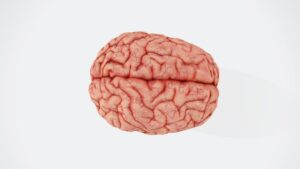
While Apert’s Syndrome is primarily a physical disorder, its profound impact on the skeletal architecture of the skull has significant **neurological and cognitive implications**. The restricted growth imposed by early craniosynostosis places mechanical stress on the developing brain. A primary concern is the development of **hydrocephalus**, the accumulation of cerebrospinal fluid (CSF) within the brain ventricles. Hydrocephalus results from impaired CSF drainage due to structural abnormalities at the base of the skull, leading to elevated intracranial pressure (ICP). If ICP is not promptly managed surgically, it can cause irreversible brain damage and contribute significantly to cognitive deficits.
Historically, intellectual deficits were considered an inevitable component of AS. However, modern research, coupled with advancements in early cranial decompression surgery, suggests a more nuanced picture. Cognitive outcomes are highly variable. While a significant minority of individuals with AS do experience mild to moderate **intellectual disability**, many others achieve intellectual functioning within the low-average to average range. The degree of intellectual outcome often correlates strongly with the severity of the initial craniosynostosis, the timing and efficacy of surgical decompression, and the presence of underlying structural brain anomalies, such as partial or complete agenesis of the **corpus callosum**.
Developmental delays are common, particularly in areas requiring fine motor coordination and speech. Speech difficulties are often compounded by structural issues, including a high-arched or cleft palate, midfacial hypoplasia affecting resonance, and chronic hearing loss due to middle ear malformations. Therefore, comprehensive early intervention programs encompassing physical, occupational, and speech therapy are essential components of care. Maximizing neurological potential requires constant monitoring for signs of elevated ICP and implementing surgical strategies that not only correct aesthetics but fundamentally protect the brain environment.
Associated Systemic Issues
Beyond the characteristic craniofacial and limb anomalies, individuals with Apert’s Syndrome frequently present with a range of associated systemic issues, highlighting the widespread influence of the **FGFR2 mutation** on mesodermal development. One common problem involves the auditory system. Chronic middle ear infections (**otitis media**) are almost universal due to the structural abnormalities of the midface and Eustachian tube dysfunction. This chronic infection often leads to conductive hearing loss, which, if unmanaged, severely impacts speech development and educational achievement.
Dental issues are highly prevalent and complex. The severe **midfacial hypoplasia** leads to a crowded palate, malocclusion (improper bite alignment, often Class III), and impacted or missing teeth. Aggressive orthodontic and restorative dental care is necessary, often integrated with the staged facial reconstruction surgeries. Furthermore, patients with AS frequently exhibit unique dermatological findings, including **hyperhidrosis** (excessive sweating), particularly on the hands and feet, and severe, early-onset acne during adolescence.
Other less common but serious systemic anomalies can include structural defects of the visceral organs.
-
Cardiovascular anomalies (ranging from minor septal defects to more complex congenital heart disease).
-
Genitourinary malformations (such as hydronephrosis or cryptorchidism).
-
Skeletal abnormalities in the spine, including cervical fusion (fusion of neck vertebrae), which can lead to cervical instability and requires careful monitoring, especially during surgical procedures involving airway management.
The management of these associated issues requires a dedicated multidisciplinary team working in concert, ensuring that the patient receives holistic care that addresses all manifestations of the genetic disorder, not just the immediately visible craniofacial deformities.
Diagnosis and Differential Diagnosis
Diagnosis of Apert’s Syndrome can often be made prenatally through high-resolution ultrasound, which may detect the characteristic features such as an abnormal head shape and syndactyly, particularly in the third trimester. Once suspicion is raised, prenatal genetic testing can confirm the presence of the specific **FGFR2** mutation. Postnatally, diagnosis is primarily clinical, based on the unequivocal presentation of complex craniosynostosis (usually coronal) combined with symmetrical, complex syndactyly of the hands and feet. Genetic confirmation via blood testing remains the gold standard to verify the diagnosis and distinguish AS from phenotypically similar conditions.
The process of differential diagnosis is crucial, as several other syndromes share features with Apert’s Syndrome. These conditions, often caused by mutations in the same or related FGFR genes, include:
-
**Crouzon Syndrome:** Characterized by craniosynostosis and midfacial hypoplasia, but crucially, it lacks the severe syndactyly of the hands and feet.
-
**Pfeiffer Syndrome:** Shares craniosynostosis and broad, deviated thumbs/toes, but the syndactyly, when present, is usually less severe and complex than that seen in AS.
-
**Carpenter Syndrome:** An autosomal recessive condition featuring craniosynostosis, polydactyly (extra digits), and variable syndactyly, often accompanied by obesity and intellectual disability.
Genetic testing for the specific **FGFR2** mutations is the definitive method to differentiate AS. The complexity and bony nature of the syndactyly in AS are usually the unique clinical markers that distinguish it from its related acrocephalosyndactyly counterparts, guiding immediate surgical planning for both the neurocranium and the extremities.
Management and Treatment Approaches
The management of Apert’s Syndrome is perhaps one of the most demanding areas in pediatric surgery, requiring a lifelong commitment to coordinated, multidisciplinary care. The treatment strategy is divided into sequential phases aimed at protecting the brain, improving function, and enhancing aesthetics. The team typically includes a neurosurgeon, craniofacial surgeon, plastic surgeon (specializing in hand surgery), ophthalmologist, otolaryngologist, geneticist, and developmental specialists.
The first critical intervention occurs during infancy (within the first year of life) and focuses on the cranial vault. **Cranial Vault Reconstruction** is performed to relieve high intracranial pressure, decompress the brain, and reshape the skull to allow for continued brain growth. Multiple procedures may be necessary over the first decade. Simultaneously, hand separation surgeries begin early—often between six months and two years of age—to separate the fused digits, typically starting with the thumb and the fifth digit to maximize crucial pincer grasp development. These hand procedures are often complex and involve multiple stages to reconstruct webs, relocate tendons, and apply skin grafts.
Later stages of treatment, typically around age 6 to 12, address the severe midfacial hypoplasia. Procedures such as **Le Fort III osteotomy** or distraction osteogenesis are used to advance the midface forward. This radical advancement is necessary to improve airway function (alleviating sleep apnea), protect the eyes from exposure damage, and improve the dental bite. Non-surgical management is equally critical and includes the use of hearing aids for conductive hearing loss, management of chronic ear infections, comprehensive dental and orthodontic intervention, and intensive developmental therapies, including speech therapy and occupational therapy, to optimize functional independence.
Prognosis and Quality of Life
The prognosis for individuals with Apert’s Syndrome has dramatically improved since the mid-20th century due to advances in surgical techniques, particularly in craniofacial and neurosurgery. While AS remains a serious condition requiring extensive medical intervention, the life expectancy for those who receive appropriate and timely care is often near normal. The quality of life is heavily dependent on the success of early surgical interventions aimed at relieving intracranial pressure and maximizing hand function.
Long-term quality of life is impacted by the need for repeated surgeries, psychological adjustment to physical differences, and chronic health issues like hearing loss and respiratory difficulties. Successful integration into society is strongly correlated with cognitive outcome and the support system available. Early identification of developmental delays and immediate access to specialized educational and therapeutic resources are paramount to helping individuals with AS achieve their full potential.
Despite the challenges, many individuals with Apert’s Syndrome lead fulfilling lives, pursuing education, developing careers, and maintaining personal relationships. Ongoing medical and psychological support is essential to manage the long-term sequelae of the syndrome, fostering resilience and independence. The commitment of the medical community continues to focus on refining surgical techniques to minimize invasiveness and maximize functional and aesthetic outcomes.