The Appestat: Mastering Your Biological Hunger Switch
Scientifically Reviewed · Dr. Marwa Abd-Alazim · August 22, 2026
Review Criteria & Clinical Standards
This content undergoes rigorous scientific peer-review and medical editorial standards at Arab Psychology Network to ensure clinical accuracy, validity, and compliance with evidence-based guidelines from leading psychological and healthcare authorities (APA / WHO).

The Appestat Concept: A Historical Perspective on Appetite Regulation
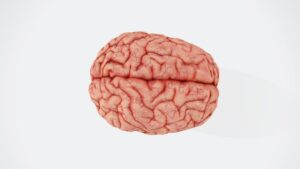
The term Appestat refers to a historically posited, unitary region within the central nervous system hypothesized to be the sole regulator of appetite, hunger, and overall food intake. This concept emerged during the mid-20th century, reflecting the early scientific desire to localize complex physiological drives to a single, definable neurological structure, functioning much like a simple thermostat regulating energy balance. Although the Appestat, as a singular controlling center, has been decisively rejected by modern neuroscience due to the overwhelming evidence of distributed neural networks and complex hormonal signaling, the idea served as an essential conceptual stepping stone. It forced researchers to shift their focus from purely peripheral (gastrointestinal) explanations of hunger to central neurological integration, paving the way for the sophisticated models of metabolic control we utilize today. The fundamental flaw in the Appestat model lies in its inherent oversimplification, failing to account for the intricate interplay between homeostatic needs, hedonic pleasure, cognitive input, and environmental cues that collectively determine feeding behavior.
While the concept itself is now obsolete, the search for the Appestat led directly to the identification of critical brain regions involved in energy homeostasis. Specific nuclei within the hypothalamus—most notably the lateral hypothalamus and the ventromedial nucleus—were initially isolated as potential candidates for the “feeding center” and “satiety center,” respectively, thereby establishing the initial framework for hypothalamic control. Furthermore, critical areas within the brainstem, such as the nucleus of the solitary tract (NTS), are now known to integrate vital visceral and hormonal information necessary for meal termination. Thus, while there is no single Appestat, the historical pursuit of this hypothetical structure provided the experimental impetus that successfully localized and characterized key components of the distributed neural circuitry governing energy metabolism.
Historical Origins and the Search for Central Control
Prior to the establishment of the Appestat concept, theories regarding hunger were predominantly peripherally focused, often centered on the idea that hunger pangs were solely the result of stomach contractions, a view popularized by early 20th-century physiologists. This perspective, however, failed to explain long-term weight regulation or why animals continued to regulate their intake even after surgical removal of the stomach. As scientific instrumentation and lesioning techniques advanced, the focus inevitably shifted toward the brain as the master integrator of nutritional status. The Appestat was born from this shift—a conceptual placeholder for whatever neurological structure was responsible for maintaining a stable setpoint for body weight. Researchers sought a central “meter” that would measure energy stores and adjust feeding behavior accordingly, ensuring that caloric intake matched expenditure over extended periods.
The rise of the Appestat ideology coincided with the burgeoning field of physiological psychology following World War II, which emphasized localized function within the brain. Early experimental evidence, particularly using rodent models, suggested that specific, discrete lesions could dramatically alter feeding patterns and body weight, lending credence to the idea of a single, localized control mechanism. The hypothesized Appestat was initially conceptualized as a highly sensitive area, likely located deep within the primitive structures of the diencephalon, capable of monitoring blood glucose levels or other crucial metabolic markers. This early framing allowed scientists to simplify the immensely complex process of energy balance into a manageable input-output equation, driving decades of focused research into the hypothalamic region.
The Hypothalamus and the Dual-Center Hypothesis
The direct result of searching for the Appestat was the formulation of the Dual-Center Hypothesis, which proposed two antagonistic centers within the hypothalamus that regulated feeding behavior. This model, while more complex than the single Appestat, still retained a fundamentally localized and simplistic view of control. The two centers identified were the Lateral Hypothalamus (LH), often termed the “feeding center,” and the Ventromedial Nucleus (VMN), identified as the “satiety center.”
Experiments demonstrated that electrolytic lesions of the VMN in rodents resulted in hyperphagia (excessive eating) and subsequent obesity, leading researchers to conclude that the VMN normally inhibits feeding and initiates satiety. Conversely, lesions to the LH resulted in aphagia (cessation of eating) and severe weight loss, suggesting that this region actively drives the motivation to seek and consume food. For a period, this dualistic model largely supplanted the vague Appestat concept, providing tangible anatomical targets. The overall balance between the inhibitory signal of the VMN and the excitatory signal of the LH was thought to determine whether an animal initiated or terminated a meal. This system provided a working, albeit incomplete, framework for understanding how the brain managed short-term meal timing and long-term weight maintenance.
Despite its initial explanatory power, the Dual-Center Hypothesis soon revealed significant limitations. Subsequent research showed that the effects of these lesions were not solely related to feeding drives but also involved broader neurological and behavioral deficits. For example, lesions in the LH also impacted general arousal, motor function, and reward processing, suggesting that the area’s role was far more expansive than simply initiating hunger. Similarly, VMN lesions disrupted endocrine function and metabolic processes independent of pure satiety signaling. These findings indicated that the hypothalamus acts not as a simple switchboard for hunger and satiety but rather as a crucial node within a much larger, highly distributed neural network responsible for integrating metabolic state with environmental context and emotional factors.
Limitations and Criticism of the Single-Center Model
The definitive abandonment of the Appestat concept stems from its failure to account for the multidimensional nature of feeding behavior. Appetite is not merely a response to energy depletion; it is heavily influenced by factors such as learning, memory, palatability, stress, and reward pathways, none of which can be neatly localized to a single, isolated nucleus. Critics pointed out that a true Appestat would need to process immediate caloric needs (homeostatic signals) alongside the highly complex, non-homeostatic signals (hedonic signals) that drive overconsumption in modern environments.
Further scientific scrutiny revealed that the neurological control of feeding is characterized by enormous redundancy and highly specialized, parallel circuits. If a single Appestat existed, its destruction would result in the permanent abolition of the regulated behavior; however, studies showed that animals with hypothalamic lesions often recovered some regulatory capacity, demonstrating that other brain regions could compensate. This resilience strongly argued against the existence of a single, non-redundant control center. The observed complexity necessitated a shift from seeking a single “on/off switch” to mapping a complex system of checks and balances involving numerous neurotransmitters, neuromodulators, and structural connections throughout the central and peripheral nervous systems.
The Role of Peripheral Signals in Appetite Control
Modern understanding emphasizes that the central nervous system does not operate in isolation but is constantly bombarded with hormonal and metabolic signals from the periphery, providing real-time feedback on energy status. These peripheral signals effectively communicate the current state of body fat stores (adiposity signals) and the short-term nutrient status (satiety signals) to key brain nuclei, fundamentally contradicting the idea of an internally regulated Appestat acting alone. The critical peripheral hormones include Leptin, Ghrelin, and Peptide YY (PYY).
Leptin, secreted primarily by adipose tissue, serves as the primary adiposity signal. High leptin levels indicate abundant fat stores and act on the brain to suppress appetite and increase energy expenditure, thereby protecting against weight gain. Conversely, declining leptin levels signal energy deficit, stimulating potent feeding drives. Ghrelin, often termed the “hunger hormone,” is secreted mainly by the stomach and rises sharply before meals, acting on hypothalamic receptors to powerfully stimulate appetite. It serves as a potent orexigenic signal, driving meal initiation. Finally, postprandial satiety signals like PYY and Cholecystokinin (CCK) are released by the gastrointestinal tract following food consumption, acting rapidly to inhibit further eating and promote meal termination. The integration of these disparate hormonal messages, particularly within the arcuate nucleus of the hypothalamus, demonstrates that appetite control is a highly dynamic process dictated by systemic feedback, not a static internal setpoint maintained by a single Appestat.
The Current Neurobiological Paradigm: A Distributed Network
The contemporary model of appetite control is centered on a highly integrated, multi-level neural network spanning the brainstem, hypothalamus, and forebrain reward circuits. The core processing hub remains the Arcuate Nucleus (ARC) of the hypothalamus, which acts as the primary sensor for peripheral hormonal signals, especially leptin and ghrelin. The ARC contains two antagonistic populations of neurons:
- Orexigenic Neurons: Cells co-expressing Neuropeptide Y (NPY) and Agouti-related Peptide (AgRP), which powerfully stimulate feeding and decrease energy expenditure. These neurons are activated by ghrelin and inhibited by leptin.
- Anorexigenic Neurons: Cells co-expressing Pro-opiomelanocortin (POMC) and Cocaine- and Amphetamine-Regulated Transcript (CART), which suppress feeding and increase metabolism. These neurons are activated by leptin and inhibited by ghrelin.
The ARC communicates extensively with other hypothalamic nuclei (paraventricular nucleus, lateral hypothalamus) and, critically, with the Brainstem. The Nucleus of the Solitary Tract (NTS) in the brainstem is essential for processing short-term mechanical and chemical satiety signals transmitted via the vagus nerve from the GI tract. The NTS integrates these visceral inputs and sends projections back up to the hypothalamus, coordinating the homeostatic drive. Furthermore, feeding behavior is heavily modulated by the Mesolimbic Dopamine System (the reward pathway), which processes the hedonic value of food. This integration of homeostatic need (ARC/NTS) with reward anticipation and learning (forebrain structures like the nucleus accumbens and prefrontal cortex) ensures that consumption is driven by both survival necessity and pleasure, illustrating why the single, simplistic Appestat model is functionally inadequate.
Clinical Implications and Modern Research Directions
The shift from the Appestat concept to the distributed network model has profound implications for clinical approaches to metabolic disorders, particularly obesity. If a single Appestat existed, therapeutic interventions would theoretically be straightforward: simply adjust the setpoint of that single center. However, the complex, redundant nature of the appetite network explains why disorders like obesity are refractory to simple treatment. Obesity is now understood as a state where the homeostatic control system is overwhelmed or reset, often due to chronic over-nutrition, leading to leptin resistance and dysregulated ghrelin signaling.
Modern pharmaceutical research targets specific components of this network rather than a single center.
Current therapeutic strategies focus on:
- Enhancing anorexigenic signaling (e.g., GLP-1 agonists that mimic gut satiety hormones).
- Modulating neurotransmitters involved in the hedonic pathway to reduce the rewarding value of highly palatable foods.
- Developing compounds that overcome leptin resistance to restore central sensitivity to energy stores.
Understanding the interplay between the ARC, NTS, and the reward circuitry allows researchers to develop multi-faceted drugs that impact both the desire to eat (hedonic drive) and the metabolic necessity (homeostatic drive), recognizing that effective weight management requires addressing the entire regulatory landscape, not just one hypothetical switch.
Conclusion: Legacy of the Appestat Concept
While the concept of the Appestat—the single, hypothetical brain region controlling appetite—is definitively recognized as an oversimplification, its historical relevance cannot be understated. The initial scientific quest to locate this structure successfully centralized the study of feeding behavior, shifting the focus from peripheral organs to the central nervous system. This conceptualization catalyzed the critical research that ultimately identified the key anatomical substrates of energy homeostasis, including the lateral hypothalamus, the ventromedial nucleus, and the nucleus of the solitary tract.
The Appestat serves as an excellent historical example of how initial, simplistic models are necessary to guide complex scientific exploration. Although the idea of a single regulatory mechanism proved unrealistic, the systematic rejection of this hypothesis led directly to the sophisticated, integrated understanding we now possess: a distributed, redundant, and dynamic neural and hormonal network that meticulously manages energy intake in response to both internal metabolic demands and external environmental pressures.