Neural Arborization: Mapping the Roots of Your Mind
Scientifically Reviewed · Dr. Marwa Abd-Alazim · September 27, 2026
Review Criteria & Clinical Standards
This content undergoes rigorous scientific peer-review and medical editorial standards at Arab Psychology Network to ensure clinical accuracy, validity, and compliance with evidence-based guidelines from leading psychological and healthcare authorities (APA / WHO).
Etymological Foundations and Conceptual Overview of Arborization
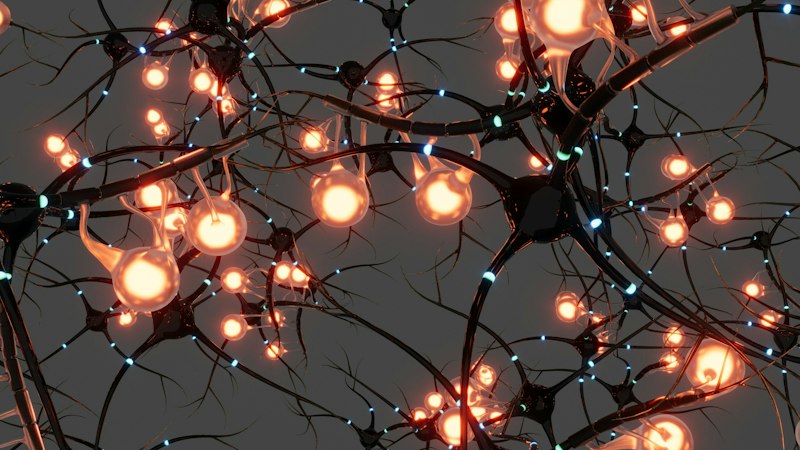
The term arborization finds its linguistic roots in the Latin word arbor, which translates directly to “tree.” In the realms of biology and neuroscience, this term is employed to describe the intricate, branching patterns exhibited by cellular structures, most notably axons and dendrites. This metaphorical comparison is highly apt, as the morphology of a mature neuron often mirrors the complex, bifurcating canopy of a terrestrial tree. This structural arrangement is not merely an aesthetic byproduct of cellular growth; rather, it is a fundamental characteristic of the neural networks that constitute the nervous system, facilitating the sophisticated communication required for all physiological and cognitive functions.
In a broader biological context, arborization refers to the process by which a single cellular projection divides into multiple secondary and tertiary branches. This expansion significantly increases the surface area of the cell, allowing for a much higher degree of connectivity than would be possible with a simple, linear structure. In the nervous system, the degree and complexity of a neuron’s arborization are directly correlated with its functional role. For instance, neurons tasked with integrating information from diverse sources typically exhibit more extensive dendritic arbors than those involved in simple relay tasks. Consequently, the study of arborization is central to understanding how the brain organizes and processes information at a microscopic level.
The conceptual framework of arborization encompasses several distinct but related phenomena. These include dendritic branching, which allows a neuron to receive inputs from thousands of neighboring cells, and axonal branching, which enables a single neuron to distribute its output to multiple targets across different regions of the brain. Together, these branching patterns form the structural basis of synaptic connectivity. Without the capacity for arborization, the nervous system would lack the necessary complexity to perform higher-order functions such as learning, memory, and sensory perception. Thus, the “tree-like” nature of neurons is the architectural cornerstone of biological intelligence.
Throughout this article, we will explore the multifaceted role of arborization in the structure and function of the nervous system. We will examine how these branching patterns facilitate intercellular communication, the specific ways they contribute to efficient information processing, and the molecular mechanisms that govern their development. By understanding the principles of arborization, researchers can gain deeper insights into how neural circuits are wired and how disruptions in this wiring may lead to various neurological disorders. The following sections provide a detailed analysis of these themes, emphasizing the vital importance of arborization in the neurosciences.
The Structural Role of Arborization in Neural Networks
Arborization serves as a key structural feature of the nervous system, providing the physical framework necessary for neurons to send and receive signals over vast distances. Because the brain is composed of billions of individual cells, the ability to form complex networks is essential for coordinated activity. Neurons are characterized by their highly branched morphology, which allows them to span significant anatomical gaps and bridge different functional zones. This structural expansive quality ensures that the nervous system is not a collection of isolated units, but rather a cohesive and highly integrated web of communication.
When neurons undergo arborization, they create a vast array of potential sites for interaction with other cells. These branches are the locations where synaptic connections are formed, acting as the physical interfaces for neurotransmission. By increasing the number of branches, a neuron can maximize its synaptic density, thereby enhancing its ability to participate in multiple neural pathways simultaneously. This structural versatility is what allows the brain to perform parallel processing, where different types of information are handled at the same time by overlapping sets of neurons.
The formation of these synaptic connections via arborization is a dynamic process. It is not enough for a neuron to simply grow branches; those branches must reach specific targets to create functional circuits. The structural integrity of these arbors is maintained through a complex cytoskeleton composed of microtubules and actin filaments, which provide the mechanical support needed to sustain long, delicate projections. The resulting neural architecture is both robust and flexible, allowing for the constant reconfiguration of connections in response to new experiences and environmental stimuli.
Furthermore, the structural complexity of a neuron’s arborization often reflects its specific computational requirements. For example, neurons in the cerebral cortex often have elaborate dendritic trees that allow them to integrate signals from both local and distant sources. This high level of connectivity is essential for the complex processing associated with human cognition. In contrast, neurons in the peripheral nervous system may have different arborization patterns suited for rapid, long-distance transmission of motor or sensory signals. In all cases, the “tree-like” structure is the primary determinant of the neuron’s functional capacity within the larger neural network.
Arborization and the Architecture of the Cerebellum
A prime example of the importance of arborization can be found in the cerebellum, a region of the brain primarily responsible for motor control, coordination, and balance. The cerebellum contains a staggering number of neurons, many of which are Purkinje cells, known for having some of the most extensive and beautiful dendritic arbors in the entire nervous system. These cells are characterized by a massive, fan-shaped canopy of branches that allows them to receive and process an enormous volume of inhibitory and excitatory inputs from other neurons, such as granule cells.
The interconnectivity within the cerebellum is made possible through the precise arborization of these neurons. Because the cerebellum must coordinate complex movements in real-time, it requires a high degree of synaptic integration. The dense branching of Purkinje cell dendrites provides the necessary surface area to accommodate hundreds of thousands of individual synapses. This allows the cerebellum to monitor various sensory inputs and motor commands simultaneously, ensuring that movements are smooth, accurate, and properly timed.
In addition to dendritic arborization, the axonal branching within the cerebellum is equally critical. For instance, the axons of granule cells, known as parallel fibers, extend and branch to make contact with the dendritic trees of many different Purkinje cells. This divergent connectivity ensures that a single signal can influence multiple output cells, facilitating the widespread coordination required for motor learning. The cerebellar architecture is thus a testament to the power of arborization in creating highly specialized and efficient neural circuits.
Research into the cerebellum has shown that any disruption to the arborization patterns of its neurons can lead to significant motor deficits, such as ataxia or loss of fine motor skills. This highlights the fact that the specific geometry of the neural tree is essential for the proper functioning of the brain. By studying how these branches form and maintain their connections, scientists can better understand the principles of neuroanatomy and the biological basis of movement. The cerebellum remains one of the most studied models for understanding the functional implications of complex arborization.
Functional Implications for Information Processing
Beyond its structural role, arborization is vital for the efficient processing of information within the nervous system. The brain is essentially an information-processing machine, and its efficiency depends on how quickly and accurately signals can be transmitted between different regions. By forming a complex web of interconnections, arborization allows neurons to bypass long, linear routes and instead utilize a more direct and distributed network architecture. This reduces the time required for a signal to travel from its point of origin to its destination, facilitating rapid neural communication.
The ability to transmit signals quickly is particularly critical in systems that require immediate responses to environmental stimuli. For example, in the visual system, information about light hitting the retina must be rapidly sent to the visual cortex for interpretation. The arborization of retinal ganglion cells and neurons in the lateral geniculate nucleus ensures that visual data is processed in parallel, allowing the brain to perceive motion, color, and depth in real-time. Without the extensive branching provided by arborization, our visual perception would be significantly lagged, making it difficult to interact with a dynamic world.
Furthermore, arborization enables a process known as signal integration. Each branch of a neuron’s dendritic tree can act as a local processing unit, where multiple incoming signals are summed and evaluated before the neuron decides whether to fire an action potential. This allows for a high degree of computational complexity within a single cell. By varying the strength and location of synapses across its arbor, a neuron can perform sophisticated logical operations, effectively acting as a tiny computer within the larger neural network. This level of processing is what enables the brain to handle complex tasks like language comprehension and problem-solving.
The efficiency of information processing is also enhanced by the spatial distribution of neural branches. Arborization allows neurons to sample information from a wide receptive field, ensuring that no critical data is missed. In the somatosensory system, for instance, the branching of sensory neurons allows for the detection of touch across large areas of the skin, while still maintaining high resolution in sensitive areas like the fingertips. This balance between sensitivity and coverage is a direct result of the optimized arborization patterns found in sensory pathways.
The Role of Arborization in Neurodevelopment
Arborization is fundamentally linked to the development of the nervous system. During the embryonic and early postnatal stages, the brain undergoes a period of massive growth and reorganization. One of the most critical processes during this time is axon guidance, which involves the directed growth of axons toward their specific synaptic targets. Arborization plays a central role here, as it allows a developing axon to “explore” its environment through the formation of growth cones and transient branches, eventually settling on the most appropriate connections.
The process of axon guidance is governed by a variety of molecular cues that attract or repel the growing neural branches. As an axon extends, it may branch multiple times to sample different chemical gradients, a process that is essential for finding the correct path through the complex terrain of the developing brain. Once a target is reached, the arborization becomes more refined, with some branches being stabilized and others being pruned away. This selective growth and elimination are what allow for the precise wiring of the nervous system.
During development, the arborization process is highly sensitive to both genetic instructions and environmental influences. Factors such as neurotrophins, which are proteins that promote the survival and growth of neurons, play a major role in determining the extent of a neuron’s branching pattern. Additionally, neural activity itself can influence arborization; neurons that are frequently activated tend to form more stable and complex arbors, whereas inactive branches are often retracted. This activity-dependent plasticity ensures that the brain’s structure is tuned to the specific needs of the individual.
The importance of arborization in development cannot be overstated, as errors in this process can lead to a wide range of neurodevelopmental disorders. For example, conditions such as autism spectrum disorder and schizophrenia have been linked to abnormalities in dendritic spine density and branching patterns. If the initial “tree” of the neuron does not grow correctly, the resulting neural circuits may be either too sparse or too densely connected, leading to functional impairments. Thus, understanding the mechanisms of developmental arborization is a major focus of modern neurobiology.
Molecular Mechanisms Governing Branching Patterns
The intricate shapes of neural arbors are determined by a complex interplay of molecular mechanisms and intracellular signaling pathways. At the heart of this process is the cytoskeleton, which provides the structural “scaffolding” for the branches. Microtubules serve as the primary structural elements in the main shafts of axons and dendrites, while actin filaments are more concentrated in the dynamic, growing tips of the branches. The regulation of these cytoskeletal components is what allows a neuron to extend, retract, or bifurcate its projections.
Several key classes of molecules are involved in regulating arborization, including:
- Cell Adhesion Molecules (CAMs): These proteins help branches adhere to their substrates or to other cells, providing the physical stability needed for growth.
- Guidance Cues: Molecules such as netrins, semaphorins, and ephrins act as signposts, telling the growing branches whether to move forward, turn, or stop.
- Neurotrophic Factors: Substances like Brain-Derived Neurotrophic Factor (BDNF) stimulate the branching process and support the overall health of the neural arbor.
- Intracellular Signaling Cascades: When external cues bind to receptors on the cell surface, they trigger internal signals (such as calcium flux) that direct the reorganization of the cytoskeleton.
These molecular pathways ensure that arborization occurs in a highly controlled and reproducible manner. For example, specific genes dictate the branching density of different types of neurons, ensuring that a Purkinje cell always looks like a Purkinje cell, regardless of its location in the cerebellum. However, these genetic programs are also flexible enough to allow for synaptic plasticity, enabling the neural tree to change its shape in response to learning and memory formation.
In addition to promoting growth, there are also molecular mechanisms dedicated to limiting arborization. This is necessary to prevent the nervous system from becoming over-connected, which could lead to “noise” or epileptic activity. Proteins that inhibit growth, such as Nogo, play a role in stabilizing the mature neural architecture and preventing unnecessary branching in the adult brain. The balance between growth-promoting and growth-inhibiting signals is what maintains the optimal level of arborization throughout an organism’s life.
Arborization and Synaptic Plasticity
The concept of arborization is not static; it is a dynamic feature that contributes to synaptic plasticity, the brain’s ability to change and adapt over time. Plasticity is the biological basis of learning and memory, and much of this process involves the modification of dendritic and axonal arbors. When we learn a new skill or form a new memory, specific neurons may grow new branches or strengthen existing synaptic connections, a process often referred to as synaptogenesis.
Conversely, arborization also involves the removal of unnecessary connections through a process called synaptic pruning. This is especially prevalent during childhood and adolescence, when the brain “fine-tunes” its neural networks by eliminating redundant branches. This pruning process is essential for cognitive efficiency, as it allows the brain to focus its resources on the most important and frequently used pathways. Without effective pruning, the brain would remain in a state of disorganized hyper-connectivity, which is detrimental to higher-order processing.
The dynamic nature of arborization is also seen in response to environmental enrichment. Studies have shown that animals raised in complex, stimulating environments exhibit significantly more elaborate dendritic arbors in certain brain regions compared to those raised in impoverished environments. This suggests that cognitive stimulation can physically reshape the neural architecture, increasing the brain’s capacity for information processing. This finding has profound implications for education and rehabilitation, highlighting the importance of a stimulating environment for brain health.
In the context of neuroregeneration, understanding the mechanisms of arborization is a primary goal. When the nervous system is damaged by injury or disease, the ability of neurons to re-grow their arbors and re-establish connections is often limited. Researchers are currently exploring ways to stimulate axonal and dendritic branching in damaged neurons, with the hope of restoring lost functions. By mimicking the molecular cues present during development, it may be possible to encourage the arborization needed for functional recovery after spinal cord injury or stroke.
Pathological Alterations in Arborization Patterns
When the processes governing arborization fail, the results can be catastrophic for neurological health. Many neuropsychiatric and neurodegenerative diseases are characterized by significant alterations in the branching patterns of neurons. For example, in Alzheimer’s disease, the accumulation of amyloid-beta plaques and tau tangles leads to the degradation of dendritic arbors and the loss of synaptic connections. This “withering” of the neural tree is a primary cause of the cognitive decline and memory loss associated with the condition.
In neurodevelopmental disorders such as Down syndrome or Fragile X syndrome, the arborization of neurons is often abnormal from an early age. These conditions are frequently associated with reduced dendritic branching or the presence of malformed dendritic spines, which are the small protrusions where synapses occur. These structural defects impair the ability of neurons to communicate effectively, leading to intellectual disabilities and other functional challenges. The study of these pathological arbors provides critical clues into the underlying causes of these disorders.
Furthermore, stress and mental health conditions can also impact arborization. Chronic exposure to stress hormones like cortisol has been shown to cause the retraction of dendritic branches in the hippocampus, a region of the brain involved in memory and emotion regulation. This structural atrophy is thought to contribute to the symptoms of major depressive disorder and post-traumatic stress disorder (PTSD). Interestingly, some antidepressant treatments have been found to promote arborization, suggesting that the restoration of neural branches may be a key component of recovery.
The link between aberrant arborization and disease underscores the importance of maintaining a healthy neural architecture. Whether caused by genetic mutations, environmental toxins, or the aging process, the loss of branching complexity inevitably leads to a decline in nervous system function. As our understanding of the molecular biology of arborization improves, we may develop new therapeutic interventions aimed at protecting or restoring the intricate trees that allow our brains to function.
Quantitative Analysis and the Future of Arborization Research
As technology advances, the study of arborization has moved from simple qualitative observations to sophisticated quantitative analysis. Modern neuroimaging techniques, such as confocal microscopy and two-photon imaging, allow researchers to visualize the three-dimensional structure of neural arbors in unprecedented detail. These tools, combined with powerful computational algorithms, enable the precise measurement of branch lengths, branching angles, and synaptic density, providing a mathematical description of the neural tree.
One emerging field in this area is neuromorphometry, which seeks to classify neurons based on their arborization patterns. By using fractal analysis and other mathematical models, scientists can quantify the complexity of an arbor and compare it across different species, brain regions, and disease states. This data-driven approach is helping to create a comprehensive “atlas” of neural morphology, which is essential for building accurate computational models of the brain. These models allow researchers to simulate how changes in arborization affect the behavior of neural circuits.
The future of arborization research also involves the use of optogenetics and live-cell imaging to observe branching in real-time. By labeling specific neurons with fluorescent proteins, scientists can watch as branches grow, retract, and form synapses in response to different stimuli. This dynamic view of arborization is revealing how the neural tree changes on a minute-by-minute basis, providing new insights into the cellular mechanisms of plasticity. Such research is vital for understanding how the brain learns and adapts to a changing world.
Finally, the study of arborization is increasingly being integrated with genomics and proteomics. By identifying the specific genes and proteins that control branching, researchers are uncovering the molecular blueprints for the brain’s architecture. This knowledge could eventually lead to personalized medicine approaches for treating neurological disorders, where therapies are tailored to address the specific structural defects in an individual’s neural arbors. The synthesis of morphology, molecular biology, and computation represents the next frontier in our understanding of arborization.
Summary and Concluding Remarks
In summary, arborization is a vital feature of the nervous system that is essential for its structure and function. Derived from the Latin word for “tree,” this branching pattern allows neurons to form the complex networks required for intercellular communication. By increasing the surface area for synaptic connections, arborization facilitates the rapid transmission of signals and the sophisticated processing of information, as seen in the cerebellum and the visual system. It is the architectural foundation upon which all neural activity is built.
The role of arborization extends from the earliest stages of neurodevelopment to the synaptic plasticity of the adult brain. Through processes like axon guidance and synaptic pruning, the nervous system is meticulously wired and refined to meet the functional demands of the organism. This dynamic structural evolution is governed by a precise set of molecular mechanisms, ensuring that the neural tree grows in a way that optimizes connectivity and efficiency. When these processes are disrupted, the resulting pathological alterations can lead to a wide array of neurological and psychiatric disorders.
As we look to the future, the continued study of arborization will be central to our understanding of the brain. Through quantitative analysis and computational modeling, we are beginning to decode the complex rules that govern neural branching. This knowledge not only deepens our appreciation for the biological complexity of the mind but also provides a roadmap for developing new treatments for brain-related illnesses. Arborization remains one of the most fundamental and fascinating topics in neuroscience, representing the literal “roots” of human cognition and behavior.
References
- Ascoli, G. A., & Donohue, D. E. (2006). Arborization: A fundamental feature of the nervous system. Neuroscientist, 12(5), 438-448.
- Kolodkin, A. L., & Tessier-Lavigne, M. (1994). Regulation of axon guidance by diffusible factors. Science, 266(5186), 545-552.
- Letourneau, P. C. (2002). Axon guidance: A cellular and molecular perspective. Annual Review of Neuroscience, 25(1), 569-598.