The Arcuate Nucleus: Your Brain’s Secret Hunger Switch
Scientifically Reviewed · Dr. Marwa Abd-Alazim · September 27, 2026
Review Criteria & Clinical Standards
This content undergoes rigorous scientific peer-review and medical editorial standards at Arab Psychology Network to ensure clinical accuracy, validity, and compliance with evidence-based guidelines from leading psychological and healthcare authorities (APA / WHO).
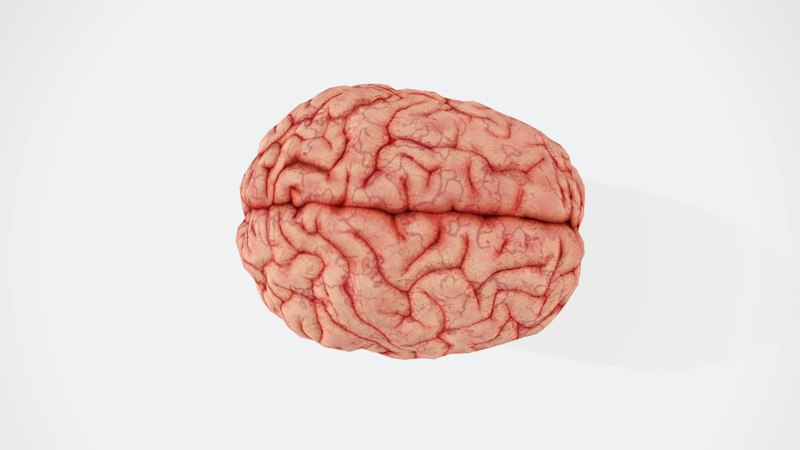
Anatomical Architecture and Spatial Orientation of the Arcuate Nucleus
The arcuate nucleus, often referred to in human neuroanatomy as the infundibular nucleus, represents a complex and highly specialized cluster of neurons situated within the mediobasal hypothalamus. Its strategic positioning at the base of the brain, immediately adjacent to the third ventricle and sitting just superior to the median eminence, facilitates its primary role as a sensory and regulatory hub. This region is unique because it borders a circumventricular organ where the blood-brain barrier is significantly more permeable than in other cerebral areas. This “leaky” characteristic is physiological, allowing the neurons within the arcuate nucleus to directly sense circulating hormones, nutrients, and metabolic signals that would otherwise be excluded from the central nervous system.
Structurally, the arcuate nucleus is organized into distinct zones that house various neurochemical populations, each contributing to different homeostatic functions. The proximity to the hypophyseal portal system is of paramount importance, as many neurons within this nucleus project their axons to the external zone of the median eminence. Here, they release various hypothalamic-releasing and inhibiting factors into the primary capillary plexus, which then travel to the anterior pituitary gland to modulate systemic endocrine activity. This anatomical arrangement ensures that the arcuate nucleus serves as the primary gateway for communication between the peripheral endocrine system and the central regulatory circuits of the brain.
Furthermore, the internal connectivity of the arcuate nucleus is characterized by a dense network of interneurons and projection neurons that communicate with other hypothalamic nuclei, such as the paraventricular nucleus (PVN), the ventromedial nucleus (VMH), and the lateral hypothalamic area (LHA). These projections allow for the integration of sensory data from the blood with higher-order processing centers that control autonomic output, behavioral responses, and emotional states related to survival. The spatial orientation of the arcuate nucleus thus provides a structural foundation for its role as the master integrator of metabolic homeostasis and neuroendocrine coordination.
Specialized Neuronal Populations: The Anorexigenic and Orexigenic Circuitry
The most widely studied feature of the arcuate nucleus is its dual-populated system of neurons that govern energy balance. The first major group consists of neurons that co-express pro-opiomelanocortin (POMC) and cocaine- and amphetamine-regulated transcript (CART). These are known as anorexigenic neurons because their activation leads to a significant reduction in food intake and an increase in energy expenditure. When stimulated, POMC neurons release alpha-melanocyte-stimulating hormone (alpha-MSH), which acts as an agonist at melanocortin 3 and 4 receptors (MC3R/MC4R) in downstream targets like the paraventricular nucleus to signal satiety.
In direct opposition to the POMC/CART neurons is a second population that co-expresses neuropeptide Y (NPY) and agouti-related peptide (AgRP). These orexigenic neurons are potent stimulators of hunger and feeding behavior. NPY acts on various Y-receptors to promote rapid eating, while AgRP functions as a competitive antagonist at the MC4R, effectively blocking the satiety signals generated by the POMC system. This “push-pull” mechanism ensures a delicate balance between hunger and fullness, allowing the organism to maintain a stable body weight over long periods by adjusting caloric intake based on immediate physiological needs.
The interaction between these two neuronal subsets is not merely competitive but involves complex local feedback loops. AgRP/NPY neurons provide direct inhibitory input to POMC neurons via the release of gamma-aminobutyric acid (GABA), ensuring that when the body is in a state of energy deficit, the satiety-promoting pathways are actively suppressed. Conversely, when energy stores are sufficient, the inhibitory tone on POMC neurons is lifted, and the AgRP system is silenced. This intra-nuclear communication is essential for preventing conflicting signals from reaching higher brain centers, thereby streamlining the metabolic response to the environment.
Beyond the classic POMC and AgRP populations, the arcuate nucleus also contains other vital cell types, including dopaminergic neurons known as the tuberoinfundibular dopaminergic (TIDA) system. These neurons are responsible for the tonic inhibition of prolactin secretion from the pituitary gland. The diversity of chemical messengers—ranging from peptides to classical neurotransmitters—within such a small anatomical space highlights the high level of functional specialization present in the arcuate nucleus. Each population is fine-tuned to respond to specific physiological cues, making the nucleus a multi-functional command center for survival-based biology.
Peripheral Feedback Mechanisms and the Blood-Brain Barrier
The arcuate nucleus operates as a vital sensor for the body’s energy status by monitoring a variety of peripheral signals. One of the most critical of these is leptin, a hormone secreted by adipose tissue in proportion to fat stores. Leptin crosses the semi-permeable vasculature of the median eminence to bind to leptin receptors (Ob-Rb) located on both POMC and AgRP neurons. In a state of energy abundance, high leptin levels stimulate POMC neurons to promote satiety and inhibit AgRP neurons to suppress hunger, creating a feedback loop that prevents excessive weight gain.
Complementary to leptin is the hormone insulin, secreted by the pancreas in response to elevated blood glucose levels. Like leptin, insulin acts on the arcuate nucleus to signal energy availability and suppress appetite. The integration of these two signals allows the brain to distinguish between short-term nutrient availability (insulin) and long-term energy reserves (leptin). When these signaling pathways are disrupted, such as in states of leptin resistance or insulin resistance, the arcuate nucleus fails to accurately perceive the body’s energy status, which can lead to the development of chronic obesity and metabolic dysfunction.
In contrast to the satiety-inducing effects of leptin and insulin, the hormone ghrelin, produced by the stomach, serves as a powerful “hunger signal.” Ghrelin levels rise during periods of fasting and act on the growth hormone secretagogue receptor (GHSR) located on AgRP/NPY neurons in the arcuate nucleus. This activation triggers an intense drive to seek and consume food. The ability of the arcuate nucleus to integrate these opposing signals—ghrelin from the gut and leptin from the fat—demonstrates its role as the central processor for the gut-brain axis, ensuring that the organism responds appropriately to both depletion and surfeit.
The “leaky” nature of the blood-brain barrier near the arcuate nucleus also allows it to sense non-hormonal signals, such as circulating amino acids and fatty acids. Neurons within the nucleus can detect changes in plasma glucose levels, functioning as glucose-sensing cells that modulate their firing rates based on nutrient concentration. This direct sensing capability bypasses the need for complex peripheral-to-central neural relay systems, allowing for rapid homeostatic adjustments. This immediate sensitivity is crucial for maintaining glucose homeostasis and preventing life-threatening states such as hypoglycemia.
The Neuroendocrine Interface: Regulation of the Pituitary Gland
The arcuate nucleus serves as a primary regulator of the anterior pituitary gland, exerting control over several major endocrine axes. One of its most significant roles is the regulation of growth hormone (GH). The arcuate nucleus contains neurons that synthesize and release growth hormone-releasing hormone (GHRH) into the hypophyseal portal system. GHRH travels to the pituitary to stimulate the production and release of GH, which is essential for growth, cellular repair, and metabolism. This system is balanced by somatostatin, which provides inhibitory control, although much of the somatostatin originates in the nearby periventricular nucleus.
Another critical neuroendocrine function of the arcuate nucleus involves the TIDA neurons, which release dopamine into the portal circulation. Unlike most dopaminergic systems in the brain that facilitate movement or reward, the TIDA system is primarily inhibitory. Dopamine released from these neurons binds to D2 receptors on lactotroph cells in the anterior pituitary, suppressing the secretion of prolactin. This regulation is vital for managing reproductive health, as excessive prolactin can inhibit fertility. The arcuate nucleus thus acts as a constant brake on prolactin, which is only released during specific physiological states like lactation.
The arcuate nucleus also plays a significant role in the hypothalamic-pituitary-thyroid (HPT) axis. While the primary control of thyroid-stimulating hormone (TSH) occurs in the paraventricular nucleus via thyrotropin-releasing hormone (TRH), the arcuate nucleus provides essential modulatory input. During periods of starvation, the arcuate nucleus signals to the PVN to downregulate TRH production, thereby lowering metabolic rate to conserve energy. This interaction demonstrates that the arcuate nucleus does not work in isolation but rather acts as a coordinator that aligns endocrine activity with the overall metabolic state of the individual.
Reproductive Control and the Role of KNDy Neurons
In recent years, the arcuate nucleus has been identified as a cornerstone of reproductive biology through the discovery of KNDy neurons. These neurons are so named because they co-express kisspeptin, neurokinin B (NKB), and dynorphin. These cells are now recognized as the “GnRH pulse generator,” the fundamental biological clock that dictates the rhythmic release of gonadotropin-releasing hormone (GnRH). Since GnRH neurons themselves do not possess receptors for many metabolic and steroidal signals, they rely on KNDy neurons in the arcuate nucleus to transmit this information.
The KNDy system integrates feedback from sex steroids like estrogen and testosterone. For example, in females, estrogen exerts a negative feedback effect on kisspeptin expression in the arcuate nucleus during most of the menstrual cycle, which keeps GnRH pulses at a steady frequency. However, the arcuate nucleus also communicates with other areas to facilitate the massive surge in GnRH required for ovulation. The ability of KNDy neurons to coordinate the release of NKB (to stimulate pulses) and dynorphin (to terminate pulses) allows for the precise timing required for successful reproductive function.
Moreover, the KNDy neurons provide a link between metabolic status and fertility. It has long been observed that extreme energy deficit, such as in cases of anorexia or intense athletic training, can lead to amenorrhea (the cessation of menstruation). This occurs because the arcuate nucleus senses low levels of leptin and high levels of stress hormones, which in turn inhibits the activity of KNDy neurons. By suppressing the GnRH pulse generator, the arcuate nucleus ensures that the body does not attempt a metabolically demanding pregnancy when energy resources are insufficient for survival.
Metabolic Plasticity and Energy Expenditure
The arcuate nucleus does more than just regulate food intake; it is a major driver of energy expenditure through its influence on the sympathetic nervous system. Projections from POMC neurons extend to the paraventricular nucleus and the brainstem, where they activate pathways that increase heart rate, blood pressure, and thermogenesis. Specifically, these circuits can stimulate the activation of brown adipose tissue (BAT), which burns calories to produce heat. This process, known as non-shivering thermogenesis, is a key component of the body’s ability to maintain a stable temperature and manage weight.
The neurons in the arcuate nucleus exhibit remarkable synaptic plasticity, meaning their physical connections can change in response to diet and hormonal shifts. For instance, high-fat diets have been shown to alter the number of synapses on POMC and AgRP neurons, potentially making the “hunger” neurons more dominant and the “satiety” neurons less responsive. This remodeling of the hypothalamic circuitry explains why it can be so difficult to maintain weight loss; the arcuate nucleus effectively “re-wires” itself to defend a higher body weight set point, a phenomenon often referred to as metabolic hijacking.
Additionally, the arcuate nucleus is involved in the regulation of circadian rhythms in metabolism. It receives indirect input from the suprachiasmatic nucleus (SCN), the brain’s master clock, to ensure that hunger and metabolic rate fluctuate appropriately throughout the day-night cycle. This coordination ensures that insulin sensitivity is highest when food is likely to be consumed and that energy-storing processes are prioritized during sleep. Disruptions to this temporal regulation, such as through shift work or chronic sleep deprivation, can lead to arcuate nucleus dysfunction and an increased risk of metabolic syndrome.
Clinical Pathophysiology: Dysfunction in Obesity and Metabolic Syndrome
The clinical significance of the arcuate nucleus is most evident in the study of obesity and Type 2 diabetes. Chronic overconsumption of calorie-dense foods can lead to hypothalamic inflammation, specifically within the arcuate nucleus. This inflammation is characterized by the activation of microglia and astrocytes, which interfere with normal neuronal signaling. This inflammatory state is a primary driver of leptin resistance, where the brain no longer “hears” the satiety signal produced by fat cells, leading to a cycle of overeating and further weight gain.
Genetic mutations affecting the pathways within the arcuate nucleus are also responsible for severe forms of monogenic obesity. For example, mutations in the POMC gene or the MC4R gene prevent the satiety signal from being processed correctly. Individuals with these mutations often experience hyperphagia—an extreme, insatiable hunger—beginning in early childhood. Understanding the molecular biology of the arcuate nucleus has led to the development of targeted pharmacological interventions, such as setmelanotide, which acts as an MC4R agonist to bypass the genetic defects in the POMC pathway.
Beyond obesity, the arcuate nucleus is implicated in various eating disorders and neuroendocrine pathologies. In conditions like hyperprolactinemia, dysfunction in the TIDA dopaminergic neurons can lead to abnormal milk production and infertility. Furthermore, research into the “starvation response” of the arcuate nucleus has provided insights into cachexia, the wasting syndrome seen in cancer and chronic infections. In these cases, the arcuate nucleus is inappropriately activated by inflammatory cytokines, leading to a persistent suppression of appetite and a catastrophic loss of body mass.
Future Directions in Arcuate Nucleus Research
Current research into the arcuate nucleus is leveraging advanced technologies such as optogenetics and chemogenetics to map its circuits with unprecedented precision. By using light or designer drugs to turn specific neurons on or off in animal models, scientists are discovering that the arcuate nucleus has even more diverse roles than previously thought, including influences on mood, reward-seeking behavior, and even longevity. The discovery that manipulating arcuate circuitry can extend lifespan in some species suggests that this nucleus may act as a central regulator of biological aging.
There is also significant interest in the epigenetic regulation of arcuate neurons. Researchers are investigating how maternal nutrition and early-life environment can leave “chemical marks” on the DNA of arcuate neurons, potentially predisposing individuals to obesity or diabetes later in life. This field, known as metabolic programming, highlights the arcuate nucleus as a critical site where nature and nurture intersect. Understanding these mechanisms could lead to new preventative strategies for metabolic diseases that start even before birth.
Finally, the development of long-acting hormone analogs and small-molecule modulators of arcuate receptors remains a high priority for the pharmaceutical industry. By targeting the specific receptors within the arcuate nucleus, such as the NPY5R or KNDy-related receptors, researchers hope to create more effective treatments for obesity, infertility, and polycystic ovary syndrome (PCOS). As our understanding of this tiny yet powerful cluster of neurons grows, so too does our ability to intervene in some of the most pressing health challenges of the modern era.
- POMC/CART: Anorexigenic neurons that promote satiety and weight loss.
- NPY/AgRP: Orexigenic neurons that stimulate hunger and energy conservation.
- KNDy Neurons: Essential for the pulsatile release of GnRH and reproductive health.
- TIDA Neurons: Provide dopaminergic inhibition of prolactin secretion.
- Median Eminence: The adjacent structure that allows for the sensing of blood-borne signals.
- Peripheral Sensing: The arcuate nucleus detects hormones like leptin and ghrelin in the blood.
- Signal Integration: Neurons process these conflicting hunger and satiety signals.
- Downstream Modulation: The nucleus sends instructions to the PVN and LHA to alter behavior.
- Endocrine Response: Factors are released into the portal system to control the pituitary gland.