Neurology: Decoding the Eye’s Hidden Brain Signal
Scientifically Reviewed · Dr. Marwa Abd-Alazim · September 7, 2026
Review Criteria & Clinical Standards
This content undergoes rigorous scientific peer-review and medical editorial standards at Arab Psychology Network to ensure clinical accuracy, validity, and compliance with evidence-based guidelines from leading psychological and healthcare authorities (APA / WHO).
Definition and Clinical Triad
The Argyll Robertson Pupil, often abbreviated as ARP, represents a highly specific neurological sign characterized by a unique dissociation in pupillary responses. The defining characteristic is the pupil’s failure to constrict when exposed to light (impaired light reflex) while maintaining its ability to constrict during the act of accommodation or convergence (preserved near reflex). This clinical phenomenon is sometimes described as light-near dissociation. The pupil typically appears small, irregular, and often unequal in size (anisocoria). Historically, the presence of ARP has been considered a cardinal indicator of underlying central nervous system pathology, most notably associated with the late stages of syphilis. Understanding this triad—impaired light response, intact near response, and often miosis (small pupils)—is crucial for neurological and ophthalmological diagnosis.
The light reflex failure means that neither direct illumination of the affected eye nor consensual illumination (shining light into the contralateral eye) will elicit the expected pupillary constriction. This indicates a lesion affecting the afferent or internuncial pathways responsible for processing the light stimulus before it reaches the efferent motor nucleus. In contrast, the accommodation reflex, which involves the complex coordination of convergence, lens thickening, and pupillary constriction necessary for focusing on near objects, remains intact. This preservation highlights a functional distinction between the neurological pathways governing these two separate reflexes. The fibers responsible for the near reflex bypass the area of the lesion that interrupts the light reflex, leading to this peculiar dissociation.
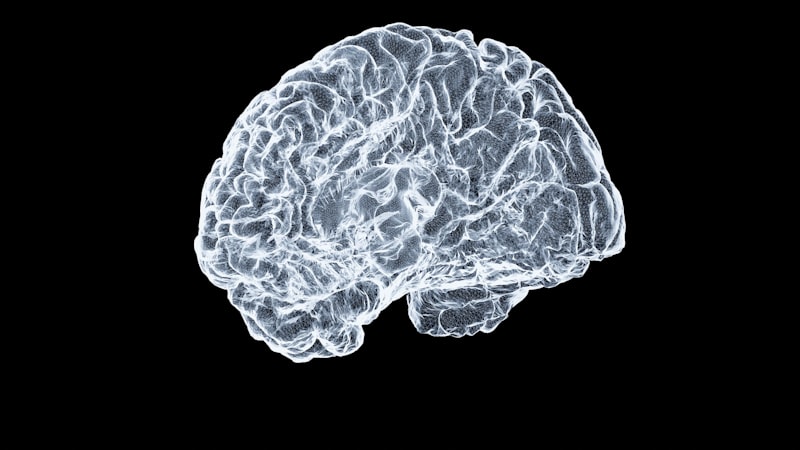
Furthermore, the pupils affected by ARP often exhibit poor or sluggish responsiveness to pharmacological agents that typically induce contraction (miotics). This generalized sluggishness, combined with the specific light-near dissociation, differentiates ARP from many other causes of pupillary abnormality. The diagnosis of ARP is fundamentally a diagnosis of localization, pinpointing a specific lesion within the dorsal midbrain, specifically affecting the interneurons connecting the pretectal area to the Edinger-Westphal nucleus, while sparing the fibers mediating the accommodation response which run more ventrally. Recognition of this sign mandates a thorough investigation into the patient’s medical history and neurological status to identify the often serious underlying etiology.
Historical Context and Nomenclature
The sign is named after Scottish ophthalmologist Douglas Argyll Robertson (1837–1909), who first described the condition in detail in 1869. Argyll Robertson published a series of papers describing patients exhibiting these distinctive pupillary changes, recognizing their strong association with locomotor ataxia, or tabes dorsalis, which was then known to be a manifestation of tertiary syphilis. At the time of his initial observations, the specific microbiological cause of syphilis (Treponema pallidum) was unknown, yet Argyll Robertson’s meticulous clinical work provided a powerful diagnostic marker for advanced neurosyphilis, a disease that caused widespread morbidity throughout the late nineteenth and early twentieth centuries.
The original description emphasized the combination of small, irregular pupils that failed to react to light but contracted during convergence. This discovery provided one of the most reliable and readily observable physical signs linking an ophthalmic finding directly to a serious central nervous system disease. Argyll Robertson’s work not only advanced the field of ophthalmology but also contributed significantly to clinical neurology, offering a critical piece of the diagnostic puzzle for a disease that was otherwise difficult to confirm clinically in its tertiary stages. The sign rapidly became synonymous with neurosyphilis, underpinning much of the clinical understanding of the disease for decades.
The enduring significance of the Argyll Robertson Pupil lies not just in its diagnostic utility for syphilis, but also in its contribution to mapping the intricate neural pathways of the midbrain. The consistent presentation of the light-near dissociation across various patients provided early evidence that the neural circuits governing the light reflex and the accommodation reflex are anatomically separable, a concept crucial for the development of modern neuro-ophthalmology. Even as the prevalence of neurosyphilis has declined in many parts of the world, the ARP remains a highly valued eponym in clinical training, serving as a reminder of the precise anatomical localization of neurological damage.
Neurological Pathway and Localization
To fully appreciate the mechanism of the Argyll Robertson Pupil, one must understand the anatomy of the pupillary reflexes. The light reflex pathway begins when light strikes the retina, sending signals along the optic nerve (Cranial Nerve II). These afferent fibers travel to the pretectal area of the midbrain, specifically terminating in the pretectal nucleus. From the pretectal nucleus, interneurons cross the midline and project bilaterally to the Edinger-Westphal (EW) nuclei, which form the parasympathetic component of the oculomotor nerve (Cranial Nerve III). The efferent limb then transmits signals via CN III to the ciliary ganglion, finally causing contraction of the sphincter pupillae muscle, resulting in miosis. The pathway responsible for the near reflex, however, is distinct, involving cortical input and fibers that descend from the visual association areas, synapsing directly onto the EW nucleus, essentially bypassing the pretectal area involved in the initial light processing.
The pathology causing ARP is localized to the dorsal midbrain, specifically targeting the area where the interneurons travel from the pretectal nucleus to the EW nucleus. This critical area is situated near the cerebral aqueduct, where inflammatory or destructive lesions, typically caused by chronic meningeal inflammation associated with neurosyphilis, can preferentially damage these delicate crossing fibers. Because the fibers mediating the accommodation reflex arrive at the EW nucleus via a different, more ventral route, they are spared from the destruction caused by the dorsal lesion. This anatomical arrangement elegantly explains the physiological dissociation: the input necessary to trigger the light reflex is blocked at the pretectal level, while the input necessary for the accommodation reflex remains intact.
The typical features of ARP—small size (miosis) and irregularity—are also related to midbrain pathology. The sustained miosis is thought to result from damage to the sympathetic fibers that course through the midbrain en route to the pupil dilator muscle, or possibly due to chronic irritation and mild inflammation surrounding the EW nucleus. The irregularity often stems from uneven damage to the sphincter muscle innervation. In clinical terms, the lesion causing ARP is situated rostral (above) to the EW nucleus but caudal (below) to the lateral geniculate body, establishing a precise anatomical location often referred to as the Sylvian aqueduct region. The highly selective nature of the damage confirms the intricate, separate, yet closely associated neural pathways governing pupillary function.
Detailed Clinical Presentation and Testing
The clinical presentation of the Argyll Robertson Pupil is highly characteristic. The pupils are typically small, a condition known as miotic, usually measuring less than 2.5 millimeters in diameter. They often appear irregular in shape, losing their perfectly circular contour, and may be unequal in size (anisocoria), although the ARP is often bilateral, sometimes presenting unilaterally early in the disease course. The key diagnostic finding, however, remains the objective demonstration of the light-near dissociation. To test for this, the clinician first assesses the pupillary light reflex by shining a bright light source into the eye, confirming the absence or severe sluggishness of constriction. Crucially, the consensual response must also be assessed; if the pupil fails to constrict when the contralateral eye is illuminated, the impairment is confirmed to be efferent or central.
Following the light reflex assessment, the near reflex is tested. The patient is asked to look at a distant object and then quickly shift focus to an object held close to the nose, such as the examiner’s finger. A positive finding of ARP requires that the pupils constrict briskly and fully during this maneuver, demonstrating the preserved accommodation response. This contrast between the zero or minimal light reaction and the preserved near reaction is the pathognomonic sign. The sluggishness of reaction to miotic drugs, such as pilocarpine, further supports the diagnosis, indicating a degree of denervation or chronic inflammatory change affecting the pupillary sphincter muscle apparatus itself, beyond the midbrain lesion.
It is important to note that the reaction is often described as “sluggish” or “poor” rather than completely absent, especially in early or mild cases, though the hallmark remains the disproportionately robust near response compared to the light response. This clinical observation must be meticulously documented, as slight variations in testing technique or light intensity can sometimes lead to misinterpretation. Furthermore, because of the chronic nature of the underlying disease (classically neurosyphilis), the pupils often become progressively smaller over time, adding to the difficulty in visualizing and measuring subtle constrictions. The presence of ARP compels immediate neuroimaging and specific serological testing to confirm the underlying central nervous system pathology.
Primary Etiology: Neurosyphilis and Tabes Dorsalis
Historically and classically, the Argyll Robertson Pupil is considered virtually pathognomonic for tertiary neurosyphilis, particularly the chronic form known as tabes dorsalis (locomotor ataxia). Tabes dorsalis is characterized by slow, progressive degeneration of the sensory neurons in the dorsal columns of the spinal cord, leading to sensory loss, gait instability (ataxia), and characteristic lightning pains. The pupillary changes appear when the chronic inflammation of tertiary syphilis affects the dorsal midbrain structures. The spirochete Treponema pallidum causes a chronic meningitis and vasculitis, which leads to localized destruction and gliosis in the pretectal area, resulting in the light-near dissociation.
While the ARP is a strong indicator of prior syphilitic infection, it usually manifests many years, often decades, after the initial primary infection, correlating with the onset of tertiary symptoms. It is frequently seen alongside other signs of neurosyphilis, such as optic atrophy, chronic meningitis, or general paresis. The specificity of the ARP for syphilis is so high that in the pre-antibiotic era, its presence alone was sufficient grounds for a presumptive diagnosis of neurosyphilis. The associated miotic pupil size is also thought to be a late-stage manifestation, potentially due to long-term spirochetal infiltration or gliosis affecting the adjacent sympathetic pathways.
The advent of penicillin and effective treatment of primary syphilis has drastically reduced the global prevalence of ARP. However, it remains an important finding, particularly in populations where syphilis rates are rising or where treatment access is inconsistent. For any patient presenting with confirmed ARP, comprehensive serological testing for syphilis, including both non-treponemal (e.g., VDRL) and treponemal tests (e.g., FTA-ABS), along with a lumbar puncture for cerebrospinal fluid analysis, is mandatory to confirm active or treated neurosyphilis. Although less common now, the link between ARP and neurosyphilis remains one of the most powerful clinical correlations in neurology.
Non-Syphilitic Causes and Differential Diagnosis
While the ARP is classically associated with neurosyphilis, other conditions can occasionally produce light-near dissociation, leading to the designation of a Pseudo-Argyll Robertson Pupil. It is essential to differentiate true ARP from these mimics, as the management and prognosis differ significantly. Non-syphilitic etiologies are generally localized to the same dorsal midbrain area, meaning any lesion that selectively destroys the light reflex fibers while sparing the accommodation fibers can potentially cause the sign. These include vascular lesions (midbrain stroke), tumors (pinealoma or other tumors compressing the pretectal area), multiple sclerosis (MS) plaques, diabetes mellitus, or trauma.
One crucial differential diagnosis is Parinaud syndrome (Dorsal Midbrain Syndrome), which also involves light-near dissociation. However, Parinaud syndrome usually presents with pupils that are large or mid-dilated, unlike the small ARP pupils. Furthermore, Parinaud syndrome often includes vertical gaze paralysis (upgaze limitation) and convergence retraction nystagmus, features typically absent in true ARP. Another important mimic is the Adie’s Tonic Pupil. Adie’s pupil is usually unilateral, large (mydriatic), and involves segmentary paralysis of the iris sphincter. It exhibits a very slow, ‘tonic’ reaction to light and near stimuli, and is hypersensitive to dilute pilocarpine (a pharmacological test that differentiates it clearly from ARP).
Other conditions causing pupillary light-near dissociation include chronic alcoholism, sarcoidosis, and herpes zoster. Given the relative rarity of ARP today, a finding of light-near dissociation should prompt a systematic investigation. The key discriminators are the size of the pupil (small in ARP, large/mid-dilated in others) and the results of pharmacological testing. A true ARP is resistant to contraction with dilute pilocarpine and is highly specific for the dorsal midbrain lesion, mandating a thorough search for infectious or inflammatory causes, even if syphilis is initially deemed unlikely based on history.
Prognosis and Clinical Significance
The presence of the Argyll Robertson Pupil carries significant clinical weight because it indicates chronic, localized damage to a vital region of the central nervous system. As a physical sign, it serves as a powerful diagnostic marker that directs the clinician toward investigating serious systemic diseases, primarily neurosyphilis. In the context of syphilis, the ARP indicates advanced, potentially irreversible neurological damage. While early detection and aggressive antibiotic treatment can halt the progression of neurosyphilis, the pupillary changes themselves are often permanent due to the destruction of the pretectal interneurons.
The clinical significance extends beyond infectious disease, forcing the clinician to consider a broad spectrum of structural pathologies, including intrinsic or extrinsic midbrain tumors, which may require immediate neurosurgical intervention. Identifying the ARP necessitates urgent neuroimaging (MRI) to rule out mass lesions and comprehensive laboratory workup. Because the pupils are small and react poorly, patients with ARP may experience difficulty adapting to low-light conditions, although this visual impairment is usually secondary to the effects of the underlying disease on the optic nerve or retina, rather than the pupillary dysfunction itself.
In summary, the Argyll Robertson Pupil is a classic, highly localized neurological sign that embodies the intersection of anatomy, pathology, and clinical observation. Despite the decreased prevalence of its classic cause, its detection remains a crucial moment in the clinical examination, serving as a reminder that specific physical signs can provide precise information about the location and nature of disease processes affecting the central nervous system. The meticulous observation originally performed by Douglas Argyll Robertson continues to guide modern diagnostic practice in neurology and ophthalmology.