Cognitive Nutrition: Boosting Mental Clarity with Vitamin C
Scientifically Reviewed · Dr. Marwa Abd-Alazim · September 2, 2026
Review Criteria & Clinical Standards
This content undergoes rigorous scientific peer-review and medical editorial standards at Arab Psychology Network to ensure clinical accuracy, validity, and compliance with evidence-based guidelines from leading psychological and healthcare authorities (APA / WHO).
Definition and Chemical Identity
Ascorbic acid is the precise chemical designation for the essential micronutrient commonly known as vitamin C. Chemically, it is classified as a six-carbon lactone derived from glucose metabolism, specifically identified as L-ascorbic acid. This compound functions fundamentally as a water-soluble vitamin, meaning it is not stored extensively within the body and must be regularly replenished through dietary intake. Its chemical structure grants it potent reducing capabilities, which are central to its biological function as a critical electron donor in numerous enzymatic reactions and as a primary non-enzymatic antioxidant within the aqueous environment of cells and bodily fluids. The vital importance of ascorbic acid stems directly from its ability to donate electrons, thereby neutralizing harmful free radicals and participating in key biochemical pathways essential for life.
The nomenclature of this compound reflects its curative properties; the term “ascorbic” literally translates to “no scurvy,” highlighting its historical recognition as the anti-scorbutic factor necessary to prevent this debilitating disease. While many biological systems can synthesize ascorbic acid internally, the evolutionary history of primates, including humans, involved the loss of a crucial enzyme required for the final step of its synthesis pathway. Specifically, the gene encoding L-gulonolactone oxidase (GULO), which catalyzes the conversion of L-gulono-γ-lactone to ascorbic acid, became non-functional in these lineages. This genetic mutation necessitates the classification of ascorbic acid as an essential nutrient for human physiology, mandating its constant acquisition through diet.
Understanding the molecular properties of ascorbic acid is critical to appreciating its complex biological roles. It exists primarily in two interchangeable forms: the reduced form (L-ascorbic acid) and the oxidized form (dehydroascorbic acid, or DHA). DHA retains biological activity and can be actively transported into cells via glucose transporters (GLUTs), notably GLUT1 and GLUT3, before being rapidly reduced back to ascorbic acid inside the cell using glutathione. This recycling mechanism is crucial for maintaining cellular vitamin C pools, particularly in tissues with high metabolic activity or antioxidant requirements, such as the brain and adrenal glands. This dynamic interplay between the reduced and oxidized states underscores its efficiency as a physiological buffer against oxidative stress.
Biological Significance and Evolutionary Context
The biological indispensability of ascorbic acid is starkly contrasted by the evolutionary anomaly observed in humans and other higher primates. Unlike most mammals, which possess the functional GULO gene and can synthesize sufficient quantities of vitamin C from glucose precursors in the liver, primates are unable to perform this crucial metabolic step. This genetic deficit, which occurred approximately 60 million years ago, forces dependence on exogenous sources. This dependency suggests that the natural diets of early primates were consistently rich enough in vitamin C to render the internal synthesis mechanism metabolically redundant, thereby allowing the GULO gene mutation to persist and become fixed in the population without immediate negative selection pressure.
This requirement for external intake profoundly affects human physiology and dietary recommendations. The concentration of ascorbic acid in various tissues is tightly regulated, with the highest concentrations found in metabolically active organs such as the adrenal glands, pituitary gland, brain, and immune cells. These high concentrations reflect the necessity of vitamin C for specific enzymatic reactions and high-level antioxidant protection in tissues vulnerable to oxidative damage. For instance, the adrenal glands rely heavily on ascorbic acid as a cofactor for the synthesis of corticosteroid hormones, explaining why levels drop precipitously during periods of high stress or illness.
The evolutionary shift to relying solely on dietary intake also established a fundamental vulnerability in human health. When dietary intake is insufficient or absent, the body’s limited stores of ascorbic acid are rapidly depleted, typically within one to three months, leading directly to the clinical manifestation of scurvy. This rapid onset of deficiency symptoms highlights the essential, daily requirement for this nutrient and differentiates it from fat-soluble vitamins, which can be stored for much longer durations. Furthermore, the rate of uptake and utilization varies significantly depending on age, health status, and external factors, such as exposure to environmental toxins or chronic inflammation, emphasizing that the defined Recommended Dietary Allowance (RDA) represents only a minimum threshold necessary to prevent overt deficiency symptoms.
Core Biochemical Functions
Ascorbic acid serves as a critical cofactor for eight different human enzymes, playing a pivotal role in maintaining the function and integrity of multiple physiological systems. Its function as an electron donor is central to these enzymatic roles, facilitating hydroxylation reactions that are essential for the synthesis of key biomolecules. Beyond its well-documented role in collagen production, ascorbic acid is indispensable in the synthesis of neurotransmitters, carnitine, and hormones. For example, it acts as a cofactor for dopamine beta-hydroxylase, the enzyme responsible for converting the neurotransmitter dopamine into norepinephrine, a crucial monoamine involved in mood regulation, attention, and the fight-or-flight response.
Perhaps the most universally recognized function of ascorbic acid is its unparalleled capacity as a powerful, water-soluble antioxidant. In this capacity, it acts as the primary defense against reactive oxygen species (ROS) and reactive nitrogen species (RNS) generated during normal cellular respiration and metabolism, or introduced via external stressors like pollution or radiation. By readily donating electrons to neutralize free radicals, such as the superoxide and hydroxyl radicals, ascorbic acid prevents these highly reactive molecules from initiating chain reactions that damage cellular components, including lipids, proteins, and nucleic acids. This protection is vital for preventing premature cellular aging and reducing the risk associated with chronic diseases linked to oxidative stress.
Furthermore, ascorbic acid plays a crucial regenerative role within the antioxidant network. It is capable of restoring the active, reduced form of other essential antioxidants, notably alpha-tocopherol (Vitamin E), which is the primary lipid-soluble antioxidant protecting cell membranes. After Vitamin E neutralizes a radical in the lipid bilayer, it becomes oxidized; ascorbic acid then donates an electron to Vitamin E, returning it to its functional, reduced state. This synergistic relationship ensures sustained and efficient antioxidant protection across both the aqueous and lipid compartments of the cell, highlighting Vitamin C’s function as a master regulator of the body’s overall redox balance. This multifaceted biochemical involvement confirms its status as a vital component of cellular homeostasis and metabolic regulation.
Role in Connective Tissue Formation
The role of ascorbic acid in the formation and maintenance of connective tissue is perhaps its most historically significant function, directly linking its deficiency to the characteristic pathology of scurvy. Connective tissue, which provides structural support throughout the body, relies fundamentally on the integrity of collagen, the most abundant protein in mammals. Collagen fibers are triple helices composed of polypeptide chains, and for these chains to achieve the necessary stability and tensile strength, they must undergo extensive post-translational modifications, specifically the hydroxylation of proline and lysine residues.
Ascorbic acid is absolutely essential as a cofactor for the enzymes responsible for these hydroxylation reactions: prolyl hydroxylase and lysyl hydroxylase. These enzymes require ferrous iron (Fe2+) to function, and during the hydroxylation reaction, the iron becomes oxidized to ferric iron (Fe3+), rendering the enzyme inactive. Ascorbic acid’s role is to reduce the ferric iron back to the active ferrous state, effectively recycling the enzyme and allowing collagen synthesis to proceed continuously. Without sufficient ascorbic acid, this recycling mechanism fails, leading to the production of unstable, poorly hydroxylated collagen known as procollagen.
The systemic consequences of producing defective collagen are profound and widespread, affecting every tissue reliant on structural integrity. This includes the walls of blood vessels, which become fragile and prone to rupture (leading to petechiae and internal bleeding); the periodontal ligaments and gums (leading to characteristic bleeding gums and tooth loss); bone matrix (resulting in skeletal abnormalities); and the skin (causing delayed and ineffective wound healing). Thus, the inability to form stable connective tissue due to vitamin C deficiency is the direct underlying cause of the physical symptoms associated with scurvy, illustrating a direct and critical link between a single nutrient and the body’s fundamental structural architecture.
Deficiency Syndrome: Scurvy
Scurvy is the classic and severe clinical manifestation of prolonged ascorbic acid deficiency, a condition historically prevalent among sailors, explorers, and populations subsisting on limited, nutrient-poor diets. The pathology develops gradually, typically after one to three months of near-zero intake, progressing from non-specific symptoms to severe systemic dysfunction. Early signs often include generalized fatigue, malaise, and lethargy, which can be linked to the impaired synthesis of carnitine, a molecule essential for transporting fatty acids into mitochondria for energy production. As the deficiency progresses, the hallmark symptoms related to connective tissue failure become evident.
The characteristic symptoms of advanced scurvy are systemic and devastating, directly reflecting the body’s inability to synthesize stable collagen. These include:
- Follicular Hyperkeratosis: Hair follicles become blocked by keratin plugs, often accompanied by coiled, “corkscrew” hairs due to defective keratinization.
- Gingival Hemorrhage and Edema: Swollen, purple, spongy, and bleeding gums, often resulting in loosening and eventual loss of teeth.
- Petechiae and Ecchymoses: Small, pinprick hemorrhages (petechiae) and large bruises (ecchymoses) caused by the extreme fragility of capillary walls.
- Impaired Wound Healing: Old scars may reopen, and fresh wounds fail to close properly due to inadequate deposition of stable collagen.
- Musculoskeletal Pain: Severe joint and muscle pain, particularly in children (known as infantile scurvy or Barlow’s disease), due to bleeding within the joints and under the periosteum of the bones.
Scurvy remains rare in developed nations today but can still occur in vulnerable populations, including the elderly with poor diets, individuals with malabsorption disorders, chronic alcoholics, and those with restrictive eating habits. The historical impact of scurvy was immense, causing more deaths among sailors than all naval battles combined until the 18th century, when James Lind’s experiments scientifically established the curative effects of citrus fruits. The swift and complete reversal of all symptoms upon administering even small doses of exogenous ascorbic acid underscores the critical and immediate necessity of this micronutrient for maintaining life and tissue integrity.
Neurological and Psychological Implications
The influence of ascorbic acid extends beyond mere physical structure, profoundly impacting the central nervous system (CNS) and psychological well-being. This link is supported by the fact that the brain contains some of the highest concentrations of vitamin C in the body, actively maintained via specialized transport mechanisms across the blood-brain barrier. Ascorbic acid is crucial in the brain primarily for two reasons: its role as an antioxidant protecting vulnerable neural tissue from oxidative damage, and its function as a cofactor in neurotransmitter synthesis.
The neurological disorders mentioned in the context of deficiency arise due to its direct role in catecholamine synthesis. As previously noted, vitamin C is required by dopamine beta-hydroxylase to synthesize norepinephrine (noradrenaline) from dopamine. Norepinephrine is essential for regulating attention, wakefulness, mood, and stress responses. Severe deficiency can thus impair the production of these critical neurotransmitters, manifesting psychologically as severe lethargy, irritability, depression, and generalized psychological distress, which often accompany the physical decline seen in scurvy.
Furthermore, the powerful antioxidant function of ascorbic acid is critical for protecting the delicate neuronal environment. Neuronal membranes, rich in polyunsaturated fatty acids, are highly susceptible to lipid peroxidation, which is a major contributor to neurodegenerative processes. By scavenging free radicals, vitamin C helps mitigate this oxidative stress, supporting neuronal survival and synaptic plasticity. Research suggests that chronic low-grade deficiency, even if not severe enough to cause overt scurvy, may contribute to cognitive impairment and poor mental performance, underscoring the necessity of adequate intake for optimal brain function throughout the lifespan.
Dietary Sources and Recommended Intake
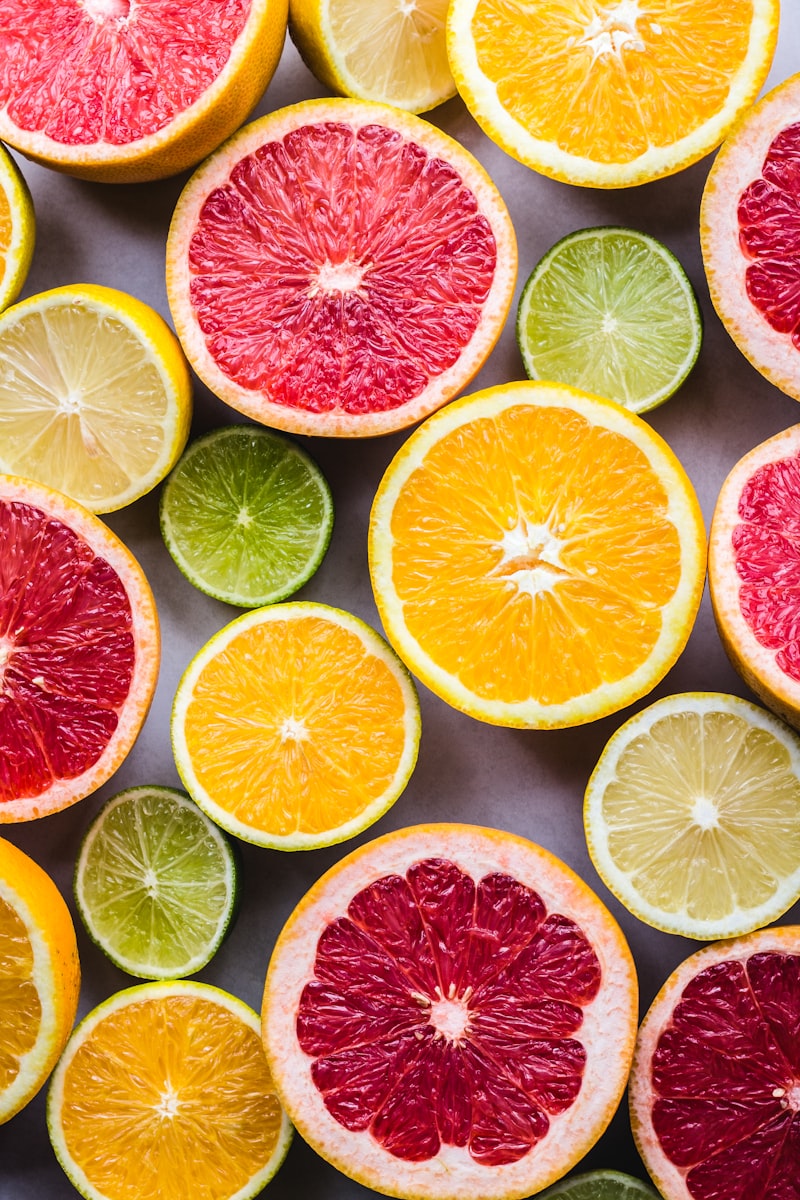
Since the human body cannot synthesize ascorbic acid, dietary consumption is mandatory. Vitamin C is broadly distributed in the plant kingdom, with particularly high concentrations found in fresh fruits and vegetables. The original content correctly identifies citrus fruits (such as oranges, lemons, and grapefruits) as key sources. However, several other foods surpass citrus in vitamin C density, offering robust alternatives.
Key high-concentration dietary sources include:
- Bell Peppers: Especially red and yellow varieties, which often contain significantly more Vitamin C than citrus.
- Cruciferous Vegetables: Broccoli, Brussels sprouts, and cabbage.
- Tropical Fruits: Kiwi, mango, and papaya.
- Berries: Strawberries, blackcurrants, and acerola cherries (which are exceptionally high).
It is important to note that ascorbic acid is highly susceptible to degradation by heat, light, oxygen, and prolonged storage. Therefore, consuming foods raw or lightly steamed is recommended to maximize nutrient retention.
Recommended Dietary Allowances (RDAs) for ascorbic acid are established to prevent deficiency and maintain adequate body stores. For adult non-smoking males, the RDA is typically 90 mg per day, and for adult non-smoking females, it is 75 mg per day. However, specific populations require higher intake. Smokers, for example, require an additional 35 mg per day due to increased oxidative stress and metabolic turnover of the vitamin. Pregnant and lactating women also have increased requirements. These RDAs are conservative, representing the minimum required to prevent scurvy, but ongoing research often suggests that higher intakes may be beneficial for achieving optimal physiological function and antioxidant protection without reaching levels of toxicity, which are rare due to its water solubility.
Pharmacological and Therapeutic Considerations
Beyond meeting basic nutritional requirements, ascorbic acid has been extensively studied for its potential therapeutic applications, often involving high-dose supplementation. The use of megadoses of vitamin C gained significant public attention through the work of Nobel laureate Linus Pauling, who advocated for high intake to prevent and treat the common cold and various chronic diseases. While research on the common cold remains mixed—some studies suggest a slight reduction in cold duration or severity, particularly in individuals under extreme physical stress—it is not generally considered a cure.
More compelling therapeutic applications focus on its antioxidant and pro-oxidant properties in controlled clinical settings. At very high concentrations, typically achieved through intravenous (IV) administration, ascorbic acid can act as a pro-oxidant, generating hydrogen peroxide that may selectively target and induce apoptosis in certain cancer cells. This area of research is complex and requires specialized clinical oversight but represents a promising avenue for pharmacological use, contrasting sharply with its typical role as a protective antioxidant at physiological concentrations.
Safety and toxicity are minimal concerns for oral vitamin C supplementation, even at high doses (several grams per day), due to poor gastrointestinal absorption saturation and rapid renal excretion. The Tolerable Upper Intake Level (UL) for adults is set at 2,000 mg (2 grams) per day, primarily to prevent gastrointestinal side effects such as diarrhea and abdominal cramping. However, individuals with certain pre-existing conditions, particularly those prone to kidney stone formation (oxalate stones) or hereditary disorders leading to excessive iron accumulation (hemochromatosis), must exercise caution, as high doses may increase oxalate excretion or enhance iron absorption, respectively. Therefore, while essential, the use of ascorbic acid in therapeutic contexts must be balanced against individual metabolic profiles.