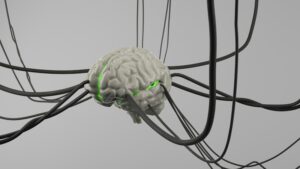
Automated Desensitization: Hack Your Fear With Technology
Scientifically Reviewed · Dr. Marwa Abd-Alazim · October 20, 2026
Review Criteria & Clinical Standards
This content undergoes rigorous scientific peer-review and medical editorial standards at Arab Psychology Network to ensure clinical accuracy, validity, and compliance with evidence-based guidelines from leading psychological and healthcare authorities (APA / WHO).

Introduction and Core Definition
Automated Desensitization (AD) represents a specialized, technologically mediated evolution of traditional therapeutic techniques, primarily focusing on the principles of systematic desensitization. At its core, AD is the application of computer programs, virtual reality (VR) environments, augmented reality (AR) systems, or specialized mobile applications to deliver controlled, gradual exposure to fear-inducing stimuli without the immediate, continuous supervision of a human therapist. The fundamental goal remains consistent with its historical predecessor: to gradually reduce the intensity of maladaptive emotional and physiological responses, such as excessive anxiety or panic, associated with specific phobias or traumatic triggers. This approach leverages computational power to manage the exposure hierarchy, pacing, and feedback loops, offering a highly standardized and reproducible therapeutic experience.
The distinction between AD and therapist-led desensitization lies predominantly in the delivery mechanism and the real-time management of the exposure process. In AD, the system itself monitors the patient’s physiological and behavioral responses—often through integrated sensors measuring heart rate variability, galvanic skin response, or eye-tracking—to dynamically adjust the intensity of the stimulus. This automation allows for precision in adhering to the core principle of systematic desensitization, ensuring that the exposure stimulus never exceeds the patient’s current tolerance threshold, thereby promoting habituation rather than overwhelming panic. The immediate and objective data feedback loops are crucial, as they validate the system’s decisions regarding moving up or down the hierarchy of feared situations, making the process highly tailored to the individual’s moment-to-moment psychological state.
Automated Desensitization is rooted firmly in learning theory, specifically the concept of counter-conditioning. The technology facilitates the coupling of the feared stimulus with a state of relaxation or low anxiety, gradually replacing the conditioned fear response with a calmer, more neutral reaction. This process requires repeated, controlled exposure sessions, which automated systems can provide consistently and conveniently. Furthermore, the standardized nature of technological delivery ensures that the quality and consistency of the exposure environment remain constant across multiple sessions and multiple users, addressing a common variability challenge found in purely human-administered therapies.
The Mechanism of Automated Exposure
The efficacy of Automated Desensitization relies on the precise management of stimulus presentation and the integration of objective physiological feedback. When a patient begins an automated session, the system first establishes a baseline physiological state. As the exposure begins—for instance, encountering a virtual representation of the feared object—the system actively monitors indicators of autonomic arousal. These indicators may include increased heart rate, rapid shallow breathing, or elevated skin conductivity, which are direct markers of acute stress and the conditioned fear response. The automation uses this data to modulate the therapeutic environment, adjusting factors like the proximity, size, duration, or movement of the feared stimulus within the virtual space.
A key component in many AD protocols is the utilization of biofeedback technology. This allows the patient to visualize their internal physiological state in real-time, often displayed as a simple graph or visual meter alongside the exposure stimulus. The system may instruct the patient to engage in relaxation techniques, such as diaphragmatic breathing, and provide positive reinforcement when their physiological metrics move toward a calmer state. If the patient’s arousal levels exceed a pre-set threshold, the automated system is programmed to immediately de-escalate the exposure—perhaps by pausing the simulation, reducing the intensity of the stimulus, or reverting to a previously mastered, less threatening scenario. This adaptive pacing is vital for preventing the experience from becoming traumatic and ensuring that the patient remains within their window of tolerance, promoting successful emotional processing and habituation.
The automation of the exposure process ensures that the fundamental principles of gradual exposure are strictly upheld. The system maintains detailed logs of the patient’s progress, recording how long they tolerated specific levels of exposure and what physiological responses were elicited. This data is critical for customizing the subsequent sessions. Unlike traditional methods where a therapist must rely on subjective patient reporting of fear (Subjective Units of Distress, or SUDS), the automated system provides objective, quantifiable metrics of progress. This data-driven approach allows for highly precise adjustments to the hierarchy of fears, ensuring that the progression is challenging enough to induce therapeutic change but gentle enough to avoid relapse or excessive distress, thereby optimizing the desensitization trajectory.
Historical Roots and Technological Evolution
Automated Desensitization did not emerge in a vacuum; it is a direct technological descendant of the foundational work on behavior modification. The conceptual roots trace back to the mid-20th century with the work of psychiatrist Joseph Wolpe, who formalized systematic desensitization in the 1950s. Wolpe’s technique relied on the pairing of deep muscle relaxation with the gradual mental visualization (imaginal exposure) of anxiety-provoking situations, moving through a carefully constructed hierarchy of fear. The initial limitation of this method was its reliance on the patient’s ability to vividly imagine the scenario and the therapist’s subjective assessment of the patient’s internal state.
The transition toward automation began as computer technology became more accessible in the late 20th century. Early attempts involved using computer programs to present static images or sounds related to phobias, standardizing the presentation phase. However, the revolutionary step occurred with the advent of immersive technologies. Starting in the 1990s, researchers began experimenting with Virtual Reality (VR) environments to treat specific phobias, notably fear of heights (acrophobia) and fear of flying (aviophobia). VR offered a safe, controlled, and highly realistic substitute for *in vivo* exposure, eliminating the logistical difficulties and high costs associated with real-world exposure while overcoming the limitations of pure imaginal exposure.
Modern Automated Desensitization systems represent the sophisticated integration of VR/AR immersion, high-fidelity graphics, and robust physiological monitoring systems. These systems have moved beyond simple stimulus presentation to incorporate machine learning and adaptive algorithms. These advanced algorithms analyze vast amounts of session data to predict the patient’s tolerance level and optimally select the next exposure challenge, effectively automating the clinical judgment previously reserved solely for the therapist. This technological leap has propelled AD from a niche research tool into a scalable, clinically viable intervention, expanding its reach significantly beyond the confines of specialized clinics.
Practical Application: Treating Phobias
One of the most compelling practical applications of Automated Desensitization is in the treatment of specific phobias, such as arachnophobia (fear of spiders). Consider a patient presenting with an intense, debilitating fear of spiders that significantly impairs their daily life. Traditionally, treatment would involve multiple costly sessions with a therapist guiding the patient through relaxation and then gradually introducing real or photographic stimuli. AD streamlines this process by moving it into a controlled digital environment, which is perceived as safer and more manageable by the patient, thereby increasing compliance.
The automated system first guides the patient through setting up their personalized fear hierarchy—from seeing a stylized cartoon of a spider (low anxiety) to being in a room where a realistic, high-definition spider walks toward them (high anxiety). During the exposure sessions, the patient wears a VR headset. The system begins at a low anxiety level, perhaps showing a small, distant spider on a digital wall. Crucially, the system monitors the patient’s physiological state via integrated wrist sensors. If the patient maintains a low heart rate and stable skin conductivity for a set duration, the system automatically progresses to the next step, perhaps making the spider slightly larger or moving it closer.
The effectiveness of this automation lies in its ability to enforce the therapeutic principle of gradualism precisely. If the patient experiences a sudden spike in heart rate or displays rapid shallow breathing, the system immediately intervenes. It might freeze the virtual scene, reduce the spider’s size, or even revert the environment entirely to a designated “safe space” until the patient utilizes learned coping mechanisms to bring their physiological arousal back down. This immediate, objective feedback loop ensures that the patient learns that they have control over their physiological response and that the exposure will cease before panic takes hold. This successful pairing of self-regulation with the previously feared stimulus is the mechanism that drives effective desensitization and long-term reduction in phobic anxiety.
A Step-by-Step Automated Protocol
Automated Desensitization protocols generally follow a rigorous, structured sequence to ensure safety and maximize therapeutic outcomes. The sequence outlines how the technology interacts with the patient’s psychological processing.
- Initial Assessment and Calibration: The patient undergoes a thorough clinical assessment, often supplemented by digital questionnaires, to confirm the diagnosis and identify specific triggers. The automated system then conducts a baseline physiological reading and calibrates the sensors. This step ensures the system accurately interprets the patient’s unique physiological responses to stress.
- Hierarchy Construction and Digital Modeling: Based on the assessment, the patient and the system collaboratively build a personalized fear hierarchy (e.g., ten steps ranging from minimal to maximum anxiety). The system then generates the corresponding digital stimuli (e.g., VR scenarios) that match these anxiety levels. This hierarchy serves as the precise roadmap for the automated exposure sessions.
- Relaxation Training and Counter-Conditioning: Before exposure begins, the system usually guides the patient through automated relaxation training, often utilizing visual and auditory aids combined with biofeedback. The patient must demonstrate proficiency in achieving a relaxed state, which is the necessary counter-stimulus required for successful desensitization.
- Automated Exposure Session: The system presents the lowest level of the fear hierarchy. While monitoring physiological arousal (e.g., heart rate), the system maintains the stimulus until habituation occurs (i.e., physiological markers drop below the threshold). Pacing is managed entirely by the software; if arousal spikes, the exposure is reduced or paused.
- Data Analysis and Progression: After the session, the system analyzes the duration of exposure tolerated, the physiological metrics, and the speed of habituation. Based on this data, the algorithm recommends whether the patient should repeat the current level, progress to the next level in the hierarchy, or, in rare cases, revert to an earlier, easier level. This objective analysis replaces the subjective decision-making inherent in human-only therapy.
Significance, Advantages, and Ethical Considerations
The significance of Automated Desensitization to clinical psychology is profound, primarily because it addresses major practical limitations of traditional Exposure Therapy. One of the greatest advantages is scalability and accessibility. Traditional therapy is resource-intensive, requiring specialized therapists and dedicated time slots. AD systems, once developed, can be deployed widely, significantly reducing the cost per session and making evidence-based treatment available to populations in remote areas or those facing socioeconomic barriers to accessing mental healthcare. Furthermore, the inherent standardization of the automated environment ensures consistent quality of care, regardless of the clinician’s experience level, a challenge often faced in non-automated therapeutic settings.
Another critical advantage is the unparalleled level of control and safety afforded by the digital environment. For phobias that are difficult or impossible to reproduce safely in the real world (e.g., fear of flying, catastrophic scenarios, or intense social situations), Virtual Reality offers a perfectly safe, yet psychologically realistic, simulation. The ability to pause, reset, or instantly modify the environment based on real-time physiological data minimizes the risk of overwhelming the patient, which is a common concern in *in vivo* exposure therapy. This precise control enhances patient compliance and reduces dropout rates, which are often high in intensive exposure treatments.
However, the rise of AD necessitates careful ethical consideration. Issues surrounding data privacy are paramount, as these systems collect sensitive physiological and psychological data. Robust security protocols are mandatory to protect this highly personal health information. Furthermore, while automation excels at procedural adherence, it lacks the nuanced empathy and relational aspects of human therapy. There is an ongoing debate regarding the extent to which complex emotional needs and unexpected psychological reactions can be managed solely by algorithms. Therefore, the most responsible deployment of AD often involves a hybrid model, where the automated system handles the standardized exposure delivery, but a human therapist remains available for clinical oversight, interpretation of results, and addressing complex comorbid issues.
Connections to Related Psychological Theories
Automated Desensitization is fundamentally grounded in the behavioral tradition, most directly stemming from the principles of Classical Conditioning, as established by Ivan Pavlov. The psychological mechanism driving AD is the extinction of a conditioned fear response. In phobias, an originally neutral stimulus (e.g., an elevator) becomes paired with an unconditioned response (fear/panic) through a specific learning event. AD systematically breaks this learned association by repeatedly presenting the conditioned stimulus in a safe environment while inhibiting the fear response through relaxation or counter-conditioning, leading to extinction.
The relationship between AD and broader Cognitive Behavioral Therapy (CBT) is symbiotic. While AD focuses primarily on the behavioral component (the exposure and habituation), successful treatment often requires integrating cognitive restructuring techniques, which are central to CBT. For instance, before engaging in the automated exposure, a patient must cognitively challenge their catastrophic thoughts related to the phobic stimulus (e.g., “The spider will kill me”). The successful habituation achieved through the automated system then provides powerful, empirical evidence that contradicts these maladaptive cognitive beliefs, reinforcing the cognitive change.
Automated Desensitization is also closely linked to the broader category of Exposure Therapy, which includes variants such as flooding and graded exposure. AD can be viewed as the technological formalization of graded exposure, utilizing technology to ensure the grading is precise, measurable, and adaptable. It falls squarely within the domain of applied clinical psychology, specifically bridging the gap between behavioral science and health technology. The concepts and data derived from AD protocols are continually informing research into emotional regulation, fear memory consolidation, and the neurological basis of anxiety disorders.
Future Directions in Automated Therapeutic Interventions
The trajectory of Automated Desensitization is heavily focused on enhanced integration with Artificial Intelligence (AI) and machine learning. Current systems are already highly adaptive, but future iterations aim to use AI to build truly personalized therapeutic pathways. AI algorithms will be able to analyze not only physiological data but also linguistic patterns, micro-expressions detected via webcam, and environmental factors to predict the optimal moment for stimulus progression with unprecedented accuracy. This level of personalization promises to further shorten treatment timelines and increase efficacy across a wider spectrum of anxiety and trauma-related disorders, moving beyond simple specific phobias.
Another significant future direction involves the integration of AD into mainstream preventative and mental wellness programs. As wearable technology becomes ubiquitous, automated systems could potentially offer “just-in-time” interventions. For example, if a patient’s smart watch detects a sudden spike in heart rate and stress indicators in a specific context (e.g., entering a crowded space), the associated AD application could initiate a brief, guided relaxation or cognitive reframing exercise via augmented reality overlay, preventing a full-blown panic response before it even fully materializes. This transition toward proactive, preventative mental health care delivered through personalized automation represents a major shift in therapeutic delivery models.
Finally, research is expanding the application of AD beyond phobias to more complex conditions, including Post-Traumatic Stress Disorder (PTSD) and obsessive-compulsive disorder (OCD). For PTSD, automated VR exposure can recreate traumatic scenarios in a controlled loop, allowing patients to process the trauma safely under algorithmic guidance. For OCD, automation can facilitate exposure and response prevention (ERP) exercises by providing standardized, contamination-free exposure scenarios. The primary challenge in these complex areas is ensuring the automated system can handle the cognitive complexity and emotional depth required, solidifying the idea that the future of AD is likely a tightly integrated, technology-assisted clinical partnership rather than a complete replacement for human therapeutic intervention.