Autonomic Dysreflexia: Taming the Nervous System’s Storm
Scientifically Reviewed · Dr. Marwa Abd-Alazim · August 24, 2026
Review Criteria & Clinical Standards
This content undergoes rigorous scientific peer-review and medical editorial standards at Arab Psychology Network to ensure clinical accuracy, validity, and compliance with evidence-based guidelines from leading psychological and healthcare authorities (APA / WHO).
Definition and Clinical Significance
Autonomic Dysreflexia (AD), often referred to synonymously as Autonomic Hyperreflexia, represents an acute, potentially life-threatening medical emergency characterized by a sudden, massive, and uncontrolled reflexive discharge of the sympathetic nervous system. This exaggerated activity is typically triggered by noxious stimuli occurring below the level of a spinal cord injury (SCI). The condition is predominantly observed in individuals who have sustained a lesion at or above the sixth thoracic vertebral level (T6). This anatomical threshold is critically important because injuries above T6 disrupt the descending inhibitory pathways that normally modulate sympathetic outflow from the central nervous system, particularly those controlling the splanchnic circulation. Consequently, when afferent sensory signals ascend from below the injury, they initiate an unopposed, powerful sympathetic response that cannot be effectively regulated by higher brain centers, leading to rapid and dramatic physiological changes that demand immediate medical intervention to prevent severe complications, including fatal outcomes such as hemorrhagic stroke or myocardial infarction.
The onset of Autonomic Dysreflexia is usually abrupt and dramatic, serving as a critical indicator that a patient with high-level SCI is experiencing a significant physical irritation or distress that they cannot consciously perceive. The core clinical finding is the rapid development of severe, acute hypertension, often accompanied by an intense, pounding headache described by patients as the most severe headache they have ever experienced. Understanding the mechanism and promptly recognizing these initial signs are paramount for caregivers and clinicians. Failure to rapidly identify and eliminate the causative trigger and subsequently manage the resulting hypertensive crisis can lead to irreversible neurological damage or death. Therefore, AD is not merely a collection of symptoms but a maximal physiological emergency inherent to the pathology of high spinal cord injury, necessitating standardized emergency protocols for management and prevention.
The definition of AD hinges on the concept of a spinal reflex arc operating autonomously, completely divorced from supraspinal control. The nervous system below the injury responds to irritation—be it pain, pressure, or internal organ distress—with an overwhelming sympathetic vasoconstrictive response. The severity of the sympathetic surge is directly proportional to the intensity of the noxious stimulus and the completeness of the spinal cord lesion. The clinical significance of this phenomenon dictates that all individuals living with SCI at or above T6 must be educated extensively regarding the risk factors, early warning signs, and necessary immediate actions. A person experiencing Autonomic Dysreflexia would likely experience a hyperactive autonomic system if an injury was experienced above a certain spinal area, underscoring the vital link between injury location and systemic risk.
Etiology and Pathophysiology of the Reflex Arc
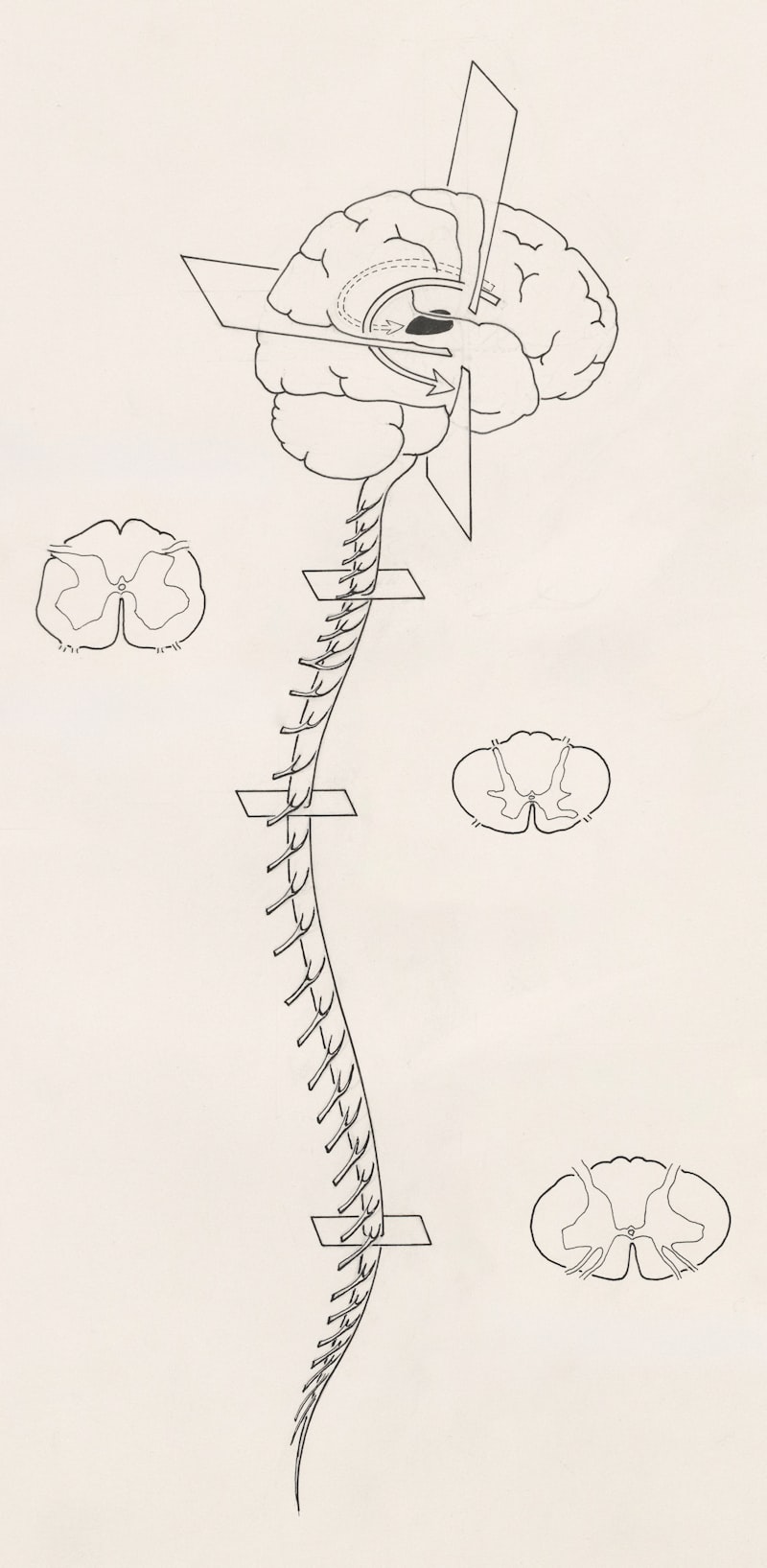
The etiology of Autonomic Dysreflexia is rooted in the physical interruption of neurological pathways following a spinal cord injury, specifically involving the ascending and descending tracts. When a high thoracic (T6 or above) SCI occurs, the connections between the brainstem regulatory centers (such as the vasomotor center in the medulla) and the sympathetic preganglionic neurons located in the thoracolumbar spinal cord segments (T1-L2) are severed. This loss of communication means that the inhibitory signals that normally descend from the brain to keep the sympathetic tone in check cannot reach the spinal segments below the lesion. The spinal cord segments below the injury become hyperexcitable and hypersensitive to afferent input, essentially functioning as an independent reflex center with an extremely low threshold for activation.
The pathophysiology commences when a noxious stimulus, such as acute bladder distension or a severe pressure ulcer, initiates sensory input below the level of the injury. These afferent signals travel upward through the peripheral nerves and enter the spinal cord. Upon reaching the level of the injury, they are blocked from ascending further to the brain. However, at the level of entry and below, these signals successfully excite the sympathetic preganglionic neurons within the intact spinal segments below the lesion. This excitation triggers a massive, uncoordinated, and unopposed sympathetic outflow. This efferent discharge travels via the sympathetic chains to the blood vessels, resulting in intense, generalized peripheral vasoconstriction in all areas below the level of the spinal cord lesion. This widespread narrowing of the blood vessels leads immediately to a dramatic and life-threatening increase in systemic vascular resistance, which is the direct cause of the severe hypertension characterizing AD.
The physiological response to this acute hypertensive crisis involves a critical compensatory mechanism initiated by the body’s intact regulatory systems above the level of injury. Baroreceptors in the carotid arteries and aortic arch detect the sudden, sharp rise in blood pressure and send signals to the brainstem. In response, the vasomotor center attempts to reduce the blood pressure. Since the spinal cord injury prevents the descending sympathetic inhibitory signals from reaching the segments below T6, the only effective compensatory mechanism available is the parasympathetic nervous system, specifically mediated by the intact vagus nerve (Cranial Nerve X). The vagus nerve attempts to regulate the heart by causing bradycardia (a slowing of the heart rate) and promoting vasodilation in the vascular beds that are innervated above the level of the lesion. This dichotomy—severe vasoconstriction below the lesion and attempts at vasodilation and bradycardia above the lesion—is the defining physiological hallmark of Autonomic Dysreflexia.
Distinct Clinical Manifestations
The clinical presentation of Autonomic Dysreflexia is typically defined by a constellation of symptoms that reflect the differential autonomic activity above and below the level of the spinal cord lesion. The most immediate and dangerous symptom is the paroxysmal elevation of systolic blood pressure, which can reach levels exceeding 200 mmHg. This rapid rise in pressure is directly responsible for the sudden, intense, and often throbbing headache, which is usually frontal or temporal in nature. The headache serves as a crucial warning sign, especially if the patient reports no prior history of similar severe headaches. Accompanying this hypertensive episode is often a reflex bradycardia, where the heart rate drops in response to the baroreceptor reflex attempting to counteract the severe vasoconstriction.
Symptoms manifesting above the neurological level of the lesion are primarily due to the compensatory parasympathetic outflow via the vagus nerve and localized sympathetic inhibition. These symptoms include marked diaphoresis, or profuse sweating, often confined strictly to the face, neck, and upper chest, which can be patchy or generalized across these areas. Similarly, the skin in these regions may exhibit dramatic flushing (erythema) due to localized vasodilation. Other common upper-body symptoms include nasal congestion or stuffiness, a consequence of increased parasympathetic innervation to the mucosal glands, and visual disturbances such as blurred vision or the sensation of spots, which are indicative of acute changes in ocular pressure and cerebral perfusion. In severe cases, the patient may also experience feelings of intense apprehension or anxiety, reflecting the underlying physiological distress.
In sharp contrast, the skin and extremities below the level of injury manifest signs of unopposed sympathetic hyperactivity. Due to the intense vasoconstriction in these areas, the skin appears pale, cold, and clammy (pallor). Another hallmark sign below the lesion is piloerection, commonly known as goose bumps or goose flesh, which occurs because the sympathetic nervous system triggers the contraction of arrector pili muscles. This piloerection may be observed specifically on the trunk or lower limbs. The clear demarcation between the flushed, sweaty skin above the lesion and the pale, cool skin below the lesion provides compelling visual evidence of the neurological level involved and confirms the diagnosis of Autonomic Dysreflexia, reinforcing the need for immediate intervention to locate and remove the underlying noxious stimulus.
Common Triggering Stimuli
The identification and removal of the triggering stimulus are the primary goals of managing an acute episode of Autonomic Dysreflexia, as the syndrome will typically not resolve until the irritation is alleviated. Triggers are overwhelmingly visceral, meaning they arise from internal organ systems, specifically those related to bladder and bowel function, which are heavily reliant on autonomic control. Because of the sensory deficit resulting from the SCI, the patient does not perceive pain or discomfort in the conventional sense, leading to a silent accumulation of the stimulus until the threshold for the exaggerated sympathetic reflex is reached. It is imperative for clinical staff to systematically investigate the most common causes immediately upon recognizing the signs of an AD episode.
The most frequent and often cited cause of Autonomic Dysreflexia is any irritation or overdistension of the urinary tract. Bladder distention stands out as the single most common trigger, resulting from a blocked urinary catheter, missed scheduled voiding, kinking of the catheter tubing, or the presence of bladder stones or severe urinary tract infections (UTIs). Even minor procedures such as catheter insertion, removal, or irrigation can sometimes provide sufficient noxious stimulus to precipitate a full AD crisis. Care must be taken during routine urological management to ensure proper drainage and sterility, thereby minimizing the risk of infection and blockage.
The second major category of triggers involves gastrointestinal irritation. Bowel impaction, where retained fecal matter causes extreme distension of the lower colon or rectum, is a powerful stimulus for AD. Routine activities such as digital stimulation or manual bowel evacuation, while necessary for bowel management, must be performed with extreme care and often require prophylactic topical anesthesia to mitigate the risk of triggering an event. Other gastrointestinal irritants include hemorrhoids, anal fissures, severe constipation, gastritis, or any other condition causing acute abdominal pain or distension below the T6 level. Awareness of the patient’s routine bowel schedule is critical for prevention.
Beyond the visceral causes, a variety of somatic and cutaneous stimuli can also precipitate Autonomic Dysreflexia. These triggers include conditions causing skin breakdown, such as pressure ulcers (decubitus ulcers), burns, or severe ingrown toenails. Mechanical irritations, such as restrictive clothing, tight abdominal binders, improperly fitted splints or orthotics, or the presence of minor trauma like a fracture or laceration below the level of injury, can all initiate the reflex. Furthermore, certain internal processes, including labor and delivery in pregnant women with high SCI, deep vein thrombosis, or even ejaculation, have been documented as potent triggers, necessitating specialized care protocols tailored to these specific activities.
Emergency Management and Acute Treatment Protocols
Managing an acute episode of Autonomic Dysreflexia requires rapid, systematic intervention, treating the condition as a critical medical emergency. The initial and most crucial step is positioning: the patient must be immediately placed in an upright sitting position (high Fowler’s position) with their legs dependent. This maneuver utilizes gravity to promote orthostatic hypotension, which helps to pool blood in the lower extremities and thereby lowers the dangerously high blood pressure, mitigating the risk of cerebral hemorrhage. Continuous monitoring of the patient’s blood pressure is mandatory, ideally every two to five minutes, while simultaneously initiating the search for the underlying cause.
Following positional adjustment, the immediate priority is to identify and alleviate the noxious stimulus. Since urinary issues are the most common cause, the clinician must first check for bladder distension or catheter obstruction. If the patient has a catheter, the tubing should be immediately checked for kinks or blocks, and if necessary, the bladder should be rapidly drained. If the patient is not catheterized, immediate straight catheterization must be performed, often using a local anesthetic lubricant to minimize additional stimulation. If bladder issues are ruled out, the focus shifts to the bowel. A digital rectal examination may be necessary to check for fecal impaction, but this procedure must be performed with extreme caution, often requiring the insertion of anesthetic agents (e.g., lidocaine jelly) into the rectum several minutes prior to the examination to minimize sensory input that could worsen the crisis.
Pharmacological intervention is reserved for situations where the blood pressure remains dangerously elevated (typically defined as systolic pressure exceeding 150-160 mmHg) after the trigger has been identified and removed, or if the trigger cannot be rapidly eliminated. The chosen medication must be fast-acting and capable of rapidly reversing the severe peripheral vasoconstriction. Common agents include sublingual nifedipine (a calcium channel blocker), topical or intravenous nitrates (such as nitroglycerin), or alpha-adrenergic blocking agents (e.g., phentolamine). These drugs function by relaxing the smooth muscles of the blood vessels, thereby reducing systemic vascular resistance and lowering the blood pressure. Administration of these medications requires continuous monitoring in a critical care setting until the patient stabilizes and the symptoms of Autonomic Dysreflexia completely subside, ensuring that the precipitating factor has been fully addressed.
Long-Term Management and Prevention Strategies
Effective long-term management of individuals susceptible to Autonomic Dysreflexia is centered on proactive prevention and comprehensive patient and caregiver education. Preventing the recurrence of acute episodes is far safer and more effective than treating the resulting hypertensive crisis. The cornerstone of prevention involves establishing and rigidly adhering to meticulously scheduled bowel and bladder programs designed to avoid the two most frequent visceral triggers: distention and impaction. This includes regular, scheduled intermittent catheterization or ensuring continuous catheter patency, coupled with daily or every-other-day bowel care routines that ensure complete evacuation without excessive trauma or over-stimulation.
Education is a critical component of prophylactic care. Patients and their primary caregivers must be thoroughly trained to recognize the subtle, early warning signs of an impending AD episode—such as minor localized sweating, mild nasal stuffiness, or a slight discomfort that precedes the full-blown, severe headache. Early recognition allows for rapid, non-pharmacological intervention (e.g., checking for a kinked catheter) before the blood pressure reaches hazardous levels. Patients should also be equipped with an emergency kit containing necessary supplies, including lubricating jelly, catheters, and, if prescribed by a physician, fast-acting oral antihypertensive medications for immediate self-administration during a crisis while awaiting professional medical help.
Beyond routine bladder and bowel care, preventative measures must also focus on meticulous skin integrity and environmental factors. Regular, thorough skin checks are essential to identify and promptly treat any pressure ulcers, ingrown toenails, burns, or other breaks in the skin barrier that could serve as noxious stimuli. Furthermore, attention must be paid to ensuring that clothing, braces, orthotics, or other assistive devices are never too tight or restrictive, as sustained pressure can easily initiate the reflex. By maintaining strict control over these common irritants and fostering a high level of vigilance and understanding among the patient and their support system, the frequency and severity of Autonomic Dysreflexia episodes can be significantly reduced, dramatically improving the long-term health outcomes and safety of the individual with high-level SCI.
Differential Diagnosis and Severe Complications
When a patient with a high SCI presents with an acute, severe headache and hypertension, Autonomic Dysreflexia must be considered the primary diagnosis until proven otherwise. However, it is essential to consider other potential causes of hypertensive crises in a differential diagnosis, particularly in a hospital setting. Conditions such as malignant hypertension, pheochromocytoma, or severe preeclampsia (in pregnant individuals) can mimic the signs of extremely high blood pressure and headache. The key distinguishing factor in AD is the presence of the spinal cord injury above T6, the accompanying differential sweating and flushing patterns (above versus below the lesion), and the presence of a clear, identifiable noxious trigger that resolves the symptoms upon removal. Failure to correctly identify AD can lead to inappropriate treatment, such as administering medications that do not target the underlying physiological mechanism of sympathetic overdrive.
The risks associated with unchecked Autonomic Dysreflexia are extremely high due to the dramatic, uncontrolled elevation of blood pressure. The most feared and catastrophic complications are cardiovascular and cerebrovascular in nature. The intense and sudden rise in systemic vascular resistance can exceed the capacity of cerebral blood flow autoregulation, leading to the breakthrough of the blood-brain barrier. This acute pressure overload can result in hemorrhagic stroke (bleeding into the brain), ischemic stroke, or intracerebral hemorrhage, all of which carry high morbidity and mortality rates. Furthermore, the massive physiological stress can precipitate retinal detachment, pulmonary edema, or acute myocardial infarction (heart attack), particularly in patients with pre-existing cardiovascular risk factors.
Given the immediate life-threatening nature of these potential complications, the presence of AD necessitates prompt, decisive action. The long-term prognosis for individuals who experience recurrent, severe episodes of Autonomic Dysreflexia is guarded, as repeated hypertensive insults can lead to progressive structural changes in the vasculature, making them more vulnerable to chronic hypertension and further cerebrovascular events. Thus, treating AD effectively means not just resolving the immediate crisis but also preventing the physiological conditions that could lead to subsequent, often fatal, cardiovascular collapse or irreversible neurological damage. The potential for fatality underscores why AD is universally regarded as one of the most serious complications arising from high-level spinal cord injury.