Cellular Autophagy: Rejuvenate Your Mind and Body
Scientifically Reviewed · Dr. Marwa Abd-Alazim · September 29, 2026
Review Criteria & Clinical Standards
This content undergoes rigorous scientific peer-review and medical editorial standards at Arab Psychology Network to ensure clinical accuracy, validity, and compliance with evidence-based guidelines from leading psychological and healthcare authorities (APA / WHO).
The Conceptual Foundations and Etymology of Autophagy
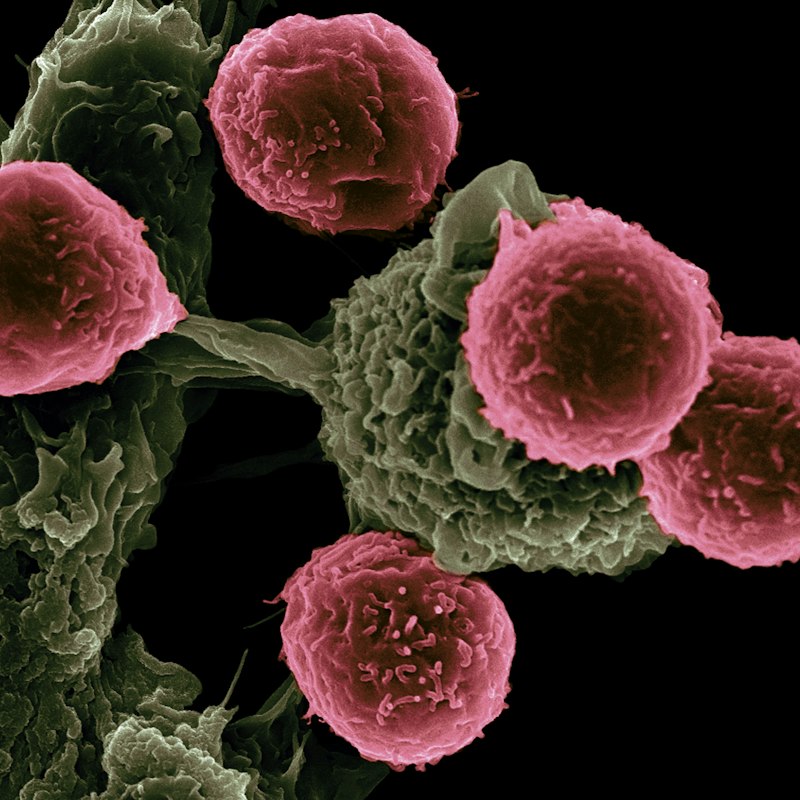
The term autophagy is derived from the Greek words “auto,” meaning self, and “phagein,” meaning to eat, effectively translating to the biological process of “self-eating.” This fundamental cellular mechanism serves as a conserved evolutionary pathway across eukaryotic organisms, designed to identify, sequester, and degrade damaged or unnecessary cellular components. By breaking down dysfunctional organelles, misfolded proteins, and invading pathogens, the cell maintains its internal equilibrium and ensures survival during periods of environmental stress. While the concept was first observed in the mid-20th century, its profound significance in the field of psychology and neurobiology has only recently been fully appreciated, revealing a complex link between cellular cleanliness and cognitive health.
Within the context of an encyclopedia of psychology, autophagy represents the microscopic foundation of behavioral and cognitive resilience. The ability of a neuron to recycle its internal components is not merely a metabolic necessity but a prerequisite for neuroplasticity and long-term potentiation. When autophagic processes function optimally, the brain can effectively manage the “molecular debris” that accumulates during regular synaptic activity. Conversely, the failure of these pathways often correlates with the onset of psychological decline and neurodegenerative conditions, suggesting that the health of the mind is inextricably linked to the efficiency of the cell’s internal waste management system. This intricate balance highlights how physiological processes dictate psychological outcomes.
The historical trajectory of autophagy research reached a pinnacle with the 2016 Nobel Prize in Physiology or Medicine awarded to Yoshinori Ohsumi, whose work with yeast cells elucidated the genetic underpinnings of this process. His discoveries allowed scientists to map the specific genes—known as ATG genes—that coordinate the formation of the autophagosome, the double-membraned vesicle that encapsulates cellular waste. This breakthrough transitioned autophagy from a vaguely understood phenomenon to a highly regulated and predictable biological event. For psychologists and neurologists, this genetic clarity provides a framework for understanding how genetic predispositions toward autophagic dysfunction can manifest as cognitive vulnerabilities or psychiatric disorders in human populations.
Furthermore, autophagy is increasingly recognized as a dynamic response to the organism’s environment rather than a static housekeeping function. It is heavily influenced by factors such as nutrient availability, physical exercise, and circadian rhythms, all of which are central themes in behavioral psychology. The regulation of autophagy is largely governed by the mTOR (mammalian target of rapamycin) signaling pathway, which acts as a molecular switch sensing the energy status of the body. When nutrients are scarce, mTOR is inhibited, triggering autophagy to provide the cell with recycled amino acids and lipids. This metabolic adaptability underscores the profound connection between lifestyle choices, cellular health, and the resulting psychological state of the individual.
The Molecular Machinery: Phases of Cellular Self-Eating
The execution of autophagy is a multi-step sequence that requires precision and coordination among various protein complexes. The process begins with initiation, where the cell receives signals—often due to starvation or oxidative stress—to begin the formation of a phagophore. This crescent-shaped membrane structure expands through the recruitment of lipids and proteins, eventually surrounding the targeted cellular cargo. The ULK1 complex plays a pivotal role in this early stage, acting as the primary initiator that integrates upstream signals from the energy sensors of the cell. Without this initial trigger, the cell would be unable to respond to the accumulation of toxic proteins that threaten its structural integrity.
Following initiation is the elongation phase, where the phagophore matures into a complete, double-membraned vesicle known as the autophagosome. This stage is characterized by the conjugation of the protein LC3 (microtubule-associated protein 1 light chain 3) to the autophagosomal membrane. LC3 serves as a crucial marker for researchers, as its presence indicates the successful sequestration of cellular debris. The expansion of the membrane is a highly fluid process, requiring the integration of various organelle membranes, including those from the endoplasmic reticulum and the Golgi apparatus. This sophisticated engineering ensures that the “trash” is securely contained before it is delivered to the cell’s recycling center.
The final and most critical stage involves the fusion of the autophagosome with a lysosome, forming an autolysosome. The lysosome contains an array of acidic hydrolases and enzymes capable of breaking down even the most resilient protein aggregates. Once the membranes fuse, the internal contents are exposed to these enzymes, resulting in the degradation of the cargo into its basic molecular building blocks, such as amino acids, fatty acids, and simple sugars. These products are then released back into the cytoplasm, where they can be reused to synthesize new proteins or generate ATP. This circular economy within the cell is essential for maintaining vitality, particularly in non-dividing cells like neurons, which must survive for the lifetime of the organism.
Categorization of Autophagic Pathways
While the term autophagy is often used broadly, it encompasses several distinct pathways, each with unique mechanisms for cargo delivery. The most well-studied form is macroautophagy, which involves the formation of the aforementioned autophagosome to transport large volumes of cytoplasm and organelles to the lysosome. This is considered the “bulk” recycling system of the cell, capable of handling large-scale cellular remodeling. In the brain, macroautophagy is vital for the removal of damaged mitochondria—a process termed mitophagy—which, if left unaddressed, could lead to the release of pro-apoptotic factors and subsequent neuronal death.
A second, more direct pathway is microautophagy, where the lysosomal membrane itself invaginates to directly engulf small portions of the cytoplasm. Unlike macroautophagy, this process does not require the intermediate step of autophagosome formation, making it a more rapid response mechanism for maintaining lysosomal size and protein composition. Although less characterized in human psychology than its macro counterpart, microautophagy is believed to play a role in the rapid adjustment of cellular components in response to acute physiological shifts. Its efficiency ensures that the cell can maintain a steady state even when subjected to sudden fluctuations in external demands.
The third major pathway is chaperone-mediated autophagy (CMA), which is highly selective and does not involve vesicle formation. Instead, specific proteins containing a particular pentapeptide motif are recognized by chaperone proteins, such as Hsc70, and escorted directly across the lysosomal membrane. This pathway is particularly significant in the context of proteotoxicity, as it allows for the surgical removal of specific misfolded proteins before they can aggregate. In psychological research, CMA is often discussed in relation to the clearance of alpha-synuclein, a protein whose accumulation is a hallmark of Parkinson’s disease and associated cognitive impairments, highlighting the pathway’s role in preserving mental acuity.
Cellular Homeostasis and Nutrient Conservation
The primary evolutionary purpose of autophagy is the maintenance of homeostasis, the stable internal environment necessary for life. In the absence of adequate external nutrients, the cell must look inward to find the energy required to maintain essential functions. By degrading non-essential components, the cell generates a localized pool of nutrients that can be diverted toward the synthesis of “survival proteins.” This adaptive strategy is particularly important for the nervous system, which has high metabolic demands and a limited capacity for energy storage. Through autophagy, neurons can survive periods of systemic stress that might otherwise prove fatal.
Beyond simple survival, autophagy acts as a form of quality control. Over time, organelles like mitochondria and the endoplasmic reticulum sustain damage from reactive oxygen species (ROS), which are natural byproducts of metabolism. If these damaged structures were allowed to persist, they would become dysfunctional and potentially toxic. Autophagy selectively identifies these “broken” parts and removes them, ensuring that the cell’s machinery remains efficient. This proactive maintenance is a cornerstone of biological resilience, preventing the gradual degradation of tissue function that characterizes aging and various psychological disorders linked to cellular senescence.
The recycling of proteins via autophagy also plays a role in signaling regulation. Many regulatory proteins have short half-lives and must be rapidly cleared to allow the cell to transition between different states, such as from a resting state to an activated state. By modulating the rate of degradation, autophagy can influence the intensity and duration of various intracellular signaling cascades. This level of control is essential for complex processes like synaptic pruning, where unnecessary neural connections are removed to streamline brain function. Effective autophagy thus supports the brain’s ability to reorganize itself, a process fundamental to learning, memory, and psychological adaptation.
Autophagy and Neuropsychological Health
The intersection of autophagy and psychology is perhaps most evident in the study of neurodegenerative diseases. Conditions such as Alzheimer’s, Parkinson’s, and Huntington’s disease are characterized by the accumulation of “toxic aggregates”—clumps of misfolded proteins that the brain’s clearance systems have failed to remove. In Alzheimer’s disease, the buildup of amyloid-beta plaques and tau tangles is closely linked to a breakdown in the autophagic-lysosomal pathway. When these recycling systems fail, neurons become choked with debris, leading to inflammation, synaptic loss, and the progressive cognitive decline that defines the psychological profile of the disease.
In the context of Parkinson’s disease, the selective degradation of mitochondria (mitophagy) is often compromised. Dysfunctional mitochondria produce excessive amounts of oxidative stress, which specifically targets the dopaminergic neurons in the substantia nigra. The resulting loss of dopamine not only affects motor control but also leads to significant psychological symptoms, including depression, anxiety, and cognitive slowing. Research suggests that enhancing autophagic flux could potentially alleviate these symptoms by clearing the damaged mitochondria and reducing the overall burden of oxidative stress on the brain’s delicate neural circuits.
Furthermore, autophagy has been implicated in neurodevelopmental disorders such as autism spectrum disorder (ASD). Studies have shown that some individuals with ASD exhibit a deficiency in synaptic pruning during childhood, a process that is partially dependent on autophagic mechanisms. An overabundance of synapses can lead to sensory overload and difficulties in social communication, as the brain lacks the “refined” circuitry needed for efficient processing. This highlights the role of autophagy not just in the aging brain, but in the structural development of the psychological self, emphasizing its importance throughout the entire lifespan of the individual.
The Paradoxical Role in Oncogenesis and Tumor Suppression
In the field of oncology, autophagy is often described as a double-edged sword. In the early stages of cancer development, autophagy acts as a potent tumor suppressor. by removing damaged organelles and reducing oxidative stress, it prevents the genomic instability and DNA damage that can lead to the initial transformation of a healthy cell into a malignant one. By maintaining cellular integrity, autophagy serves as a first line of defense against the uncontrolled proliferation of cells. This protective role is a critical component of the body’s natural anticancer mechanisms, which work silently to prevent the onset of disease.
However, once a tumor has established itself, the role of autophagy often shifts to one of survival promotion. Cancer cells frequently exist in harsh, nutrient-poor environments with limited blood supply. In these conditions, the tumor can hijack the autophagic pathway to recycle its own components, providing the energy necessary to sustain rapid growth and resist the effects of chemotherapy and radiation. This “survivalist” strategy makes the cancer much harder to treat, as the cells are essentially able to feed themselves from within. Understanding this transition is vital for developing targeted therapies that can inhibit autophagy in established tumors while preserving its protective functions in healthy tissue.
The psychological impact of cancer and its treatment is profound, and the cellular mechanisms involved play a role in this experience. For instance, many chemotherapy drugs induce “chemo-brain,” a state of cognitive impairment and “fog” that patients often describe. Recent research suggests that these drugs may interfere with autophagic processes in the brain, leading to a temporary accumulation of cellular waste in neurons. By studying how cancer treatments affect autophagy, psychologists and medical researchers can work together to find ways to protect cognitive function during and after treatment, improving the quality of life for survivors.
Implications for Longevity and Metabolic Function
The relationship between autophagy and aging is a central topic in contemporary biological and psychological research. As organisms age, the efficiency of autophagic processes naturally declines, leading to a gradual buildup of cellular damage. This decline is considered one of the “hallmarks of aging” and is a primary driver of the physical and cognitive frailty associated with later life. Conversely, interventions that stimulate autophagy have been shown to extend the lifespan and “healthspan” of various laboratory models, suggesting that maintaining cellular cleanliness is a key to longevity and the preservation of mental function in old age.
One of the most effective known triggers for autophagy is caloric restriction or intermittent fasting. When the body enters a fasted state, the decrease in insulin and the increase in glucagon signal the cells to initiate autophagy. This metabolic shift not only helps manage weight and improve insulin sensitivity but also provides a “deep clean” for the brain and body. From a psychological perspective, fasting has been associated with improved mental clarity and focus, which may be partially attributed to the reduction of systemic inflammation and the enhancement of neuronal health through autophagic recycling.
In addition to dietary habits, physical exercise is a powerful activator of autophagy in both peripheral tissues and the central nervous system. During exercise, the increased demand for energy and the production of metabolic byproducts stimulate the autophagic pathway to optimize cellular performance. This process contributes to the well-documented psychological benefits of exercise, such as reduced anxiety and improved mood. By clearing out the molecular “clutter” and promoting the birth of new neurons (neurogenesis), exercise-induced autophagy helps maintain a resilient and adaptable mind, reinforcing the link between physical activity and psychological well-being.
Influences on Mood Regulation and Stress Resilience
Recent studies have begun to explore the role of autophagy in mood disorders, such as major depressive disorder and bipolar disorder. Chronic stress, a major risk factor for depression, has been shown to impair autophagic flux in the hippocampus, an area of the brain critical for emotional regulation and memory. When autophagy is suppressed, the brain’s ability to adapt to stress is compromised, leading to the atrophy of neurons and the disruption of neurotransmitter systems. This suggests that the “cellular fatigue” caused by failed recycling may be a contributing factor to the psychological exhaustion experienced by individuals with chronic mood conditions.
Interestingly, some commonly prescribed antidepressants, such as selective serotonin reuptake inhibitors (SSRIs), have been found to incidentally stimulate autophagy. This discovery has led to a new hypothesis that the therapeutic effects of these drugs may be due, in part, to their ability to restore cellular “cleansing” in the brain. By helping neurons clear out the damage caused by chronic stress, these medications may facilitate the structural repair necessary for psychological recovery. This perspective shifts the focus from purely chemical imbalances to a more holistic view of cellular health and resilience in the treatment of mental illness.
Moreover, the concept of stress resilience—the ability to bounce back from adversity—may be fundamentally rooted in the efficiency of the autophagic response. Individuals with a high capacity for autophagy may be better equipped to handle the physiological tolls of psychological stress, preventing the long-term damage that leads to burnout and trauma-related disorders. Research into mitigating stress through lifestyle interventions that promote autophagy, such as sleep hygiene and antioxidant-rich diets, offers a promising avenue for proactive mental health care. By supporting the cell’s natural defense mechanisms, we can build a stronger foundation for psychological stability.
Therapeutic Interventions and Future Directions
The growing understanding of autophagy has opened new doors for pharmacological interventions aimed at treating a wide range of psychological and physiological conditions. Scientists are currently developing “autophagy modulators”—drugs that can either enhance or inhibit the process depending on the clinical need. For neurodegenerative diseases, the goal is to develop potent activators that can safely cross the blood-brain barrier and clear the protein aggregates responsible for cognitive decline. These “molecular brooms” could revolutionize the treatment of Alzheimer’s and Parkinson’s, offering hope for slowing or even reversing the progression of these devastating illnesses.
In addition to drug development, there is significant interest in lifestyle medicine as a means of modulating autophagy. Guidelines for nutrition, exercise, and sleep are being refined to maximize the body’s natural recycling capabilities. For example, specific compounds found in foods, such as resveratrol in grapes and spermidine in whole grains, have been shown to act as natural autophagy enhancers. By integrating these dietary elements into a comprehensive psychological wellness plan, individuals can take an active role in preserving their cognitive health. This “bottom-up” approach to mental health emphasizes the importance of basic biological maintenance in the pursuit of psychological flourishing.
As research continues, the integration of autophagy into the broader field of psychology will likely deepen our understanding of the mind-body connection. Future studies may reveal how specific psychological interventions, such as mindfulness-based stress reduction or cognitive-behavioral therapy, influence cellular health at the molecular level. By bridging the gap between the microscopic world of the cell and the macroscopic world of human behavior, the study of autophagy provides a unifying framework for understanding what it means to be healthy, resilient, and cognitively vibrant. The journey of “self-eating” is ultimately a journey of self-renewal, essential for the endurance of both the body and the mind.
- Autophagosome: A double-membraned vesicle that sequesters cytoplasmic material for degradation.
- mTOR: A protein kinase that serves as a central regulator of cell growth and autophagy in response to nutrients.
- Lysosome: An organelle containing digestive enzymes where cellular waste is broken down.
- Mitophagy: The selective autophagic degradation of damaged mitochondria.
- Proteotoxicity: Damage to the cell caused by the accumulation of misfolded or aggregated proteins.
- Induction: The signaling phase where the cell identifies the need for recycling.
- Nucleation: The formation of the initial phagophore membrane.
- Expansion: The growth of the membrane to encapsulate the targeted cargo.
- Fusion: The merging of the autophagosome with the lysosome.
- Degradation: The breakdown of contents into reusable molecules.