Aversive Racism: Unmasking Hidden Biases in Daily Life
Scientifically Reviewed · Dr. Marwa Abd-Alazim · September 16, 2026
Review Criteria & Clinical Standards
This content undergoes rigorous scientific peer-review and medical editorial standards at Arab Psychology Network to ensure clinical accuracy, validity, and compliance with evidence-based guidelines from leading psychological and healthcare authorities (APA / WHO).
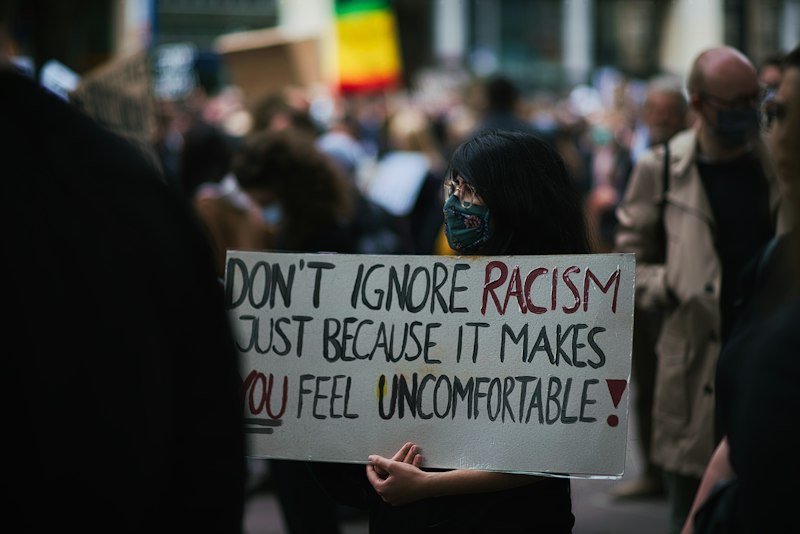
The Persistence of Subtle Racism: An Introduction to Aversive Racism
Racism, defined as prejudice, discrimination, or antagonism directed against someone of a different race based on the belief that one’s own race is superior, remains a persistent and complex issue across global societies. While overt, blatant forms of racial hostility have become less socially acceptable in many Western nations following the Civil Rights era, empirical evidence and psychological theory suggest that racial bias has evolved rather than dissipated entirely. This evolution has led to the emergence of more subtle, often unrecognized forms of prejudice. Among these contemporary manifestations, aversive racism stands out as a critical theoretical construct, offering a framework for understanding how well-intentioned, egalitarian individuals can nonetheless perpetuate racial inequality through unconscious mechanisms. This entry reviews the extensive literature defining and exploring aversive racism, examining its psychological roots, its societal consequences, and the necessary policy interventions required to mitigate its harmful effects.
The study of prejudice shifted dramatically in the latter half of the 20th century. Traditional theories focused predominantly on individuals who openly endorsed hostile stereotypes and discriminatory practices. However, as social norms shifted toward valuing equality and non-discrimination, researchers observed a paradox: explicit prejudice scores declined sharply, yet disparities in hiring, education, and legal outcomes persisted. This discrepancy necessitated a theory that accounted for the behavior of individuals who genuinely believe they are non-prejudiced but simultaneously exhibit discriminatory behavior when situational factors permit. Aversive racism theory, developed primarily by Gaertner and Dovidio, addresses this gap by positing a conflict between consciously held egalitarian values and unconsciously retained negative feelings toward racial outgroups.
Crucially, aversive racism differs significantly from traditional “old-fashioned” racism, which is characterized by open hostility and the explicit endorsement of racial inferiority. Instead, aversive racism is a highly contextualized form of bias, characterized by feelings of discomfort, anxiety, and uneasiness, particularly during close interactions with members of marginalized groups. These feelings are generally suppressed or rationalized by the individual, who views themselves as morally upstanding and fair. Consequently, discriminatory behavior occurs not through malicious intent, but through avoidance, over-correction, or the application of rigid, seemingly objective standards only when ambiguity allows the individual to justify their biased choices on non-racial grounds. Understanding this dynamic is essential for developing effective strategies that target unconscious bias rather than relying solely on appeals to moral conscience.
Defining Aversive Racism: The Conflict Model
Aversive racism is formally defined as a subtle form of discrimination characterized by a conflict between two opposing belief systems held by the individual: conscious endorsement of anti-prejudice principles and simultaneous possession of unconscious, negative feelings toward racial outgroups (Rudman, Ashmore, & Gary, 2001). Individuals categorized as aversive racists sincerely support racial equality, often expressing sympathy for victims of past injustice, yet they harbor residual, often culturally acquired, negative associations, discomfort, or anxiety concerning minority groups. This internal dissonance is the core psychological driver of their behavior. The aversive racist is motivated by the desire to maintain a non-prejudiced self-image while simultaneously managing the negative emotional response triggered by outgroup interaction.
The key characteristic of aversive racism is not overt hostility but avoidance and nonverbal discomfort. When an aversive racist interacts with a racial outgroup member, particularly in unstructured or intimate settings, they experience negative emotional states—such as anxiety, fear of appearing prejudiced, or generalized uneasiness—which they seek to minimize. Their primary goal is to maintain a non-prejudiced self-image while simultaneously avoiding the source of their negative affect. This leads to a pattern of subtle avoidance behaviors, such as minimizing contact, maintaining physical distance, or terminating interactions prematurely. In structured settings, where explicit non-discriminatory rules are enforced, aversive racists generally conform meticulously to egalitarian norms, demonstrating their conscious commitment to fairness.
Furthermore, aversive racism manifests most clearly in situations that are ambiguous or lack clear social norms. When clear, non-racial justifications for negative treatment are readily available, aversive racists are psychologically liberated to act on their underlying implicit bias without threatening their self-perception as non-prejudiced. For example, in a hiring scenario, if a minority candidate has a slightly weaker secondary qualification (even if the primary qualifications are identical to a majority candidate), the aversive racist interviewer can confidently reject the minority candidate, attributing the decision entirely to the small difference in qualifications, thereby masking the influence of their implicit negative affect. This situational dependence makes aversive discrimination particularly difficult to identify and challenge, as the perpetrator genuinely believes their decision was objective and color-blind, confusing observers and victims alike.
Theoretical Foundations: Implicit Bias and Dual Attitudes
The theoretical foundation of aversive racism rests heavily upon the concepts of implicit social cognition and the dual attitude system. Unlike overt forms of prejudice, which are measurable through explicit, self-report measures, aversive racism relies on the existence of implicit biases—unconscious attitudes or stereotypes that affect understanding, actions, and decisions without conscious awareness (Greenwald & Banaji, 1995). These implicit associations are formed through extensive exposure to cultural representations, media portrayals, and societal structures that often link certain racial groups with negative attributes or lower status. These biases are automatic and deeply embedded, making them resistant to simple conscious rebuttal.
The dual attitude model posits that individuals simultaneously possess both explicit and implicit attitudes toward social groups. Explicit attitudes are consciously accessible, controllable, and typically reflect the person’s stated values (e.g., "I believe in equality and fairness"). Implicit attitudes, conversely, are automatic, difficult to control, and often reflect deeply ingrained, non-conscious associations that contradict stated values. For the aversive racist, the explicit attitude is strongly egalitarian, driven by socialization and personal commitment to fairness. However, the implicit attitude contains residual negative affect or stereotypes that conflict with their stated beliefs. The tension between these two systems—the desire to be fair and the automatic negative reaction—is what defines the aversive experience.
This framework explains why attempts to combat aversive racism through simple moral appeals often fail. Since the bias operates outside conscious awareness, the individual is genuinely unaware that their negative feelings are influencing their behavior. When confronted, the aversive racist typically denies any racial motivation vehemently, not out of dishonesty, but because they have successfully rationalized their behavior using non-racial criteria. Therefore, effective intervention must target the automatic cognitive processes, aiming for the "unlearning" of implicit associations rather than relying solely on shifts in conscious, explicit beliefs. Furthermore, the theory emphasizes that situational context is crucial; when the non-prejudiced norm is strong and unambiguous, explicit attitudes dominate behavior; when the norm is weak or ambiguous, implicit attitudes exert greater influence, leading to discriminatory outcomes.
Etiology of Aversive Racism: Societal and Psychological Roots
The origins of aversive racism are complex, stemming from both broad societal structures and individual psychological processes, particularly socialization. Since birth, individuals are immersed in cultural environments saturated with subtle racial messages, even in ostensibly progressive societies. These messages, often transmitted through media, literature, popular culture, and historical narratives, implicitly reinforce racial hierarchies and associate minority groups with negative characteristics, disadvantage, or threat. Even without direct, hostile instruction, this constant exposure builds the implicit associations that form the foundation of aversive discomfort, ensuring that negative cultural stereotypes become internalized as automatic associations.
A critical psychological factor is the concept of cognitive economy. The human brain is designed to categorize information efficiently, and social categories (like race) provide quick, albeit often inaccurate, heuristics for processing complex social environments. This tendency toward categorization naturally facilitates the formation of in-group/out-group distinctions. While this cognitive process is neutral in itself, when combined with cultural input that consistently favors the in-group and attaches negative attributes to out-groups, the resulting implicit bias is powerful. The aversive racist, having internalized the societal value of equality, consciously rejects the resulting negative stereotypes but cannot fully eliminate the automatically activated cognitive associations, leading to the internal state of conflict.
Finally, the development of aversive racism is intimately linked to social desirability pressures. In modern society, being perceived as racist carries significant social costs, including moral opprobrium and professional consequences. The aversive racist is highly motivated to avoid this label, leading to vigilant self-monitoring. However, this vigilance is primarily focused on external behavior and explicit thoughts. The internal conflict arises because their sincere desire to appear non-prejudiced forces the negative feelings and anxieties they experience deeper into the unconscious, making them harder to confront and manage directly. This need for self-protection ensures the perpetuation of the bias in subtle, deniable ways, fulfilling the individual’s desire to maintain a positive self-concept while still allowing the underlying bias to affect behavior through nonverbal leakage and ambiguous decision-making.
Behavioral Manifestations and Interactional Dynamics
The behavioral expressions of aversive racism are subtle, often nonverbal, and typically designed to minimize prolonged contact or responsibility toward the outgroup member. Research has identified several key ways aversive bias influences behavior, particularly in unstructured or high-stress social interactions. These behaviors are rarely hostile; they are characterized by distance and withdrawal, often manifesting as microaggressions—brief and commonplace daily verbal, behavioral, or environmental indignities, whether intentional or unintentional, that communicate hostile, derogatory, or negative racial slights and insults.
One of the most common manifestations is social avoidance. Aversive racists tend to avoid situations where they might interact closely or intimately with racial outgroup members. If interaction is unavoidable, they often exhibit nonverbal cues of discomfort, such as reduced eye contact, greater physical distance, restricted body posture, or shorter interaction times compared to interactions with ingroup members. This avoidance is a direct attempt to reduce the internal anxiety generated by the conflict between their egalitarian beliefs and their implicit negative affect. This behavior, while seemingly benign on an individual level, contributes collectively to social segregation, limits opportunities for genuine cross-group understanding, and reinforces the psychological separation between groups.
In interactions where the aversive racist is put in a position of power or responsibility (such as mentoring or helping), their behavior can become polarized. If the situation clearly mandates non-discriminatory action (e.g., publicly helping a person in distress), the aversive racist may actually over-correct, demonstrating overly enthusiastic helpfulness or generosity to prove to themselves and others that they are not prejudiced. Conversely, if the need for help is ambiguous or if the situation allows for diffusion of responsibility, the aversive racist is far less likely to offer assistance to an outgroup member compared to an ingroup member. This inconsistent pattern of behavior—sometimes overly positive, sometimes avoidant—is a hallmark of the theory and demonstrates how situational cues dictate whether explicit or implicit attitudes govern the response.
Furthermore, aversive racism heavily influences evaluation and feedback processes. When evaluating the performance of a minority candidate or employee, aversive racists tend to use different criteria or standards depending on the quality of the candidate’s work. If the work is clearly excellent or clearly poor, their evaluation will likely be objective, conforming to egalitarian norms. However, if the work is mediocre or mixed—the area of ambiguity—they are likely to provide less favorable evaluations, focus disproportionately on minor flaws, or offer vague, unhelpful negative feedback that prevents the recipient from improving. This subtle degradation of evaluation standards in ambiguous zones systematically disadvantages minority individuals in competitive environments like academic admissions or employment promotions, creating cumulative disadvantage over time.
Impact on Societal Structures: Systemic Exclusion
While aversive racism is rooted in individual psychology, its cumulative effect across populations contributes significantly to systemic racism, leading to the exclusion of certain groups from vital educational, economic, and health opportunities (Feagin, 2014). Since aversive discrimination relies on ambiguity and rationalization, it often operates undetected within institutional structures that claim to be meritocratic and color-blind. The widespread presence of aversive racists in positions of gatekeeping authority—such as HR managers, university admissions officers, or loan officers—ensures that subtle, rationalized bias is constantly reproduced within formalized systems.
In the realm of employment, aversive racism often dictates who receives callbacks for interviews and who advances in the promotion pipeline. Studies using audit methodologies, where equally qualified applicants from different racial groups apply for the same positions, consistently show that minority candidates receive fewer positive responses, especially when the employer has the flexibility to rely on subjective criteria, such as "cultural fit" or "leadership potential." When managers engage in aversive decision-making, they are not consciously denying opportunities based on race; rather, they are using minor, non-racial weaknesses (which they might overlook for an ingroup member) as the decisive factor, thereby systematically reducing access for outgroup members. This constant, low-level leakage of opportunity results in persistent racial disparities in labor market outcomes and wealth accumulation.
Beyond employment, aversive racism affects access to crucial resources such as healthcare and justice. In healthcare settings, research suggests that providers, even those committed to equitable care, may exhibit aversive behaviors, such as spending less time with minority patients, communicating less effectively about preventative care, or implicitly discounting patient reports of pain or symptoms due to unconscious stereotypic associations. These subtle differences in interaction quality and attentiveness can lead to misdiagnoses, suboptimal treatment plans, and ultimately, poorer health outcomes for minority populations, contributing to pervasive health equity gaps. Similarly, within the legal system, aversive tendencies may contribute to decisions regarding bail, sentencing recommendations, or juror deliberation, particularly when evidence is circumstantial and allows for subjective interpretation of character or credibility.
Strategies for Intervention and Policy Implementation
Addressing aversive racism requires a shift from focusing on overt bigotry to targeting implicit cognitive processes and modifying institutional structures. Since aversive racists genuinely lack awareness of their bias, interventions must be designed to make the unconscious conscious and to reduce the ambiguity that permits discriminatory actions. Interventions must operate on both the individual level (cognitive training) and the institutional level (structural changes).
The first critical step in intervention involves raising awareness of implicit bias. Training programs, such as those utilizing the Implicit Association Test (IAT), can demonstrate to individuals the discrepancy between their explicit values and their automatic associations. However, awareness alone is often insufficient for behavioral change. Effective training must move beyond mere knowledge transfer to incorporate strategies for monitoring and controlling biased responses. This includes teaching techniques like motivated control—where individuals are trained to pause, reflect, and consider alternative non-biased explanations before making evaluative decisions—and stereotype replacement, where individuals actively practice replacing stereotypical associations with counter-stereotypical information, thereby reshaping their implicit network over time.
From a policy and organizational perspective, the most effective strategy is to reduce ambiguity and increase structure in decision-making processes. Because aversive discrimination thrives where subjective judgment reigns, institutions must implement standardized, objective criteria for hiring, performance review, and resource allocation. This involves a rigorous commitment to transparency and measurable equity goals. Key policy implementations include:
- Standardizing interview questions and evaluation rubrics, ensuring all candidates are judged on identical metrics.
- Mandating that high-stakes decisions be reviewed by diverse panels to dilute the influence of any single evaluator’s implicit bias.
- Requiring decision-makers to justify choices using only pre-established, job-relevant, and objective criteria, documenting the specific evidence for each rating.
- Implementing blind evaluation processes, such as removing identifying information (e.g., names, race, gender) from résumés, applications, or performance reviews where feasible.
By minimizing reliance on gut feelings or subjective impressions, organizational policies can effectively constrain the influence of implicit bias, compelling the aversive racist to follow their explicit, egalitarian values regardless of their underlying discomfort. Furthermore, organizations must commit to establishing clear accountability mechanisms, ensuring that equity goals are transparent and that outcome disparities are regularly audited and proactively addressed to prevent the cumulative effects of subtle bias.
Conclusion
Aversive racism represents a profound challenge to achieving true racial equity in modern society. It is a subtle, often unconscious form of discrimination wherein individuals who sincerely endorse egalitarian principles harbor residual negative affect toward racial outgroups, leading to discriminatory behavior primarily in ambiguous situations. This pervasive psychological conflict results in systematic avoidance, nonverbal discomfort, and the unequal application of standards, contributing significantly to enduring disparities in key societal domains. The continued prevalence of aversive racism highlights that dismantling prejudice requires more than moral appeals; it demands a deep understanding of cognitive mechanisms and the implementation of structural safeguards. By recognizing the critical role of implicit bias and the power of situational ambiguity, individuals and institutions can move beyond superficial commitments to diversity and implement structural and cognitive interventions designed to eliminate the subtle, yet powerful, exclusionary effects of aversive racism. Addressing this hidden form of prejudice is essential for transforming stated societal values of equality into lived reality for all populations.
References
Feagin, J. R. (2014). Systemic racism: A theory of oppression. New York, NY: Routledge.
Greenwald, A. G., & Banaji, M. R. (1995). Implicit social cognition: Attitudes, self-esteem, and stereotypes. Psychological Review, 102(1), 4-27. doi:10.1037/0033-295X.102.1.4
Rudman, L. A., Ashmore, R. D., & Gary, M. L. (2001). “Unlearning” automatic biases: The malleability of implicit prejudice and stereotypes. Journal of Personality and Social Psychology, 81(5), 856-868. doi:10.1037/0022-3514.81.5.856