Elderly Care Law: Protecting Dignity and Human Well-being
Scientifically Reviewed · Dr. Marwa Abd-Alazim · October 5, 2026
Review Criteria & Clinical Standards
This content undergoes rigorous scientific peer-review and medical editorial standards at Arab Psychology Network to ensure clinical accuracy, validity, and compliance with evidence-based guidelines from leading psychological and healthcare authorities (APA / WHO).
The Elderly and Handicapped Care Act (EAHCA): A Core Definition
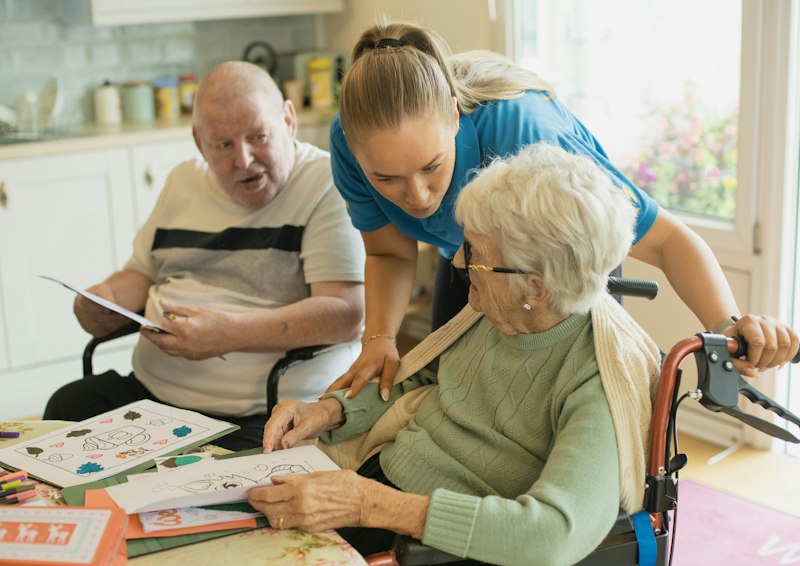
The Elderly and Handicapped Care Act (EAHCA), a landmark federal law enacted in 1977, serves as a cornerstone for supporting vulnerable populations in the United States. Its fundamental purpose is to provide essential financial assistance to states, enabling them to establish and expand comprehensive home and community-based services (HCBS) for eligible elderly and disabled individuals. This legislative initiative was born out of a growing recognition that many individuals requiring long-term care could thrive outside of traditional institutional settings, such as nursing homes, given appropriate support. The Act aims to facilitate greater independence, enhance the quality of life, and preserve the dignity of beneficiaries by offering care alternatives that align with their personal preferences and needs within their familiar environments.
At its core, EAHCA represents a significant paradigm shift in long-term care policy, moving away from a default reliance on institutionalization towards a model that prioritizes community integration and individual choice. The law’s key idea revolves around the principle that maintaining individuals within their homes and communities fosters better physical and mental well-being, reducing the psychological distress and social isolation often associated with prolonged stays in facilities. By empowering states with federal funding, EAHCA enables the provision of a wide spectrum of services, including personal care, homemaker services, adult day health care, respite care, and case management, all designed to support daily living activities and medical needs while maximizing personal autonomy. This emphasis on person-centered care is crucial for promoting psychological resilience and a sense of control over one’s life circumstances.
The underlying mechanism of EAHCA’s effectiveness lies in its capacity to incentivize states to develop and sustain robust HCBS programs that might otherwise be underfunded. Before its enactment, states often faced greater financial incentives to place individuals in institutions due to federal Medicaid matching rules, inadvertently limiting community-based options. EAHCA sought to rectify this imbalance, ensuring that federal support was available for a broader array of less restrictive, more personalized care settings. The Act’s provisions are critical for individuals who cannot afford or access private long-term care insurance or out-of-pocket services, thereby serving as a vital safety net. This financial framework underscores a commitment to equitable access to care, recognizing the profound impact that such access has on an individual’s psychological and social functioning, as well as their ability to maintain meaningful community ties.
Historical Genesis and Legislative Evolution
The genesis of the Elderly and Handicapped Care Act in 1977 emerged from a growing national discourse surrounding the rights of the elderly and disabled, coupled with concerns about the escalating costs and often impersonal nature of institutionalized care. Prior to the mid-20th century, care for these populations largely defaulted to hospitals, nursing homes, or informal family support. However, by the 1970s, advocacy groups for both seniors and individuals with disabilities began to powerfully articulate the need for policies that championed independence, integration, and community living. They highlighted the psychological toll of institutionalization, including feelings of loss of control, isolation, and diminished self-worth, arguing for a more humane and cost-effective approach to long-term care. EAHCA was a direct response to these burgeoning social movements and the evolving understanding of human rights within the context of health and social services.
The legislative landscape of the 1970s was ripe for such reforms, influenced by earlier civil rights movements and a burgeoning awareness of disability rights. Policymakers and researchers began to recognize that many individuals were being unnecessarily institutionalized simply due to a lack of viable community alternatives. This realization spurred calls for federal intervention to rebalance the long-term care system. EAHCA, therefore, was not an isolated piece of legislation but rather a critical component within a broader movement towards deinstitutionalization and the promotion of independent living. Its enactment marked a significant departure from previous policies that implicitly favored institutional settings, laying the groundwork for a more inclusive and person-centered approach to care that acknowledged the psychological and social determinants of health and well-being.
A crucial amendment to the EAHCA in 1981 further expanded its scope and impact, demonstrating an adaptive legislative response to emerging needs. This amendment was particularly significant as it allowed states greater flexibility in utilizing federal funds. Specifically, it enabled states to not only broaden the range of HCBS offered but also to facilitate the purchase or lease of durable medical equipment (DME). This provision was pivotal, as access to essential equipment such as wheelchairs, oxygen concentrators, and hospital beds in the home environment directly supports individuals’ ability to manage their health conditions and daily living activities outside of an institution. The 1981 amendment underscored the Act’s commitment to holistic support, recognizing that practical tools and resources are just as vital as direct personal care in fostering independence and maintaining a high quality of life for elderly and disabled populations.
Fundamental Mechanisms and Key Provisions of EAHCA
The operational framework of the EAHCA is rooted in its role as a federal grant program, distributing funds to states to offset the costs associated with providing home and community-based services. This financial support is instrumental in alleviating the burden on state budgets, allowing for the expansion and diversification of services that would otherwise be cost-prohibitive. The Act’s design inherently encourages states to innovate and develop tailored programs that address the unique needs of their respective elderly and disabled populations. This flexibility is a critical component, acknowledging that a one-size-fits-all approach is insufficient for the complex and varied requirements of individuals with diverse conditions, cultural backgrounds, and geographical locations. The ultimate aim is to create a responsive ecosystem of care that supports individuals in their preferred living situations, thereby fostering psychological comfort and continuity of life.
One of the primary mechanisms through which EAHCA achieves its objectives is by offering an alternative to the often more expensive and psychologically restrictive institutionalized care. By providing financial incentives for HCBS, the Act helps states reduce their reliance on nursing homes and other facilities, which can often lead to feelings of disempowerment and a decline in autonomy among residents. The array of services covered under EAHCA is broad, encompassing non-medical personal care, assistance with activities of daily living (ADLs) such like bathing and dressing, instrumental activities of daily living (IADLs) such as meal preparation and medication management, and specialized therapies. These provisions are crucial for maintaining the daily routines and personal dignity of beneficiaries, directly impacting their psychological well-being and sense of self-efficacy.
Beyond direct personal services, the EAHCA’s provision for states to acquire or lease durable medical equipment (DME) represents another fundamental component of its efficacy. This includes items like mobility aids, respiratory equipment, and assistive technology that empower individuals to manage their health conditions and participate more fully in their daily lives. Access to appropriate DME is not merely a physical convenience; it profoundly impacts an individual’s sense of independence and ability to safely navigate their home and community. From a psychological perspective, having the necessary tools to maintain functional abilities can significantly reduce feelings of helplessness and dependence, fostering a greater sense of control and self-worth. This practical support mechanism is vital for enabling individuals to “age in place” or live independently with disabilities, a goal that has significant positive psychological ramifications.
Psychological Implications of Home and Community-Based Care
The shift facilitated by EAHCA towards home and community-based services carries profound psychological implications for elderly and disabled individuals. Remaining in one’s familiar environment, surrounded by personal belongings and memories, contributes significantly to a sense of stability, identity, and comfort. This contrasts sharply with the potential for disorientation, loss of privacy, and feelings of depersonalization that can accompany a move to institutionalized care. The ability to maintain established routines, social connections, and a sense of ownership over one’s daily life is critical for psychological well-being, reducing the risk of depression, anxiety, and cognitive decline often observed in less personalized care settings. EAHCA’s support for HCBS directly addresses these psychological needs by prioritizing continuity and familiarity.
Furthermore, the increased autonomy and self-determination afforded by HCBS are central to fostering positive psychological outcomes. When individuals have a say in their care plan, can choose their care providers, and can dictate the rhythm of their daily lives, it reinforces their sense of agency and control. This empowerment is particularly vital for those who have experienced a loss of physical or cognitive function, as it helps to counteract feelings of helplessness and dependence. The psychological benefit of making personal choices, even small ones, cannot be overstated; it contributes to a stronger sense of self-efficacy and preserves dignity, which are fundamental to a healthy self-concept. EAHCA’s framework, by supporting these choices, directly enhances the mental and emotional resilience of its beneficiaries.
The impact of social support networks is another critical psychological dimension strengthened by EAHCA. By enabling individuals to remain in their homes, the Act ensures continued access to family, friends, and community groups that might otherwise be severed or severely constrained by institutionalization. These networks provide emotional comfort, practical assistance, and a sense of belonging, all of which are powerful buffers against loneliness and social isolation, known risk factors for adverse psychological health outcomes. The preservation of these natural support systems is invaluable, contributing to a holistic sense of quality of life and reinforcing the individual’s role within their broader social fabric. The EAHCA thus indirectly supports the psychological benefits derived from robust social connections, which are integral to human flourishing.
A Practical Scenario: EAHCA’s Impact on Individual Autonomy
Consider the practical scenario of Mrs. Eleanor Vance, an 82-year-old widow living independently who recently experienced a debilitating stroke. While the stroke left her with partial paralysis and significant mobility challenges, impairing her ability to perform daily tasks like bathing, dressing, and preparing meals, her cognitive faculties remained largely intact. Before the EAHCA, Mrs. Vance’s options might have been limited primarily to moving into a nursing home, a prospect she found deeply distressing, fearing the loss of her cherished home and independence. This fear is a common psychological response to the threat of institutionalization, often leading to increased anxiety and despair. The EAHCA, however, fundamentally alters this scenario by providing a viable alternative that prioritizes her preferences and well-being.
Through the state’s home and community-based services program, funded in part by EAHCA, Mrs. Vance is able to receive comprehensive support directly in her home. This includes a personal care assistant who visits daily to help with hygiene and dressing, a home health aide for medication management and light housekeeping, and a meal delivery service. Furthermore, the EAHCA’s provisions for durable medical equipment enable her to receive a hospital bed, a shower chair, and a walker, all tailored to her specific needs, making her home safe and accessible. These interventions are crucial not only for her physical recovery but also for her psychological rehabilitation, allowing her to retain a sense of normalcy and control over her environment.
The “how-to” of EAHCA’s application in Mrs. Vance’s case demonstrates its powerful impact on her autonomy. Instead of being placed in an unfamiliar institutional setting, she continues to live in her own home, surrounded by her memories and personal belongings. She maintains her relationships with neighbors and friends, who can visit freely and easily. Her care plan is developed collaboratively, giving her a voice in the type and timing of services she receives. This level of personalized care and self-direction directly counteracts the psychological distress associated with loss of control, fostering a greater sense of dignity and self-worth. By enabling her to remain an active participant in her own life, EAHCA significantly contributes to her overall quality of life and psychological well-being during a challenging period of recovery and adaptation.
Significance and Broader Societal Impact
The Elderly and Handicapped Care Act holds immense significance for the field of psychology, particularly within health psychology, geropsychology, and rehabilitation psychology. Its emphasis on enabling individuals to remain in their homes and communities directly supports principles of psychological well-being, such as maintaining independence, promoting social engagement, and preserving personal identity. The Act has fundamentally reshaped our understanding of long-term care, moving it from a purely medical or custodial model to one that integrates psychosocial considerations as central to care delivery. By mitigating the psychological stressors associated with institutionalized care, EAHCA has contributed to better mental health outcomes, reduced rates of depression and anxiety, and enhanced cognitive functioning among its beneficiaries. Its impact extends beyond individual care, influencing broader public health policy and the ethical considerations surrounding care for vulnerable populations.
The applications of EAHCA’s principles resonate widely across various sectors. In therapy, the availability of home and community-based services allows therapists to work with individuals in their natural environments, fostering more relevant and effective interventions for rehabilitation and mental health support. For instance, occupational therapists can more accurately assess and adapt home environments, while psychologists can address issues like grief, adjustment, or social isolation within a context that supports the individual’s existing life. In education, the Act provides a framework for understanding the importance of supportive environments for learning and development across the lifespan, particularly for individuals with disabilities. Furthermore, in broader social behavior, EAHCA champions inclusivity and challenges societal norms that might historically have marginalized elderly and disabled persons, promoting a more equitable and supportive community fabric.
Beyond its direct impact on care, EAHCA has also played a crucial role in reducing the overall cost of long-term care for states and the federal government. By providing cost-effective alternatives to institutionalization, which is typically far more expensive, the Act has demonstrated the economic viability of person-centered, community-based approaches. This economic benefit, coupled with the profound improvements in individual quality of life and psychological well-being, underscores its enduring significance. The law has helped to shift public perception and policy towards recognizing the inherent value in supporting individuals to live with dignity and independence, regardless of age or disability. It has become a foundational piece of legislation that continues to inform debates and reforms in long-term care, advocating for models that prioritize humanistic values and psychological health.
Critiques and Challenges of the EAHCA Framework
Despite its significant achievements and positive impacts, the Elderly and Handicapped Care Act has not been without its criticisms and challenges. One of the primary concerns frequently raised pertains to the sufficiency of funding provided to states. Critics argue that while the Act offers financial assistance, the allocation may not always be adequate to meet the burgeoning demand for home and community-based services. This perceived funding gap can lead to long waiting lists for services, disparities in service availability across different states, and an inability to fully support all eligible individuals. Such limitations can inadvertently perpetuate a reliance on institutionalized care for some, despite the Act’s intentions, thereby hindering the full realization of its psychological and social benefits for all who could benefit.
Another significant area of critique centers on the oversight mechanisms for HCBS programs. Concerns have been voiced regarding whether the Act provides adequate federal oversight to ensure the quality, safety, and effectiveness of services delivered at the state and local levels. The decentralized nature of HCBS, while promoting flexibility, can also create challenges in monitoring standards of care, preventing abuse or neglect, and ensuring accountability among providers. Inadequate oversight can lead to inconsistent service quality, potential exploitation of vulnerable individuals, and a lack of recourse for beneficiaries who experience substandard care. From a psychological perspective, these shortcomings can erode trust in the care system and undermine the sense of security and well-being that HCBS aims to provide, potentially exacerbating anxiety and vulnerability among recipients.
Moreover, some critics highlight the complexities involved in navigating the EAHCA framework and accessing its benefits. The bureaucratic processes, eligibility criteria, and varying state-specific regulations can pose significant barriers for individuals and their families, particularly those with limited resources or understanding of the system. This complexity can lead to frustration, delays in receiving necessary care, and inequities in access based on individuals’ ability to advocate for themselves. While the Act aims to promote autonomy and quality of life, the administrative hurdles can ironically detract from these goals, creating additional psychological stress for those already facing significant life challenges. Addressing these criticisms requires ongoing legislative review and a commitment to continuous improvement in both funding and oversight structures.
Interconnections with Psychological Concepts and Subfields
The Elderly and Handicapped Care Act intricately connects with numerous psychological concepts and subfields, serving as a critical example of how policy can profoundly impact individual and collective mental health. It directly addresses principles within health psychology by promoting behaviors and environments that foster optimal physical and psychological functioning among aging and disabled populations. The Act’s focus on maintaining independence and social integration aligns with theories of successful aging and positive adaptation to chronic illness or disability. By reducing reliance on institutionalized care, EAHCA helps to mitigate known psychosocial risk factors such as loneliness, loss of identity, and diminished self-efficacy, which are central concerns in health psychology research and practice.
Within geropsychology, EAHCA supports the concept of “aging in place,” a highly valued outcome for many older adults. This concept emphasizes the psychological benefits of remaining in one’s familiar home and community as one ages, preserving social networks, routines, and a sense of belonging. The Act provides the practical and financial infrastructure necessary to make aging in place a reality for more individuals, thereby supporting their cognitive and emotional well-being. Similarly, in rehabilitation psychology, EAHCA’s provisions for home and community-based services and durable medical equipment are vital. These resources empower individuals recovering from illness or injury, or living with chronic disabilities, to maximize their functional independence and reintegrate into their communities, directly fostering psychological adjustment and adaptive coping strategies.
Moreover, the Act’s emphasis on individual choice and autonomy resonates deeply with the principles of person-centered care, a widely recognized best practice in contemporary psychology and healthcare. This approach acknowledges the individual as the expert in their own life and promotes shared decision-making, which has been shown to enhance patient satisfaction, engagement, and overall psychological outcomes. EAHCA’s framework also intersects with social psychology by addressing issues of social inclusion, stigma reduction, and the importance of social support for psychological health. The broader category this concept belongs to can be described as public policy psychology, health policy, or the psychology of aging and disability, underscoring how legislative action can directly impact the psychological landscape of a nation’s most vulnerable citizens.
The Future Landscape of Long-Term Care and EAHCA’s Legacy
The legacy of the Elderly and Handicapped Care Act continues to shape the future landscape of long-term care in the United States, providing a foundational blueprint for policies that prioritize independence and community integration. As demographics shift towards an increasingly aging population and advancements in medicine extend lifespans, the demand for sustainable and psychologically supportive long-term care solutions will only intensify. EAHCA’s principles of federal-state partnership and commitment to home and community-based services remain highly relevant, informing ongoing debates about healthcare reform, Medicaid expansion, and the development of innovative care models. Its influence can be seen in subsequent legislation and programs that seek to further enhance access to person-centered care and reduce reliance on institutionalized care.
Looking ahead, the challenges highlighted by criticisms of EAHCA—namely funding adequacy and oversight—will require continuous attention and adaptation. Future policy developments will likely focus on strengthening these areas to ensure that the Act’s promise of dignity and autonomy is fully realized for all eligible individuals. This includes exploring new funding mechanisms, enhancing data collection and quality metrics for HCBS, and fostering greater collaboration between federal, state, and local agencies. The psychological imperative to support individuals in their preferred living environments will remain a driving force, pushing for solutions that are not only economically viable but also deeply attuned to the human experience of aging and disability.
Ultimately, the EAHCA represents more than just a piece of legislation; it embodies a societal commitment to valuing the independence, quality of life, and psychological well-being of its elderly and disabled citizens. Its enduring legacy lies in its transformative impact on long-term care, establishing a precedent for policies that empower individuals to live full and meaningful lives within their communities. As psychology continues to deepen its understanding of human development, health, and social behavior, the principles championed by EAHCA will undoubtedly remain central to advocating for compassionate, effective, and psychologically informed care systems for future generations.