Gerontological Housing: Empowering Independence in Aging
Scientifically Reviewed · Dr. Marwa Abd-Alazim · September 7, 2026
Review Criteria & Clinical Standards
This content undergoes rigorous scientific peer-review and medical editorial standards at Arab Psychology Network to ensure clinical accuracy, validity, and compliance with evidence-based guidelines from leading psychological and healthcare authorities (APA / WHO).
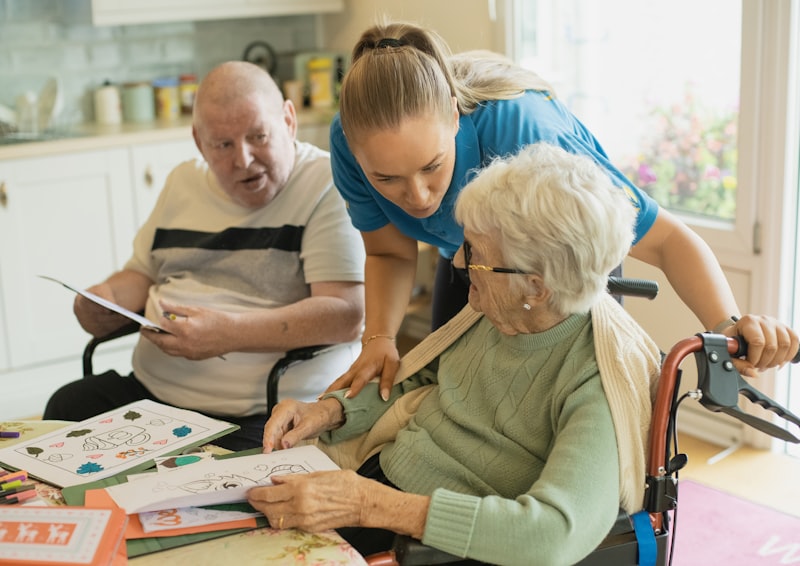
Introduction to Elderly Housing
Elderly housing refers to specialized residential accommodations meticulously designed and adapted to meet the evolving physical, cognitive, and social needs of older adults. The fundamental objective of such housing is to provide environments that not only ensure safety and well-being but also actively promote autonomy and maintain quality of life as individuals age. These environments move beyond conventional residential structures by integrating architectural and technological features that directly address age-related limitations, such as reduced mobility, decreased visual acuity, and potential cognitive decline. A core philosophical underpinning of elderly housing design is the concept of normalization, ensuring that the living space feels like a home first, while seamlessly incorporating necessary supportive features. This category encompasses a wide spectrum of options, ranging from independent living communities with minimal support services to highly supervised skilled nursing facilities, all unified by the commitment to specialized, age-appropriate design.
The imperative for specialized accommodation arises from the physiological realities of aging. Changes in physical ability, often manifesting as balance issues, decreased muscle strength, and chronic health conditions, necessitate modifications to the built environment to mitigate the risk of injury, particularly falls, which represent a major threat to independent living. Consequently, features such as zero-threshold entries, reinforced grab bars, and non-slip flooring become standard requirements rather than optional enhancements. Furthermore, effective elderly housing design anticipates potential shifts in cognitive status, employing clear wayfinding signage, consistent color palettes, and lighting systems optimized to reduce shadows and glare, thereby minimizing confusion and enhancing spatial orientation for residents experiencing mild to moderate cognitive impairment. The success of elderly housing is measured not merely by the services provided but by the extent to which the physical structure supports the resident’s capacity for self-management and continued engagement with their environment.
In essence, accommodations suitable for older adults are systematically engineered to take explicit account of changes in both physical and cognitive abilities. This proactive approach distinguishes elderly housing from standard residential construction. The planning process involves collaboration among gerontologists, architects, occupational therapists, and urban planners to create holistic living solutions. These solutions aim to enhance independence and actively prevent adverse health events, particularly through the implementation of universally accessible design principles. Understanding the diverse needs within the aging population—from the active senior seeking social engagement to the frail elder requiring constant medical oversight—is crucial for the effective planning and categorization of elderly housing options available across the continuum of care.
The Growing Need for Specialized Housing
The global demographic shift characterized by increasing life expectancy and declining birth rates has created an unprecedented demand for specialized housing solutions tailored for the elderly population. This phenomenon, often termed the "graying of the population," necessitates a fundamental reevaluation of existing housing stock and community infrastructure. As the cohort of individuals aged 65 and older expands rapidly, standard residential environments often prove inadequate, creating barriers to mobility and increasing the risk of isolation or dependency. Specialized elderly housing serves as a critical societal response to this demographic challenge, ensuring that communities can sustainably support a large and growing population segment requiring specific, safety-focused amenities and supportive services integrated directly into their living spaces. The emphasis is placed on longevity planning, ensuring residents can age in place for as long as possible even as their needs escalate.
The aging process inherently involves physiological changes that complicate interaction with conventional homes. For instance, reduced manual dexterity makes standard door knobs difficult to operate, while reduced endurance makes navigating stairs a hazard. Specialized housing counters these challenges directly. Features are implemented to reduce physical exertion required for daily tasks, such as installing reachable storage and appliances, optimizing kitchen and bathroom layouts for wheelchair maneuverability, and ensuring all common areas are easily navigable. The transition to specialized housing is often catalyzed by a critical health event, such as a fracture or diagnosis of a progressive illness, highlighting the necessity of environments where immediate support and preventative design features are paramount. Furthermore, specialized communities often address the critical need for social engagement, combating the pervasive issue of loneliness which poses significant mental and physical health risks to older adults.
Statistics consistently demonstrate that homes built before contemporary accessibility standards were commonplace present significant obstacles to independent living for seniors. These older structures frequently lack appropriate lighting, feature high-pile carpets that inhibit walker use, and possess bathrooms that are high-risk zones for falls due to slippery surfaces and lack of appropriate support structures. The transition to purpose-built elderly housing is therefore often a preventative measure, ensuring that the residential environment itself acts as a protective factor against injury and promotes continued physical activity. By creating safe, supportive, and community-oriented environments, specialized housing plays an indispensable role in maintaining the health and dignity of older adults in the face of widespread demographic transformation.
Core Design Principles: Universal Accessibility
The foundation of effective elderly housing architecture rests heavily on the principles of Universal Design, a framework advocating for the design of environments and products usable by all people, to the greatest extent possible, without the need for adaptation or specialized design. In the context of housing for older adults, this means creating spaces that are inherently flexible and forgiving, accommodating users across a broad range of physical and sensory abilities. Key architectural considerations include minimizing the need for bending, reaching, or grasping, ensuring that controls and interfaces are tactile and easily operable, and providing high-contrast visual cues to aid residents with diminishing sight. For example, rather than installing temporary ramps, Universal Design mandates level entryways and wide corridors from the initial construction phase, anticipating future needs rather than reacting to them.
Accessibility features are meticulously integrated into every aspect of the dwelling unit and the community infrastructure. These features are designed to enhance independence and prevent falls, which is a primary goal. Common mandated features include zero-threshold showers, adjustable-height countertops, lever-style door handles, and placement of electrical outlets at a comfortable height that eliminates the need for excessive bending. Furthermore, lighting design is crucial; specialized housing utilizes layered lighting, minimizing glare and shadows while ensuring adequate illumination for reading and detailed tasks, directly addressing the common age-related decrease in light sensitivity and the increased need for brighter light to see clearly. The thoughtful application of these principles ensures the residential environment remains functional even as the resident’s physical capabilities inevitably fluctuate over time.
A critical, yet often overlooked, aspect of design is the incorporation of safe and intuitive wayfinding. For residents, particularly those with early-stage dementia or cognitive impairment, the ability to easily orient themselves within the building and grounds is paramount to reducing anxiety and preventing wandering. This involves the use of highly distinct landmarks, consistent color coding for different wings or floors, and clear, pictorial signage. Furthermore, the selection of interior finishes prioritizes practicality and safety; non-slip materials must be used in wet areas, and carpeting, if used, must be low-pile and firmly secured to prevent tripping hazards. The commitment to Universal Design ensures that the housing structure itself becomes a supportive tool, rather than a physical impediment, maximizing the resident’s autonomy within a highly controlled and safe environment.
The Continuum of Elderly Housing Options
Elderly housing is not monolithic but exists along a continuum, offering varying levels of care and independence to match the diverse needs of the aging population. Understanding this spectrum is vital for appropriate placement and financial planning. At the highest level of independence are Active Adult Communities, which typically offer age-restricted, maintenance-free homes designed for socially engaged seniors who require no daily assistance but desire community amenities. Moving slightly along the spectrum are Independent Living Facilities, which may offer optional meal services, transportation, and social programming, but residents remain fully capable of managing their medical and daily personal needs independently. These options prioritize lifestyle and community integration, ensuring residents remain active and connected.
Mid-spectrum options include Assisted Living Facilities (ALFs), which represent a significant shift toward supportive care. ALFs are designed for individuals who require assistance with Activities of Daily Living (ADLs), such as bathing, dressing, medication management, and mobility. While residents maintain their own apartments, staff is available 24 hours a day to provide scheduled and unscheduled support. The design of ALFs typically includes common dining areas, recreational spaces, and medical consultation rooms, facilitating the delivery of coordinated care. The environment remains intentionally homelike, promoting dignity while ensuring immediate access to necessary physical support. The features of elderly housing in this context are highly focused on personal safety and the coordination of care, including emergency call systems integrated into every living unit and bathroom.
At the most intensive end of the continuum are Skilled Nursing Facilities (SNFs) and specialized Memory Care Units. SNFs provide comprehensive, 24-hour medical care delivered by licensed nurses and therapists, catering to individuals with complex medical needs, chronic illnesses, or those requiring intensive rehabilitation following hospitalization. Memory Care Units, often co-located within SNFs or ALFs, are specifically designed to meet the behavioral and safety needs of residents with advanced dementia. These units feature specialized security protocols, such as locked perimeter doors and enclosed outdoor spaces, combined with environmental cues and therapeutic programming designed to reduce agitation and confusion. The specific architectural features of these high-level care settings prioritize safety above all, employing anti-wandering technology and highly durable, easy-to-clean surfaces.
Psychological Impact on Resident Well-being
The design of elderly housing profoundly influences the psychological well-being of its residents, extending far beyond simple physical safety. Key psychological elements affected by the built environment include feelings of autonomy, control, and personal identity. When seniors are forced to move into environments that feel institutional, they often experience a loss of control over their daily routines and personal space, which can precipitate depression and accelerated cognitive decline. Expertly designed elderly housing counteracts this by providing residents with maximum opportunities for personalization and choice, such as allowing residents to decorate their private spaces, select their meal times, and determine their level of participation in community activities. Maintaining personal control over the immediate environment is crucial for preserving self-efficacy in later life.
Furthermore, the physical layout must actively foster social integration and combat isolation. Loneliness is a significant predictor of poor health outcomes in the elderly. Therefore, specialized housing communities incorporate intentional gathering spaces—including communal kitchens, comfortable lounges, and accessible outdoor patios—that encourage spontaneous social interaction among residents. The spatial organization of the community is designed to maximize visibility and proximity to these shared areas, drawing residents out of their private rooms and into the communal life of the facility. The successful integration of social spaces minimizes feelings of alienation and provides essential opportunities for peer support and meaningful engagement, which are critical protective factors against mental health deterioration.
The psychological impact of housing extends to environmental aesthetics. While prioritizing safety, the design must also be aesthetically pleasing and reminiscent of a comfortable, traditional home rather than a sterile medical facility. The use of warm color palettes, natural lighting, high-quality finishes, and familiar furnishings helps to create a therapeutic environment that reduces stress and promotes emotional comfort. For residents with cognitive impairments, the use of familiar objects, personal mementos, and clear, consistent sensory input helps anchor them to their reality and reduces anxiety associated with disorientation. Therefore, the best elderly housing designs successfully balance the clinical necessity of safety features with the psychological requirement for a dignified, personalized, and stimulating living environment.
Integration of Smart Home Technology
Modern elderly housing increasingly integrates sophisticated smart home technology to enhance safety, efficiency, and resident monitoring without compromising privacy or independence. These technological solutions range from passive monitoring systems to highly interactive assistive devices. Passive monitoring involves sensors placed throughout the residence that track movement patterns, sleep quality, and appliance usage. If a significant deviation from the resident’s baseline routine is detected—such as prolonged inactivity or failure to return to bed—the system can automatically alert caregivers or emergency services. This non-invasive surveillance system provides an essential layer of security, allowing residents to maintain independent living status longer while minimizing the risk associated with unobserved emergencies like falls or sudden illness.
Assistive technologies are also becoming standard features, significantly improving ease of use and accessibility. Examples include voice-activated lighting and climate control systems, automated blinds, and smart locks that can be managed remotely by family or staff. These integrations empower residents with limited physical dexterity or mobility to control their environment effortlessly. Furthermore, telehealth capabilities are frequently incorporated, allowing residents to conduct virtual consultations with medical professionals directly from their homes, reducing the need for stressful and often difficult transportation to clinic appointments. The effective deployment of technology in elderly housing is aimed at bridging the gap between independence and necessary supervision, utilizing data to provide predictive and proactive care rather than purely reactive responses to crises.
A specific area of growth involves personalized safety systems, such as advanced fall detection devices that utilize wearable technology or ambient sensors. Unlike traditional pull cords, these systems can detect a fall automatically and summon help, even if the resident is unconscious or unable to reach a button. While technology offers immense benefits, ethical considerations regarding data privacy and the potential for residents to feel overly monitored must be carefully managed. Successful technology integration requires transparency and resident education, ensuring that the systems are viewed as enhancements to independence and security, rather than intrusions. The future of elderly housing relies heavily on leveraging these technological tools to create highly adaptable, responsive, and secure living environments that evolve dynamically with the resident’s changing needs.
Policy, Economic Factors, and Future Trends
The provision of adequate and affordable elderly housing is heavily influenced by policy frameworks, governmental regulations, and complex economic factors. Zoning laws and building codes often dictate the feasibility and design parameters of new construction, with strict adherence required for accessibility standards such as the Americans with Disabilities Act (ADA) in the United States or similar international mandates. Government subsidies, such as HUD programs or tax incentives for developers, play a crucial role in making specialized housing accessible to lower and middle-income seniors, addressing the challenge that purpose-built, high-quality housing often carries a premium cost due to the specialized materials and extensive supportive infrastructure required. Policy decisions regarding long-term care financing, including Medicare and Medicaid reimbursements, also fundamentally shape the operational models and service offerings within the nursing home and assisted living sectors, influencing the quality and availability of specialized housing nationwide.
Economic considerations present significant barriers to entry for many seniors. The cost of transitioning from traditional homeownership to a specialized elderly community often involves substantial initial entrance fees, in addition to high monthly service fees covering utilities, meals, maintenance, and care provision. This financial burden necessitates careful long-term financial planning. Developers and community operators are continuously exploring innovative financing models, such such as rental communities that require no entrance fee, or hybrid models that link housing costs to tiered service packages. The goal is to maximize the economic viability of specialized construction while ensuring that housing options remain accessible across a wider socioeconomic spectrum, preventing the concentration of high-quality care only within affluent communities.
Looking forward, future trends in elderly housing focus on integrating facilities more closely with the surrounding community via the concept of Aging in Place in Community. This involves developing intergenerational communities where seniors live alongside younger families and participate actively in the broader social fabric, rather than being confined to isolated campuses. Architectural trends emphasize sustainable building practices, flexible module designs that can be easily reconfigured as needs change, and the creation of smaller, de-institutionalized settings, moving away from large, hospital-like structures toward residential clusters that mimic normal neighborhood living. These future models seek to maximize social integration and minimize the psychological feeling of transition or institutionalization, thereby supporting the highest possible level of well-being and continued community engagement for older adults.