Electrophysiologic Audiometry: Mapping How the Brain Hears
Scientifically Reviewed · Dr. Marwa Abd-Alazim · September 3, 2026
Review Criteria & Clinical Standards
This content undergoes rigorous scientific peer-review and medical editorial standards at Arab Psychology Network to ensure clinical accuracy, validity, and compliance with evidence-based guidelines from leading psychological and healthcare authorities (APA / WHO).
Introduction to Electrophysiologic Audiometry (EPA)
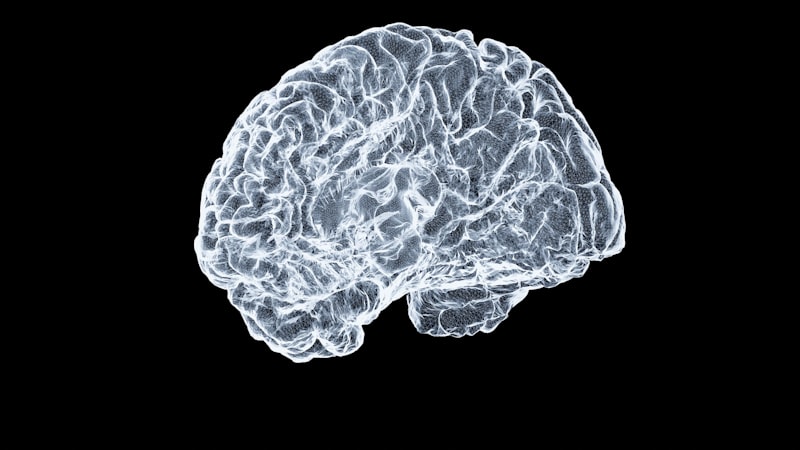
Electrophysiologic Audiometry (EPA) constitutes a comprehensive class of objective procedures utilized globally to measure the function and integrity of the auditory pathway, spanning from the peripheral cochlea to the central auditory cortex. Unlike traditional behavioral audiometry, which relies heavily on patient cooperation and subjective responses to sound stimuli, EPA methodologies assess auditory function by recording the minute electrical activity generated by the nervous system in direct response to acoustic input. This critical distinction makes EPA indispensable in situations where reliable behavioral data cannot be obtained, such as in the testing of infants, sedated patients, individuals with developmental disabilities, or those suspected of exhibiting non-organic hearing loss. The foundational principle of EPA involves the precise placement of electrodes on the scalp, mastoid, or within the ear canal, allowing clinicians to capture Auditory Evoked Potentials (AEPs) which are essentially time-locked synchronous neural discharges resulting from the transmission of sound information through the auditory neural hierarchy.
The development of EPA techniques represents a significant breakthrough in clinical audiology and neurotology, providing a window into the physiological health of the auditory system independent of conscious perception. Early research in the mid-20th century, particularly the work leading to the identification and reliable recording of the Auditory Brainstem Response (ABR), revolutionized the ability to diagnose hearing impairment in newborns and to identify retrocochlear pathologies. These procedures operate by averaging thousands of electrical responses to eliminate background noise (electroencephalographic activity and muscle artifact), thus isolating the extremely small, specific neural signal generated by the acoustic stimulus. Therefore, EPA is not merely a measure of hearing sensitivity, but rather a robust diagnostic tool that provides crucial information regarding the timing, synchronization, and neural organization within the central auditory nervous system, offering insights that behavioral tests alone cannot provide.
The primary applications of EPA are twofold: first, the objective estimation of hearing thresholds across various frequencies, and second, the assessment of neurological integrity along the auditory nerve and brainstem. Achieving these goals requires sophisticated signal processing equipment, carefully controlled acoustic stimulation, and a deep understanding of the neuroanatomical generators of the recorded potentials. The resulting data, typically displayed as waveforms (for transient responses like ABR) or spectral plots (for steady-state responses like ASSR), allows audiologists and physicians to pinpoint the location of auditory dysfunction, whether it resides in the conductive mechanisms of the middle ear, the sensorineural structures of the inner ear, or the central processing centers of the brain. This objective, verifiable information is paramount for timely intervention and appropriate management, especially in pediatric populations where early diagnosis of hearing loss is critical for optimal speech and language development.
The Neurophysiological Basis of Auditory Evoked Potentials (AEPs)
Auditory Evoked Potentials (AEPs) are the fundamental electrical responses recorded during EPA, representing synchronized activity from populations of auditory neurons firing sequentially as the acoustic signal travels centrally. These potentials are classified primarily by their latency, which dictates the anatomical site of generation within the auditory pathway. Traditionally, AEPs are categorized into three main groups: Early Latency Responses (0–10 milliseconds), which include the Electrocochleography (ECoG) and the Auditory Brainstem Response (ABR); Middle Latency Responses (10–50 milliseconds), generated primarily in the thalamus and primary auditory cortex; and Late Latency Responses (50–300 milliseconds), originating predominantly from the auditory cortex and related association areas, often reflecting higher-level cognitive processing related to sound. Understanding these temporal markers is essential for diagnostic interpretation, as a delay or absence in a specific latency range helps localize the pathology.
The synchronization of neural firing is perhaps the most critical component enabling the recording of AEPs using scalp electrodes. A single neuron’s electrical discharge is too small to be recorded from the scalp; however, when thousands of neurons fire simultaneously in response to a stimulus, their summed post-synaptic potentials create a measurable voltage difference across the recording electrodes. The brainstem responses, in particular, require a high degree of synchrony, which is why rapidly changing broadband stimuli, such as clicks or rapid tone bursts, are typically used to elicit the ABR. Conversely, the later potentials, generated in the cortex, are less dependent on strict synchronization and reflect more complex integrative processes, exhibiting larger amplitudes but greater variability due to their susceptibility to the subject’s state of arousal or attention.
The electrical responses recorded during EPA are exceedingly small, typically measured in microvolts (µV), often dwarfed by the ambient biological noise, primarily the spontaneous electroencephalogram (EEG) and electromyographic (EMG) muscle activity. To overcome this signal-to-noise ratio challenge, the method of signal averaging is employed. This technique involves presenting the acoustic stimulus repeatedly—sometimes hundreds or thousands of times—and averaging the resulting electrical activity. Since the AEP is time-locked to the stimulus onset, it consistently appears at the same time following each presentation, reinforcing the signal. Conversely, the random biological noise is attenuated and cancels itself out over repeated trials, allowing the underlying neural response to emerge clearly from the noise floor. This process is foundational to the successful clinical application of all transient EPA procedures, demanding that the subject remain as still and quiet as possible to minimize artifact contamination.
Key Modalities of Electrophysiologic Audiometry
Electrophysiologic Audiometry encompasses several distinct modalities, each optimized for measuring different segments of the auditory pathway or for specific clinical goals. The three most commonly utilized modalities are the Auditory Brainstem Response (ABR), the Auditory Steady-State Response (ASSR), and Electrocochleography (ECoG). Although all are based on recording AEPs, their methodologies, stimulus requirements, and clinical applications differ significantly. The ABR, arguably the most common, focuses on the early responses generated within the auditory nerve and brainstem structures (waves I through V), providing crucial information about the integrity of the neural transmission up to the level of the inferior colliculus. It is widely used for both threshold estimation and neurological diagnostics.
The Auditory Steady-State Response (ASSR) represents a crucial advancement, offering an objective method for determining frequency-specific hearing thresholds with greater efficiency than traditional ABR threshold estimation. Unlike the transient ABR which uses brief stimuli, the ASSR utilizes continuously presented tones that are amplitude- and/or frequency-modulated. The resulting neural response is not a single waveform but a continuous electrical signal that follows the modulation frequency of the stimulus. Detection of the ASSR response is statistically determined using spectral analysis, making the procedure highly objective and less reliant on subjective waveform interpretation. This methodology excels in creating a comprehensive, frequency-specific audiogram, often simultaneously testing multiple frequencies in both ears, thereby significantly reducing test time, especially critical when evaluating infants and toddlers.
Electrocochleography (ECoG) is a specialized early-latency technique that measures potentials generated within the cochlea itself, specifically the cochlear microphonic (CM), the summating potential (SP), and the action potential (AP) of the auditory nerve (Wave I). ECoG requires electrodes placed very close to the cochlea, often within the ear canal (tympanic membrane electrode) or even on the promontory (transtympanic electrode), yielding responses with much larger amplitudes and superior signal clarity compared to scalp-recorded ABRs. The primary clinical application of ECoG is the diagnosis and monitoring of Ménière’s disease or endolymphatic hydrops, conditions characterized by fluid imbalance in the inner ear. Changes in the ratio of the SP to the AP are highly diagnostic for these inner ear disorders, making ECoG a powerful tool for differential diagnosis within the peripheral auditory system.
Auditory Brainstem Response (ABR) Detailed Analysis
The Auditory Brainstem Response (ABR), also known as Brainstem Auditory Evoked Potentials (BAEP), is characterized by a sequence of five to seven distinct positive peaks (Waves I through V) occurring within the first 10 milliseconds following stimulus onset. Each peak is associated with specific neuroanatomical generators along the auditory pathway. Wave I is generated by the distal portion of the eighth cranial nerve (auditory nerve) as it leaves the cochlea; Wave II is attributed to the proximal eighth nerve or the cochlear nucleus; Wave III originates from the cochlear nucleus and the superior olivary complex (SOC); Wave IV is generated around the lateral lemniscus and SOC; and Wave V, the most robust and clinically significant wave, is generated in the region of the termination of the lateral lemniscus and the inferior colliculus in the midbrain. The consistent timing and reliable morphology of these waves allow the ABR to serve as a high-fidelity diagnostic marker.
Clinical interpretation of the ABR focuses on two main parameters: the absolute latency of each wave (the time elapsed from stimulus onset to the peak) and the interpeak latencies (the time differences between waves, such as the I-V interval). Abnormal absolute latencies, especially of Wave V, typically suggest a hearing loss, as reduced stimulation intensity requires greater travel time for the neural signal. Conversely, abnormal interpeak intervals (e.g., an elongated I-III or III-V interval) are highly indicative of neurological delay or dysfunction within the brainstem pathway itself, independent of hearing sensitivity. This makes the ABR invaluable for identifying retrocochlear pathologies, such as acoustic neuromas (vestibular schwannomas) or demyelinating diseases affecting the brainstem, which cause desynchronization of neural firing.
When utilized for objective threshold estimation—the process known as Auditory Brainstem Response Audiometry—the primary goal is to determine the lowest intensity level at which a clear, reproducible Wave V can be identified. Since Wave V is the most prominent component, it is tracked as stimulus intensity is systematically decreased. The resulting plot, showing Wave V latency as a function of intensity, is called the latency-intensity function (LIF). A normal LIF is used as a template against which the patient’s data is compared. By extrapolating the intensity level corresponding to the last reliable Wave V detection, clinicians can estimate the behavioral hearing threshold. Although this method typically yields thresholds within 10–20 dB of true behavioral thresholds, it remains the gold standard for objective hearing assessment in infants and non-compliant patients, particularly when utilizing frequency-specific stimuli like tone bursts rather than the broadband click stimulus, which only provides limited frequency information (primarily 2000–4000 Hz).
Auditory Steady-State Response (ASSR) Methodology and Application
The Auditory Steady-State Response (ASSR) differentiates itself from transient AEPs like the ABR by utilizing a continuous, periodic stimulus that drives the auditory system into a sustained state of activity, rather than eliciting a discrete, time-locked response. The stimulus is created by modulating a carrier tone (the target frequency being tested) using a lower frequency modulation rate (typically 80–110 Hz for adults/infants). The resulting neural response, generated predominantly in the brainstem and possibly the thalamus, mirrors the modulation frequency. The key advantage of ASSR is its capacity for objective, statistical detection, making the results less prone to subjective interpretation errors common in traditional ABR waveform analysis, especially near threshold.
The statistical nature of ASSR detection relies on frequency domain analysis, often employing the F-test or similar methods to determine if the electrical activity recorded at the modulation frequency is significantly greater than the surrounding background noise. If the response magnitude is statistically significant, the presence of the response is confirmed. This mathematical objectivity allows for automated testing procedures and enhances confidence in the results, particularly in estimating thresholds in populations where quietness and reliable sedation are difficult to achieve. Furthermore, ASSR techniques allow for multi-channel testing, meaning that up to four carrier frequencies per ear (eight total) can be presented simultaneously, dramatically shortening the overall test duration, a critical factor in pediatric audiology.
The clinical application of ASSR centers primarily on accurate, frequency-specific threshold estimation, providing a much more complete picture of the audiogram than click-evoked ABRs alone. ASSR thresholds show a strong correlation with behavioral thresholds across a wide range of hearing losses, particularly for moderate to profound impairments. This makes ASSR indispensable in the initial diagnostic battery for infants identified via newborn hearing screening. The ability to quickly and accurately define the degree and configuration of hearing loss (e.g., sloping versus flat) is vital for timely fitting of appropriate amplification devices, such as hearing aids or cochlear implants, ensuring that intervention can begin during the critical period for auditory development. Although ASSR is highly effective for threshold estimation, it is generally considered less robust than ABR for neurological assessment, as its complex response morphology obscures the detailed, sequential peaks necessary for identifying subtle brainstem lesions.
Clinical Applications and Patient Populations
Electrophysiologic Audiometry plays a pivotal role across numerous clinical settings, serving as the cornerstone for objective assessment in populations unable or unwilling to participate in standard behavioral testing. The most critical application is in pediatrics, particularly in the diagnostic follow-up of infants who fail universal newborn hearing screening. Given that hearing loss identification must occur before three months of age and intervention initiated before six months of age to maximize language outcomes, EPA, predominantly using ABR and ASSR, provides the rapid, reliable threshold data required for early intervention. These tests are usually performed while the infant is naturally sleeping or lightly sedated, minimizing muscle artifact and ensuring optimal recording conditions necessary for capturing the minute electrical responses.
Beyond infants, EPA is essential for assessing older children and adults who present with developmental delays, intellectual disabilities, significant comorbidity, or behavioral disorders that preclude accurate subjective testing. In these populations, the objectivity of EPA ensures that clinical decisions regarding amplification or communication strategies are based on verifiable physiological data rather than potentially unreliable behavioral responses. Furthermore, EPA techniques, especially ABR, are central to the diagnosis of Auditory Neuropathy Spectrum Disorder (ANSD), a condition characterized by preserved outer hair cell function (measured by otoacoustic emissions, or OAEs) but severely impaired neural synchronization along the auditory nerve, evidenced by an absent or severely abnormal ABR despite normal cochlear output.
In neurotology, EPA serves as a vital diagnostic tool for localizing retrocochlear lesions. The ABR is the standard technique used to screen for tumors of the eighth cranial nerve, most commonly acoustic neuromas (vestibular schwannomas). An abnormal latency difference between the two ears, or an abnormally elongated interpeak latency (specifically the I-V interval), suggests slowed neural transmission consistent with compressive lesions on the nerve or brainstem structures. Additionally, EPA can be utilized in intraoperative monitoring during neurosurgery to protect the auditory nerve and brainstem pathways, providing real-time feedback on the functional integrity of these critical structures as surgical manipulation occurs, thereby significantly reducing the risk of iatrogenic hearing loss. Finally, in medicolegal contexts, EPA can provide objective evidence of auditory function, assisting in the determination of non-organic hearing loss or malingering, where individuals may exaggerate or feign hearing impairment.
Advantages and Limitations of Electrophysiologic Audiometry
The primary advantage of Electrophysiologic Audiometry is its inherent objectivity, measuring physiological responses directly from the auditory nervous system rather than relying on subjective patient reporting. This objectivity is paramount for assessing individuals who cannot or will not respond reliably to sound stimuli, including neonates, unconscious patients, and those with significant cognitive or psychiatric impairments. EPA provides precise information about the integrity of specific anatomical structures along the auditory pathway (e.g., the cochlea via ECoG, the brainstem via ABR), offering diagnostic specificity that behavioral tests cannot achieve. Moreover, certain modalities like ASSR allow for rapid, simultaneous, frequency-specific testing across multiple frequencies and both ears, significantly increasing efficiency in busy clinical environments and streamlining the process of fitting hearing devices based on verifiable physiological thresholds.
Despite these significant advantages, EPA procedures are subject to several inherent limitations that require careful clinical consideration. The primary challenge is the susceptibility of the electrical recordings to biological artifact, particularly myogenic activity (muscle noise) generated by the patient. Movement, crying, or even subtle muscle tension can generate electrical signals thousands of times larger than the AEPs themselves, necessitating that the patient be in a quiet, relaxed, or sleeping state, often requiring sedation in certain patient groups, which carries its own risks. Furthermore, while EPA thresholds correlate well with behavioral thresholds, they are estimates, and typically reflect the minimum electrical potential required to elicit a response, not necessarily the patient’s conscious perception of sound, meaning behavioral verification is still necessary when possible.
Technical limitations also exist concerning the interpretation and implementation of EPA. Accurate testing requires highly trained personnel and sophisticated, expensive equipment capable of detailed signal acquisition and averaging. Furthermore, the selection of appropriate stimuli and recording parameters is crucial; for instance, the classic click ABR provides excellent neural timing information but lacks the frequency specificity needed for comprehensive audiological management. While tone-burst ABR and ASSR address frequency specificity, they often require longer recording times or specialized analysis techniques. Finally, EPA only measures the peripheral and brainstem integrity; higher-level central auditory processing disorders or cortical auditory dysfunction often require additional electrophysiological tests (such as P300 or Mismatch Negativity) which reflect later, cognitive aspects of sound processing.
Future Directions in Electrophysiologic Testing
The field of Electrophysiologic Audiometry continues to evolve rapidly, driven by technological advancements aimed at improving efficiency, noise reduction, and diagnostic accuracy. A major area of current research focuses on enhancing artifact rejection algorithms and developing novel statistical methods to extract AEPs from noisier environments, potentially reducing the need for sedation or lengthy testing sessions, particularly for pediatric populations. Techniques involving frequency-following responses (FFRs) and speech-evoked ABRs (cABR) are gaining prominence. The cABR utilizes complex speech syllables as stimuli, providing objective information not just about auditory detection, but also about the brainstem’s encoding of crucial acoustic features necessary for speech perception, offering a physiological marker for central auditory processing difficulties.
Another significant future direction involves the integration of electrophysiology with advanced imaging and computational neuroscience. Combining EPA data with functional magnetic resonance imaging (fMRI) or magnetoencephalography (MEG) allows researchers and clinicians to correlate the precise timing of neural events (from EPA) with the exact spatial location of brain activity (from imaging), offering a holistic view of auditory processing. This fusion of techniques promises deeper insights into complex hearing disorders, including tinnitus and hyperacusis, which often involve altered cortical and subcortical activity that standard ABR cannot fully map. Furthermore, machine learning and artificial intelligence are being applied to EPA data analysis, automating the detection and classification of responses, potentially leading to faster, more standardized clinical interpretation and overcoming the subjective limitations of manual waveform evaluation.
Ultimately, the goal of future EPA development is to create a seamless, comprehensive, and fully objective diagnostic battery that accurately reflects a patient’s entire auditory function, from the cochlea to the cortex. Emphasis is being placed on developing new biomarkers that can objectively track the progression of hearing loss or monitor the efficacy of hearing interventions, such as drug therapies or auditory training programs. By focusing on frequency-specific, speech-relevant physiological responses, the next generation of electrophysiologic tests aims to move beyond simple threshold estimation to provide critical, actionable data for personalized clinical management and rehabilitation strategies, solidifying EPA’s role as the indispensable objective standard in audiology and neurotology.