Emotive Stimuli: Why Your Brain Craves Deep Feeling
Scientifically Reviewed · Dr. Marwa Abd-Alazim · October 23, 2026
Review Criteria & Clinical Standards
This content undergoes rigorous scientific peer-review and medical editorial standards at Arab Psychology Network to ensure clinical accuracy, validity, and compliance with evidence-based guidelines from leading psychological and healthcare authorities (APA / WHO).
The Core Definition of Emotive Content
The term “emotive” fundamentally describes anything possessing the capacity or inherent tendency to elicit a strong emotion or deep feeling in an observer or participant. This quality goes beyond mere passive observation or cold cognitive recognition; an emotive stimulus actively engages the affective system of an individual, prompting a significant internal, often visceral, reaction. It is the power inherent in an object, image, sound, or piece of communication to move someone deeply, frequently resulting in tangible physiological changes such as increased heart rate, tear production, or a sudden, pronounced shift in mood or disposition. This concept is central to understanding how humans process and react to the vast array of sensory information they encounter daily, serving as a critical differentiator between neutral stimuli and those that hold profound psychological weight and meaning for the individual. The effectiveness of an emotive stimulus is directly proportional to its ability to bypass purely rational thought and tap directly into deeply held values, memories, or instincts.
The fundamental mechanism behind an emotive reaction involves the immediate assignment of salience and emotional value to incoming sensory data. When a stimulus is processed, the brain quickly determines its relevance to the individual’s well-being or goals. If the stimulus is categorized as relevant—whether positively (rewarding, comforting) or negatively (threatening, distressing)—it triggers affective arousal. This arousal is characterized by a mobilization of bodily resources orchestrated by the autonomic nervous system. For instance, seeing a powerful, moving image might activate pathways associated with empathy and sadness, leading to the physical manifestation of tears, as noted in the example: “The images were very emotive and made Joe cry.” The key principle here is that the emotive element serves as a catalyst, translating external input into internal emotional states and subsequent behavioral or physiological outputs.
In psychological discourse, the term is often used to describe the intentional design of communication aimed at maximizing emotional impact. For content to be successful in its emotive goals, it must utilize universally recognized emotional cues, such as facial expressions, narrative structure, or certain acoustic qualities. High-emotive content is highly effective in areas requiring rapid decision-making or strong memory formation, precisely because emotional experiences are encoded by the brain with greater detail and endurance than purely factual information. Therefore, understanding what makes something emotive is critical for fields ranging from psychotherapy, where emotional processing is key, to artistic endeavors, where the goal is to evoke profound feeling.
Historical Foundations of Emotional Arousal Theory
The formal study of how stimuli become “emotive,” or capable of generating substantial emotional responses, traces back to foundational psychological research focused on the very nature of affective arousal and the intricate relationship between physical reactions and subjective feelings. The intellectual groundwork was significantly established in the late 19th century by pioneering figures such as William James and Carl Lange. Their influential James-Lange theory proposed a revolutionary perspective: that emotional experience is not the precursor to physical reaction, but rather the result of our conscious perception of physiological changes that occur in response to a stimulus. For example, according to this view, we do not run because we are afraid; instead, we feel fear because we are running and perceiving the bodily changes associated with that action.
Although subsequent theories, notably the Cannon-Bard theory and the Schachter-Singer two-factor theory, introduced crucial cognitive elements—positing that both physiological arousal and cognitive appraisal are necessary for a complete emotional experience—the early focus established the undeniable and critical link between external emotive events, internal bodily states, and the resulting subjective emotional experience. Early research methodologies often involved carefully designed experiments to measure physiological responses (like heart rate, skin conductance, and respiration) in reaction to controlled stimuli, such as shocking images or unexpected sounds, thereby quantifying the objective power of a stimulus to be emotive. This historical context solidified the idea that emotive power is a measurable psychological phenomenon, not merely a subjective artistic interpretation.
The mid-20th century saw the integration of behaviorism and early cognitive psychology into the study of emotional elicitation. Researchers began exploring the role of learning and conditioning in determining which stimuli gain emotive power. A neutral stimulus, through repeated pairing with an emotionally significant event (classical conditioning), can acquire the ability to evoke strong emotions itself, thus becoming highly emotive. This explains why certain smells, songs, or locations, which are inherently non-threatening, can elicit profound feelings of nostalgia, fear, or joy based on past associations. This shift broadened the understanding of emotive content from purely innate, biological triggers to include learned, culturally, and individually specific triggers, recognizing the complexity of human emotional responsiveness.
The Neurobiological Basis of Emotive Processing
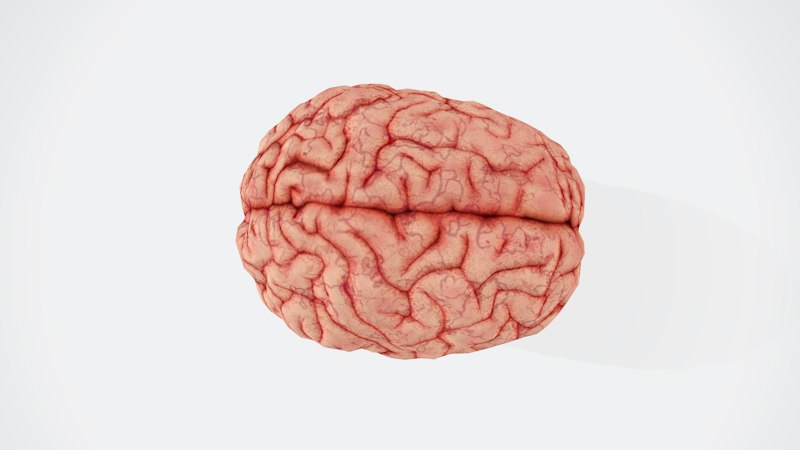
The neurobiological machinery responsible for processing and reacting to emotive stimuli resides primarily within the ancient, deep structures of the brain, collectively known as the limbic system. Among these structures, the amygdala stands out as the core hub for evaluating the emotional significance of incoming sensory information. The amygdala acts as a rapid-fire emotional detector; when sensory input is received—whether visual, auditory, or olfactory—it is swiftly routed to this area. If the input is assessed as having high emotive content, particularly if it signals potential threat, danger, or intense reward, the amygdala triggers an immediate and powerful cascade of neurochemical and physiological responses. This rapid processing ensures that reactions to survival-relevant stimuli are instantaneous and prioritized over slower, conscious deliberation.
This rapid, often pre-conscious evaluation is why certain universal themes, such as depictions of pain, vulnerability, nurture, or startling suddenness, possess exceptionally high and consistent emotive power across different cultures and populations. The emotive signal bypasses the slower cortical areas responsible for logic and reasoning, directly activating the hypothalamic-pituitary-adrenal (HPA) axis, resulting in the release of stress hormones like cortisol and adrenaline. This biological preparation, often referred to as the fight or flight response, is a physical manifestation of the stimulus’s emotive strength. The intensity of the subjective feeling experienced is often directly correlated with the magnitude of this underlying physiological arousal.
Furthermore, the hippocampus, situated close to the amygdala, plays a crucial role in associating emotive events with their context, ensuring that highly emotional experiences are strongly encoded into long-term memory. This connectivity explains why memories tied to highly emotive circumstances are often vivid, detailed, and resistant to forgetting. The interaction between the amygdala (emotional evaluation), the hippocampus (context and memory), and the prefrontal cortex (regulation and conscious feeling) dictates the full spectrum of the emotive experience, from the initial raw feeling to the later conscious interpretation and management of that emotion. Dysfunction in these interconnected pathways is often implicated in clinical disorders involving inappropriate emotional responses, such as post-traumatic stress disorder (PTSD).
A Practical Example: Emotive Communication in Advertising
A simple yet powerful real-world scenario illustrating the concept of emotive content is found extensively in modern advertising, particularly in campaigns designed to solicit charitable donations or promote brand loyalty through sentimental attachment. Consider an advertisement for an animal welfare charity. Instead of presenting dry statistics about animal suffering, the ad typically features images or short video clips of a single, vulnerable animal—a puppy with large, sad eyes, shivering in the rain, often accompanied by slow, melancholic music. This combination of visual and auditory cues is meticulously engineered to be highly emotive.
The step-by-step application of the psychological principle in this scenario is clear. The advertisement aims to elicit powerful feelings of sympathy, pity, and a sense of moral obligation, rather than relying solely on logical argumentation about the necessity of the charity’s work.
-
Stimulus Presentation: The image of the vulnerable animal is presented. This image functions as a potent emotive trigger, tapping into innate human responses toward helplessness and the need to protect the weak (a core evolutionary emotive theme).
-
Immediate Affective Arousal: The viewer’s amygdala rapidly processes the visual information as distressing. This triggers immediate affective arousal—the viewer might experience a tightening in the chest, a slight increase in heart rate, or a feeling of sadness. This physical reaction precedes or is simultaneous with the conscious feeling of pity.
-
Cognitive Appraisal and Attribution: The viewer uses the contextual information (the music, the voiceover) to label the feeling as “sadness” or “sympathy.” The immediate emotional state drives the subsequent cognitive interpretation: “This situation is terrible, and I feel strongly that something must be done.”
-
Behavioral Response: The goal of the emotive content is reached when the intense feeling motivates action. The emotional discomfort or the desire to alleviate the suffering depicted acts as a psychological pressure point, leading the viewer to donate money to resolve the negative emotional state induced by the advertisement.
This example demonstrates that emotive content is a deliberate tool used to leverage human affective responses to achieve specific, quantifiable outcomes, proving that the power of emotion is often a far stronger motivator than pure reason, especially in situations involving moral or social responsibility.
Significance in Clinical and Social Psychology
The significance of understanding emotive stimuli is profound across various subfields of psychology, most notably in clinical practice and social psychology. In clinical psychology, the concept of emotive content is central to understanding trauma, emotional regulation disorders, and anxiety. Traumatic memories are often defined by their overwhelming emotive power; they involve stimuli that were so intensely arousing that the memory encoding process became dysfunctional, leading to intrusive, highly emotive flashbacks. Therapies such as exposure therapy and cognitive behavioral therapy (CBT) often involve systematically challenging or re-framing the emotive power of specific triggers, helping patients decouple distressing emotional responses from previously overwhelming stimuli.
In the realm of social psychology, emotive content plays a pivotal role in phenomena like persuasion, group cohesion, and prejudice formation. Highly emotive rhetoric—language designed to trigger strong feelings of fear, anger, or solidarity—is demonstrably more effective at mobilizing large groups for social or political action than purely logical arguments. Emotional contagion, the spread of affective states among individuals in a group, relies entirely on the successful communication of emotive cues, whether through facial expressions, vocal tone, or shared symbolic content. Understanding the emotive triggers within a society allows researchers to predict and explain large-scale social movements, consumer behavior, and reactions to public crises.
Furthermore, the application of emotive principles is vital in educational settings. Educators recognize that injecting content with moderate levels of positive emotive resonance—such as using engaging narratives, humor, or personally relevant examples—significantly enhances student engagement and memory retention. Learning material that is emotionally neutral often fails to capture attention, while material that carries sufficient emotive weight is automatically prioritized by the brain’s attention networks. Thus, the effective use of emotive design serves not only therapeutic and manipulative purposes but also enhances pedagogical effectiveness by optimizing the brain’s natural mechanisms for learning and memory consolidation.
Connections to Related Psychological Constructs
The concept of emotive processing is intimately connected to several other cornerstone psychological theories, serving as a bridge between cognitive science and affective science. One of the closest connections is to the theory of cognitive appraisal. Appraisal theories argue that the specific emotion experienced (e.g., joy, anger, or fear) is determined not just by the presence of a stimulus, but by how the individual interprets or appraises that stimulus and its context. An emotive stimulus provides the initial shock or arousal, but the cognitive appraisal dictates the quality of the resulting emotion. For example, a sudden loud noise is an emotive stimulus causing arousal; the appraisal of “danger” leads to fear, while the appraisal of “a joke” leads to amusement.
Another closely related concept is emotional labor, a term often used in occupational psychology. Emotional labor involves the management of one’s feelings to display organizationally desired emotions. This is relevant to emotive content because it highlights the individual’s effort to either suppress a genuine emotive reaction triggered by a situation or to artificially generate an emotive display toward a client or customer, demonstrating the conscious manipulation and regulation of affective responses in social contexts.
The broader category under which the study of emotive stimuli falls is Affective Science, which is an interdisciplinary field that examines the nature, functions, and causes of emotional processes, including mood, feeling, and motivation. Affective science draws heavily on neuroscience, cognitive psychology, and social psychology to understand how and why certain elements possess the power to move us. Within this broader category, the investigation of emotive content often intersects specifically with Consumer Psychology and Media Psychology, both of which are focused on how external stimuli can be optimized to elicit predictable emotional and behavioral outcomes, such as purchasing decisions or shifts in public opinion.
Mechanisms of Emotive Influence and Persuasion
The study of emotive influence delves into the specific techniques used to ensure a stimulus maximizes its emotional potential. These mechanisms are often categorized based on the type of emotion they target. For instance, stimuli that evoke feelings of safety, warmth, or nostalgia often utilize techniques related to positive framing and association, aiming to link the emotive content directly to positive past experiences or innate needs for security. Conversely, influence relying on negative emotive content, such as fear appeals (common in public health campaigns or political messaging), operates by presenting a vivid, threatening consequence and then offering a clear, actionable solution to mitigate the induced distress. The effectiveness of these appeals relies on creating a level of affective arousal that is high enough to motivate action but not so high that it paralyzes the target audience with overwhelming anxiety.
A key mechanism of emotive influence is the use of narrative structure. Stories—especially those that feature relatable characters facing adversity or achieving triumph—are exceptionally potent emotive vehicles. Narratives allow the audience to engage in emotional simulation, temporarily placing themselves in the character’s shoes, thereby triggering empathy and vicarious emotional experiences. This immersion makes the content feel personally relevant, dramatically increasing its emotive power compared to presenting facts in isolation. The psychological principle at work is that self-relevance is one of the strongest predictors of emotional engagement and subsequent memory encoding, making the story format a powerful tool for persuasive communication.
Finally, the concept of emotional priming highlights another mechanism. Emotive content can be used not only to elicit a primary emotion but also to prepare the individual for subsequent cognitive processing. For example, playing uplifting music (a positive emotive prime) before presenting a difficult task can enhance persistence and creativity, while presenting images of disgust (a negative emotive prime) can increase moral judgment severity or vigilance. These findings underscore that the emotive quality of the surrounding environment or context significantly biases how individuals interpret, react to, and make decisions about incoming information, confirming that emotive stimuli are fundamental forces shaping human experience and behavior.