Endocrine Psychology: How Hormones Control Your Mind
Scientifically Reviewed · Dr. Marwa Abd-Alazim · October 4, 2026
Review Criteria & Clinical Standards
This content undergoes rigorous scientific peer-review and medical editorial standards at Arab Psychology Network to ensure clinical accuracy, validity, and compliance with evidence-based guidelines from leading psychological and healthcare authorities (APA / WHO).
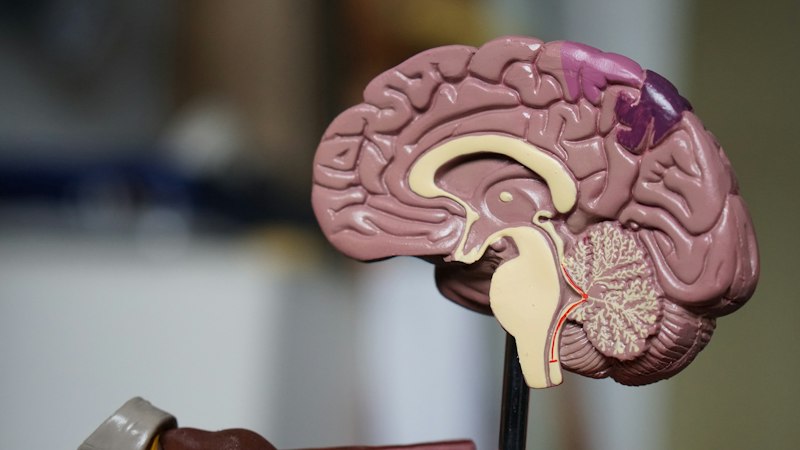
Core Definition of the Endocrine System
The endocrine system stands as an intricate and profoundly influential network within the human body, composed of a diverse array of glands, specialized organs, and the crucial chemical messengers known as hormones. Its fundamental role is to orchestrate and regulate a vast spectrum of physiological processes, ensuring the harmonious functioning of virtually every bodily system. From the intricate balance of metabolism and the progression of growth and development, to the complex mechanisms governing sexual maturation and reproduction, the endocrine system exerts overarching control. It operates as the body’s internal communication network, albeit a slower one than the nervous system, transmitting vital information through the bloodstream to maintain equilibrium.
At its core, the endocrine system is instrumental in maintaining homeostasis, a state of dynamic stability within the body’s internal environment. This vital balance is achieved through the precise production, secretion, and regulation of hormones, which act as highly specific signals. These chemical messengers are released directly into the bloodstream by endocrine glands and travel to distant target organs or cells, where they bind to specific receptors. This binding initiates a cascade of intracellular events, ultimately triggering a predefined physiological response. The elegance of this system lies in its ability to modulate virtually all aspects of cellular activity, influencing everything from energy production and utilization to cellular repair and the intricate processes of emotional and cognitive function, making it indispensable for survival and optimal health.
The fundamental mechanism underpinning the endocrine system’s function involves a sophisticated system of feedback loops, primarily negative feedback, which ensures that hormone levels are tightly controlled and maintained within optimal ranges. When a particular hormone level rises above a certain set point, the system detects this change and initiates mechanisms to reduce further hormone secretion, thereby preventing overstimulation of target tissues. Conversely, if hormone levels drop too low, the system stimulates increased production. This continuous monitoring and adjustment allow the body to respond dynamically to internal and external environmental changes, adapting its physiological state to meet current demands while preserving critical internal stability. Understanding this intricate interplay of glands, hormones, receptors, and feedback is paramount for comprehending human physiology and pathology.
Historical Context and Discovery
The concept of internal secretions influencing bodily functions dates back to antiquity, with early physicians observing the profound effects of castration or the removal of certain organs on an individual’s physical and behavioral characteristics. However, it was not until the mid-19th century that the scientific foundation for endocrinology began to solidify. The French physiologist Claude Bernard, a pioneer in experimental medicine, introduced the groundbreaking concept of the “milieu intérieur” or internal environment in the 1850s. While he primarily focused on the liver’s role in glucose regulation and its internal secretory function, his work laid the conceptual groundwork for understanding that internal organs could release substances directly into the blood to affect distant parts of the body, a crucial precursor to the idea of hormones.
Further pivotal advancements occurred in the late 19th and early 20th centuries. In 1889, Charles-Édouard Brown-Séquard, a French physiologist, controversially reported rejuvenating effects after self-injecting testicular extracts, igniting widespread interest in the potential of glandular secretions. However, the true birth of modern endocrinology is often attributed to the collaborative work of British physiologists William Bayliss and Ernest Starling. In 1902, they conducted experiments on the pancreas and digestive system, demonstrating that a substance released by the duodenal mucosa, which they termed “secretin,” stimulated pancreatic secretion even when nerve connections were severed. This conclusively proved that chemical messengers, rather than just nervous signals, could coordinate bodily functions.
Building on this discovery, Starling formally coined the term “hormone” in 1905, derived from the Greek word “hormao,” meaning “I excite” or “I arouse.” This term provided a specific nomenclature for these internally secreted chemical substances that travel through the bloodstream to exert their effects on distant target cells. The identification of various hormones, such as insulin by Banting and Best in the 1920s and the subsequent elucidation of their structures and mechanisms of action, marked a golden era for endocrinology. This historical progression from vague observations to precise scientific identification and characterization underscores the gradual unveiling of the endocrine system’s profound role in regulating virtually all aspects of life.
Key Components and Glands
The endocrine system is a distributed network, rather than a single organ, comprising several specialized glands located throughout the body, each responsible for producing and secreting distinct hormones. These glands communicate with each other and with the rest of the body through complex feedback mechanisms, ensuring a tightly regulated physiological environment. While many organs possess endocrine functions (e.g., the heart produces atrial natriuretic peptide, the kidneys produce erythropoietin), the primary endocrine glands form the core of this system, each playing a unique and vital role in maintaining overall bodily function and homeostasis.
The intricate orchestration of the endocrine system begins in the brain, with the hypothalamus serving as the crucial link between the nervous system and the endocrine system. This small but mighty region of the diencephalon is responsible for producing several releasing and inhibiting hormones that directly control the adjacent pituitary gland. Beyond its regulatory role over the pituitary, the hypothalamus also synthesizes oxytocin and vasopressin (antidiuretic hormone), which are subsequently stored and released by the posterior pituitary. Its influence extends to regulating fundamental physiological functions such as body temperature, hunger, thirst, sleep-wake cycles, and emotional responses, demonstrating its profound impact on both physiological and behavioral aspects of life.
The primary glands that constitute the core of the endocrine system, each with specialized functions, include:
-
Hypothalamus: Situated deep within the brain, this vital region acts as the command center, integrating nervous and endocrine functions. It produces releasing and inhibiting hormones that regulate the anterior pituitary gland, thereby controlling the secretion of many other hormones throughout the body. Furthermore, it directly produces oxytocin and vasopressin, crucial for social bonding, uterine contractions, and water balance, highlighting its diverse and far-reaching influence.
-
Pituitary Gland: Often referred to as the “master gland” due to its extensive influence, the pituitary gland is a pea-sized structure located at the base of the brain, directly beneath the hypothalamus. It consists of an anterior and posterior lobe, each with distinct functions. The anterior pituitary produces growth hormone, thyroid-stimulating hormone (TSH), adrenocorticotropic hormone (ACTH), follicle-stimulating hormone (FSH), luteinizing hormone (LH), and prolactin, collectively regulating growth, metabolism, stress response, and reproduction. The posterior pituitary releases oxytocin and vasopressin, which are synthesized by the hypothalamus.
-
Thyroid Gland: Located in the neck, anterior to the trachea, the thyroid gland is responsible for producing thyroxine (T4) and triiodothyronine (T3), hormones that are critical regulators of the body’s metabolism. These hormones influence cellular energy production, protein synthesis, and sensitivity to other hormones, profoundly impacting growth, development, and body temperature. The thyroid also produces calcitonin, which helps regulate blood calcium levels.
-
Parathyroid Glands: Typically four small glands embedded in the posterior surface of the thyroid gland, the parathyroid glands are essential for calcium homeostasis. They secrete parathyroid hormone (PTH), which acts to increase blood calcium levels by stimulating its release from bone, enhancing reabsorption in the kidneys, and promoting vitamin D activation to increase intestinal absorption of calcium.
-
Adrenal Glands: Positioned atop each kidney, the adrenal glands are crucial for managing stress response and regulating fluid balance. Each gland consists of two distinct regions: the outer cortex and the inner medulla. The adrenal cortex produces corticosteroids, including cortisol (a glucocorticoid involved in metabolism and stress) and aldosterone (a mineralocorticoid regulating blood pressure and electrolyte balance). The adrenal medulla produces catecholamines, primarily adrenaline (epinephrine) and noradrenaline (norepinephrine), which are central to the body’s “fight-or-flight” response.
-
Pancreas: Located behind the stomach, the pancreas has both exocrine (digestive enzymes) and endocrine functions. Its endocrine role is primarily handled by the islets of Langerhans, which contain alpha and beta cells. Beta cells produce insulin, a hormone critical for lowering blood glucose by facilitating glucose uptake into cells. Alpha cells produce glucagon, which raises blood glucose by stimulating glucose release from the liver. These two hormones work antagonistically to maintain stable blood sugar levels.
In addition to these core glands, other organs such as the gonads (testes in males, ovaries in females) produce sex hormones like testosterone, estrogen, and progesterone, which are vital for reproductive development and function. The pineal gland produces melatonin, regulating sleep-wake cycles. Even adipose tissue (fat) and the gastrointestinal tract produce hormones that influence appetite, metabolism, and satiety, demonstrating the pervasive and integrated nature of the endocrine system throughout the body.
Hormones: Chemical Messengers
Hormones are the quintessential chemical messengers of the endocrine system, acting as vital communication signals that orchestrate a myriad of physiological processes. Unlike neurotransmitters, which transmit signals across synapses over short distances, hormones are typically released directly into the bloodstream by endocrine glands and travel throughout the body to reach their specific target organs or cells. This broadcast-like delivery mechanism allows hormones to exert widespread and long-lasting effects, influencing diverse cellular functions simultaneously. Their journey through the circulatory system ensures that even the most distant cells can receive and respond to these critical regulatory signals, thereby coordinating complex bodily functions over extended periods.
Upon reaching their target cells, hormones bind to specific receptors, which can be located either on the cell surface (for peptide and amine hormones) or inside the cell (for steroid and thyroid hormones). This binding event is highly selective, akin to a lock-and-key mechanism, ensuring that each hormone elicits a response only from cells equipped with the appropriate receptor. Once bound, the hormone-receptor complex triggers a cascade of intracellular events. For surface receptors, this often involves second messenger systems that amplify the signal within the cell. For intracellular receptors, the hormone-receptor complex typically translocates to the nucleus, where it directly influences gene expression, leading to the synthesis of new proteins and altered cellular functions. This intricate signaling pathway underlies the profound and diverse effects of hormones on cellular activity.
The vast array of hormones collectively controls an astonishing variety of physiological functions, essential for the body’s survival and well-being. They play crucial roles in regulating growth hormone and development from conception through old age, meticulously manage metabolism by controlling energy production, storage, and utilization, and are central to the complex processes of reproduction and sexual differentiation through sex hormones. Beyond these fundamental roles, hormones also profoundly influence mood regulation, cognitive function, and the body’s adaptive responses to stress. The precise balance and timely release of these chemical messengers are therefore critical; even subtle disruptions can lead to significant physiological and psychological impairments, underscoring the indispensable nature of hormonal regulation.
A Practical Example: The Stress Response
To truly grasp the dynamic interplay of the endocrine system, considering a common real-world scenario like the stress response offers an illuminating practical example. Imagine a situation where you suddenly encounter a perceived threat – perhaps a near-miss while driving, or a sudden loud noise. Your body’s immediate, involuntary reaction is a testament to the rapid and coordinated action of the endocrine system, working in conjunction with the nervous system to prepare you for immediate action, commonly known as the “fight-or-flight” response. This swift physiological cascade is crucial for survival, enabling quick reactions to dangerous or challenging circumstances.
The “how-to” of this physiological response can be broken down into several key steps, demonstrating the precise and rapid hormonal communication that takes place:
-
Perception of Threat: The process begins when sensory organs detect a potential threat, and this information is rapidly processed by the brain, specifically the amygdala (involved in emotion) and the hypothalamus. The hypothalamus, acting as the neuroendocrine control center, perceives the stressor and initiates the response.
-
Activation of the Sympathetic Nervous System: In response to the hypothalamic signal, the sympathetic branch of the autonomic nervous system is immediately activated. This leads to the rapid release of adrenaline (epinephrine) and noradrenaline (norepinephrine) directly from the adrenal medulla, a part of the adrenal glands. These catecholamines elicit immediate physiological changes, such as increased heart rate, elevated blood pressure, dilated pupils, and redirection of blood flow to muscles and away from digestive organs.
-
Activation of the HPA Axis: Simultaneously, for more sustained or chronic stress, the hypothalamus also releases corticotropin-releasing hormone (CRH). CRH stimulates the anterior pituitary gland to secrete adrenocorticotropic hormone (ACTH), which then travels through the bloodstream to the adrenal cortex. The adrenal cortex, in turn, releases cortisol, a glucocorticoid hormone. Cortisol provides a more prolonged stress response by mobilizing glucose from stores, suppressing non-essential functions like digestion and immune response, and enhancing the effects of adrenaline and noradrenaline.
This coordinated release of hormones like adrenaline and cortisol ensures that the body is fully primed to either confront the threat or flee from it. Muscles receive more oxygen and glucose, senses become sharper, and pain perception may be reduced. Once the threat passes, a negative feedback loop signals the hypothalamus and pituitary to reduce the release of their respective hormones, allowing the body to return to a state of homeostasis. This elegant and powerful response highlights the endocrine system’s critical role in adapting to immediate environmental demands and ensuring survival, illustrating its profound practical significance in everyday life.
Significance and Impact in Health
The endocrine system‘s significance to the field of psychology and overall human health cannot be overstated; it is a cornerstone of our understanding of how the body and mind interact. Its extensive regulatory functions mean that virtually every physiological and psychological process is, to some extent, influenced by hormones. In psychology, understanding the endocrine system provides crucial insights into the biological underpinnings of behavior, mood regulation, personality, and cognitive functions. It helps explain phenomena such as the physiological basis of anxiety and depression, the hormonal shifts associated with adolescence and aging, and the profound impact of stress on mental and physical well-being. Without a grasp of endocrine mechanisms, our comprehension of the biological drivers behind psychological states would remain incomplete.
The practical applications of understanding the endocrine system are vast and touch upon numerous aspects of modern life and healthcare. In clinical psychology and psychiatry, hormonal imbalances are often investigated as potential contributors to mental health disorders. For instance, dysregulation of cortisol (the stress hormone) is frequently observed in individuals with chronic stress, depression, and anxiety disorders, informing both diagnostic approaches and therapeutic interventions. In the realm of medicine, endocrinology is a specialized field dedicated to diagnosing and treating hormonal disorders, which range from common conditions like diabetes to rarer pituitary or adrenal tumors. Hormone replacement therapies, such as insulin for diabetes or thyroxine for hypothyroidism, are direct applications of this knowledge, dramatically improving the quality of life for millions of people worldwide.
Beyond direct medical and psychological applications, insights from endocrinology also inform public health initiatives, educational strategies, and even marketing. For example, understanding the role of growth hormone and sex hormones is crucial in pediatric care and adolescent development, guiding interventions for growth disorders or pubertal issues. In public health, knowledge of hormonal disruptors in the environment helps shape regulations to protect populations. Furthermore, the influence of hormones like oxytocin on social bonding and trust has implications for understanding social behavior and even influencing consumer decisions in marketing. The profound and pervasive impact of the endocrine system thus extends far beyond the confines of basic biology, permeating our understanding of human experience and shaping practical approaches to health, behavior, and societal well-being.
Endocrine Disorders and Therapeutic Approaches
Disruptions to the delicate balance of the endocrine system can lead to a wide spectrum of health problems, often referred to as endocrine disorders. These conditions arise when glands produce too much or too little of a particular hormone, when the body’s receptors fail to respond correctly to hormones, or when glands develop structural abnormalities like tumors. The consequences can be profound and far-reaching, affecting nearly every bodily function and significantly impacting an individual’s quality of life. Understanding the various ways the system can malfunction is crucial for accurate diagnosis and effective treatment, highlighting the complexity and critical importance of maintaining hormonal homeostasis.
One of the most prevalent endocrine disorders is diabetes mellitus, a condition characterized by high blood glucose levels resulting from either insufficient insulin production by the pancreas (Type 1 diabetes) or the body’s cells becoming resistant to insulin‘s effects (Type 2 diabetes). Another common set of disorders involves the thyroid gland. Hypothyroidism, characterized by an underactive thyroid, leads to insufficient production of thyroxine, resulting in symptoms like fatigue, weight gain, and depression. Conversely, hyperthyroidism involves an overactive thyroid, causing symptoms such as anxiety, weight loss, and rapid heart rate. Disorders of the adrenal glands can lead to conditions like Cushing’s syndrome (excess cortisol) or Addison’s disease (insufficient cortisol), each presenting with a unique and debilitating set of symptoms. Furthermore, imbalances in sex hormones can cause infertility, menstrual irregularities, and issues with sexual development, impacting reproductive health significantly.
Treatment for endocrine disorders is highly specific to the underlying cause and the particular hormone involved. A cornerstone of therapy often involves hormone replacement therapy (HRT), where synthetic hormones are administered to compensate for a deficiency. For example, individuals with Type 1 diabetes mellitus require daily insulin injections, while those with hypothyroidism take oral thyroxine. Conversely, for conditions involving hormone excess, treatments may include medications that block hormone production or action, or surgical removal of overactive glands or tumors. Lifestyle modifications, such as diet and exercise, are also critical, particularly in managing conditions like Type 2 diabetes mellitus. The continuous advancement in endocrinology, including the development of new diagnostic tools and targeted therapies, underscores the ongoing effort to better manage these complex conditions and improve patient outcomes.
Connections to Other Psychological Concepts
The endocrine system is deeply intertwined with virtually every aspect of psychology, serving as a critical biological foundation for understanding human behavior, emotions, and cognition. It forms an integral component of biopsychology, the branch of psychology that examines how biological processes influence mental processes and behavior. This interdisciplinary connection is evident in how hormones act in concert with neurotransmitters, the chemical messengers of the nervous system, to produce complex psychological states. While neurotransmitters typically act rapidly over short distances, hormones provide a broader, slower, and more sustained influence, shaping the overall physiological and psychological landscape. This synergistic relationship highlights that the mind and body are not separate entities, but rather components of a single, integrated system.
The endocrine system’s influence extends into various psychological subfields, providing biological explanations for complex human experiences. In developmental psychology, sex hormones play a pivotal role in sexual differentiation and pubertal development, profoundly impacting identity formation, social relationships, and emotional regulation during adolescence. In health psychology, the relationship between stress and physical health is heavily mediated by the hypothalamic-pituitary-adrenal (HPA) axis, a key endocrine pathway. Chronic activation of this axis due to persistent stress can lead to elevated cortisol levels, contributing to increased risk for mental health issues like depression and anxiety, as well as physical ailments such as cardiovascular disease and impaired immune function. Furthermore, in social psychology, hormones like oxytocin have been linked to prosocial behaviors, trust, and bonding, offering a neurobiological basis for understanding social cognition and interpersonal relationships.
Moreover, the endocrine system is fundamental to understanding mood regulation, motivation, and even cognitive processes. Thyroid hormones, for instance, are essential for optimal brain development and function; imbalances can lead to cognitive deficits, mood disturbances, and altered energy levels. Insulin and glucagon, critical for glucose metabolism, indirectly affect brain energy supply, influencing concentration and cognitive performance. The broader category that the endocrine system belongs to within psychology is primarily biopsychology, also known as biological psychology or behavioral neuroscience. This field explicitly investigates the physiological, genetic, and developmental mechanisms of behavior in humans and other animals, with the endocrine system representing a major pathway through which these biological factors exert their profound psychological effects. Therefore, any comprehensive understanding of the human mind and behavior necessitates a thorough appreciation of the intricate workings and far-reaching influence of the endocrine system.