Endocrine Psychology: How Hormones Shape Your Mind
Scientifically Reviewed · Dr. Marwa Abd-Alazim · September 26, 2026
Review Criteria & Clinical Standards
This content undergoes rigorous scientific peer-review and medical editorial standards at Arab Psychology Network to ensure clinical accuracy, validity, and compliance with evidence-based guidelines from leading psychological and healthcare authorities (APA / WHO).
The Architectural Foundations of the Endocrine System
The endocrine system represents one of the body’s most sophisticated and vital communication networks, functioning as a complex arrangement of glands and hormones that regulate a vast array of physiological processes. According to Lurie (2020), this system is primarily responsible for maintaining homeostasis, a state of internal stability and balance, by meticulously controlling the production and subsequent release of chemical messengers into the bloodstream. These messengers, known as hormones, act as signals that travel to distant target organs and tissues, where they bind to specific receptors to elicit a biological response. The breadth of the endocrine system’s influence is immense, touching upon nearly every cell and organ within the human body to ensure that biological functions proceed in a coordinated and efficient manner.
In contrast to the nervous system, which utilizes rapid electrical impulses to transmit information across short distances, the endocrine system employs a slower but more sustained method of communication. By secreting hormones directly into the circulatory system, the endocrine glands ensure that their signals can reach even the most remote areas of the anatomy. This systemic distribution allows for the long-term regulation of essential processes, including metabolism, growth and development, reproductive health, and the body’s intricate response to environmental and psychological stressors. The efficacy of this system relies heavily on the precision of hormone concentrations; even minute fluctuations can significantly alter physiological states, highlighting the importance of the regulatory mechanisms that govern glandular activity.
The fundamental components of this system include:
- Glands: Specialized organs that synthesize and secrete hormones.
- Hormones: Chemical signaling molecules that carry instructions through the blood.
- Target Cells: Cells equipped with specific receptors that “read” the hormonal message.
- Feedback Loops: Mechanisms that monitor hormone levels and adjust production to maintain balance.
Through these components, the endocrine system ensures that the body can adapt to changing conditions, whether those changes are internal, such as a drop in blood glucose, or external, such as a perceived threat requiring a “fight or flight” response. The integration of these elements allows for a high degree of biological complexity and resilience (Lurie, 2020).
The Hypothalamic-Pituitary Axis: The Master Regulatory Center
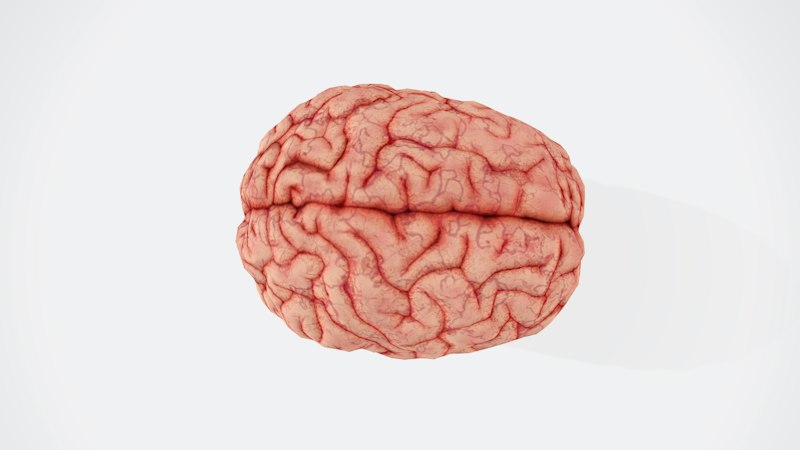
At the pinnacle of the endocrine hierarchy sits the hypothalamus, a critical structure located within the brain that serves as the primary regulatory center for the entire system. The hypothalamus acts as a bridge between the nervous system and the endocrine system, receiving sensory input from the body and translating it into hormonal commands. As noted by Lurie (2020), the hypothalamus is responsible for producing specific releasing and inhibiting hormones that directly govern the activity of other endocrine glands. By monitoring factors such as body temperature, hunger, and thirst, the hypothalamus ensures that the endocrine response is perfectly tailored to the immediate needs of the organism.
Directly beneath the hypothalamus lies the pituitary gland, frequently referred to as the “master gland” of the human body. This title is well-deserved, as the pituitary produces an array of hormones that control the function of several other major endocrine glands, including the thyroid, adrenals, and reproductive organs. The relationship between the hypothalamus and the pituitary is one of the most critical aspects of human physiology; the hypothalamus sends signals to the pituitary, which then releases the necessary hormones to stimulate or suppress activity elsewhere in the body. This hierarchical structure allows for a centralized command center that can coordinate complex biological events across multiple systems simultaneously.
The pituitary gland is divided into two distinct lobes, the anterior and posterior, each with unique responsibilities. The anterior pituitary produces hormones such as growth hormone, which stimulates tissue development, and prolactin, which is essential for lactation. Meanwhile, the posterior pituitary stores and releases hormones produced by the hypothalamus, such as antidiuretic hormone (ADH), which regulates water balance in the kidneys. This dual functionality enables the pituitary to manage a wide range of tasks, from the regulation of physical stature to the maintenance of blood pressure and fluid osmolarity. The intricate coordination within the hypothalamic-pituitary axis is a testament to the evolutionary refinement of human endocrine architecture (Lurie, 2020).
The significance of the master gland extends into the regulation of the stress response and reproductive cycles. By secreting adrenocorticotropic hormone (ACTH), the pituitary stimulates the adrenal glands to produce cortisol during times of tension. Similarly, it releases gonadotropins that signal the ovaries or testes to produce sex hormones. Without the precise functioning of the pituitary gland, the body would lose its ability to synchronize these vital processes, leading to systemic failure and a loss of homeostasis. Thus, the pituitary serves not just as a producer of hormones, but as a critical relay station that ensures the body’s various systems are working in harmony with one another.
Metabolic Control and the Role of the Thyroid Gland
The thyroid gland, a butterfly-shaped organ located in the neck, plays an indispensable role in the regulation of the body’s metabolism. Metabolism encompasses all the chemical processes that occur within the body to maintain life, including the conversion of food into energy and the construction of cellular components. The thyroid produces hormones, most notably thyroxine (T4) and triiodothyronine (T3), which act as the primary pace-setters for these metabolic activities. As highlighted by Lurie (2020), these hormones influence the rate at which cells consume oxygen and nutrients, thereby determining the overall metabolic rate of the individual.
Beyond its metabolic functions, the thyroid gland is essential for healthy growth and development, particularly during infancy and childhood. Thyroid hormones are necessary for the proper maturation of the skeletal and nervous systems; a deficiency during critical developmental windows can lead to significant cognitive and physical impairments. In adults, these hormones continue to influence the health of the skin, hair, and nails, as well as the regulation of body temperature and heart rate. The thyroid’s ability to adjust its output in response to environmental cues, such as cold weather, demonstrates its role as a dynamic regulator of human vitality.
The regulation of thyroid hormone production is governed by a negative feedback loop involving the pituitary gland and the hypothalamus. When levels of thyroxine in the blood drop, the hypothalamus releases thyrotropin-releasing hormone (TRH), which prompts the pituitary to secrete thyroid-stimulating hormone (TSH). This, in turn, signals the thyroid to increase its production of T3 and T4. Once levels are restored, the production of TRH and TSH is suppressed. This delicate balance ensures that the body’s metabolic furnace neither runs too hot nor too cold, providing a stable environment for cellular function (Lurie, 2020).
When the thyroid gland fails to function correctly, the impact on health can be profound. An overactive thyroid, or hyperthyroidism, can lead to symptoms such as rapid weight loss, anxiety, and a racing heart, as the body’s metabolic processes are accelerated beyond normal limits. Conversely, an underactive thyroid, known as hypothyroidism, can cause fatigue, weight gain, and depression, as the body’s systems slow down. These conditions underscore the thyroid’s central position in maintaining the energy balance required for daily life and long-term health, making it a cornerstone of the endocrine system.
Calcium Homeostasis and the Parathyroid Glands
Embedded on the posterior surface of the thyroid are the parathyroid glands, which are four small, pea-sized structures dedicated to a very specific and vital task: the regulation of the body’s calcium levels. Calcium is far more than just a structural component of bones and teeth; it is a critical electrolyte required for the proper functioning of the nervous system, muscle contraction, and blood clotting. According to Lurie (2020), the parathyroid glands monitor the concentration of calcium in the blood with extreme precision, secreting parathyroid hormone (PTH) whenever levels begin to decline.
The mechanism by which the parathyroid glands maintain calcium balance involves several different organ systems. When PTH is released, it acts on the bones to trigger the release of stored calcium into the bloodstream. Simultaneously, it signals the kidneys to reduce the amount of calcium excreted in the urine and stimulates the production of active vitamin D, which increases the absorption of calcium from the digestive tract. This multi-pronged approach ensures that the body has a constant supply of calcium available for essential cellular processes, even if dietary intake is temporarily insufficient.
If the parathyroid glands become overactive, a condition known as hyperparathyroidism, the resulting high levels of calcium in the blood can lead to weakened bones, kidney stones, and interference with heart and brain function. On the other hand, hypoparathyroidism leads to low blood calcium, which can cause muscle spasms and neurological issues. The narrow range in which calcium must be maintained highlights the critical importance of the parathyroid glands. Despite their small size, they perform a regulatory function that is essential for the electrical and mechanical stability of the entire human body (Lurie, 2020).
Adrenal Function and the Physiological Response to Stress
The adrenal glands, situated atop the kidneys, are the body’s primary responders to both acute and chronic stress. These glands are composed of two distinct regions: the outer adrenal cortex and the inner adrenal medulla, each producing different sets of hormones. The adrenal glands are responsible for synthesizing hormones that regulate a wide variety of functions, including blood pressure, electrolyte balance, and the metabolism of fats and proteins. As Lurie (2020) notes, their most famous role is the facilitation of the stress response, which prepares the body to handle perceived threats or physical challenges.
In moments of acute stress, the adrenal medulla releases adrenaline (epinephrine), the hormone responsible for the “fight or flight” response. Adrenaline causes an immediate increase in heart rate, redirects blood flow to the muscles, and expands the airways to maximize oxygen intake. This rapid physiological shift allows individuals to react quickly to danger. While this response is life-saving in emergencies, the adrenal glands also manage long-term stress through the secretion of cortisol from the adrenal cortex. Cortisol helps the body stay on high alert by increasing blood sugar levels and modulating the immune system, ensuring that energy is available for sustained effort.
The regulation of adrenal hormones is a complex process involving the hypothalamic-pituitary-adrenal (HPA) axis. This system ensures that the body does not remain in a state of high stress indefinitely, which could lead to exhaustion and tissue damage. However, modern life often subjects individuals to chronic stress, which can lead to the overproduction of cortisol. Prolonged exposure to high cortisol levels is linked to a variety of health issues, including weight gain, hypertension, and a weakened immune response. Therefore, the adrenal glands are central to both our survival and our long-term physiological well-being (Lurie, 2020).
Disorders of the adrenal glands can have catastrophic effects on a person’s health. For instance, Cushing’s syndrome occurs when the body is exposed to excessive levels of cortisol over a long period, often resulting in a fatty hump between the shoulders, a rounded face, and purple stretch marks on the skin. Conversely, Addison’s disease occurs when the adrenal glands do not produce enough cortisol or aldosterone, leading to extreme fatigue, low blood pressure, and skin darkening. These conditions illustrate the necessity of the adrenal glands in managing the body’s internal chemistry and its interactions with the outside world.
The Pineal Gland and Circadian Regulation
The pineal gland is a small, pinecone-shaped endocrine gland located deep within the brain’s epithalamus. Its primary function is the production and secretion of melatonin, a hormone that is fundamental to the regulation of sleep and wake cycles, also known as circadian rhythms. As described by Lurie (2020), the pineal gland acts as a biological clock, responding to the presence or absence of light in the environment to signal to the body when it is time to rest or be active. This regulation is crucial for maintaining the synchronization of various biological processes with the natural day-night cycle.
The production of melatonin is highly sensitive to light exposure. During the evening, as light levels fade, the pineal gland increases its secretion of melatonin, which promotes sleepiness and prepares the body for a period of recovery. In the morning, the presence of bright light inhibits melatonin production, helping the individual to wake up and feel alert. This rhythmic secretion is not only important for sleep but also influences other endocrine functions, including the timing of reproductive hormones and the modulation of the immune system. The pineal gland thus serves as a critical link between the external environment and the internal temporal organization of the body.
Disruptions to the pineal gland’s function, often caused by modern lifestyle factors such as shift work or excessive exposure to blue light from electronic devices at night, can lead to significant health problems. Sleep disorders, mood disturbances, and metabolic imbalances are frequently associated with irregular melatonin production. By understanding the role of the pineal gland, individuals can better appreciate the importance of maintaining healthy sleep hygiene and respecting the body’s natural rhythms. The pineal gland remains a fascinating area of study in psychology and endocrinology due to its profound impact on human behavior and well-being (Lurie, 2020).
Reproductive Endocrinology and Biological Maturity
The endocrine system is the primary driver of reproduction and the development of secondary sexual characteristics through the action of the gonads—the ovaries in females and the testes in males. These organs produce estrogen and testosterone, respectively, which are the hormones responsible for the body’s reproductive functions and the physical changes that occur during puberty. According to Lurie (2020), these hormones do more than just facilitate procreation; they also influence bone density, muscle mass, and emotional regulation throughout an individual’s lifespan.
In females, estrogen and progesterone regulate the menstrual cycle and are essential for maintaining pregnancy. These hormones also play a role in cardiovascular health and the maintenance of bone strength. In males, testosterone is the primary androgen responsible for sperm production, the deepening of the voice, and the growth of facial and body hair. The production of these hormones is regulated by the pituitary gland through the release of luteinizing hormone (LH) and follicle-stimulating hormone (FSH). This complex interplay ensures that reproductive capability is synchronized with the body’s overall developmental state.
The impact of reproductive hormones extends into the psychological realm, influencing mood, libido, and cognitive function. Significant shifts in these hormones, such as those occurring during menopause or andropause, can lead to a variety of physical and emotional symptoms. Furthermore, imbalances in reproductive hormones can lead to infertility, polycystic ovary syndrome (PCOS), or other health complications. The endocrine system’s role in reproduction highlights its importance in the continuation of the species and the individual’s journey from childhood to biological maturity (Lurie, 2020).
Pathophysiological Manifestations of Endocrine Disorders
When the delicate balance of the endocrine system is disrupted, it can lead to a wide variety of health problems, ranging from mild metabolic shifts to life-threatening conditions. Dysfunction can occur due to the overproduction (hypersecretion) or underproduction (hyposecretion) of specific hormones, or because the body’s cells fail to respond to hormones correctly. As noted by Lurie (2020), endocrine disorders are often chronic and require long-term management to prevent complications. The prevalence of these disorders in modern society underscores the need for a deeper understanding of endocrine health.
Some of the most common endocrine disorders include:
- Diabetes Mellitus: A condition characterized by high blood sugar levels resulting from the body’s inability to produce or use insulin effectively.
- Hypothyroidism: A state where the thyroid gland is underactive, leading to a slow metabolism and fatigue.
- Hyperthyroidism: A condition marked by an overactive thyroid, causing rapid heart rate and weight loss.
- Cushing’s Syndrome: A disorder caused by prolonged exposure to high levels of cortisol, affecting metabolism and appearance.
These conditions demonstrate how the failure of a single gland can have systemic repercussions, affecting energy levels, physical appearance, and the functional capacity of multiple organ systems.
The causes of endocrine dysfunction are varied and can include genetic predispositions, autoimmune attacks on glandular tissue, tumors, or environmental factors. For example, in Type 1 diabetes, the immune system destroys the insulin-producing cells in the pancreas, while in Type 2 diabetes, the body’s cells become resistant to insulin’s effects, often due to lifestyle factors. Diagnostic procedures for these disorders typically involve blood and urine tests to measure hormone levels, as well as imaging studies to check for structural abnormalities in the glands. Early detection and intervention are critical for managing these conditions and maintaining a high quality of life (Lurie, 2020).
In conclusion, the endocrine system is an essential and intricate network that governs the most fundamental aspects of human biology. From the regulation of our first growth spurts to the management of our daily stress and sleep patterns, hormones serve as the invisible conductors of our physiological orchestra. As Lurie (2020) emphasizes, recognizing the importance of endocrine health is vital. If symptoms of dysfunction—such as unexplained weight changes, chronic fatigue, or mood swings—arise, seeking medical attention is necessary to restore the balance required for a healthy and productive life. The study of the endocrine system continues to provide profound insights into the connection between our chemical makeup and our overall physical and mental health.
References
Lurie, D. (2020). Endocrine system: An overview. Retrieved from https://www.healthline.com/health/endocrine-system