Endopsychic Structure: Blueprint of Your Hidden Mind
Scientifically Reviewed · Dr. Marwa Abd-Alazim · September 21, 2026
Review Criteria & Clinical Standards
This content undergoes rigorous scientific peer-review and medical editorial standards at Arab Psychology Network to ensure clinical accuracy, validity, and compliance with evidence-based guidelines from leading psychological and healthcare authorities (APA / WHO).
Conceptual Foundations of the Endopsychic Structure
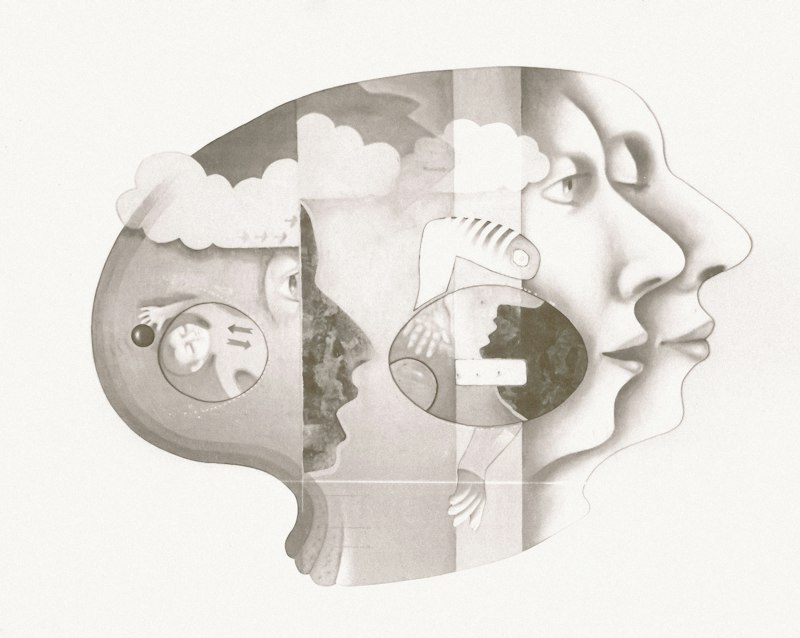
The endopsychic structure represents a sophisticated theoretical framework designed to elucidate the intricate mechanics of human behavior through the lens of internal psychological organization. Initially introduced by the prominent American psychoanalyst and psychiatrist Erik Erikson during the 1950s, most notably in his influential 1958 work, this concept shifted the focus of psychological inquiry toward the internal architecture of the mind. Erikson proposed that an individual’s ability to navigate and cope with their external environment is not merely a reactive process but is fundamentally determined by a pre-existing inner psychological structure. This structure acts as a primary mediator between the external world and the internal self, providing a consistent basis for action and reaction across various life stages.
At its core, the endopsychic structure serves as a blueprint for understanding the “why” behind human actions. It posits that behavior is the outward manifestation of a complex internal system that organizes experience and generates responses. This framework allows researchers and clinicians to move beyond surface-level observations of behavior to investigate the underlying psychological mechanisms that drive human agency. By viewing the mind as a structured entity with specific functional components, Erikson provided a way to categorize the seemingly chaotic nature of human emotions and thoughts into a coherent system that follows predictable developmental patterns.
The significance of this framework lies in its holistic approach to the human persona. Unlike strictly behaviorist models that emphasize stimulus-response patterns, the endopsychic structure emphasizes the internal processing that occurs within the individual. It suggests that two people encountering the same environmental stimulus may react in vastly different ways because their internal structures are configured differently. Consequently, the study of endopsychic structure is essential for understanding individual differences in resilience, social interaction, and personal identity formation, establishing it as a cornerstone of psychoanalytic theory and developmental psychology.
The Integration of Conscious and Unconscious Elements
A defining characteristic of the endopsychic structure is its composition, which involves a seamless integration of both conscious and unconscious elements. Erikson argued that the human mind is not a monolithic entity but a layered system where various components interact to influence perception. The conscious elements include immediate thoughts, accessible memories, and deliberate intentions that the individual can articulate and control. Conversely, the unconscious elements comprise deep-seated motives, repressed feelings, and instinctual drives that operate beneath the surface of awareness but exert a powerful influence on the individual’s choices and emotional responses.
These internal components function as a cohesive unit to determine how a person perceives and responds to the world around them. For instance, a person’s motives—whether they are conscious desires for achievement or unconscious needs for security—act as filters that color their interpretation of social cues and environmental opportunities. This means that the endopsychic structure is effectively a lens through which reality is refracted. When an individual encounters a challenge, their internal structure automatically synthesizes their past experiences, current emotional state, and future goals to produce a specific behavioral output.
Furthermore, the interplay between these elements ensures that the endopsychic structure is never static. There is a constant dynamic tension between the conscious ego and the unconscious pressures of the psyche. This tension is what drives psychological growth and, in some cases, internal conflict. Understanding the balance between these forces is crucial for psychologists seeking to help individuals resolve inner turmoil. By mapping the endopsychic structure, mental health professionals can identify where conscious goals may be at odds with unconscious fears, thereby facilitating a more harmonious alignment of the self.
Environmental Mediation and the Individual-World Relationship
The endopsychic structure provides an essential framework for understanding the complex and often reciprocal relationship between the individual and their socio-environmental context. It suggests that while the environment provides the stimuli, the inner psychological structure dictates the interpretation and the subsequent response. This relationship is not one-way; rather, it is a continuous dialogue where the individual’s internal state influences how they shape their environment, and the environment, in turn, provides the raw material that the internal structure must process and integrate.
According to this framework, a person’s behavior is shaped by their inner psychological structure, which serves as a specialized mechanism for environmental adaptation. This explains why certain individuals thrive in high-pressure situations while others may retreat; the difference lies in how their internal structures perceive the concept of “challenge” versus “threat.” The endopsychic structure thus acts as a buffer and a bridge, protecting the core self from overwhelming external pressures while allowing for meaningful engagement with the social world. This mediation is vital for maintaining psychological equilibrium in an ever-changing landscape.
Key components that mediate this relationship include:
- Cognitive Schemata: The mental maps used to categorize and interpret environmental information.
- Affective Regulation: The internal systems that manage emotional responses to external stressors.
- Ego Defenses: The unconscious mechanisms that protect the inner structure from anxiety-provoking stimuli.
- Intentionality: The conscious drive to alter one’s environment to meet internal needs.
Psychosocial Development and Structural Evolution
One of the most profound aspects of the endopsychic structure is its relationship to psychosocial development. Erikson emphasized that this inner structure is not a fixed entity established at birth; rather, it is a dynamic system that undergoes significant transformations throughout the human lifespan. As an individual progresses through different stages of development—from infancy through old age—their endopsychic structure is refined, expanded, and sometimes reorganized in response to new developmental milestones and social expectations.
As a result of this ongoing evolution, the way a person perceives and responds to their environment changes as they mature. In childhood, the endopsychic structure may be primarily focused on establishing trust and autonomy, whereas, in adulthood, the focus shifts toward intimacy, generativity, and ego integrity. Each stage of development introduces new conscious and unconscious elements into the structure, requiring the individual to find new ways to balance their internal needs with external demands. This developmental perspective highlights the inherent plasticity of the human psyche and the potential for lifelong growth.
This structural evolution is often marked by specific psychological crises or turning points. When the endopsychic structure successfully integrates the lessons of a particular stage, the individual gains new psychological strengths, such as hope, will, or wisdom. However, if the structure fails to adapt to the requirements of a developmental stage, it can lead to maladaptive behavioral patterns or internal instability. Therefore, understanding the current state of an individual’s endopsychic structure requires a deep appreciation of their developmental history and the specific psychosocial challenges they have faced.
Determinants of the Inner Psychological Architecture
While the endopsychic structure is an internal phenomenon, it is heavily influenced by a variety of external determinants. Erikson was keen to point out that the inner psychological structure is not formed in a vacuum; it is sculpted by the cultural, social, and interpersonal forces that surround the individual. These factors provide the “content” that populates the structure, influencing the development of specific values, beliefs, and behavioral tendencies. The interaction between these external influences and the internal psyche creates a unique individual identity.
The primary external factors influencing the endopsychic structure include:
- Cultural Paradigms: The overarching societal values and norms that define acceptable behavior and shape the individual’s worldview.
- Family Dynamics: The early childhood environment and parental figures who provide the initial blueprints for social interaction and emotional security.
- Peer Relationships: The social groups that influence the development of self-esteem, social competence, and identity during adolescence and beyond.
- Socioeconomic Status: The material conditions of life that can either constrain or expand the opportunities for structural development.
For example, a person raised in a culture that emphasizes collectivism may develop an endopsychic structure that prioritizes social harmony and group loyalty. Conversely, an individual in an individualistic society may have a structure geared toward personal achievement and autonomy. These cultural imprints become deeply embedded within the unconscious layers of the psyche, influencing behavior in ways that the individual may not even fully realize. By recognizing these influences, the endopsychic framework provides a comprehensive view of how the “social” becomes “psychological.”
Behavioral Analysis and Outcome Modification
The endopsychic structure serves as a powerful tool for the analysis of human behavior. By examining the internal components that lead to specific actions, psychologists can move beyond descriptive accounts of behavior to reach explanatory insights. This framework helps explain why certain behaviors occur—such as why an individual might repeatedly engage in self-sabotaging actions or why they might struggle with interpersonal intimacy. In these cases, the behavior is seen as a logical outcome of the current configuration of the inner psychological structure.
Furthermore, the framework offers a pathway for behavioral modification. If behavior is determined by the inner structure, then lasting change can only be achieved by addressing and modifying that structure. This might involve bringing unconscious motives into conscious awareness, challenging maladaptive thoughts, or helping the individual develop new coping mechanisms to integrate into their psychological architecture. By targeting the “root” of the behavior within the endopsychic structure, practitioners can facilitate more profound and enduring transformations than would be possible through surface-level behavioral interventions alone.
This analytical approach is particularly useful in achieving desired outcomes in various life domains, such as education, career, and personal relationships. For instance, an individual who understands the structural origins of their anxiety can work to reorganize their internal responses, leading to improved performance and well-being. The endopsychic structure thus provides a roadmap for self-actualization, allowing individuals to consciously participate in the shaping of their own psychological evolution and behavioral trajectory.
Clinical Applications in Mental Health Treatment
In the realm of clinical psychology and psychiatry, the concept of endopsychic structure has been instrumental in the treatment of a wide array of mental health issues. Mental health professionals use this framework to conduct deep-level assessments of their patients, looking past symptoms to understand the structural imbalances that may be causing distress. Whether dealing with depression, anxiety, or personality disorders, the goal of treatment often involves stabilizing or restructuring the psyche to better handle the complexities of life.
Therapeutic interventions based on this framework often focus on the following:
- Insight-Oriented Therapy: Helping patients understand the unconscious elements of their endopsychic structure.
- Cognitive Restructuring: Modifying the conscious thoughts and beliefs that contribute to maladaptive behavior.
- Ego Strengthening: Enhancing the individual’s ability to manage internal conflicts and external stressors.
- Developmental Repair: Addressing gaps or traumas in the endopsychic structure that occurred during earlier stages of psychosocial development.
By using the endopsychic structure as a guide, clinicians can tailor their treatments to the specific needs of the individual. This approach recognizes that mental health is not merely the absence of symptoms but the presence of a resilient and well-integrated internal structure. The framework’s emphasis on the relationship between the individual and their environment also encourages clinicians to consider the social context of their patients, leading to more comprehensive and effective care strategies that address both the internal and external facets of the human experience.
Summary of the Influence and Utility of the Framework
In conclusion, the endopsychic structure remains an incredibly useful and influential framework for understanding and explaining the complexities of human behavior. By bridging the gap between the internal mind and the external world, it provides a comprehensive account of how humans function as psychosocial beings. Erik Erikson’s introduction of this concept in the 1950s revolutionized the field, offering a structured yet dynamic way to view the human experience across the entire lifespan. It acknowledges the power of the unconscious while affirming the importance of conscious agency and environmental context.
The enduring value of this framework lies in its versatility and depth. It has proven to be a valuable tool for mental health professionals, researchers, and anyone seeking a deeper understanding of the human condition. By highlighting how our inner psychological structure dictates our perceptions and reactions, the framework empowers individuals to seek growth and change. It serves as a reminder that while we are influenced by our culture, family, and peers, we also possess an internal architecture that can be understood, nurtured, and transformed.
Ultimately, the study of endopsychic structure is the study of human resilience and adaptation. It explains how we navigate the challenges of life, how we form our identities, and how we interact with the world around us. As psychology continues to evolve, the core principles of the endopsychic structure—emphasizing the integration of conscious and unconscious elements and the importance of developmental progress—continue to inform contemporary theories and practices, ensuring its place as a foundational concept in the psychological sciences.
References
Erikson, E. H. (1958). The life cycle. In Basic writings of Erik Erikson. New York: Norton.