Enterogastrone: How Your Gut Biology Dictates Your Mood
Scientifically Reviewed · Dr. Marwa Abd-Alazim · October 25, 2026
Review Criteria & Clinical Standards
This content undergoes rigorous scientific peer-review and medical editorial standards at Arab Psychology Network to ensure clinical accuracy, validity, and compliance with evidence-based guidelines from leading psychological and healthcare authorities (APA / WHO).
The Core Definition of Enterogastrone
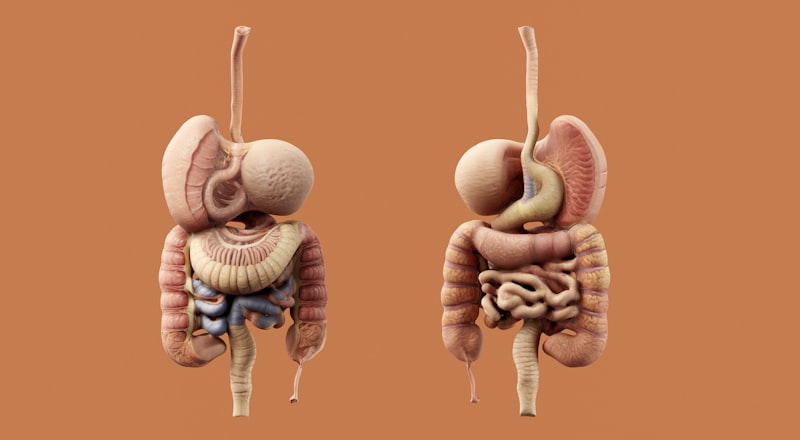
The term Enterogastrone refers historically to a hormone or, more accurately, a collective group of hormones secreted by the mucosa of the small intestine, primarily the duodenum and jejunum, whose fundamental physiological role is the inhibition of stomach activity. Specifically, this inhibition targets two crucial aspects of gastric function: the suppression of gastric juice secretion and the reduction of gastric motility, which collectively slows the rate at which chyme is emptied into the small intestine. This intricate feedback mechanism is vital for ensuring that the digestive processes of the stomach are perfectly synchronized with the absorptive and chemical capabilities of the small bowel, preventing overloading and maximizing the efficiency of nutrient extraction. The core principle behind the release of these inhibitory factors is the detection of specific nutrients, particularly fats, and high acidity levels within the chyme that has just passed through the pyloric sphincter.
When partially digested food, known as chyme, leaves the stomach and enters the upper segment of the small intestine, the mucosal cells are stimulated to release these powerful chemical messengers into the bloodstream. These hormones then travel back to the stomach, acting as negative feedback regulators. The necessity for this mechanism arises because the small intestine is the primary site of nutrient digestion and absorption, requiring adequate time to neutralize stomach acid and break down complex molecules like lipids. If the stomach were to empty its contents too rapidly, the neutralizing buffers (like bicarbonate) and digestive enzymes available in the duodenum would be overwhelmed, leading to inefficient digestion and potential damage to the intestinal lining. Therefore, Enterogastrone serves as a critical homeostatic brake, ensuring regulated delivery of gastric contents into the rest of the gastrointestinal tract.
It is important for modern physiology students and practitioners to recognize that “Enterogastrone” is largely an umbrella or historical designation, not a single molecular entity. The functions originally attributed to this generalized term are now known to be carried out by several distinct, well-characterized polypeptide hormones, including Secretin, Cholecystokinin (CCK), and the Gastric Inhibitory Peptide (GIP). Each of these specific enteric hormones contributes to the overall inhibitory effect, though they often respond to slightly different stimuli and target specialized receptors within the stomach lining, demonstrating the complex regulatory network governing human digestion.
Historical Discovery and Conceptual Evolution
The conceptual framework for Enterogastrone emerged during the early 20th century, following the groundbreaking work of William Bayliss and Ernest Starling, who first coined the term “hormone” in 1905 after discovering Secretin. Their research established that chemical messengers released by one organ could travel via the bloodstream to regulate the function of a distant organ, a radical shift from the purely neural view of physiological regulation that dominated the preceding era. This discovery spurred intensive investigation into the humoral control of the digestive system, leading researchers to hypothesize the existence of a substance secreted by the intestinal wall that specifically inhibited gastric activity, counteracting the excitatory effects of Gastrin released by the stomach itself.
The primary evidence supporting the existence of Enterogastrone was derived from experiments involving the introduction of fat or acid directly into the duodenum of experimental animals. Researchers observed a significant and reproducible reduction in stomach motility and acid production that could not be explained by nerve pathways alone, suggesting the involvement of a blood-borne factor. The term Enterogastrone was thus introduced to describe this unknown inhibitory substance. Initial research focused on isolating and purifying this substance, often yielding crude extracts that exhibited the expected anti-secretory and anti-motility properties. These early findings solidified the understanding that the small intestine plays an active, regulatory role in controlling its own workload, rather than passively receiving chyme from the stomach.
Over decades of biochemical research, as techniques for peptide isolation and sequencing improved, scientists began to identify the specific components within the crude Enterogastrone extracts. The single concept of “Enterogastrone” gradually fragmented into its constituent parts. By the mid-to-late 20th century, hormones like Secretin (primarily responding to acid), Cholecystokinin (CCK) (primarily responding to fat and protein), and later, Gastric Inhibitory Peptide (GIP) (now often called Glucose-dependent Insulinotropic Peptide), were identified, isolated, and characterized. These discoveries clarified that the inhibitory functions were not managed by one single molecule but by a sophisticated, overlapping system of endocrine signals, marking the transition of Enterogastrone from a specific hypothesis to a valuable historical descriptor for this crucial physiological function.
The Mechanism of Gastric Inhibition
The mechanism by which Enterogastrone factors exert their inhibitory influence is multifaceted, involving direct action on gastric cells and modulation of neural signaling. When fatty acids, mono- and diglycerides, or highly acidic chyme enter the duodenum, specialized endocrine cells within the small intestinal mucosa—such as S cells (for Secretin) and I cells (for CCK)—are activated. These cells release their respective hormones into the portal circulation. Upon reaching the stomach, these hormones bind to specific receptors located on the parietal cells, which are responsible for producing hydrochloric acid, and on the smooth muscle cells of the gastric wall, which control motility.
The inhibition of gastric juice secretion is a paramount function. Hormones like Secretin directly counteract the effects of Gastrin and histamine, the main stimulators of acid production. By binding to parietal cell receptors, Secretin triggers intracellular signaling cascades that effectively dampen the proton pump activity, leading to a rapid reduction in acid output. This immediate neutralization is essential for protecting the duodenal lining and optimizing the pH required for pancreatic enzyme function. Simultaneously, Cholecystokinin acts to reduce the vigor and frequency of gastric contractions, particularly those governing the rate of emptying through the pylorus.
This reduction in motility—known as the Enterogastric Reflex—is crucial for nutrient processing. Lipids, which are energy-dense and require the longest time for emulsification and absorption, are the most potent stimulators of this reflex. The presence of fat in the duodenum signals that the stomach must slow down significantly, sometimes delaying gastric emptying for several hours, thereby providing sufficient opportunity for bile and pancreatic lipases to complete the breakdown process. This careful, hormonally regulated balance ensures that the duodenum is never presented with more chyme than it can efficiently handle at any given moment, safeguarding the entire downstream digestive process.
Enterogastrone in Clinical and Practical Contexts
Understanding the Enterogastrone mechanism is vital for explaining common physiological responses to meals, particularly those rich in fat. Consider a real-world scenario involving an individual consuming a large, high-fat meal, such as a rich cream sauce pasta followed by a heavy dessert. Upon ingestion, the stomach begins its churn and secretory phase, releasing acid and beginning preliminary protein digestion. However, as the highly concentrated lipid content of the food begins to be metered into the duodenum through the pylorus, the inhibitory feedback loop immediately engages.
Here is how the Enterogastrone principle applies step-by-step in this scenario:
- The highly concentrated fats in the chyme reach the I-cells in the duodenal mucosa.
- The I-cells are stimulated to release large quantities of Cholecystokinin (CCK) into the bloodstream.
- CCK travels back to the stomach, where it dramatically reduces the strength and frequency of gastric contractions, causing the individual to feel full for a prolonged period, sometimes experiencing a sense of heaviness.
- Simultaneously, if the meal contains a high volume of acid, S-cells release Secretin, which inhibits acid production in the stomach and simultaneously stimulates the pancreas to release bicarbonate, neutralizing the pH in the duodenum.
- The combined effect of CCK and Secretin ensures that the gastric emptying rate is slowed significantly, allowing the small intestine the necessary hours to fully emulsify and absorb the complex fat molecules before the next batch of chyme is released from the stomach. This coordinated action prevents digestive distress and maximizes energy extraction.
Clinically, disruptions in this feedback loop can lead to conditions like Dumping Syndrome, often seen after gastric surgery, where the stomach empties its contents too rapidly into the small intestine. Conversely, excessive or pathological inhibition of gastric emptying, potentially due to hormonal imbalances or neurological damage, results in delayed gastric emptying (gastroparesis), leading to nausea, vomiting, and early satiety. Therefore, measuring and understanding the activity of the modern Enterogastrone components is crucial in diagnosing and managing various gastrointestinal motility disorders.
Significance and Impact in Digestive Physiology
The discovery and subsequent delineation of the Enterogastrone mechanism represent a monumental achievement in understanding digestive physiology. Its primary significance lies in establishing the concept of negative feedback control within the gastrointestinal tract. Prior to this, the stomach was often viewed as the dominant organ, but Enterogastrone proved that the downstream organs, particularly the small intestine, possess powerful regulatory authority over upstream processes. This systemic coordination ensures digestive homeostasis, maximizing both safety and efficiency.
The impact of this concept extends far beyond mere digestion. The hormones identified as fulfilling the Enterogastrone role, especially CCK and GIP, are now known to have profound central nervous system effects, influencing appetite, satiety, and overall energy balance. For example, CCK acts on the hypothalamus in the brain to signal fullness, making it a critical player in short-term appetite regulation. This realization has shifted research focus from viewing the gut as purely a processing tube to recognizing it as the body’s largest endocrine organ, constantly communicating with the brain and other systems.
In modern medicine, the principles derived from the Enterogastrone concept are applied extensively. Understanding which stimuli trigger which hormone has been crucial in developing treatments for obesity and type 2 diabetes. For instance, synthetic analogs of GIP and related incretins are now potent therapeutic agents, as they not only inhibit gastric emptying but also enhance glucose-dependent insulin secretion. The regulatory authority of the small intestine, once understood through the lens of Enterogastrone, is now the basis for advanced pharmacological interventions targeting metabolic and endocrine disorders, underscoring its lasting scientific legacy.
Connections and Relations to Other Concepts
The Enterogastrone principle is inextricably linked to several other core psychological and physiological concepts within the field of Gastrointestinal Endocrinology. It stands in direct contrast to the actions of the hormone Gastrin, which is secreted by the G cells of the stomach and duodenum in response to food presence, acting to stimulate acid secretion and mucosal growth. The digestive system thus operates under a delicate balance between these excitatory (Gastrin) and inhibitory (Enterogastrone factors) signals, ensuring timely preparation and subsequent slowdown of the digestive process.
The specific components of the Enterogastrone system have strong relationships with other key regulatory peptides:
- Secretin: While acting as a gastric inhibitor, Secretin’s primary role is the stimulation of the pancreas to release bicarbonate-rich fluid. This relationship highlights the coordinated effort required to neutralize acidic chyme, showing that the system simultaneously inhibits the source of acid (stomach) and boosts the neutralizing agent (pancreas).
- Cholecystokinin (CCK): Beyond inhibiting gastric activity, CCK is the primary signal for gallbladder contraction, facilitating the release of bile necessary for fat emulsification. It also stimulates the secretion of pancreatic enzymes. This linkage ensures that when fats enter the duodenum, the entire apparatus needed for lipid digestion—bile, enzymes, and a slow flow rate—is activated synchronously.
- Gastric Inhibitory Peptide (GIP): GIP is now recognized as a major incretin, a hormone that enhances insulin secretion in response to oral glucose intake. While retaining its mild gastric inhibitory effects, its metabolic role is now considered more significant, linking the Enterogastrone complex directly to glucose homeostasis and the regulation of blood sugar levels after a meal.
Overall, the study of Enterogastrone falls squarely within the subfield of Physiological Psychology and Endocrinology, demonstrating how chemical signals mediate the interaction between internal organs and influence behavioral states such as hunger and satiety. The concept ultimately serves as a foundational example of systemic feedback loops essential for maintaining the stability and functional integrity of the body’s internal environment.