Animal Ethics: The Hidden Cost of Scientific Discovery
Scientifically Reviewed · Dr. Marwa Abd-Alazim · September 27, 2026
Review Criteria & Clinical Standards
This content undergoes rigorous scientific peer-review and medical editorial standards at Arab Psychology Network to ensure clinical accuracy, validity, and compliance with evidence-based guidelines from leading psychological and healthcare authorities (APA / WHO).
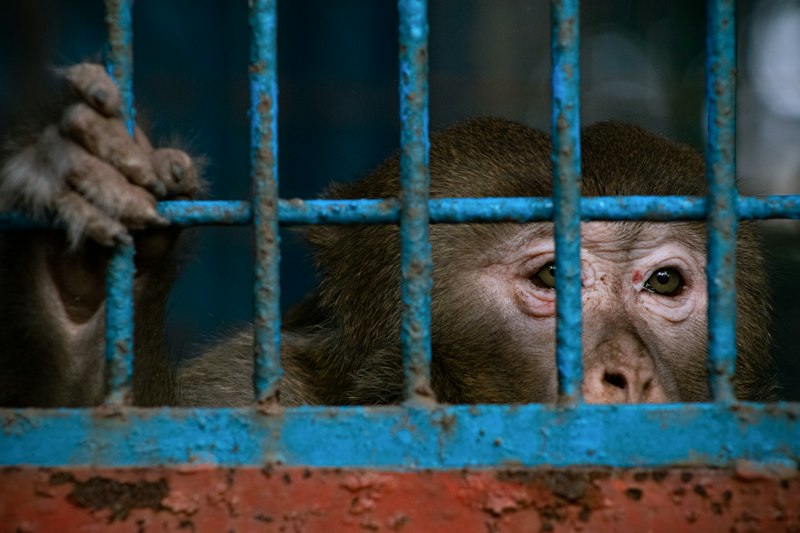
Historical and Theoretical Foundations of Animal Research
The practice of utilizing animal models in scientific inquiry has long been a cornerstone of biological and psychological advancement, providing critical insights into the complexities of both human and animal health. This methodology is predicated on the physiological and behavioral similarities between species, which allow researchers to model diseases, test pharmacological interventions, and explore neurological pathways that would be impossible or unethical to examine in humans first. However, the Ethics of Animal Research is a field marked by profound complexity, necessitating a rigorous balance between the potential for life-saving scientific discovery and the moral obligation to protect sentient beings from unnecessary harm. As the scientific community has progressed, the dialogue surrounding these ethical considerations has shifted from a utilitarian focus on human benefit to a more holistic view that incorporates the inherent value of the animals involved.
Historically, the justification for animal experimentation was often rooted in the significant contributions it made to medical breakthroughs, such as the development of vaccines, antibiotics, and surgical techniques. In the realm of psychology, animal studies have been instrumental in understanding learning processes, memory, stress responses, and the efficacy of psychotropic medications. Despite these contributions, the ethical aspects of animal research demand constant scrutiny because the subjects are sentient beings capable of experiencing pain, fear, and distress. Consequently, the modern scientific landscape is defined by a sophisticated framework of ethical oversight designed to address these moral dilemmas. This oversight ensures that research is not only scientifically sound but also morally defensible, acknowledging that the privilege of using animals in research carries a heavy burden of responsibility.
The necessity for continued ethical oversight is driven by the fact that societal values and scientific capabilities are in a state of constant evolution. What was deemed acceptable in previous decades is often viewed as inhumane today, leading to a perpetual refinement of standards and practices. This article explores the multifaceted ethical aspects of animal research, the regulatory mechanisms established to govern these practices, and the imperative for ongoing vigilance in the humane treatment of laboratory animals. By examining the ethical guidelines and legislative mandates currently in place, we can better understand how the scientific community strives to minimize animal suffering while continuing to pursue knowledge that benefits global health and well-being.
The Moral Paradox: Sentience and Scientific Advancement
At the heart of the ethical debate surrounding animal research lies the fundamental tension between the perceived benefits of scientific progress and the potential for animal suffering. Animals used in laboratory settings are recognized as sentient creatures, meaning they possess the capacity to perceive and feel. This sentience implies that animals have interests, particularly the interest in avoiding pain and experiencing a quality of life free from distress. Therefore, the primary ethical challenge for researchers is to justify the use of these beings by demonstrating that the potential knowledge gained outweighs the harm inflicted. This utilitarian calculation is complex, as it requires quantifying human benefit against animal cost, a process that is inherently subjective and culturally dependent.
To navigate this moral paradox, the scientific community has adopted a stance that emphasizes the humane treatment of animals as a non-negotiable requirement of the research process. This involves not only the mitigation of physical pain through anesthesia and analgesia but also the promotion of psychological well-being through appropriate housing and environmental enrichment. Researchers are tasked with ensuring that any research involving animals is conducted with the highest level of care, minimizing distress at every stage of the experiment. This commitment to welfare is not merely a legal obligation but a moral imperative that reflects the evolving understanding of animal cognition and emotion.
Furthermore, the ethical considerations extend beyond the immediate experience of pain to encompass the broader life experience of the research subject. This includes the conditions under which animals are bred, transported, and housed before and after experimental procedures. The ethical aspects of animal research thus require a comprehensive approach that views the animal’s welfare as a continuous priority. By acknowledging the moral status of animals, the scientific community seeks to create a research environment where animal use is treated as a last resort, and where the dignity of the subject is maintained throughout the scientific process.
The Three Rs: A Framework for Ethical Research
A pivotal development in the formalization of animal ethics was the introduction of the Three Rs: Replacement, Reduction, and Refinement. Originally proposed by Russell and Burch and later expanded upon by scholars such as Mepham (2005), these principles serve as the foundational pillars for ethical guidelines globally. They provide a structured approach for researchers to systematically evaluate and improve the welfare of animals used in their studies. By adhering to these principles, scientists can ensure that their methodologies are aligned with contemporary ethical standards and that they are actively working to minimize the impact of their work on animal subjects.
The principle of Replacement is perhaps the most ambitious of the three, as it mandates that researchers actively seek out and utilize non-animal alternatives whenever they can achieve the same scientific objectives. This can include the use of in vitro cell cultures, computer modeling and simulations, or human volunteers in low-risk studies. The goal is to move away from animal models entirely when technology and methodology allow. The principle of Reduction focuses on the statistical and experimental design of the research, requiring that the number of animals used be the absolute minimum necessary to produce robust and reproducible data. By optimizing experimental protocols, researchers can prevent the unnecessary use of animal lives without compromising the validity of their findings.
The third principle, Refinement, addresses the actual conduct of the research and the care of the animals involved. It requires that any procedure be designed and executed in a way that minimizes pain, suffering, and distress. This includes the use of advanced surgical techniques, better pain management protocols, and improved housing conditions that cater to the species-specific needs of the animals. According to Mepham (2005), refinement is a continuous process of improvement, where researchers must stay abreast of new technologies and veterinary practices to enhance animal welfare. Together, the Three Rs provide a comprehensive strategy for ethical research:
- Replacement: Substituting animal models with non-animal alternatives such as digital simulations or biological assays.
- Reduction: Employing rigorous statistical methods to use the fewest animals possible to achieve significant results.
- Refinement: Modifying experimental procedures and husbandry to maximize animal comfort and minimize any potential for distress.
Legislative Governance: The Animal Welfare Act
In the United States, the ethical treatment of animals in research is not only guided by professional standards but is also strictly governed by federal law. The Animal Welfare Act (AWA), enacted in 1966 and subsequently amended, serves as the primary legislative framework regulating the treatment of animals in research, exhibition, and transport (U.S. Department of Agriculture, 2018). The AWA establishes minimum standards of care that must be provided to animals, covering aspects such as housing, ventilation, sanitation, nutrition, and veterinary medical care. This law is administered by the U.S. Department of Agriculture (USDA), which conducts unannounced inspections of research facilities to ensure compliance with these stringent regulations.
The AWA is critical because it provides a legal mandate for the humane care of research subjects, ensuring that facilities are held accountable for the welfare of the animals in their charge. Under the AWA, researchers are required to register their facilities and provide detailed annual reports regarding the number and species of animals used, as well as the levels of pain or distress experienced during procedures. This transparency is essential for maintaining public trust and ensuring that the scientific community remains committed to ethical practices. Furthermore, the AWA requires that researchers consider alternatives to any procedure that may cause more than momentary pain or distress, reinforcing the principle of replacement at a legislative level.
Despite its importance, the AWA is often viewed as a baseline rather than an exhaustive set of ethical requirements. Because regulations can sometimes lag behind the latest scientific understandings of animal welfare, the law serves as a foundation upon which more detailed ethical protocols are built. The U.S. Department of Agriculture (2018) emphasizes that the goal of these regulations is to ensure that animals are treated with the respect and care they deserve as living creatures. By providing a clear legal structure, the AWA helps to standardize animal care across diverse research institutions, creating a consistent expectation of ethical conduct across the nation.
The Role of the Institutional Animal Care and Use Committee
One of the most significant requirements mandated by the Animal Welfare Act and other federal policies is the establishment of an Institutional Animal Care and Use Committee (IACUC) at every research institution. The IACUC acts as a local oversight body that reviews and approves all proposed research protocols involving animals before any work can begin. The committee is typically composed of a diverse group of individuals, including scientists, veterinarians, and at least one member who is not affiliated with the institution and represents the interests of the general community. This multidisciplinary composition ensures that research proposals are evaluated from multiple perspectives, including scientific merit, veterinary medicine, and public ethics.
The primary responsibility of the IACUC is to ensure that the proposed research adheres to the principles of the Three Rs and complies with all federal and state regulations. Researchers must submit a detailed plan outlining the objectives of the study, the justification for using animals, the specific procedures to be performed, and the measures that will be taken to minimize animal suffering (U.S. Department of Agriculture, 2018). The committee has the authority to approve, require modifications to, or withhold approval of any protocol. This rigorous review process serves as a critical checkpoint, ensuring that no animal research is conducted without a clear scientific justification and a robust plan for animal welfare.
Beyond the initial approval process, the IACUC is also responsible for the ongoing monitoring of animal care and use within the institution. This includes regular inspections of animal housing facilities and laboratories, as well as the investigation of any concerns or complaints regarding animal welfare. By providing continued ethical oversight, the IACUC ensures that researchers remain accountable throughout the duration of their studies. This internal oversight mechanism is vital for maintaining high ethical standards, as it allows for immediate intervention if welfare issues arise and fosters a culture of responsibility and care within the scientific community.
Strategies for Refinement and Minimizing Distress
The ethical aspects of animal research are most visible in the practical efforts to refine experimental procedures and minimize the distress experienced by subjects. Refinement involves a wide array of strategies, from the pharmacological management of pain to the environmental enrichment of animal enclosures. In modern laboratories, the use of anesthesia and analgesia is a standard requirement for any procedure that might cause pain, ensuring that animals do not suffer during or after surgery. Researchers are also trained to recognize the subtle signs of distress in different species, allowing for early intervention and the adjustment of protocols to improve the animal’s experience.
Environmental enrichment is another critical component of refinement, focusing on the psychological well-being of the animals. This involves providing housing that allows for natural behaviors, such as social interaction for gregarious species, nesting materials for rodents, and foraging opportunities for non-human primates. By creating a more stimulating and species-appropriate environment, researchers can significantly reduce the stress associated with laboratory life. These improvements in humane treatment not only benefit the animals but also enhance the quality of the scientific data, as stressed animals are often poor models for normal physiological and behavioral processes.
Furthermore, the concept of “humane endpoints” is a vital aspect of refinement. This refers to the predetermined criteria at which an experiment is stopped or an animal is euthanized to prevent further suffering. Rather than allowing a study to continue until an animal dies naturally or reaches a state of severe debilitation, researchers must identify the earliest point at which the necessary data has been collected and the animal’s welfare is significantly compromised. Establishing these ethical guidelines ensures that the duration of any distress is kept to an absolute minimum, reflecting a proactive approach to animal welfare that prioritizes the prevention of suffering over the convenience of the researcher.
The Pursuit of Replacement and Alternative Methodologies
As technology advances, the ethical imperative to replace animal models with non-animal alternatives has become increasingly achievable. The Replacement principle encourages the development and implementation of innovative methodologies that do not involve live animals. One of the most promising areas of development is the use of “organ-on-a-chip” technology, which utilizes human cells to create microfluidic devices that mimic the function of human organs. These models can provide more accurate data on human physiological responses than animal models, offering a path toward research that is both more ethical and more scientifically relevant.
In addition to biological models, computer simulations and computational modeling have become powerful tools in the researcher’s arsenal. By using vast datasets to predict how chemicals or drugs will interact with biological systems, scientists can often bypass the need for initial animal testing. These non-animal alternatives are particularly useful in toxicology and pharmacology, where they can be used to screen out harmful substances before they are ever tested in a living system. While these technologies cannot yet fully replicate the complexity of a whole living organism, their continued development is a central focus of ethical oversight and scientific funding.
The shift toward replacement is also driven by the recognition that animal models are not always perfect predictors of human outcomes. Differences in metabolism, genetics, and physiology can lead to results in animals that do not translate to humans. Therefore, the drive for replacement is motivated by both ethical considerations and the desire for greater scientific accuracy. By investing in and adopting alternative methods, the scientific community demonstrates a commitment to the Three Rs and a proactive effort to reduce the reliance on animal subjects, paving the way for a future where animal research may eventually become obsolete in many fields.
Evolution of Ethical Standards and Public Perception
The ethical considerations of animal research are not static; they evolve in response to new scientific evidence, technological breakthroughs, and changes in societal values. Public perception plays a significant role in this evolution, as societal concern for animal welfare often drives the development of stricter regulations and more comprehensive ethical guidelines. As the general public becomes more informed about the capabilities of animals and the nature of research, there is an increasing demand for transparency and accountability. This pressure ensures that the scientific community does not become complacent and continues to strive for higher standards of care.
Moreover, the global nature of science means that ethical standards are increasingly being harmonized across international borders. While different countries have varying levels of regulation, there is a growing consensus on the core principles of animal ethics, such as the Three Rs. This international dialogue facilitates the sharing of best practices and encourages the adoption of more humane treatment standards worldwide. Researchers are now more likely to collaborate on developing protocols that minimize suffering, recognizing that ethical research is a global responsibility that transcends national boundaries.
The need for continued ethical oversight is also highlighted by the emergence of new technologies, such as genetic engineering and cloning, which present unique ethical challenges. These advancements require researchers to constantly re-evaluate their ethical frameworks and ensure that the welfare of the animals remains the primary concern. By remaining aware of evolving ethical considerations, the scientific community can navigate these complex issues with sensitivity and integrity. The goal is to maintain a system of oversight that is flexible enough to address new challenges while remaining steadfast in its commitment to minimizing animal pain and distress.
Conclusion and Future Directions in Animal Ethics
In conclusion, while animal research remains a vital tool for improving our understanding of human and animal health, it must be conducted within a rigorous ethical framework. The complexity of the ethical issues involved necessitates a constant balance between the pursuit of scientific knowledge and the moral obligation to protect sentient beings. Through the application of the Three Rs—Replacement, Reduction, and Refinement—and the adherence to legislative mandates like the Animal Welfare Act, the scientific community has established a robust system for the responsible use of animals. However, as we have seen, these regulations and guidelines are only as effective as the oversight and commitment of the researchers who implement them.
The role of the IACUC and the USDA provides a necessary layer of accountability, ensuring that animal welfare is prioritized at every stage of the research process. Yet, the need for continued ethical oversight remains paramount because the ethical landscape is constantly shifting. As our understanding of animal sentience deepens and our technological capabilities expand, we must continue to refine our methods and seek out alternatives that reduce our reliance on animal subjects. The future of animal research lies in this commitment to continuous improvement, where the minimization of suffering is treated with the same scientific rigor as the collection of data.
Ultimately, the ethical conduct of animal research is a reflection of our values as a society. By treating the animals involved with respect, dignity, and care, we honor the contribution they make to the advancement of medicine and psychology. The ongoing dialogue between scientists, ethicists, and the public is essential for ensuring that ethical aspects of animal research are addressed with transparency and empathy. Through this collaborative effort, we can continue to achieve scientific breakthroughs that save lives while upholding the highest standards of moral and ethical responsibility toward the animals that make those breakthroughs possible.
References
- Mepham, B. (2005). The Three Rs: Their application to the use of animals in research. Alternatives to Laboratory Animals, 33(1), 7-20.
- U.S. Department of Agriculture. (2018). Animal Welfare Act and Animal Welfare Regulations. Retrieved from https://awic.nal.usda.gov/government-and-professional-resources/federal-laws/animal-welfare-act-and-animal-welfare-regulations