Psychopharmacology: Balancing the Chemistry of Mood
Scientifically Reviewed · Dr. Marwa Abd-Alazim · September 4, 2026
Review Criteria & Clinical Standards
This content undergoes rigorous scientific peer-review and medical editorial standards at Arab Psychology Network to ensure clinical accuracy, validity, and compliance with evidence-based guidelines from leading psychological and healthcare authorities (APA / WHO).
ETRAFON: A Combination Therapy
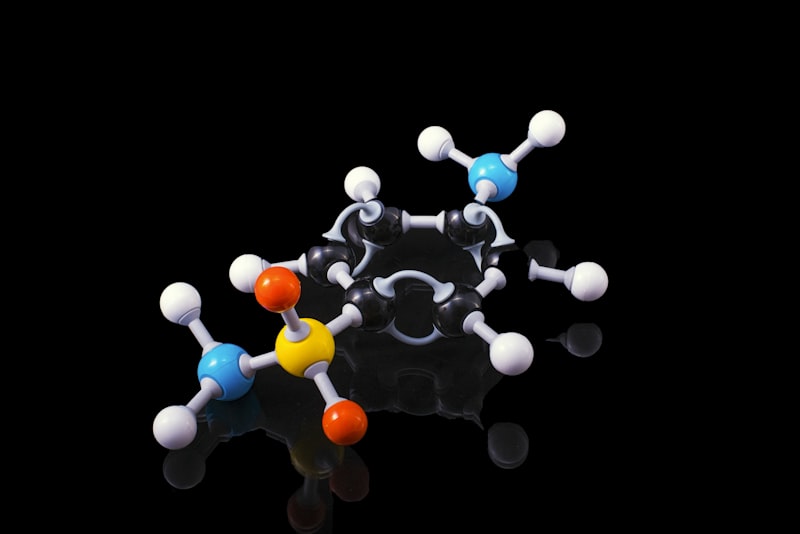
Etrafon is a historical and clinically significant trade name representing a fixed-dose combination medication utilized in the field of psychopharmacology. It is fundamentally defined by the co-formulation of two distinct classes of psychotropic agents: a tricyclic antidepressant (TCA) and a first-generation antipsychotic (FGA). This specific therapeutic pairing was developed to address complex psychiatric conditions characterized by overlapping depressive and psychotic or anxious symptomatology, providing a convenient and targeted approach to managing such mixed presentations. The rationale behind combining these agents rests on the premise that certain patient populations require simultaneous modulation of both mood-related neurotransmitter systems (such as norepinephrine and serotonin) and dopamine pathways, which are implicated in psychotic features. The development of Etrafon reflects an earlier era in psychopharmacological treatment, where broader-spectrum agents were frequently employed before the advent of highly selective serotonin reuptake inhibitors (SSRIs) and atypical antipsychotics.
The strategic combination inherent in Etrafon aims to leverage the therapeutic benefits of each component while potentially simplifying the dosing regimen for patients dealing with intricate diagnostic profiles. The antidepressant component, historically amitriptyline hydrochloride, functions primarily to elevate mood, reduce feelings of despair, and stabilize emotional volatility by inhibiting the reuptake of key monoamines in the central nervous system. Conversely, the antipsychotic component, typically perphenazine, is included to mitigate symptoms of psychosis, severe agitation, anxiety, or paranoia that may accompany or complicate the depressive state. This dual mechanism is crucial for patients who do not respond adequately to monotherapy with either an antidepressant or an antipsychotic alone, thus positioning Etrafon as a specialized tool for specific refractory or mixed affective disorders.
While the use of fixed-dose combinations like Etrafon has evolved significantly with the introduction of newer, often better-tolerated agents, understanding its composition and clinical niche remains vital for comprehensive knowledge of psychiatric history and treatment evolution. The formal designation of Etrafon underscores a critical phase in pharmacological development where the complexity of mental illness began to necessitate polypharmacy, even if administered via a single tablet. The careful balance between the potent anticholinergic and antihistaminic effects of the TCA and the strong D2 dopamine receptor antagonism of the antipsychotic dictates both its efficacy and its considerable side effect profile, requiring careful patient selection and monitoring by the prescribing clinician.
Pharmacological Components of ETRAFON
Etrafon’s therapeutic power derives from its two active pharmaceutical ingredients: amitriptyline, the tricyclic antidepressant, and perphenazine, the phenothiazine antipsychotic. Amitriptyline is classified as a tertiary amine TCA, renowned for its potent inhibitory effects on the reuptake of both norepinephrine and serotonin (5-HT) into the presynaptic terminals. This dual action increases the concentration of these neurotransmitters in the synaptic cleft, leading to enhanced neuronal signaling critical for mood regulation. Furthermore, amitriptyline exhibits significant affinity for muscarinic acetylcholine, histamine H1, and alpha-1 adrenergic receptors, contributing substantially to its well-known constellation of side effects, including sedation, dry mouth, and orthostatic hypotension.
Perphenazine, the antipsychotic element, belongs to the piperazine subgroup of phenothiazines, distinguishing it as a moderately potent conventional or typical antipsychotic. Its primary mechanism of action involves the antagonistic blockade of D2 dopamine receptors in various brain pathways, particularly the mesolimbic pathway, which is heavily implicated in the positive symptoms of psychosis, such as hallucinations and delusions. Compared to lower-potency phenothiazines like chlorpromazine, perphenazine tends to have a higher risk profile for extrapyramidal symptoms (EPS) but a lower risk of sedation and anticholinergic effects, although these risks are still substantial when compared to newer atypical agents. Its inclusion in Etrafon is specifically intended to manage the anxiety, agitation, or mild psychotic features that often co-exist with severe depression, providing a comprehensive symptomatic coverage.
The fixed ratio of these two components in Etrafon preparations was carefully determined to achieve a balance between antidepressant efficacy and antipsychotic effect, though this fixed nature also limits dosage flexibility. Clinicians utilizing Etrafon must therefore consider the individual patient’s sensitivity to both TCA-related side effects, particularly cardiovascular and anticholinergic burdens, and antipsychotic-related side effects, especially the risk of developing tardive dyskinesia or acute dystonic reactions associated with perphenazine. The interplay between the highly sedating nature of amitriptyline and the moderate sedation of perphenazine often results in profound central nervous system depression, which can be therapeutically useful for highly agitated patients but requires cautious monitoring in all others.
Synergistic Mechanism of Action
The clinical efficacy of Etrafon is rooted in the synergistic interaction between its antidepressant and antipsychotic constituents, addressing a spectrum of psychopathology that is typically recalcitrant to single-agent therapy. The simultaneous elevation of monoamine levels by amitriptyline provides the necessary biological substrate for mood improvement, while the D2 receptor blockade by perphenazine swiftly alleviates the distressing symptoms of anxiety, severe agitation, and any underlying psychotic features. This combined action is particularly effective in conditions like agitated depression, where the patient exhibits both profound sadness and heightened motor restlessness or anxiety, a state where prescribing a purely activating antidepressant might exacerbate the agitation without resolving the underlying mood disorder.
Crucially, the combination exploits complementary pharmacological profiles. The TCA component stabilizes mood over several weeks, a typical latency period for antidepressants, whereas the antipsychotic component offers more immediate relief from acute distress and anxiety, potentially improving patient compliance early in the treatment course. Furthermore, some research has posited that the D2 antagonism provided by perphenazine may mitigate the risk of antidepressant-induced mania or rapid cycling in susceptible individuals, although Etrafon is not primarily indicated for bipolar disorder. The simultaneous targeting of multiple neurotransmitter systems (dopamine, norepinephrine, serotonin, acetylcholine, and histamine) creates a broad neurochemical footprint, making Etrafon a powerful, albeit non-specific, intervention.
It is important to differentiate the concept of synergy in Etrafon from simple additive effects; the combination is designed to treat overlapping symptoms rather than two entirely separate diseases. The presence of perphenazine enhances the management of the secondary symptoms often accompanying major depression, such as somatic complaints, chronic pain, and insomnia, largely due to its potent sedative and anxiolytic properties. However, this broad pharmacological activity also necessitates a high degree of clinical vigilance, as the cumulative burden of anticholinergic activity and the risk of movement disorders are significantly amplified when both strong agents are administered simultaneously in a fixed formulation.
Clinical Indications and Historically Approved Usage
Etrafon was traditionally indicated for the treatment of patients suffering from moderate to severe depression, specifically when accompanied by significant anxiety, agitation, tension, or co-morbid psychotic features. The classic target population includes those with agitated depression, a subtype where excessive psychomotor activity masks or complicates the core depressive syndrome. This formulation was deemed advantageous because the antidepressant component addressed the core mood disorder, while the antipsychotic component managed the disruptive and potentially dangerous symptoms of severe anxiety and agitation, often eliminating the need for separate anxiolytic or sedative prescriptions.
Specific usage extended to depression complicated by mild psychosis, where the patient experienced fleeting delusions or paranoid ideations that were not severe enough to warrant high-dose antipsychotic monotherapy but required more than just an antidepressant. Furthermore, due to the profound sedative nature conferred by the high TCA activity and the perphenazine component, Etrafon was frequently utilized in clinical settings where pronounced insomnia or severe somatic complaints related to the depressive episode were present. Its effectiveness in these mixed states positioned it as a first-line combination therapy before the widespread availability of safer second-generation agents, which have largely supplanted its use in modern practice due to improved side effect profiles.
Despite its historical utility, current psychiatric guidelines often favor sequential monotherapy or flexible combinations rather than fixed-dose products like Etrafon, primarily due to concerns regarding dosage inflexibility. However, it remains documented for use in refractory cases where patients have failed multiple monotherapy trials or require the unique spectrum of neurotransmitter blockade offered by this specific pairing. Clinicians must meticulously confirm that the patient’s symptoms truly necessitate simultaneous exposure to both a TCA and a typical antipsychotic, ensuring that the substantial risks associated with this dual exposure are outweighed by the potential clinical benefit in highly treatment-resistant presentations.
Dosage, Administration, and Pharmacokinetics
Etrafon was manufactured in several fixed-ratio formulations, often designated by numerical suffixes (e.g., Etrafon 2-25, indicating 2mg of perphenazine and 25mg of amitriptyline), allowing for a modest degree of titration based on symptom severity and tolerance. A key characteristic of fixed-dose combination drugs is the inherent limitation in adjusting the dose of one component independently of the other. This inflexibility often presents a challenge; for instance, if a patient responds well to the antidepressant component but experiences severe extrapyramidal symptoms from the antipsychotic component, the clinician cannot reduce the perphenazine dose without also reducing the therapeutic dose of amitriptyline, potentially compromising the mood stabilization.
Administration typically involves splitting the total daily dose into multiple administrations, often three or four times per day, although the highly sedating nature often necessitated a larger portion of the dose being administered at bedtime to aid sleep and mitigate daytime drowsiness. Both components of Etrafon undergo extensive hepatic metabolism, primarily involving the cytochrome P450 enzyme system. Amitriptyline is metabolized into its active metabolite, nortriptyline, which itself is a potent TCA, further complicating pharmacokinetic monitoring. Perphenazine is also metabolized by CYP enzymes, and the co-administration of these two highly metabolized drugs increases the potential for drug-drug interactions with other medications that induce or inhibit the P450 system.
Due to the narrow therapeutic index and complexity of managing both TCA and FGA side effects, therapeutic drug monitoring (TDM) may be utilized, especially for the amitriptyline component, although routine TDM for perphenazine is less common. Monitoring plasma levels helps ensure efficacy while minimizing the risk of cardiotoxicity associated with high TCA concentrations. Prescribing clinicians must also consider the patient’s age and overall health status, as both the anticholinergic burden and the risk of orthostatic hypotension are significantly amplified in elderly populations, leading to increased risk of falls, delirium, and cognitive impairment when Etrafon is employed.
Potential Side Effects and Adverse Reactions
The side effect profile of Etrafon is comprehensive, representing the aggregation of risks inherent to both tricyclic antidepressants and typical antipsychotics. One of the most common and challenging categories of side effects stems from the powerful anticholinergic activity of amitriptyline, which includes symptoms such as dry mouth, blurred vision, urinary retention, constipation, and cognitive impairment, particularly in geriatric patients. These effects can significantly impact quality of life and compliance. Furthermore, the antihistaminic properties contribute to marked sedation and weight gain, requiring careful patient education regarding driving and operating heavy machinery.
From the perphenazine component, the primary concern involves extrapyramidal symptoms (EPS), which are movement disorders resulting from dopamine receptor blockade in the nigrostriatal pathway. These can manifest acutely as dystonia (involuntary muscle contractions), akathisia (inner restlessness), or parkinsonism (tremor, rigidity, bradykinesia). While generally dose-related and sometimes manageable with anticholinergic agents like benztropine, these reactions necessitate prompt clinical attention and often require dosage adjustment or discontinuation. The risk of EPS is a major limitation of using fixed combinations containing typical antipsychotics.
A more serious long-term risk associated with the perphenazine component is tardive dyskinesia (TD), a potentially irreversible movement disorder characterized by involuntary, repetitive movements, usually of the face, tongue, and limbs. The risk of TD increases with the duration of exposure and cumulative dose of typical antipsychotics. Because Etrafon combines this risk with the other side effects of a TCA, its long-term use requires rigorous, periodic monitoring using standardized rating scales, such as the Abnormal Involuntary Movement Scale (AIMS), to detect early signs of TD and prevent progression.
Finally, cardiovascular risks are paramount, primarily due to the TCA component. Amitriptyline can cause dose-dependent prolongation of the QT interval, leading to potentially fatal arrhythmias, particularly in overdose situations or in patients with pre-existing heart conditions. Orthostatic hypotension, caused by alpha-1 adrenergic blockade, is also a common and dangerous adverse effect, increasing the risk of falls, especially in the elderly. Therefore, baseline and periodic electrocardiogram (ECG) monitoring is strongly recommended for all patients initiating or maintained on Etrafon therapy, ensuring cardiovascular safety remains the priority throughout the treatment course.
Contraindications and Significant Drug Interactions
Etrafon possesses several critical contraindications that must be strictly observed due to the severe risks posed by the drug combination. Absolute contraindications include concomitant use with monoamine oxidase inhibitors (MAOIs), as the combination of potent monoamine reuptake inhibition (TCA) and MAO inhibition can precipitate a potentially lethal serotonin syndrome or hypertensive crisis. Furthermore, Etrafon is contraindicated during the acute recovery phase following a myocardial infarction (MI) due to the significant arrhythmogenic potential of tricyclic agents. Hypersensitivity to either perphenazine or amitriptyline, or any phenothiazine derivatives, also prohibits its use.
The complex metabolism of both active ingredients leads to a high propensity for clinically significant drug interactions. Medications that inhibit CYP450 enzymes, particularly CYP2D6 and CYP1A2, can dramatically increase plasma concentrations of both amitriptyline and perphenazine, elevating the risk of cardiotoxicity, anticholinergic effects, and EPS. Examples include certain SSRIs (e.g., fluoxetine, paroxetine), cimetidine, and some antifungals. Conversely, enzyme inducers (e.g., carbamazepine, phenobarbital) may decrease plasma levels, reducing efficacy and potentially leading to relapse of depressive or psychotic symptoms.
Caution is also mandatory when co-administering other central nervous system depressants, including alcohol, benzodiazepines, and narcotic pain medications, as the additive sedative effects of Etrafon can lead to profound respiratory depression and impairment of cognitive and motor function. Due to the high risk of anticholinergic toxicity, Etrafon should be avoided or used with extreme caution alongside other anticholinergic medications (e.g., diphenhydramine, certain anti-Parkinsonian agents), as this dramatically increases the risks of delirium, heat stroke, and urinary retention. Comprehensive medication reconciliation is mandatory prior to initiating Etrafon therapy to mitigate these potentially dangerous interactions.
Historical Context and Contemporary Status in Psychopharmacology
Etrafon emerged during a critical period in psychopharmacology, spanning the late 1960s and 1970s, when the initial generation of antidepressants (TCAs) and antipsychotics (FGAs) dominated the treatment landscape. Its introduction represented a clinical acknowledgment that many psychiatric presentations were complex and required a multimodal approach. In the absence of highly selective agents, fixed combinations offered a practical solution for patients with agitated depression who did not respond to single-agent treatments. The initial success cemented its role as a standard treatment option for certain refractory conditions for several decades.
However, the landscape began to shift dramatically in the 1980s and 1990s with the introduction of novel agents. The arrival of selective serotonin reuptake inhibitors (SSRIs) provided antidepressants with far superior tolerability and safety profiles, largely eliminating the critical risks of cardiotoxicity and severe anticholinergic burden associated with TCAs. Simultaneously, the development of atypical or second-generation antipsychotics (SGAs), such as risperidone and olanzapine, offered treatments for psychosis and agitation with a significantly reduced risk of EPS and tardive dyskinesia, making them generally preferred over typical agents like perphenazine.
Consequently, the use of Etrafon has declined substantially in mainstream clinical practice. Modern guidelines typically recommend using flexible monotherapy or combining an SGA with an SSRI/SNRI for mixed affective disorders, allowing for precise titration of each component based on patient response and side effect profile. Today, Etrafon is primarily considered a legacy drug, sometimes reserved for specific, historical cases where a patient has achieved stable, long-term remission on the medication, or in rare, highly specialized refractory cases where the unique profile of amitriptyline and perphenazine is specifically required and newer agents have failed. Its continued existence in pharmacological literature serves as a critical marker in the evolution from broad-spectrum, high-risk agents to more targeted, safer psychotropic medications.