Evoked Potentials: Decoding Your Brain’s Hidden Signals
Scientifically Reviewed · Dr. Marwa Abd-Alazim · September 23, 2026
Review Criteria & Clinical Standards
This content undergoes rigorous scientific peer-review and medical editorial standards at Arab Psychology Network to ensure clinical accuracy, validity, and compliance with evidence-based guidelines from leading psychological and healthcare authorities (APA / WHO).
Conceptual Foundation of Evoked Potential (EP)
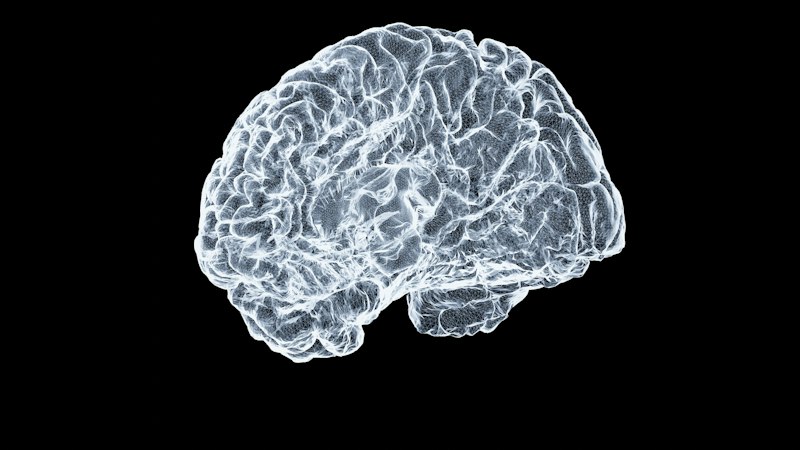
The field of neurophysiology identifies Evoked Potential (EP) as a sophisticated diagnostic modality designed to record and interpret the electrical responses of the central nervous system to external sensory stimulation. Unlike a standard electroencephalogram (EEG), which captures the continuous and spontaneous electrical rhythms of the brain, an EP test focuses specifically on the time-locked responses elicited by discrete stimuli. These responses are typically of a much lower voltage than the background electrical noise of the brain, requiring specialized equipment to isolate the signal from the surrounding cortical activity. By measuring the integrity and speed of nerve impulses as they travel along specific sensory pathways, clinicians can gain invaluable insights into the functional status of the brain and spinal cord.
At its core, the Evoked Potential technique serves as a functional window into the nervous system, allowing for the detection of subclinical lesions or abnormalities that might not be visible through traditional structural imaging like CT scans or MRIs. The primary objective is to measure the latency—the time elapsed between the delivery of the stimulus and the arrival of the signal in the brain—and the amplitude of the resulting wave. Disruption in these measurements often indicates underlying pathology, such as demyelination, axonal loss, or physical compression of the neural pathways. Consequently, EP testing remains a cornerstone in the diagnostic workup for a variety of complex neurological conditions, providing objective data that complements clinical observations.
The historical evolution of EP technology has transitioned from rudimentary oscilloscope observations to high-resolution digital processing. Modern EP systems utilize advanced computational algorithms to ensure that the data collected is both precise and reproducible. This precision is essential because the signals being measured are often less than a few microvolts in magnitude. By applying rigorous standards to the stimulation and recording processes, medical professionals can differentiate between normal physiological variations and genuine neurological deficits. This level of detail makes Evoked Potential an indispensable tool in both acute clinical settings and long-term monitoring of chronic neurological health.
In the broader context of psychology and neuroscience, EPs are categorized based on the sensory modality they stimulate. These include visual, auditory, and somatosensory pathways, each providing a unique map of the brain’s processing capabilities. The formal application of these tests allows for a comprehensive assessment of the sensory-to-cortical transmission, ensuring that every segment of the neural circuit is functioning within established parameters. As a noninvasive and relatively cost-effective procedure, the EP test continues to be a primary choice for neurologists seeking to confirm diagnoses of multiple sclerosis, epilepsy, and other sensory-related disorders.
The Electrophysiological Mechanisms of Signal Averaging
One of the most critical technical aspects of Evoked Potential testing is the process of signal averaging. Because the electrical activity generated by a single sensory stimulus is significantly smaller than the background “noise” of the brain’s ongoing electrical activity, it is nearly impossible to identify the specific response in a raw EEG trace. To overcome this, the EP procedure involves the delivery of the stimulus hundreds or even thousands of times in rapid succession. A computer then synchronizes these individual responses and averages them together. Since the background noise occurs randomly, it eventually cancels itself out, while the time-locked response to the stimulus remains constant and becomes clearly visible as a distinct waveform.
The resulting waveform consists of a series of peaks and troughs, which are labeled based on their polarity (positive or negative) and their expected latency in milliseconds. For instance, a peak labeled P100 refers to a positive wave occurring approximately 100 milliseconds after the stimulus. These components are analyzed for their morphology, consistency, and relationship to established normative data. If a peak is delayed or its amplitude is significantly diminished, it suggests that the electrical signal is encountering resistance or delay as it traverses the neural pathway. This mechanism allows for a highly granular analysis of the nervous system’s efficiency.
Furthermore, signal averaging requires a high degree of technical precision regarding electrode placement and impedance. If the electrodes are not properly secured or if there is excessive muscle tension in the patient, the signal-to-noise ratio decreases, making it difficult to obtain a clean average. Technicians must ensure that the environment is electrically shielded to prevent interference from external power sources. The sophistication of the electrophysiological equipment used today allows for real-time monitoring of the averaging process, enabling the clinician to stop once a stable and reproducible waveform has been achieved.
This reliance on mathematical averaging highlights the “evoked” nature of the test. Unlike resting-state assessments, the brain must be actively engaged by an external trigger to produce the data required for analysis. This distinguishes Evoked Potentials from other neurodiagnostic tests and underscores their utility in assessing the functional connectivity of the brain. By isolating the specific neural response to a controlled input, clinicians can pinpoint the exact location of a conduction block or delay, which is vital for accurate differential diagnosis in complex neurological cases.
Methodological Protocols and Electrode Configuration
The administration of an Evoked Potential test follows strict methodological protocols to ensure the validity of the results. The process begins with the preparation of the patient’s scalp, which involves cleaning specific areas to reduce skin resistance. Electrodes are then applied using a conductive paste or gel, following the International 10-20 system or other specialized configurations depending on the specific modality being tested. These electrodes act as sensors that detect the minute electrical shifts occurring beneath the skull in response to the stimuli provided during the session.
During the procedure, the patient is typically seated in a comfortable chair or lying down in a quiet, dimly lit room to minimize external distractions and muscle artifacts. The choice of stimulus is determined by the diagnostic goals:
- Visual stimuli: Usually involve a checkerboard pattern reversing on a screen or a series of light flashes.
- Auditory stimuli: Consist of repetitive clicks or tones delivered through specialized headphones.
- Somatosensory stimuli: Involve mild electrical pulses applied to peripheral nerves, such as the median nerve at the wrist or the posterior tibial nerve at the ankle.
These stimuli are carefully calibrated to be perceptible but not painful, ensuring patient comfort while maximizing the clarity of the neural response.
The placement of recording electrodes is strategic, often positioned over the primary sensory cortex corresponding to the stimulus. For example, in visual tests, electrodes are placed over the occipital lobe, whereas in somatosensory tests, they are placed over the parietal cortex and along the spinal column. Reference electrodes are also used to provide a baseline for the electrical measurements. The technician must constantly monitor the quality of the recording to ensure that the data is not being corrupted by eye blinks, swallowing, or other physiological movements that generate electrical interference.
Once the data collection is complete, the waveforms are analyzed by a neurologist or a specialized neurophysiologist. The analysis focuses on the interpeak latencies and the symmetry of the responses between the left and right sides of the body. Significant asymmetries or deviations from the norm are documented and correlated with the patient’s clinical history. This structured approach ensures that the EP findings are integrated into a broader diagnostic framework, providing a comprehensive view of the patient’s neurological health.
Visual Evoked Potentials (VEP) in Clinical Assessment
Visual Evoked Potentials (VEP) are perhaps the most frequently utilized form of EP testing, primarily due to their extreme sensitivity in detecting abnormalities within the optic nerves and the visual cortex. The test measures the time it takes for a visual stimulus to travel from the retina, through the optic chiasm, and into the occipital lobe of the brain. The most common stimulus used is the “pattern-shift” VEP, where the patient focuses on a central point on a screen while a black-and-white checkerboard pattern alternates. This method is highly effective because it stimulates a large number of retinal cells simultaneously, producing a robust and reliable waveform.
The primary clinical value of VEP lies in its ability to detect optic neuritis, an inflammation of the optic nerve that is often an early indicator of multiple sclerosis. Even if a patient has recovered their vision or currently reports no visual symptoms, a VEP test can reveal “silent” lesions that have caused a permanent delay in nerve conduction. A prolonged P100 latency is the hallmark finding in such cases, indicating that the myelin sheath—the protective coating of the nerve—has been damaged. This objective evidence is crucial for meeting the diagnostic criteria for multiple sclerosis, which requires proof of neurological dissemination in both time and space.
In addition to MS, VEP is used to evaluate patients with unexplained vision loss, tumors compressing the optic pathways, or trauma to the head. It is also an essential tool in pediatric neurology, as it can be used to assess the visual acuity of infants or non-verbal children who cannot participate in traditional eye exams. By observing the presence and quality of the VEP waveform, clinicians can determine if the basic visual pathways are intact and functioning correctly. This makes the VEP a versatile tool for both diagnostic and prognostic purposes across various age groups.
Furthermore, VEP can be used to monitor the progression of known neurological conditions or the effectiveness of treatments. For instance, if a patient is undergoing therapy for a brain tumor that affects the visual field, serial VEP tests can track whether the pressure on the optic pathway is being relieved. The high degree of sensitivity offered by Visual Evoked Potentials ensures that even minor changes in neural function are captured, allowing for proactive adjustments in patient management and care.
Brainstem Auditory Evoked Potentials (BAEP) and Sensory Integrity
Brainstem Auditory Evoked Potentials (BAEP), also known as Brainstem Auditory Evoked Responses (BAER), focus on the electrical activity generated by the auditory nerve and the brainstem in response to sound. During this test, the patient wears headphones that deliver a series of “clicks” or “bursts” of sound to one ear at a time, while “white noise” is played in the opposite ear to prevent cross-over stimulation. The resulting waveform typically displays five to seven distinct peaks, each corresponding to a specific anatomical location along the auditory pathway, from the acoustic nerve to the midbrain.
The clinical application of BAEP is extensive, particularly in the diagnosis of acoustic neuromas (vestibular schwannomas) and other tumors of the cerebellopontine angle. Because these tumors can compress the auditory nerve, they often cause a delay or a total loss of the later waves in the BAEP sequence. Additionally, BAEP is a vital tool for assessing brainstem function in patients who are comatose or suspected of being brain dead. Since the brainstem controls many of the body’s life-sustaining functions, the presence or absence of these auditory potentials provides critical prognostic information regarding the patient’s neurological status.
Another significant use of BAEP is in the screening of hearing in neonates and young children. Unlike traditional audiometry, which requires the subject to respond to sounds, BAEP is an objective measure that does not require the patient’s active participation. This allows for the early detection of sensorineural hearing loss, enabling timely intervention with hearing aids or cochlear implants. By identifying hearing deficits in the first few months of life, clinicians can mitigate the impact of hearing loss on language development and social integration.
BAEP is also utilized during neurosurgical procedures involving the posterior fossa or the brainstem. Intraoperative monitoring of auditory potentials allows surgeons to receive real-time feedback on the integrity of the auditory nerve and brainstem structures. If the waveforms begin to degrade during the surgery, the surgeon can adjust their technique to avoid permanent neurological damage. This application highlights the role of Evoked Potentials as a safeguard in high-stakes medical environments, ensuring the preservation of essential sensory functions.
Somatosensory Evoked Potentials (SSEP) and Peripheral Pathways
Somatosensory Evoked Potentials (SSEP) evaluate the conduction of electrical impulses from the peripheral nerves through the spinal cord and up to the somatosensory cortex. This is achieved by applying a small, repetitive electrical pulse to a nerve in the arm or leg. The pulses are typically strong enough to cause a slight twitch of the thumb or toe but are generally not described as painful. SSEP is particularly useful for assessing the integrity of the dorsal columns of the spinal cord, which are responsible for transmitting sensations of touch, vibration, and position sense.
The diagnostic utility of SSEP is broad, covering conditions such as spinal cord injury, cervical spondylosis, and peripheral neuropathies. In patients with spinal cord trauma, SSEP can help determine the extent of the injury and whether any pathways remain functional, which is vital for establishing a rehabilitation prognosis. Furthermore, SSEP is frequently used to diagnose brachial plexus injuries and other nerve entrapment syndromes where traditional nerve conduction studies might be inconclusive. By tracking the signal all the way to the cortex, SSEP provides a complete picture of the sensory system’s continuity.
One of the most critical applications of SSEP is in intraoperative neurophysiological monitoring (IONM). During complex spinal surgeries, such as those for scoliosis or spinal tumors, the surgical team uses SSEP to monitor the spinal cord’s health in real-time. If the electrical signals traveling from the legs to the brain are interrupted or delayed during the procedure, it serves as an immediate warning of potential spinal cord ischemia or mechanical injury. This allows the surgeon to take corrective action before the damage becomes irreversible, significantly reducing the risk of post-operative paralysis.
Moreover, SSEP is utilized in the evaluation of patients with suspected brain death or those in deep comas following cardiac arrest. The absence of cortical responses in the presence of preserved peripheral responses is a strong indicator of a poor neurological prognosis. Conversely, the presence of normal SSEP waveforms can be an encouraging sign of potential recovery. This objective data helps families and medical teams make informed decisions regarding the continuation of life-sustaining treatments, emphasizing the profound ethical and clinical implications of EP testing.
Diagnostic Utility in Neurological and Neoplastic Disorders
The application of Evoked Potentials extends to the diagnosis and management of various neoplastic and neurological disorders beyond the primary sensory pathways. For instance, in the case of epilepsy, EP testing can help identify areas of cortical irritability or abnormal processing that may contribute to seizure activity. While EEG remains the primary tool for epilepsy, EPs can provide supplementary information regarding the functional connectivity of the brain regions involved. This multi-modal approach ensures a more nuanced understanding of the patient’s condition.
In the realm of oncology, EPs are used to detect the impact of brain tumors on surrounding neural tissues. A tumor does not necessarily need to originate in a sensory pathway to affect an EP result; its proximity can cause edema, displacement, or compression that alters nerve conduction. By performing a battery of EP tests (VEP, BAEP, and SSEP), clinicians can map out the functional deficits caused by the tumor, which aids in surgical planning and the determination of radiation therapy targets. This functional mapping is essential for maximizing tumor resection while minimizing the risk of sensory loss.
EPs also play a role in the diagnosis of neurodegenerative diseases and metabolic disorders that affect the central nervous system. Conditions such as leukodystrophies, which involve the progressive breakdown of myelin, result in characteristic abnormalities across all EP modalities. Similarly, certain vitamin deficiencies (such as B12 deficiency) can cause subacute combined degeneration of the spinal cord, which is readily detectable via SSEP. The ability of EP testing to reveal systemic neurological involvement makes it a valuable asset in the diagnostic workup of complex multisystem diseases.
Finally, the formal use of EP in clinical trials and research cannot be overstated. Because EPs provide objective, quantifiable data, they are frequently used as biomarkers to measure the efficacy of new neuroprotective drugs or treatments for multiple sclerosis. Researchers can track changes in latency and amplitude over time to determine if a therapy is successfully promoting remyelination or preventing further axonal decay. This scientific rigor ensures that EP technology remains at the forefront of neurological innovation and patient care.
Limitations, Constraints, and Technical Challenges
Despite the significant diagnostic advantages of Evoked Potential testing, the technique is not without its limitations. One of the primary constraints is that EPs can only measure the brain’s electrical activity in response to a specific stimulus; they cannot provide information about the brain’s functioning during a resting state or during complex cognitive tasks. This means that while EPs are excellent for assessing sensory pathways, they may offer limited insight into higher-order functions such as memory, emotion, or executive processing. Consequently, they must be used as part of a broader diagnostic battery that includes clinical examination and other imaging studies.
Another significant challenge is the technique’s reliance on the accuracy of electrode placement and the quality of the interface between the electrode and the skin. High skin impedance can lead to noisy data, which may obscure the very waveforms the test is designed to detect. Furthermore, patient cooperation is often required, particularly for VEP testing where the patient must maintain focus on a stimulus. In patients with severe cognitive impairment, significant tremors, or those who are uncooperative, obtaining reliable EP data can be exceptionally difficult, if not impossible.
The interpretation of EP results also requires a high level of expertise, as many factors can influence the results. Age, body temperature, and even the use of certain medications can affect nerve conduction velocities and latencies. For example, a decrease in body temperature can naturally slow down nerve impulses, potentially leading to a false-positive result for a conduction delay. Clinicians must carefully account for these variables when interpreting the data to avoid misdiagnosis. This complexity necessitates that EP results be interpreted by specialized neurologists who are familiar with the various physiological and technical artifacts that can occur.
Lastly, while EPs are highly sensitive to disruptions in neural pathways, they are often non-specific regarding the underlying cause. A delayed VEP can tell a clinician that there is a conduction problem in the optic nerve, but it cannot definitively distinguish between multiple sclerosis, a nutritional deficiency, or a compressive tumor on its own. The test identifies the “where” and “how much” of the dysfunction, but the “what” must be determined through a synthesis of clinical history, laboratory tests, and structural imaging. Understanding these limitations is essential for the appropriate and effective use of EP technology in modern medicine.
Comparative Analysis with Contemporary Neuroimaging
When compared to structural imaging techniques such as Magnetic Resonance Imaging (MRI), Evoked Potentials offer a different but complementary perspective. While an MRI provides high-resolution images of the brain’s anatomy, it is essentially a “snapshot” in time that may not reflect the functional status of the nerves. For instance, an MRI might show a lesion in the spinal cord, but it cannot tell the clinician how much that lesion is actually interfering with the transmission of signals. EPs, on the other hand, provide a real-time measurement of physiological function, making them superior for assessing the actual impact of a lesion on the patient’s sensory capabilities.
In many cases, EPs can detect abnormalities before they become visible on an MRI. This is particularly true in the early stages of demyelinating diseases, where the functional slowing of nerve impulses (detected by EP) precedes the structural breakdown of tissue (detected by MRI). By utilizing both modalities, clinicians can achieve a more complete diagnostic picture. The MRI identifies the location and appearance of the pathology, while the Evoked Potential identifies the degree of functional impairment. This synergy is particularly useful in managing chronic conditions where monitoring both structure and function is necessary for optimal treatment.
Furthermore, EP testing is often more accessible and cost-effective than frequent MRI scans. For patients who have contraindications for MRI, such as those with certain metallic implants or pacemakers, EP testing remains a safe and viable alternative for monitoring neurological function. Additionally, the portable nature of many EP systems allows for bedside testing in intensive care units or during surgery, a feat that is not possible with traditional MRI or CT scanners. This flexibility makes EP an essential component of the neurodiagnostic toolkit in diverse clinical environments.
In conclusion, while the rise of advanced neuroimaging has changed the role of Evoked Potentials, it has not rendered them obsolete. Instead, EPs have become more specialized, focusing on functional integrity and real-time monitoring. The ability to quantify the speed and efficiency of the nervous system provides a unique set of data that structural imaging simply cannot replicate. As our understanding of the brain continues to evolve, the integration of functional measures like EP with structural measures like MRI will remain the gold standard for comprehensive neurological assessment.
References and Scholarly Documentation
The information presented in this overview is supported by established guidelines and research from leading neurological organizations. The American Academy of Neurology (2020) provides comprehensive clinical practice parameters for the use of evoked potentials in neurodiagnostic testing, emphasizing their role in the evaluation of multiple sclerosis and other central nervous system disorders. These guidelines serve as the standard for ensuring the accuracy and clinical relevance of EP testing in medical practice.
Additional scholarly insights are provided by Gomez and Basnyat (2014) in their detailed review of evoked potentials within the context of clinical neurology. Their work explores the physiological basis of these tests and their application in diagnosing a wide range of conditions, from peripheral neuropathies to brainstem lesions. This resource is particularly valuable for understanding the electrophysiological nuances of waveform analysis and the factors that can influence test results.
Furthermore, the U.S. National Library of Medicine (2020) through its MedlinePlus resource offers an accessible yet authoritative summary of the procedure, its uses, and what patients can expect during the testing process. This documentation reinforces the importance of EP as a noninvasive, safe, and effective tool for assessing the health of the sensory systems. Collectively, these references provide a robust foundation for the formal study and clinical application of Evoked Potential (EP) technology in contemporary medicine.
- American Academy of Neurology. (2020). Evoked Potentials. Retrieved from https://www.aan.com/guidelines/neurodiagnostic-testing/evoked-potentials/
- Gomez, C. R., & Basnyat, B. (2014). Evoked potentials. Clinics in neurology, 4(1), 59–71.
- U.S. National Library of Medicine. (2020). Evoked Potentials. Retrieved from https://medlineplus.gov/ency/article/003720.htm