Forensic Psychology: The Expert Witness Behind the Verdict
Scientifically Reviewed · Dr. Marwa Abd-Alazim · September 27, 2026
Review Criteria & Clinical Standards
This content undergoes rigorous scientific peer-review and medical editorial standards at Arab Psychology Network to ensure clinical accuracy, validity, and compliance with evidence-based guidelines from leading psychological and healthcare authorities (APA / WHO).
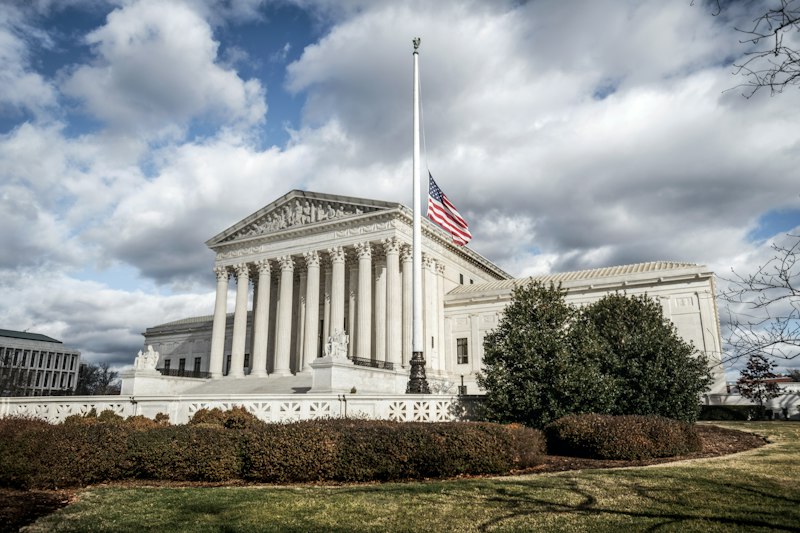
Conceptual Overview of the Expert Witness
The expert witness represents a fundamental pillar within the contemporary judicial landscape, serving as a bridge between specialized domains of knowledge and the trier of fact, whether that be a judge or a jury. Unlike a lay witness, who is restricted to testifying about firsthand observations and perceptions, an expert witness is permitted—and indeed expected—to offer opinion evidence based on their professional expertise. This unique role is predicated on the necessity of interpreting complex data that falls outside the common knowledge of the average citizen. By distilling intricate concepts into comprehensible testimony, the expert witness facilitates a more informed and equitable adjudication process, ensuring that technical nuances are not lost in the adversarial nature of litigation.
The designation of an individual as an expert is not merely a title but a functional status granted by the court. This status allows the witness to provide insights into the causation, methodology, and standard of care relevant to a specific case. In the context of a psychology encyclopedia, it is essential to recognize that expert witnesses often provide critical testimony regarding mental health, cognitive function, and behavioral patterns. Their contributions are vital in cases involving criminal responsibility, personal injury, and family law, where the inner workings of the human mind must be explained through the lens of psychological science and established clinical practice. Consequently, the expert witness acts as a pedagogical figure within the courtroom, teaching the jury how to weigh evidence that would otherwise remain opaque.
Furthermore, the presence of an expert witness is often the determining factor in the outcome of high-stakes litigation. Because they possess specialized knowledge, their testimony carries significant weight and can shift the narrative of a trial by providing a scientific or technical framework for the facts presented. This influence necessitates a high degree of professional integrity and a commitment to evidentiary reliability. As the legal system continues to encounter increasingly sophisticated technological and scientific issues, the reliance on these individuals has only grown, making the expert witness an indispensable component of modern jurisprudence. Their role is defined by a delicate balance between advocating for the truth of their findings and maintaining the impartiality required by the court.
Historical Development in the American Legal System
The utilization of expert witnesses in the United States has a storied history that traces its roots back to the late 19th century. During this era, the rapid pace of the Industrial Revolution and advancements in medical science began to present the courts with dilemmas that traditional testimony could not resolve. Jurists and legal scholars recognized that the average juror, while capable of judging the credibility of factual accounts, lacked the background to evaluate the mechanics of machinery or the intricacies of human physiology. As a result, the legal system evolved to permit the introduction of “skilled” witnesses who could assist the court in navigating these burgeoning complexities. This shift marked the beginning of a formal integration of science and law, a partnership that has defined the American evidentiary process for over a century.
In the early 20th century, the standards for admitting expert testimony were relatively loose, often relying on the discretion of the presiding judge. However, as the frequency of expert participation increased, the need for a standardized approach became evident. The 1923 landmark case of Frye v. United States established the “general acceptance” test, which required that any scientific technique or theory presented by an expert must be generally accepted within the relevant scientific community. This standard served as the primary gatekeeping mechanism for decades, ensuring that “junk science” was excluded from the courtroom. It was during this period that the American Bar Association and other legal entities began to codify the expectations for those providing specialized testimony, further legitimizing the role of the expert in the eyes of the public.
As the legal landscape continued to mature, the limitations of the Frye standard became a subject of debate, leading to the eventual adoption of more rigorous frameworks. The evolution of the expert witness role reflects a broader societal trend toward specialization and professionalization. By the mid-20th century, the courtrooms of America were no longer just venues for moral judgment but had become forums for scientific inquiry. The transition from the late 1800s to the present day illustrates a move toward transparency and methodological scrutiny, as the legal system sought to ensure that the probative value of expert testimony outweighed any potential for prejudice or confusion. Today, the expert witness stands as a testament to the law’s ability to adapt to the ever-changing boundaries of human knowledge.
The Legal Framework and Admissibility Standards
The admissibility of expert testimony is governed by a rigorous set of legal standards designed to ensure that only reliable and relevant information reaches the jury. In the United States federal system, and in many state jurisdictions, Rule 702 of the Federal Rules of Evidence serves as the primary guideline. This rule dictates that a witness who is qualified as an expert by knowledge, skill, experience, training, or education may testify in the form of an opinion if their scientific, technical, or other specialized knowledge will help the trier of fact to understand the evidence. The emphasis is placed on the helpfulness of the testimony, requiring that the expert’s insights are directly applicable to the specific issues at hand in the litigation.
A significant shift in the legal framework occurred with the 1993 Supreme Court decision in Daubert v. Merrell Dow Pharmaceuticals, Inc., which superseded the Frye standard in federal courts. The Daubert standard transformed the judge into a “gatekeeper” who must assess whether the reasoning or methodology underlying the testimony is scientifically valid. To assist judges in this assessment, the Court provided several non-exhaustive factors to consider:
- Whether the theory or technique can be (and has been) tested.
- Whether the theory or technique has been subjected to peer review and publication.
- The known or potential error rate of the method.
- The existence and maintenance of standards controlling the technique’s operation.
- Whether the theory or technique has reached general acceptance within the relevant scientific community.
These criteria ensure that the expert’s conclusions are grounded in the methods and procedures of science rather than subjective speculation.
Beyond the Daubert factors, the court also evaluates whether the expert has reliably applied the principles and methods to the facts of the case. This “fit” between the expert’s methodology and the specific circumstances of the litigation is crucial. If there is too great an analytical gap between the data and the opinion proffered, the testimony may be excluded. This legal framework is essential for maintaining the integrity of the judicial process, as it prevents the introduction of misleading or unverified claims. Consequently, the legal requirements for expert witnesses serve as a safeguard, ensuring that the adversarial system is supported by high-quality, evidence-based information that facilitates a fair trial.
Qualifications and Professional Credentials
To be recognized as an expert witness, an individual must demonstrate a level of proficiency that significantly exceeds that of the average layperson. This proficiency is typically established through a combination of formal education, professional certifications, and extensive practical experience. For instance, in the field of psychology, an expert witness might hold a doctoral degree (Ph.D. or Psy.D.) and possess a license to practice within their jurisdiction. However, credentials alone are not sufficient; the court also examines the witness’s specific background in relation to the subject matter of the case. A general practitioner in medicine may not be qualified to testify as an expert on neurosurgery, just as a developmental psychologist might not be the appropriate expert for a case involving criminal profiling.
The process of qualifying a witness, often referred to as voir dire, involves a preliminary examination of the individual’s background by both the proponent of the witness and the opposing counsel. During this phase, the expert’s curriculum vitae is scrutinized, and their prior experience as a witness may be discussed. The court looks for evidence of specialized training and contributions to the field, such as published research, teaching appointments, or leadership roles in professional organizations. This rigorous vetting process is intended to establish the witness’s credibility and to ensure that their testimony will be based on a foundation of recognized expertise rather than personal interest or unsubstantiated claims.
In addition to academic and professional achievements, the court considers the expert’s technical skill and familiarity with the industry standards relevant to the case. An expert witness must be able to demonstrate that they are current with the latest developments and literature in their field. This ongoing commitment to professional development is vital, as scientific and technical standards are constantly evolving. The American Bar Association emphasizes that the qualification of an expert is a matter of judicial discretion, meaning the judge has the final authority to determine if the witness possesses the requisite “knowledge, skill, experience, training, or education” to assist the jury effectively. This high bar for qualification ensures that the expert witness is a true authority in their respective domain.
The Procedural Role and Scope of Testimony
The primary role of the expert witness is to assist the trier of fact in understanding evidence or determining a fact in issue. This is achieved through the presentation of direct testimony, where the expert explains their findings, the methodologies employed, and the conclusions reached. Unlike other witnesses, experts can respond to hypothetical questions, allowing them to apply their specialized knowledge to various scenarios that may be relevant to the case. This ability to generalize and extrapolate from data is a powerful tool in the courtroom, as it helps the jury visualize how complex principles apply to the specific actions of the parties involved in the litigation.
The scope of an expert’s testimony is generally limited to their area of expertise. They are expected to provide objective analysis rather than advocacy. For example, a forensic accountant might testify about the flow of funds in a complex fraud scheme, while an engineering expert might explain the structural failures that led to a bridge collapse. In each instance, the expert’s duty is to the court, not necessarily to the party that retained them. Their testimony must be rooted in reliable data and accepted practices, providing a neutral perspective that helps the jury cut through the rhetoric of the trial. By maintaining this focus, the expert witness preserves the integrity of their professional discipline while serving the needs of the legal system.
Furthermore, the expert witness often plays a critical role during the discovery phase of a trial, long before they ever step into a courtroom. They may be tasked with reviewing thousands of pages of documents, conducting independent tests, or performing clinical evaluations. The results of these efforts are typically compiled into a formal expert report, which outlines their opinions and the basis for those opinions. This report is shared with the opposing side, allowing for transparency and the opportunity for rebuttal. The procedural role of the expert thus extends from the initial investigation through to the final verdict, making them a constant presence in the lifecycle of complex legal disputes.
Ethical Obligations and the Pursuit of Objectivity
Ethical conduct is the cornerstone of effective expert testimony. While an expert is often retained and compensated by one party, their primary ethical obligation is to remain impartial and objective. This can create a tension known as the “hired gun” phenomenon, where an expert may feel pressured to tailor their findings to support the position of the hiring attorney. To combat this, professional organizations and the courts emphasize that the expert’s role is to provide a truthful assessment of the facts, regardless of whether that assessment favors their client. A failure to maintain this objectivity not only undermines the expert’s credibility but can also lead to legal sanctions or professional disciplinary action.
Transparency is another critical ethical requirement. Experts must disclose any potential conflicts of interest, including financial ties to a party or personal biases that could influence their judgment. They are also required to be forthright about the limitations of their findings and the uncertainties inherent in their scientific or technical methods. In the field of psychology, for instance, an expert must be careful not to overstate the certainty of a diagnosis or the predictability of future behavior. By acknowledging the boundaries of their knowledge, the expert witness demonstrates a commitment to the scientific method and provides the jury with a more accurate picture of the evidence.
Moreover, the ethical expert witness must resist the temptation to testify outside their specific area of competence. It is their responsibility to inform the retaining counsel if a question falls beyond their professional scope. This self-regulation is essential for protecting the jury from misleading information. The American Bar Association and various psychological associations provide ethical guidelines that stress the importance of integrity, competence, and the avoidance of deceptive practices. When an expert witness adheres to these high ethical standards, they bolster the public’s confidence in the judicial system and ensure that justice is served based on reliable and honest professional insights.
Expert Witnesses within the Realm of Psychology
In the specialized field of psychology, expert witnesses play a pivotal role in translating the complexities of human cognition and emotion into the language of the law. Forensic psychologists are frequently called upon to conduct evaluations regarding a defendant’s competency to stand trial or their mental state at the time of an offense, commonly known as the insanity defense. These assessments require a deep understanding of both clinical psychology and the specific legal standards governing criminal responsibility. The psychologist must use standardized testing and clinical interviews to form an opinion that is both scientifically sound and legally relevant, often navigating the fine line between clinical diagnosis and legal definitions of “sanity.”
Psychological experts are also instrumental in civil litigation, particularly in cases involving personal injury, workplace harassment, or child custody disputes. In these contexts, the expert may testify about the psychological impact of trauma, the validity of memory, or the “best interests of the child” standard. Their testimony often involves explaining how external stressors or internal predispositions contribute to a person’s behavior or emotional well-being. By providing a scientific framework for understanding these issues, the psychological expert helps the court move beyond anecdotal evidence and toward a more objective evaluation of the psychological factors at play in a given case.
The role of the psychological expert witness also extends to the evaluation of witness reliability, such as the factors affecting eyewitness identification. Extensive psychological research has demonstrated that memory is malleable and subject to various biases, a fact that is often counterintuitive to jurors. An expert in this area can explain the impact of stress, weapon focus, and suggestive questioning on the accuracy of a witness’s recollection. This type of testimony is crucial for preventing wrongful convictions and ensuring that the jury understands the limitations of human perception. Thus, the integration of psychology into the courtroom through expert testimony represents a vital intersection of science and social justice.
Strategic Influence and Jury Perception
The influence of an expert witness on a jury cannot be overstated. Because they are presented as authorities with specialized knowledge, their words often carry a unique weight that can sway the deliberations of the trier of fact. Research in legal psychology suggests that jurors often look to experts for a “bottom-line” conclusion, especially when the factual evidence is contradictory or overwhelming. The credibility of the expert—determined by their demeanor, clarity of communication, and perceived objectivity—is often just as important as the substance of their testimony. A well-spoken expert who can explain complex ideas simply is far more likely to be persuasive than one who relies heavily on technical jargon.
However, this influence also carries risks. Jurors may sometimes defer too readily to an expert’s opinion, failing to critically evaluate the underlying data or the potential for bias. This is particularly true in cases involving novel scientific theories or high-profile litigation where the expert is a well-known figure. To mitigate this risk, the legal system relies on the adversarial process, allowing the opposing counsel to challenge the expert’s findings through cross-examination. The goal is to provide the jury with a balanced view, highlighting any methodological flaws or inconsistencies in the expert’s testimony. This dynamic ensures that while the expert provides guidance, the final decision-making power remains with the jury.
The “halo effect” is another psychological phenomenon that can impact jury perception, where an expert’s impressive credentials in one area lead jurors to believe they are equally authoritative in unrelated matters. Attorneys are keenly aware of these perceptions and often strategize to select experts who not only possess the necessary technical skills but also have a relatable and trustworthy presence. The interaction between the expert and the jury is a complex communicative event that involves the transmission of information, the establishment of trust, and the persuasive power of expertise. Understanding this relationship is key to appreciating the role of the expert witness in the modern trial process.
Challenges, Cross-Examination, and Impeachment
Despite their expertise, the testimony of an expert witness is frequently subject to intense scrutiny and challenge. Cross-examination is the primary tool used by opposing counsel to test the reliability and credibility of the expert. During this process, the attorney may attempt to highlight gaps in the expert’s knowledge, inconsistencies between their current testimony and prior statements, or potential sources of financial or professional bias. The goal of cross-examination is to “impeach” the witness, effectively casting doubt on their opinions so that the jury gives them less weight during deliberations. This adversarial testing is essential for exposing errors and ensuring that the expert’s conclusions can withstand rigorous questioning.
Common strategies for challenging an expert include questioning the validity of the data they relied upon or the appropriateness of the methodology they chose. For instance, if a psychological expert utilized a personality test that has not been validated for the specific population in question, the opposing counsel will bring this to the jury’s attention. Additionally, the expert may be challenged on their compensation, with the suggestion that they are merely a “hired gun” providing a favorable opinion for a fee. While being paid for one’s time is standard and ethical, the perception of being “bought” can be damaging to an expert’s reputation and the perceived validity of their scientific findings.
Another significant challenge involves the battle of the experts, where each side presents its own qualified professional to offer conflicting opinions on the same set of facts. This situation can be confusing for a jury, as they must decide which expert is more credible and which methodology is more sound. In such cases, the clarity and logical consistency of the expert’s explanation become paramount. The court may also appoint its own independent expert to provide a neutral perspective, though this is relatively rare. Ultimately, the challenges faced by expert witnesses underscore the importance of preparation, methodological rigor, and a steadfast commitment to the truth of their professional discipline.
Conclusion: The Integral Nature of Experts in Modern Jurisprudence
In conclusion, expert witnesses serve as an indispensable bridge between the specialized worlds of science, technology, and medicine and the structured environment of the American legal system. Their ability to interpret complex data and provide informed opinions is vital for the pursuit of justice in an increasingly sophisticated society. By adhering to strict legal standards and ethical guidelines, these individuals ensure that the trier of fact has access to the most reliable and relevant information possible. Whether they are testifying about the structural integrity of a building or the mental state of a defendant, their contributions are essential for a fair and accurate adjudication of the law.
The role of the expert witness is defined by a rigorous process of qualification, a commitment to methodological integrity, and the ethical obligation of objectivity. As we have seen, the history of expert testimony reflects a continuous effort to refine the standards of admissibility and to protect the courtroom from unreliable science. In the realm of psychology, the expert’s role is particularly nuanced, requiring a deep understanding of the human condition and the ability to communicate that understanding within a legal framework. Despite the challenges of cross-examination and the pressures of the adversarial system, the expert witness remains a cornerstone of modern litigation, providing the clarity and insight necessary for the jury to reach an informed verdict.
Looking forward, the importance of the expert witness will only continue to grow as new fields of knowledge emerge and existing ones become more complex. The ongoing dialogue between the scientific community and the legal profession is essential for maintaining the probative value of expert testimony. By ensuring that experts are well-qualified, their methods are sound, and their testimony is objective, the judicial system can continue to rely on these specialists to illuminate the truth. The expert witness, therefore, is not just a participant in the trial but a vital educator whose work supports the very foundations of justice and the rule of law.
References
- American Bar Association. (2017). Expert Witnesses. Retrieved from https://www.americanbar.org/groups/legal_aid_indigent_defendants/resources/legal_topics/expert_witnesses/
- Federal Rules of Evidence, Rule 702. Testimony by Expert Witnesses.
- Daubert v. Merrell Dow Pharmaceuticals, Inc., 509 U.S. 579 (1993).
- Frye v. United States, 293 F. 1013 (D.C. Cir. 1923).