Expressive Language: Master the Art of Authentic Speaking
Scientifically Reviewed · Dr. Marwa Abd-Alazim · October 14, 2026
Review Criteria & Clinical Standards
This content undergoes rigorous scientific peer-review and medical editorial standards at Arab Psychology Network to ensure clinical accuracy, validity, and compliance with evidence-based guidelines from leading psychological and healthcare authorities (APA / WHO).
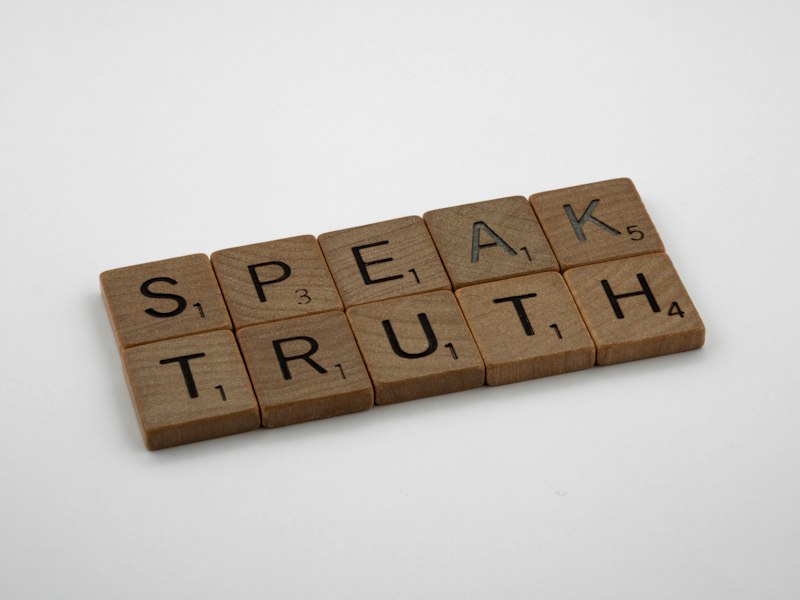
Expressive Language: A Critical Component of Communication
Expressive language is an important aspect of communication. It is the ability to express oneself through words or gestures. It is a form of communication that involves expressing feelings, ideas, and opinions. It encompasses a wide range of topics, ranging from everyday conversations to complex psychological issues.
The ability to express oneself is an essential part of being able to interact with others. It allows individuals to share ideas, feelings, and opinions. It also enables them to build relationships and gain insight into others’ thoughts and perspectives.
Expressive language can be divided into two categories: verbal and non-verbal. Verbal communication is the use of words or sentences to convey information. Non-verbal communication involves the use of body language, gestures, facial expressions, and eye contact to communicate.
Verbal language is the most common form of communication. It includes spoken language, written language, and sign language. Verbal language can be used to express a wide range of feelings, ideas, and opinions. It enables individuals to communicate effectively with one another and build relationships.
Non-verbal communication is just as important as verbal language. It is used to supplement verbal communication and can help convey emotions and feelings that may not be expressed in words. Non-verbal communication can include facial expressions, gestures, body language, and eye contact.
Expressive language is critical for effective communication. It enables individuals to share their thoughts and feelings with others and build relationships. It also allows individuals to gain insight into others’ perspectives.
Expressive language is also important for children’s development. It helps them learn to communicate and build relationships with others. It also assists in developing their ability to think abstractly, solve problems, and express themselves.
In conclusion, expressive language is an essential part of communication. It enables individuals to share their thoughts, feelings, and opinions with others. It also assists in the development of children by helping them to communicate and build relationships with others. Expressive language is a critical component of communication and should be encouraged in all individuals.
References
Chisholm, K. (2020). The Importance of Expressive Language. Accessed June 8, 2021, from https://www.verywellfamily.com/expressive-language-definition-2634046
American Speech-Language-Hearing Association. (2020). What is Expressive Language? Accessed June 8, 2021, from https://www.asha.org/public/speech/development/expressive-language/
Meyers, M. (2020). What is Expressive Language and How Does it Develop? Accessed June 8, 2021, from https://www.verywellfamily.com/expressive-language-development-2634029