Extended Kinship: Beyond the Nuclear Family Bond
Scientifically Reviewed · Dr. Marwa Abd-Alazim · September 27, 2026
Review Criteria & Clinical Standards
This content undergoes rigorous scientific peer-review and medical editorial standards at Arab Psychology Network to ensure clinical accuracy, validity, and compliance with evidence-based guidelines from leading psychological and healthcare authorities (APA / WHO).
Defining the Extended Family and Its Structural Components
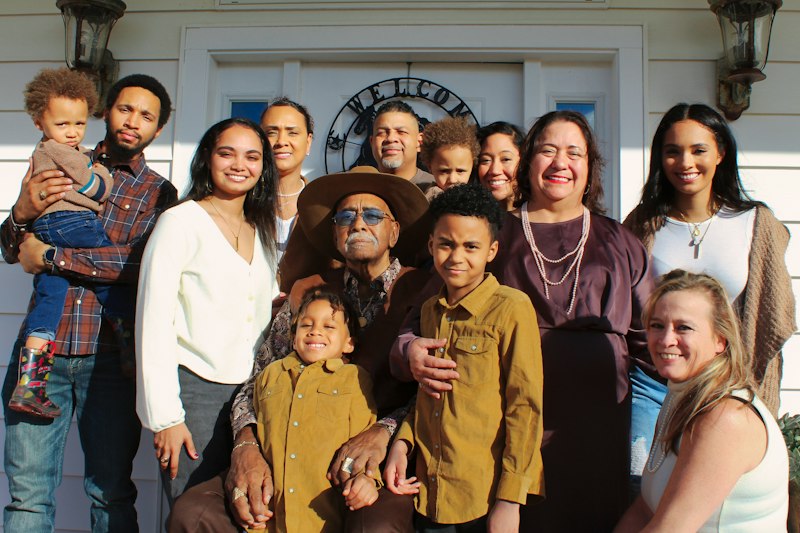
The extended family represents a complex social and biological construct that transcends the traditional nuclear unit consisting of parents and their immediate offspring. In psychological and sociological discourse, this term encompasses a broad network of relatives, including grandparents, aunts, uncles, cousins, and sometimes even close non-biological kin who function within a shared domestic or supportive framework. Unlike the nuclear family, which often emphasizes the autonomy of the individual couple and their children, the extended family prioritizes intergenerational continuity and the collective stability of the lineage. This structure is not merely a collection of individuals but a cohesive system defined by mutual obligations, shared histories, and a deeply ingrained sense of belonging that provides a foundational identity for its members.
Architecturally, the extended family can manifest in several ways, most notably through joint households or geographically proximate living arrangements. In many traditional societies, several generations reside under a single roof, sharing resources, labor, and domestic responsibilities. Even in contemporary Western societies, where neolocal residence—the practice of couples living apart from their parents—is the norm, the extended family remains a vital psychological entity. The strength of these ties is often measured by the frequency of interaction, the exchange of emotional support, and the adherence to kinship norms that dictate how members should care for one another during various life stages. This structural diversity allows the extended family to adapt to different economic and environmental pressures while maintaining its core function as a primary socialization agent.
From a systemic perspective, the extended family operates as an open system that constantly interacts with the broader social environment. The boundaries within this system can vary significantly; some families maintain rigid hierarchies based on age and gender, while others adopt more fluid, egalitarian structures. The multigenerational nature of the unit ensures that cultural values, religious beliefs, and family traditions are transmitted from elders to the youth, fostering a sense of historical permanence. By integrating multiple perspectives and life experiences, the extended family creates a rich tapestry of social capital that can be leveraged to navigate the complexities of modern life, providing a safety net that is often unavailable to isolated nuclear units.
The psychological significance of the extended family is rooted in its ability to provide relational security across the lifespan. For children, the presence of multiple adult figures offers various models for behavior and coping strategies, reducing the singular pressure on parents to be the sole providers of guidance. For the elderly, the extended family serves as a critical buffer against social isolation and cognitive decline, ensuring they remain integrated into the social fabric. This reciprocal arrangement reinforces the concept of filial piety and communal responsibility, which are essential for maintaining the emotional equilibrium of the collective unit. Consequently, the extended family remains a cornerstone of human social organization, evolving in form but remaining constant in its fundamental purpose.
The Historical Evolution and Cultural Variations of Kinship
Historically, the extended family was the dominant form of human organization for the majority of recorded history, particularly within agrarian societies. In these contexts, the survival of the group depended heavily on the availability of a large, coordinated labor force to manage land and livestock. The patrilineal or matrilineal systems of the past ensured that property and status remained within the family line, creating a powerful incentive for relatives to remain together. These historical roots established the extended family as an economic necessity, where the accumulation of wealth and the protection of resources were communal endeavors rather than individualistic pursuits. As societies transitioned from nomadic lifestyles to settled agriculture, the family unit solidified as the primary political and social building block.
Cultural variations in extended family structures highlight the diverse ways in which humans organize kinship. In many Eastern, African, and Latin American cultures, collectivism serves as the guiding philosophy, emphasizing the needs of the group over the desires of the individual. In these societies, the extended family is often the central axis of social life, with decisions regarding marriage, career, and finance being made through consultation with family elders. Conversely, in Western cultures influenced by the Industrial Revolution, there has been a notable shift toward the nuclear model. However, even within these individualistic societies, immigrant communities and specific ethnic groups often maintain robust extended networks, demonstrating the resilience of these structures in the face of modernizing forces.
The impact of colonialism and globalization has also significantly altered the landscape of the extended family. In many regions, the imposition of Western legal and economic systems fragmented traditional kinship networks, forcing a move toward smaller, more mobile units. Despite these pressures, many cultures have developed hybrid family models, where the emotional and financial ties of the extended family persist despite geographical dispersion. This phenomenon, often referred to as the transnational family, involves relatives living in different countries who maintain close bonds through remittances, frequent communication, and shared decision-making. This adaptability illustrates that the extended family is not a static relic of the past but a dynamic entity capable of evolving alongside global shifts.
Modern sociological research suggests that the “decline” of the extended family in the West may be overstated. Instead of disappearing, the extended family has transitioned into a modified extended family, characterized by independent households that remain deeply interconnected through technology and social support. This evolution reflects a shift from structural co-residence to functional solidarity. Key aspects of this modern variation include:
- Emotional proximity maintained through digital communication platforms.
- Financial transfers between generations, such as grandparents funding education.
- Crisis intervention, where the extended network mobilizes during illness or unemployment.
- Ritual participation, including large gatherings for holidays and life milestones.
Through these mechanisms, the extended family continues to exert a profound influence on individual development and societal stability across the globe.
Economic Interdependence and Resource Sharing
One of the most pragmatic functions of the extended family is the establishment of an internal economy based on reciprocity and resource pooling. In environments where formal social welfare systems are weak or non-existent, the extended family acts as a private insurance mechanism. Members contribute to a collective pool of resources—whether through direct financial contributions, shared housing, or the provision of labor—to ensure that no individual member falls into destitution. This economic interdependence is particularly visible in the way extended families manage large-scale expenses, such as the purchase of property, the funding of higher education, or the management of healthcare costs for the elderly. By distributing financial risk across a larger group, the family enhances the overall socioeconomic mobility of its members.
The division of labor within an extended family often provides significant advantages in terms of childcare and domestic management. With multiple adults available to share the responsibilities of raising children, the burden on primary caregivers is significantly reduced. This arrangement often allows both parents in a nuclear subunit to pursue employment or education, knowing that their children are being cared for by trusted relatives. Furthermore, the presence of older generations provides a source of unpaid labor that is culturally and emotionally enriched, as grandparents often take an active role in teaching language, customs, and moral values. This “grandparent effect” has been shown to improve the developmental outcomes for children while simultaneously providing the elders with a sense of purpose and social utility.
However, this economic model is not without its complexities, as it requires a high degree of altruism and trust. The management of shared resources can lead to tensions, especially if there is a perceived imbalance in contributions or if certain members are seen as “free-riders.” In many cases, the head of the family or a council of elders oversees the distribution of funds, which can lead to conflicts regarding individual autonomy and personal financial goals. Despite these potential pitfalls, the collective economic power of an extended family often allows its members to achieve a standard of living that would be impossible to maintain individually. This synergy is a testament to the efficiency of the extended family as an economic unit, capable of buffering its members against the volatility of the global market.
Psychosocial Benefits and Emotional Support Systems
The psychological landscape of the extended family is characterized by a deep-seated sense of security and a multifaceted support system that addresses the emotional needs of its members. Within this network, individuals have access to a variety of attachment figures beyond their biological parents, which can be particularly beneficial in cases where parental relationships are strained or dysfunctional. The availability of aunts, uncles, and cousins provides a diverse array of perspectives and temperaments, allowing family members to find confidants and mentors who resonate with their specific personalities. This emotional density fosters a sense of belonging that is crucial for the development of a healthy self-concept and resilient identity, particularly during the formative years of childhood and adolescence.
In times of crisis, such as bereavement, divorce, or major illness, the extended family functions as a resilience-building mechanism. The collective mourning and shared responsibilities inherent in these units help to distribute the emotional weight of trauma, preventing any single individual from becoming overwhelmed. This “buffer effect” is a key component of family stress theory, which posits that the resources available within a family system determine its ability to recover from adverse events. The presence of a robust extended network ensures that emotional support is consistently available, providing a stable foundation that encourages recovery and long-term psychological health. This communal approach to mental well-being reduces the reliance on external professional services and strengthens the internal bonds of the family.
Furthermore, the extended family plays a vital role in the socialization of its younger members, teaching them the nuances of social interaction, conflict resolution, and empathy. By interacting with relatives of different ages and social standings, children learn to navigate various social hierarchies and expectations. This exposure to a multigenerational environment encourages the development of social intelligence and cultural literacy. The stories shared by elders provide a sense of narrative identity, connecting the individual to a larger historical context. This connection to the past is a powerful psychological tool that provides meaning and direction, helping individuals to understand their place within the world and their responsibility to future generations.
Challenges, Conflict, and the Struggle for Autonomy
Despite the numerous advantages, the extended family environment can also be a source of significant stress and interpersonal conflict. The high level of interdependence that defines these units often necessitates a sacrifice of individual autonomy, which can lead to feelings of resentment or entrapment. Boundary ambiguity is a common issue, where the lines between the nuclear unit and the broader extended network become blurred, leading to interference in parenting, financial decisions, and marital relations. When elders or other influential relatives impose their wills on younger members, it can stifle personal growth and create a climate of coercive control. This tension between the need for collective cohesion and the desire for individual expression is a central theme in the study of family dynamics.
Conflict within the extended family often arises from intergenerational differences in values and lifestyle choices. As younger generations are exposed to different educational and social environments, they may adopt beliefs that clash with the traditional norms held by their elders. These “culture gaps” can lead to protracted disputes over issues such as religious practice, career paths, and choice of partner. In many cases, the pressure to conform to family expectations can lead to psychological distress, including anxiety and depression. The fear of ostracization or “bringing shame” to the family name can be a powerful deterrent against individualistic behavior, forcing members to lead double lives or suppress their true identities to maintain family harmony.
Effective conflict resolution within an extended family requires sophisticated communication skills and a willingness to negotiate. However, in many traditional structures, the hierarchy is so rigid that open dialogue is discouraged, and grievances are often addressed through passive-aggressive behavior or triangulation. Triangulation occurs when two family members involve a third party to reduce the tension between them, often leading to further complications and alliances that fragment the family unit. To maintain stability, extended families must develop healthy ways to manage disagreement, such as:
- Establishing clear boundaries between different households.
- Encouraging open communication and the expression of individual needs.
- Utilizing mediation by respected family members or external professionals.
- Promoting mutual respect for differing viewpoints across generations.
Without these mechanisms, the very closeness that provides support can become a source of dysfunction and emotional pain.
The Impact of Modernization and Urbanization
The transition from rural, agrarian lifestyles to urbanization and industrialization has profoundly reshaped the structure and function of the extended family. As individuals migrate to cities in search of employment and education, the physical proximity that once sustained the extended unit is often lost. This geographical dispersion creates challenges for maintaining traditional support systems, leading to a phenomenon known as “nuclearization,” where the small, mobile family unit becomes the primary focus. The fast-paced nature of urban life, coupled with the demands of modern careers, often leaves little time for the intensive social interactions that are necessary to sustain a robust extended network. Consequently, the role of the extended family in daily life has diminished in many metropolitan areas.
However, the rise of the digital age has introduced new ways for extended families to remain connected despite distance. Social media, video conferencing, and instant messaging have created a virtual proximity that allows for real-time interaction and emotional support. These technologies enable “digital kinwork,” where family members manage relationships, share updates, and participate in collective decision-making through online platforms. While these digital connections cannot fully replace the physical presence of relatives, they do mitigate the sense of isolation that often accompanies migration. The ability to maintain a psychological presence in each other’s lives has allowed the extended family to survive the pressures of modernization, albeit in a different form.
Modernization has also led to changes in the legal and social recognition of extended family ties. In many Western legal systems, the definition of “family” remains strictly nuclear, which can complicate matters related to inheritance, hospital visitation, and custody. As society becomes more fragmented, there is an increasing recognition of the need for policies that support the caregiving role of the extended family. For example, some jurisdictions have introduced laws that grant grandparents visitation rights or provide financial support for “kinship care,” where relatives take in children who cannot live with their parents. These policy shifts acknowledge that the extended family remains a vital component of the social safety net, even in highly individualized societies.
Clinical Perspectives and Family Therapy
In the field of clinical psychology, the extended family is viewed as a critical variable in understanding an individual’s mental health and relational patterns. Systemic family therapy emphasizes that an individual’s problems are often symptoms of larger family dynamics that span multiple generations. Therapists frequently use tools such as the genogram—a detailed family tree that maps out medical history, psychological patterns, and relational conflicts—to identify recurring themes within the extended network. By examining these transgenerational patterns, clinicians can help clients understand how the experiences of their ancestors, such as trauma, addiction, or unresolved grief, continue to influence their present behavior and emotional state.
Working with extended families in a therapeutic setting requires a high degree of cultural competence. Clinicians must be aware of the varying norms regarding authority, privacy, and loyalty that exist within different cultural groups. For instance, in a collectivist family, an individual’s attempt to set boundaries might be viewed as an act of betrayal rather than a healthy step toward autonomy. Therapists must navigate these cultural nuances carefully, working to strengthen the family system while also advocating for the individual’s well-being. The goal of such interventions is often to improve differentiation of self, a concept developed by Murray Bowen, which refers to an individual’s ability to maintain their own identity while remaining emotionally connected to the family group.
Furthermore, the extended family is often integrated into the treatment of severe mental illness or chronic health conditions. Psychoeducation for the entire family unit can improve treatment adherence and provide a more supportive environment for the patient. By involving aunts, uncles, and grandparents in the care plan, the burden on the primary caregiver is reduced, and the patient receives a broader range of emotional and practical support. This holistic approach recognizes that the individual does not exist in a vacuum and that the strength of the extended family can be a powerful catalyst for healing. As the field of psychology continues to evolve, the importance of the extended family as a source of both challenge and resilience remains a central focus of research and practice.
The Future of Extended Kinship in a Changing World
Looking forward, the extended family is likely to continue its trajectory of adaptation rather than disappearance. As global challenges such as climate change, economic instability, and aging populations intensify, the collective strength of the extended unit may become even more vital. We are already seeing a resurgence of multigenerational living in many Western countries, driven by the rising cost of housing and the need for dual-income households to find affordable childcare. This “return to the roots” suggests that the functional benefits of the extended family are being rediscovered by a new generation. The future will likely see a blend of traditional values and modern lifestyles, creating flexible family structures that prioritize both individual fulfillment and collective security.
The definition of the extended family is also expanding to include chosen family—networks of friends and non-relatives who provide the same level of support and commitment as biological kin. This is particularly prevalent within the LGBTQ+ community and other groups that may face rejection from their families of origin. These “fictive kin” relationships function identically to traditional extended families, offering emotional stability, shared resources, and a sense of belonging. As society becomes more inclusive, the psychological definition of “kinship” will likely continue to broaden, emphasizing the functional quality of relationships over mere biological connection. This shift reflects a deeper understanding of human social needs and the diverse ways in which they can be met.
In conclusion, the extended family remains a resilient and indispensable feature of human society. Its ability to provide economic support, emotional nurturance, and cultural continuity makes it a powerful force in shaping individual lives and societal structures. While it faces significant challenges from modernization and the inherent conflicts of group living, its capacity for evolution ensures its ongoing relevance. Whether through physical co-residence or digital connection, the extended family continues to offer a sense of identity and security in an increasingly complex world. Understanding its dynamics is essential for psychologists, sociologists, and policymakers as they work to support the well-being of individuals and communities in the twenty-first century.