Eyewitness Memory: Why Your Brain Can Deceive You
Scientifically Reviewed · Dr. Marwa Abd-Alazim · September 20, 2026
Review Criteria & Clinical Standards
This content undergoes rigorous scientific peer-review and medical editorial standards at Arab Psychology Network to ensure clinical accuracy, validity, and compliance with evidence-based guidelines from leading psychological and healthcare authorities (APA / WHO).
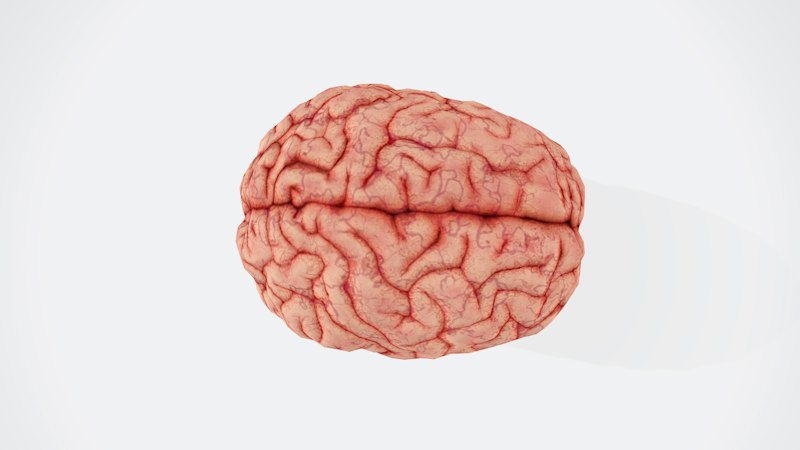
Eyewitness Testimony: Accuracy, Reliability, and Judicial Implications
Eyewitness testimony, the verbal or written account provided by an individual regarding an observed crime or event, has historically served as a cornerstone of evidence in criminal adjudication systems worldwide. For centuries, the jury’s reliance on the certainty and sincerity of a witness’s recollection has been paramount. However, modern psychological and legal research reveals a stark conflict: while testimony is frequently compelling and often necessary, human memory is inherently fallible and susceptible to distortion. This entry delves deeply into the complex interplay between the perceived accuracy and the demonstrated reliability of eyewitness accounts, exploring the underlying cognitive mechanisms, the variables that introduce error, and the critical implications for ensuring justice in the legal system.
The psychological investigation into eyewitness reliability gained critical momentum in the late 20th century, largely challenging the traditional legal view that memory functions like a perfect recording device. Instead, memory is understood to be a highly reconstructive process, meaning that recollections are actively rebuilt each time they are accessed, often incorporating new information or biases. This realization necessitates a careful examination of two crucial dimensions: the inherent **accuracy** of the initial perception and the procedural **reliability** of how that information is elicited and presented in court.
The continued reliance on eyewitness evidence, despite documented instances of wrongful conviction, underscores its persuasive power. A witness who confidently recounts the details of a traumatic event often holds immense sway over a jury. Therefore, understanding the myriad factors that can degrade the quality of this evidence—ranging from the conditions of the crime scene itself to the investigative techniques employed by law enforcement—is essential for maintaining the integrity of the judicial process.
The Historical Context and Legal Framework
Historically, eyewitness identification was often considered the most persuasive evidence available, frequently outweighing physical or circumstantial evidence. This judicial confidence stemmed from the deeply ingrained societal belief in the power of direct observation. Early legal systems operated under the assumption that barring obvious malice or mental impairment, a witness’s direct sensory experience of an event was largely truthful and resistant to significant alteration. This perspective, however, began to face serious academic scrutiny at the turn of the 20th century, championed by psychologists like Hugo Münsterberg, who argued that psychology must inform the courtroom about the inherent limitations of human perception and memory.
The legal framework currently governing eyewitness testimony struggles to reconcile this historical deference with modern psychological findings. Courts must balance the defendant’s right to a fair trial against the prosecution’s need to present relevant evidence. Key legal decisions often focus on the procedures surrounding the identification process, particularly line-ups and show-ups, rather than the inherent accuracy of the witness’s initial memory encoding. This focus on procedural fairness attempts to control for **System Variables**—factors controlled by the justice system—but often fails to adequately address **Estimator Variables**, which are inherent to the witness or the event itself.
The evolution of DNA testing has profoundly altered the perception of eyewitness evidence. Data compiled by organizations such as the Innocence Project demonstrate conclusively that mistaken eyewitness identification is the leading contributing factor in wrongful convictions overturned by post-conviction DNA analysis, accounting for a significant majority of these cases. This compelling empirical evidence has necessitated a shift in legal thinking, moving from assuming reliability to actively scrutinizing the conditions under which the testimony was obtained and the psychological factors affecting the witness.
Factors Affecting Eyewitness Accuracy: Estimator Variables
Estimator variables are those factors related to the witness or the crime event itself that cannot be controlled by the police or legal system. These variables directly impact the quality of memory encoding and storage and are fundamental determinants of the initial **accuracy** of the testimony. Understanding these intrinsic limitations is vital for evaluating the probative value of an account, regardless of the witness’s subjective confidence. These variables include the observer’s physical state, psychological state, and the environmental conditions during the incident.
One of the most heavily studied estimator variables is **stress** and arousal during the event. While moderate arousal can enhance attention and memory, high levels of stress, typical in violent crimes, have a profoundly negative effect on peripheral detail memory. The phenomenon known as **weapon focus** illustrates this principle: when a weapon is present, the witness’s attention is narrowly drawn to the threatening object, resulting in poor encoding of the perpetrator’s facial features or surrounding environmental context. Studies have found that high stress often leads to decreased memory accuracy and a corresponding increase in the rate of false identification, particularly in high-stakes situations where memory is most needed.
Other key estimator variables relate to the witness’s inherent characteristics and the circumstances of the viewing. These include the age of the witness, the duration of the exposure to the event, and the cross-race effect. Research consistently shows that both very young children and older adults exhibit reduced accuracy compared to young and middle-aged adults, though for different reasons (children due to suggestibility and limited cognitive schema; older adults due to natural cognitive decline and slower processing speeds). Furthermore, the **cross-race identification deficit** is a well-established finding where individuals are significantly less accurate in identifying faces from racial groups other than their own, a factor that introduces systemic bias into identification procedures.
Cognitive Mechanisms of Memory Failure
To appreciate why eyewitness memory is often flawed, it is necessary to examine the three fundamental stages of memory processing: encoding, storage, and retrieval. Errors can—and frequently do—occur at any one of these stages, undermining the integrity of the final testimony. A critical error at the encoding stage, for instance, cannot be rectified by perfect investigative procedures later on, highlighting the initial fragility of the evidence.
**Encoding failure** occurs when the information from the event is never properly registered into long-term memory. This often happens due to environmental constraints (poor lighting, rapid movement) or psychological factors (inattentional blindness, extreme stress). If a witness is distracted or fixated on a singular detail (like a weapon), the necessary visual data concerning the perpetrator’s face may simply not be processed adequately. Because memory is constructed from the encoded input, poor initial encoding limits the maximum possible accuracy of subsequent testimony, even if the witness is questioned immediately after the event.
The **storage stage** is where memory malleability becomes a significant issue. Unlike a perfect recording, memories stored in the brain are vulnerable to decay and alteration over time. The memory trace is not fixed; instead, it can be overwritten or contaminated by post-event information. This phenomenon is central to the concept of suggestibility. During the period between the event and the testimony, a witness may inadvertently incorporate details learned from media reports, conversations with co-witnesses, or subtle cues from investigators, integrating these external facts into their internal recollection, believing them to be original memories.
**Retrieval failure** addresses the challenges in accessing stored information. This stage is heavily influenced by the questioning techniques used by investigators. Furthermore, the relationship between a witness’s subjective **confidence** in their memory and the objective **accuracy** of that memory is notoriously weak, especially when confidence is measured at the time of trial rather than at the initial identification. A witness’s confidence can dramatically increase over time through repetition, positive reinforcement from law enforcement, or confirmation bias, even if the underlying memory remains inaccurate or was false from the start.
System Variables and Procedural Reliability
System variables are factors that are entirely within the control of the criminal justice system, primarily law enforcement and prosecutors, and relate directly to the **reliability** of the testimony gathering process. These variables include the manner in which suspects are interviewed, how identification procedures (line-ups) are conducted, and how information is elicited from the witness. These procedural factors have a profound impact on whether a genuine memory is correctly retrieved or whether a false identification is inadvertently manufactured.
The structure and administration of **lineup procedures** represent one of the most critical system variables. Historically, simultaneous lineups (where all suspects and fillers are viewed at once) encouraged witnesses to use a **relative judgment strategy**, meaning they chose the person who looked most like the perpetrator relative to the other members of the lineup, even if the actual perpetrator was not present. In contrast, sequential lineups (where suspects are viewed one at a time) promote an **absolute judgment strategy**, forcing the witness to compare each individual to their memory of the perpetrator, significantly reducing the rate of false identification when the suspect is absent.
Perhaps the most crucial procedural safeguard is the implementation of **double-blind administration**. This requires that the officer administering the lineup be unaware of which individual in the lineup is the actual suspect. If the administrator knows the identity of the suspect, they may inadvertently cue the witness through subtle verbal comments, body language, or non-verbal gestures—a potent form of unintentional suggestion. When coupled with clear instructions informing the witness that the perpetrator may or may not be present, double-blind testing dramatically enhances the reliability of the resulting identification.
The initial interview process is equally critical. Police questioning that relies on standard, repetitive interrogation methods often fails to retrieve the maximum amount of accurate detail. Psychologically informed methods, such as the **Cognitive Interview**, are designed to maximize memory retrieval by recreating the mental and environmental context of the event and encouraging the witness to report everything, regardless of perceived relevance. Conversely, the use of **leading questions** (questions that suggest a specific answer or detail) is highly detrimental, as they introduce external information that can quickly and irrevocably contaminate the witness’s memory trace.
The Challenge of Suggestibility and Memory Contamination
Suggestibility is the propensity for a person’s memory to be influenced, altered, or distorted by external post-event information. This is not necessarily intentional lying, but rather a genuine alteration of the memory itself, where the source of the information becomes confused. This profound malleability of human memory poses one of the greatest threats to the accuracy of eyewitness testimony.
A cornerstone of suggestibility research involves the **misinformation effect**, pioneered by Dr. Elizabeth Loftus. This effect demonstrates that if a witness is exposed to misleading information after the event—even subtly, such as the use of the word “smashed” versus “hit” when describing a car accident—their recollection of the original event will often change to incorporate the suggested detail. Over time, the witness loses the ability to distinguish between what they actually saw and what they were told, internalizing the misinformation as their true memory.
Another critical source of contamination is interaction among **co-witnesses**. If two or more people witness the same crime, they often discuss the event afterward. During these discussions, witnesses may unintentionally share details, leading to memory conformity where one witness adopts the (potentially inaccurate) recollection of another. This results in multiple witnesses sharing a synchronized but contaminated account. When these witnesses testify in court, their corroborating stories create a powerful, misleading impression of accuracy for the jury, despite the fact that the entire account may have originated from a single, flawed source.
Finally, contamination can occur through investigator bias, also known as **confirmation bias**. If investigators believe they have identified the correct suspect, their subsequent interactions with the witness may subtly reinforce that belief. This can take the form of encouraging feedback (“Good job, we thought it was him too”) after an identification, which artificially inflates the witness’s confidence, making their testimony far more compelling in court, even if the identification was tenuous or incorrect initially.
Implications for the Criminal Justice System and Reform
The documented inaccuracies and vulnerabilities inherent in eyewitness testimony carry severe implications for the criminal justice system. The most devastating consequence is the wrongful conviction of innocent individuals. The reliance on inaccurate or unreliable eyewitness testimony not only impacts the convicted person and their family but also leaves the actual perpetrator at large, posing a continued threat to public safety and eroding public trust in the justice system.
In response to overwhelming empirical evidence, various reforms have been proposed and implemented across jurisdictions to safeguard against the dangers of flawed eyewitness accounts. These reforms focus primarily on standardizing and improving system variables. Key recommendations include:
- Mandatory Double-Blind Administration: Ensuring that the person conducting the lineup does not know the identity of the suspect.
- Sequential Lineups: Replacing simultaneous lineups with sequential ones to encourage absolute rather than relative judgment.
- Recording of Procedures: Requiring the audio or video recording of all eyewitness identification procedures and initial witness interviews to ensure transparency and accountability.
- Confidence Statements: Documenting the witness’s level of confidence immediately following the initial identification, before any potentially reinforcing feedback is given.
Furthermore, the legal system has begun to evolve its approach to presenting this evidence in court. Many jurisdictions now allow for the use of **expert psychological testimony** to educate the jury about the factors affecting memory, such as the weapon focus effect or the poor correlation between confidence and accuracy. Judges are also increasingly required to provide specific, cautionary **jury instructions** detailing the potential frailties of eyewitness evidence, ensuring that jurors evaluate the testimony with informed skepticism rather than blind acceptance.
Conclusion
Eyewitness testimony remains a powerful and often necessary form of evidence in criminal trials. However, centuries of reliance have been tempered by decades of rigorous psychological research demonstrating that human memory is not a flawless recording device but a reconstructive process highly vulnerable to error, distortion, and external influence. Factors ranging from high levels of **stress** and the age of the witness (estimator variables) to poor lineup protocols and the use of **leading questions** (system variables) all contribute to the risk of false identification.
The profound implications of inaccurate testimony—chiefly the documented instances of wrongful convictions—mandate that the criminal justice system move beyond mere tradition and implement evidence-based reforms. By adopting scientifically supported procedures such as sequential, double-blind lineups and mandatory recording of interviews, the system can significantly enhance the **reliability** of eyewitness evidence. Ultimately, achieving justice requires a critical balance: utilizing the necessary input of eyewitness accounts while rigorously applying psychological science to ensure that testimony presented to a jury is as **accurate** and reliable as possible.
References
The following sources provide foundational research regarding the psychology and legal implications of eyewitness testimony:
- Gudjonsson, G. H. (1992). The psychology of interrogations and confessions. Chichester, England: Wiley.
- Gudjonsson, G. H. (2004). The psychology of interrogations and confessions: A handbook. Chichester, England: Wiley.
- Weisburd, D., Lum, C., & Petrosino, A. (2017). What Do We Know About Eyewitness Accuracy? Annual Review of Law and Social Science, 13, 143-164. doi:10.1146/annurev-lawsocsci-120716-043327