Nyctophobia: Unmasking Your Irrational Fear of the Dark
Scientifically Reviewed · Dr. Marwa Abd-Alazim · September 24, 2026
Review Criteria & Clinical Standards
This content undergoes rigorous scientific peer-review and medical editorial standards at Arab Psychology Network to ensure clinical accuracy, validity, and compliance with evidence-based guidelines from leading psychological and healthcare authorities (APA / WHO).
Conceptualizing Nyctophobia and its Etymological Foundations
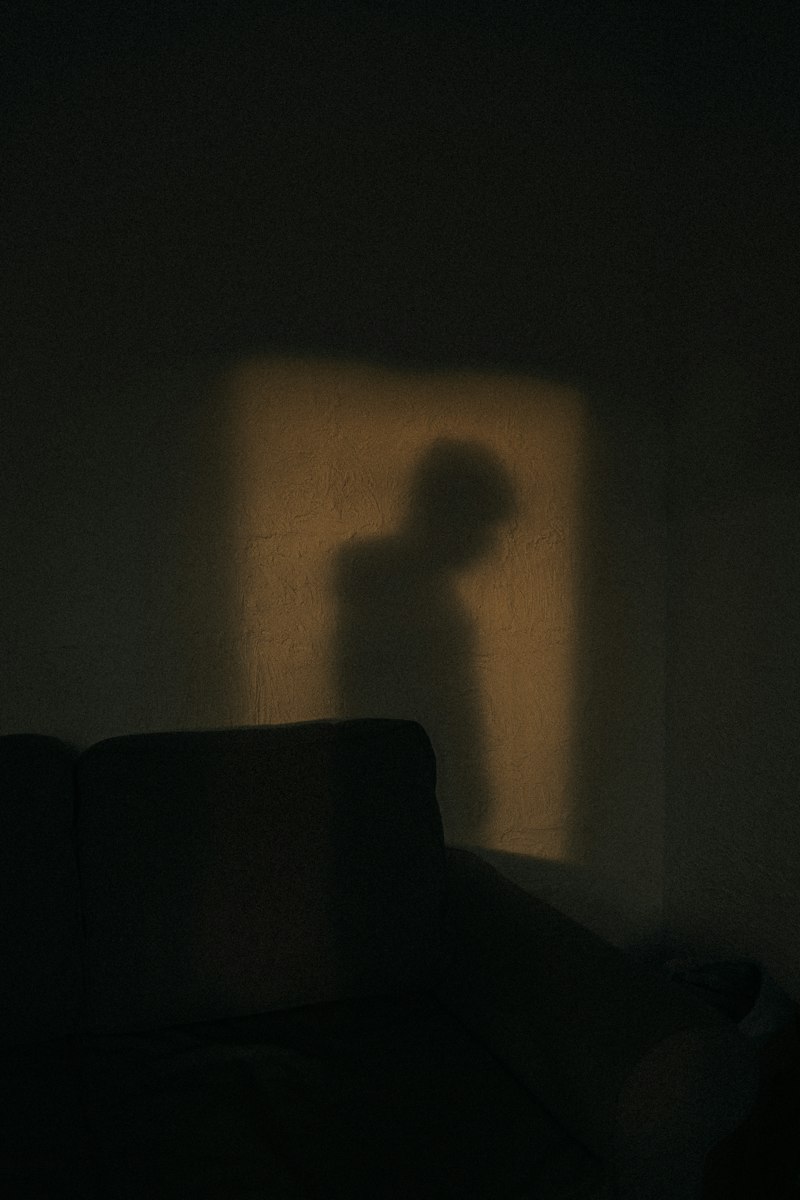
The fear of darkness, clinically referred to as nyctophobia, is a complex psychological condition characterized by an intense, disproportionate, and often irrational dread of nighttime or dark environments. The term itself is derived from the Greek words “nyx,” meaning night, and “phobos,” meaning fear. Unlike a mild apprehension that many individuals feel when visibility is reduced, nyctophobia involves a profound state of anxiety that can severely impair an individual’s ability to function in daily life. This condition is not merely a fear of the absence of light but is more accurately described as a fear of the unseen dangers that the darkness may conceal. In clinical psychology, it is categorized as a specific phobia, falling under the natural environment type, where the stimulus triggers a significant stress response.
Understanding the nuances of nyctophobia requires a distinction between developmental fears and pathological phobias. In early childhood, a fear of the dark is considered a normative stage of development, often peaking between the ages of three and six as the child’s imagination begins to flourish without the cognitive maturity to distinguish between fantasy and reality. However, when this fear persists into adolescence and adulthood, or when its intensity leads to avoidant behaviors that disrupt sleep, social engagement, or professional responsibilities, it transitions into a clinical concern. The persistence of scotophobia (another term for the fear of darkness) in adults is frequently linked to underlying anxiety disorders or unresolved traumatic experiences that occurred in low-light settings.
The psychological profile of an individual suffering from nyctophobia often involves hyper-vigilance and an overactive imagination. When visual input is restricted, the brain’s sensory processing centers may become over-sensitized, interpreting benign sounds or shadows as existential threats. This state of high arousal is often self-perpetuating; the more anxious the individual becomes, the more likely they are to perceive “threats” in their environment. Academic research into the fear of the unknown suggests that nyctophobia is one of the most fundamental human anxieties, as it taps into a primal vulnerability regarding the loss of one of our primary sensory modalities: sight.
Furthermore, the impact of nyctophobia extends beyond emotional distress, often manifesting in significant sleep disturbances and insomnia. Individuals may insist on keeping bright lights on throughout the night, which can interfere with the production of melatonin and disrupt the natural circadian rhythm. This lack of restorative sleep can lead to a secondary cycle of fatigue, irritability, and decreased cognitive performance during daylight hours. Therefore, addressing the fear of darkness is not only a matter of psychological comfort but is also essential for maintaining overall physiological health and systemic well-being.
Evolutionary Foundations and the Survival Value of Fear
From an evolutionary perspective, the fear of darkness is deeply rooted in the survival instincts of early hominids. Throughout the vast majority of human history, the absence of light represented a period of extreme vulnerability. Humans are primarily diurnal creatures, meaning our biological systems and sensory apparatus are optimized for functioning during daylight. Our ancestors lacked the nocturnal vision, acute hearing, or specialized olfactory senses possessed by many apex predators. Consequently, the night was a time when the risk of predation was significantly heightened, and those who harbored a natural caution or “fear” of the dark were more likely to survive and pass on their genetic material.
This evolutionary adaptation is often described through the lens of the savanna principle, which suggests that our brains are still wired to respond to threats that were prevalent in the ancestral environment. In the dark, the human brain must rely on predictive processing to navigate the world. When visual information is absent, the brain fills in the gaps with internal models of the environment. For an individual with nyctophobia, these internal models are often biased toward threat detection. This “better safe than sorry” biological mechanism ensured that early humans remained inside shelters or near fires, minimizing their exposure to the nocturnal predators that hunted in the shadows.
Modern nyctophobia can be viewed as an evolutionary mismatch, where an ancient survival mechanism becomes maladaptive in a contemporary context where physical threats in the dark are statistically minimal. Despite the safety of modern housing and urban lighting, the amygdala—the brain’s emotional processing center—can still trigger a full “fight-or-flight” response when a person enters a dark room. The brain’s inability to distinguish between a prehistoric jungle and a modern bedroom highlights the enduring power of these ancestral imprints. This perspective helps clinicians depathologize the fear to some extent, explaining to patients that their brains are essentially trying to protect them, albeit through an outdated and overactive alarm system.
Biological and Neurological Mechanisms of Fear
The neurological basis of nyctophobia involves a complex interplay between the prefrontal cortex and the limbic system. The amygdala plays a central role in the detection of threats and the initiation of the fear response. In a dark environment, the lack of visual stimuli reduces the inhibitory control that the prefrontal cortex typically exerts over the amygdala. Without visual confirmation that an environment is safe, the amygdala may become hyperactive, leading to the rapid release of stress hormones such as cortisol and adrenaline. This biochemical surge prepares the body for immediate action, even in the absence of a tangible threat.
Research using functional Magnetic Resonance Imaging (fMRI) has demonstrated that individuals with high levels of trait anxiety show increased amygdala activation when exposed to low-light conditions compared to those with lower anxiety. This suggests a biological predisposition toward nyctophobia in certain individuals. Additionally, the thalamus, which acts as a relay station for sensory information, may become hyper-sensitive in the dark. In the absence of sight, the thalamus may amplify auditory and tactile signals, causing the individual to experience “creaking” floors or “moving” shadows with heightened intensity, a phenomenon known as sensory magnification.
The role of neuroplasticity is also significant in the maintenance of nyctophobia. Each time an individual experiences a panic attack or severe anxiety in the dark, the neural pathways associated with that fear are strengthened. This process, known as long-term potentiation, makes the fear response more automatic and harder to extinguish over time. Understanding these biological underpinnings is crucial for developing effective treatments, such as pharmacotherapy or targeted behavioral interventions, which aim to “re-wire” these neural circuits by fostering a sense of safety and habituation in dark environments.
Symptomatology and Physiological Manifestations
The symptoms of nyctophobia are broad and can range from mild unease to full-scale panic attacks. When faced with darkness, an individual may experience a variety of physiological reactions that are characteristic of the body’s sympathetic nervous system activation. These symptoms often appear suddenly and can be overwhelming for the sufferer. Common physical manifestations include:
- Tachycardia: A rapid or irregular heartbeat as the body prepares for physical exertion.
- Dyspnea: Shortness of breath or a feeling of suffocation, often leading to hyperventilation.
- Diaphoresis: Excessive sweating, particularly on the palms and forehead, despite ambient temperature.
- Tremors: Involuntary shaking or shivering as muscles tense in anticipation of a threat.
- Gastrointestinal Distress: Nausea or “butterflies” in the stomach caused by the diversion of blood flow to the limbs.
Beyond the physical symptoms, the psychological and cognitive manifestations of nyctophobia are equally debilitating. Individuals often report catastrophic thinking, where they imagine the worst possible scenarios occurring in the dark. This may include fears of supernatural entities, intruders, or sudden medical emergencies where they cannot be found. The cognitive component often involves a loss of agency; the individual feels that they have lost control over their surroundings because they cannot see them. This sense of helplessness is a core driver of the anxiety, leading to a desperate need for “safety signals” such as flashlights, nightlights, or the presence of another person.
Behaviorally, nyctophobia manifests through avoidance strategies and safety-seeking behaviors. A person might refuse to go outside at night, avoid rooms with poor lighting, or experience significant distress if a lightbulb burns out. In severe cases, the individual may become confined to specific “safe zones” within their home. These behaviors, while providing temporary relief from anxiety, actually serve to reinforce the phobia by preventing the individual from learning that the darkness is not inherently dangerous. The anticipatory anxiety—the fear of the fear itself—can often be as distressing as the actual experience of being in the dark.
Developmental Stages and Childhood Prevalence
The fear of darkness is one of the most common fears reported in childhood, typically emerging as the child transitions from infancy to toddlerhood. During this period, children begin to develop a sense of object permanence and a vivid imagination, but they still lack the sophisticated logic required to dismiss irrational thoughts. For a young child, the dark transforms familiar objects into unrecognizable shapes; a coat rack may become a monster, or a shadow may become a predatory animal. This stage is a critical period for the development of emotional regulation skills, as children learn to soothe themselves and distinguish between internal fears and external realities.
Parental response plays a pivotal role in whether a childhood fear of the dark resolves naturally or develops into a long-term phobia. Overprotective parenting or dismissing the child’s fear as “silly” can both be counterproductive. Instead, experts recommend a balanced approach that validates the child’s feelings while gently encouraging gradual exposure. Providing a small nightlight or allowing the child to keep the door slightly ajar can offer the necessary “scaffolding” for them to feel safe. As the child matures, their cognitive development usually allows them to understand that the physical properties of a room do not change simply because the lights are extinguished.
When nyctophobia persists into adolescence, it often takes on a different character, frequently becoming intertwined with social anxiety or fears of personal safety. Adolescents may feel embarrassed by their fear, leading them to hide it from peers and parents, which can result in increased isolation and stress. In many cases, adult nyctophobia is a continuation of these unresolved childhood fears, often triggered or exacerbated by later life stressors. Understanding the developmental trajectory of the fear is essential for clinicians to determine if the phobia is a regression, a continuation, or a new onset related to trauma.
Diagnostic Criteria and Clinical Evaluation
To be formally diagnosed with nyctophobia under the DSM-5 (Diagnostic and Statistical Manual of Mental Disorders), an individual must meet several specific criteria for a Specific Phobia. The clinical assessment begins with identifying a persistent and excessive fear that is triggered by the presence or anticipation of darkness. The fear must be recognized by the individual (if an adult) as being out of proportion to the actual danger posed. Furthermore, the exposure to darkness must almost invariably provoke an immediate anxiety response, which may take the form of a situationally bound panic attack.
A crucial component of the diagnosis is the duration and impact of the symptoms. The fear must typically last for six months or longer and must cause significant distress or impairment in social, occupational, or other important areas of functioning. During a clinical evaluation, a psychologist or psychiatrist will conduct a thorough diagnostic interview, often using standardized scales such as the Fear Survey Schedule (FSS) to quantify the severity of the phobia. They will also look for avoidance behaviors, such as the person going to great lengths to ensure they are never in the dark, which serves as a primary indicator of the phobia’s severity.
Differential diagnosis is an essential part of the evaluation process. The clinician must rule out other disorders that may present with a fear of the dark. For example, Separation Anxiety Disorder may cause a child to fear the dark because it represents being alone, rather than a fear of the darkness itself. Similarly, Post-Traumatic Stress Disorder (PTSD) may involve a fear of the dark if a traumatic event occurred at night. By distinguishing nyctophobia from these other conditions, the clinician can tailor the treatment plan to address the specific root causes of the patient’s distress, ensuring a more effective therapeutic outcome.
Therapeutic Interventions and Behavioral Strategies
The most effective treatment for nyctophobia is Cognitive Behavioral Therapy (CBT), particularly a technique known as Exposure Therapy. This process involves the systematic and gradual exposure of the individual to the feared stimulus—darkness—in a controlled and safe environment. The goal is to facilitate extinction learning, where the brain learns that the darkness does not result in the feared negative consequences. Exposure typically follows a “fear hierarchy,” beginning with less intimidating tasks, such as sitting in a dimly lit room, and progressing to more challenging tasks, such as staying in complete darkness for extended periods.
In addition to behavioral exposure, cognitive restructuring is used to challenge and modify the irrational beliefs associated with the dark. Patients are taught to identify their automatic negative thoughts (e.g., “There is someone in the corner of the room”) and replace them with more evidence-based, rational thoughts (e.g., “I am in a locked, secure house, and the shadow is just my chair”). This helps to reduce the cognitive load of the fear and empowers the individual to manage their emotional response. Mindfulness-based stress reduction (MBSR) techniques, such as deep breathing and progressive muscle relaxation, are also integrated to help the patient manage the physiological symptoms of anxiety during exposure sessions.
Recent advancements in technology have introduced Virtual Reality Exposure Therapy (VRET) as a powerful tool for treating nyctophobia. VRET allows patients to experience dark environments in a virtual space while under the supervision of a therapist. This can be particularly useful for individuals who find in-vivo (real-life) exposure too overwhelming at the start. By simulating nighttime scenarios, patients can practice their coping strategies in a variety of settings. The following list outlines the typical stages of a comprehensive treatment plan for nyctophobia:
- Psychoeducation: Learning about the nature of phobias and the “fight-or-flight” response.
- Skill Acquisition: Mastering relaxation and grounding techniques.
- Hierarchy Construction: Identifying specific dark-related triggers and ranking them by intensity.
- Systematic Desensitization: Gradual exposure combined with relaxation skills.
- Relapse Prevention: Developing strategies to maintain progress and handle future stressors.
Societal Perceptions and Cultural Symbolism of Darkness
The fear of darkness is not only a biological and psychological phenomenon but is also heavily influenced by cultural and societal narratives. Throughout history, darkness has been used as a potent symbol for the unknown, evil, and death. In literature, mythology, and folklore, the night is often portrayed as the domain of monsters, ghosts, and malevolent spirits. These cultural tropes are reinforced from a young age through fairy tales and media, embedding a sense of “ontological insecurity” regarding the dark in the collective consciousness. When the culture at large treats the dark as a space of danger, it validates and exacerbates the individual’s internal phobia.
Modern media, particularly the horror film genre, plays a significant role in perpetuating nyctophobia. Horror cinema frequently utilizes “jump scares” that occur in the dark and employs low-key lighting to create tension and dread. These visual storytelling techniques exploit the brain’s natural tendency toward hyper-vigilance in low-light settings. For an individual already predisposed to nyctophobia, viewing such content can act as a form of “vicarious conditioning,” where they learn to associate darkness with extreme terror and physical harm, even if they have never experienced such threats personally.
Conversely, some cultures have a more harmonious relationship with the dark, viewing it as a time for rest, reflection, and intimacy. In urban environments, the phenomenon of “light pollution” has largely eliminated true darkness, which some psychologists argue has made humans less accustomed to it and therefore more fearful when they do encounter it. The reclamation of the night through “dark sky” movements and nocturnal nature walks can serve as a societal-level intervention, helping to reframe the darkness as a natural and essential part of the ecological and human experience rather than something to be feared and avoided.
Prognosis, Comorbidity, and Long-Term Management
The long-term prognosis for individuals with nyctophobia is generally excellent, especially when evidence-based interventions are sought early. Most individuals who undergo a full course of CBT and exposure therapy report a significant reduction in symptoms and a greatly improved quality of life. However, if left untreated, nyctophobia can become a chronic condition that contributes to the development of other mental health issues. There is a high rate of comorbidity between nyctophobia and other anxiety disorders, such as Generalized Anxiety Disorder (GAD) and Panic Disorder, as well as mood disorders like Depression.
One of the most critical areas of long-term management involves the improvement of sleep hygiene. Because nyctophobia often leads to the use of artificial lights at night, patients must be educated on the importance of darkness for the circadian rhythm. Gradually transition from bright lights to dim, warm-toned lights, and eventually to total darkness, is a common goal in the later stages of therapy. Managing the fear often leads to a “virtuous cycle” where better sleep leads to better emotional regulation, which in turn makes the individual more resilient to anxiety triggers.
Finally, maintenance of progress requires ongoing self-monitoring and the occasional use of “booster sessions” with a therapist. Life transitions, such as moving to a new house or experiencing a period of high stress, can sometimes cause a temporary return of phobic symptoms. By recognizing these early warning signs and reapplying their cognitive and behavioral tools, individuals can prevent a full relapse. The journey from debilitating fear to a peaceful acceptance of the dark is a testament to the plasticity of the human brain and the efficacy of modern psychological science in overcoming primal anxieties.