The Lateral Hypothalamus: How Your Brain Controls Hunger
Scientifically Reviewed · Dr. Marwa Abd-Alazim · September 3, 2026
Review Criteria & Clinical Standards
This content undergoes rigorous scientific peer-review and medical editorial standards at Arab Psychology Network to ensure clinical accuracy, validity, and compliance with evidence-based guidelines from leading psychological and healthcare authorities (APA / WHO).
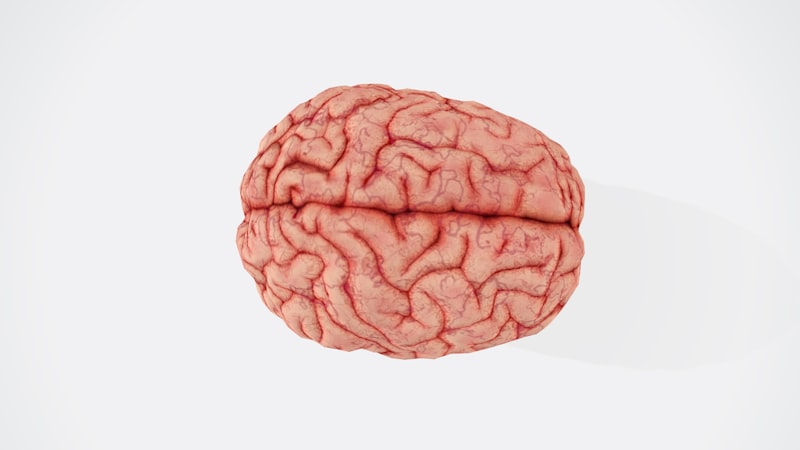
The term Feeding Center refers historically to a specific, critical region within the lateral hypothalamus (LH) of the brain responsible for the initiation and maintenance of eating behavior. Often interchangeably termed the hunger center, this area performs the essential function of monitoring the body’s energy status and translating deficits into the motivation to seek and consume food. Stimulation of the LH invariably results in a rapid onset of feeding, even in satiated animals, while destruction or lesioning of this region leads to aphagia—a profound refusal to eat—and resulting severe weight loss, demonstrating its indispensable role in the complex physiological regulation of energy intake. This concept was fundamental to early neurobiological models of appetite control, establishing a localized anatomical correlate for the powerful, primary drive of hunger that is necessary for survival, bridging the gap between peripheral metabolic signals and central behavioral execution.
The significance of the Feeding Center lies in its dual capacity to integrate both visceral and environmental signals; it receives information regarding nutrient availability, circulating hormone levels related to satiety or depletion, and sensory cues from the environment that might predict the availability of palatable food sources. By synthesizing these diverse inputs, the lateral hypothalamus acts as a master switch, compelling the organism to initiate the complex sequence of behaviors associated with foraging, preparation, and ingestion. While subsequent research has refined this understanding, shifting the focus from a single, discrete anatomical center to a distributed neural network, the LH remains recognized as the principal executive nucleus for promoting positive energy balance and driving consummatory behavior, forming the cornerstone upon which modern neuroendocrinology of appetite is built.
The functional identification of the Feeding Center provided the first concrete neuroanatomical framework for understanding eating disorders and obesity, suggesting that dysregulation within this specific hypothalamic circuitry could underlie pathological shifts in body weight set points. Its function is not merely mechanical but highly adaptive, ensuring that feeding occurs strategically and robustly enough to maintain metabolic equilibrium across varying environmental conditions. Understanding the precise molecular and cellular mechanisms within the LH—including the activity of key neurochemical systems such as the orexin and melanin-concentrating hormone (MCH) neurons—is central to developing targeted therapeutic strategies aimed at modulating appetite and treating metabolic diseases, validating its designation as the crucial center governing the drive to eat.
Historical Context and the Dual Center Hypothesis
The concept of the Feeding Center emerged prominently in the mid-20th century, catalyzed by pioneering lesion studies that sought to localize the biological controls of appetite within the central nervous system. Before this period, hunger was largely considered a generalized physiological state; however, the experiments conducted by researchers like Anand and Brobeck in the early 1950s provided compelling evidence for discrete anatomical control. These studies demonstrated that bilateral electrolytic destruction of the lateral hypothalamus in rats resulted in a complete cessation of eating (aphagia) and drinking (adipsia), leading to starvation unless force-fed, starkly contrasting with the immediate and profound overeating (hyperphagia) observed when the adjacent ventromedial hypothalamus (VMH) was lesioned. This stark behavioral dichotomy gave rise to the influential Dual Center Hypothesis of appetite regulation.
According to the Dual Center Hypothesis, the lateral hypothalamus was formally designated as the primary Feeding Center, acting as the initiator and promoter of food intake, while the ventromedial hypothalamus was identified as the Satiety Center, responsible for terminating feeding behavior when energy reserves were sufficient. This elegant, reciprocal model posited a dynamic equilibrium: hunger signals activated the LH, driving feeding, which was then suppressed by the VMH once satiation was achieved. This framework provided a powerful explanatory model for weight regulation and motivated decades of subsequent research into hypothalamic function. Although later neuroscientific advances revealed that appetite control involves far more complex and diffuse networks encompassing the arcuate nucleus, brainstem nuclei, and cortical regions, the conceptual distinction between the LH’s orexigenic (appetite-stimulating) function and the VMH’s anorexigenic (appetite-suppressing) function remains foundational.
The functional naming of the LH as the Feeding Center reflects its potent ability to override existing satiety signals when stimulated, suggesting it holds a dominant role in initiating the search for food, particularly during periods of metabolic stress or depletion. The initial lesion studies, while crude by modern standards, successfully pinpointed the anatomical region where converging signals of energy depletion—such as decreased glucose utilization or falling levels of adiposity hormones—are ultimately integrated into a behavioral imperative. The longevity of the term, despite the eventual complexity revealed by molecular neuroscience, underscores the dramatic and undeniable behavioral consequence produced by modulating this specific hypothalamic area, cementing its historical importance in the field of physiological psychology.
Anatomy and Key Neural Pathways
The lateral hypothalamus is not a single homogenous structure but rather a diffuse collection of interspersed nuclei and fiber bundles situated lateral to the fornix and medial to the internal capsule. It serves as a vital thoroughfare for numerous ascending and descending pathways, making it a crucial interface between the forebrain and the brainstem, thereby integrating motivational, visceral, and autonomic functions. Anatomically, the LH is distinguished by the presence of two highly significant populations of peptide-producing neurons that are central to its orexigenic function: the orexin (hypocretin) neurons and the melanin-concentrating hormone (MCH) neurons. These cell groups are key components of the Feeding Center, projecting widely throughout the central nervous system to regulate arousal, motivation, and energy expenditure alongside food intake.
The orexin system, in particular, is intrinsically linked to the function of the Feeding Center, playing a pivotal role in linking metabolic status to behavioral arousal and reward seeking. Orexin neurons, which are highly active during fasting and hypoglycemia, project to critical areas controlling wakefulness (e.g., tuberomammillary nucleus, locus coeruleus) and reward processing (e.g., ventral tegmental area, nucleus accumbens). This extensive connectivity ensures that hunger not only initiates feeding but also increases vigilance and motivated exploratory behavior necessary for locating food sources. Thus, the LH acts not just to trigger the act of eating, but to increase the general motivational state necessary for procuring resources, illustrating its deeply interwoven relationship with the overall survival mechanisms of the organism.
Furthermore, the LH receives powerful afferent input from the Arcuate Nucleus (ARC), a primary sensory region of the hypothalamus that monitors peripheral hormonal signals. The ARC sends orexigenic signals—primarily through projections containing Neuropeptide Y (NPY) and Agouti-related peptide (AgRP)—directly to the LH. These signals are activated when energy reserves are low (e.g., high ghrelin, low leptin) and serve to stimulate the LH’s intrinsic feeding mechanisms. Conversely, the LH sends efferent signals to brainstem nuclei such as the nucleus of the solitary tract (NTS) and the parabrachial nucleus (PBN), which are essential for coordinating the mechanical aspects of ingestion, salivation, and gastrointestinal motility, thereby completing the loop required for successful feeding behavior.
Neurochemical Drivers of Feeding Initiation
The driving force behind the Feeding Center’s activity is its responsiveness to a specific cocktail of neuropeptides and hormones that signal acute energy deficit. The primary peripheral signal activating the LH is the hormone ghrelin, often called the “hunger hormone,” which is secreted predominantly by the stomach when it is empty. Ghrelin acts directly on receptors expressed by NPY/AgRP neurons in the Arcuate Nucleus, which in turn strongly stimulate the LH, thus providing a rapid, powerful signal that initiates pre-meal hunger and motivates immediate food consumption. The LH integrates this peripheral signal with central neuropeptide activity to create the subjective experience of hunger and the objective behavior of feeding.
Central to the LH’s intrinsic mechanism are the aforementioned orexin and MCH systems. Orexin-A and Orexin-B (Hypocretin-1 and Hypocretin-2) are potent orexigenic peptides. Their release within the LH and their subsequent projection throughout the brain not only drive feeding but also modulate the hedonic value and reward associated with food. This dual function—homeostatic regulation coupled with reward enhancement—ensures that the organism is highly motivated to consume energy-rich resources, especially following deprivation. The MCH system works synergistically with orexin, particularly in promoting long-term feeding and coordinating the metabolic shift toward energy storage, reflecting the LH’s overall function in managing long-term energy balance.
In contrast to the anorexigenic signals transmitted by the Satiety Center, the neurochemical milieu of the Feeding Center is characterized by peptides that actively inhibit catabolism and promote anabolism. For instance, the NPY/AgRP projections arriving from the ARC provide a powerful inhibitory brake on the anorexigenic melanocortin system (a key component of the satiety pathway), simultaneously disinhibiting feeding behavior. The coordinated action of ghrelin, orexin, MCH, NPY, and AgRP establishes the LH as the definitive site where the body’s need for calories is translated into an urgent, complex, and highly motivated behavioral response, ensuring caloric intake when energy supplies are scarce.
The Role in Homeostasis and Energy Balance
The function of the Feeding Center extends far beyond simply initiating the search for food; it is a key regulator in the overall maintenance of energy homeostasis, ensuring that body weight and fat mass remain within a relatively stable physiological range (the “set point”). The LH continuously modulates its activity based on circulating levels of long-term satiety hormones, such as leptin (released by adipose tissue) and insulin (released by the pancreas). When leptin levels drop—signaling reduced fat stores—the inhibitory influence on the LH is lifted, allowing the orexigenic pathways to become dominant and driving up food intake until the set point is restored. This responsiveness to long-term signals is critical for preventing chronic starvation or excessive weight loss.
Furthermore, the LH plays a crucial role in coordinating energy expenditure alongside energy intake. Orexin neurons projecting to the brainstem and spinal cord influence autonomic functions, including metabolism, body temperature, and physical activity. When the organism is in a state of positive energy balance, the activity of the Feeding Center is dampened, leading not only to decreased food seeking but also to increased energy expenditure and thermogenesis. Conversely, during periods of caloric restriction, the LH’s high activity promotes energy conservation behaviors and reduces metabolic rate, demonstrating its central control over both sides of the energy balance equation, aiming always to defend the genetically predetermined body weight set point.
The integration of the Feeding Center with the reward pathways further solidifies its homeostatic significance, ensuring that feeding behavior is not merely driven by necessity but is also highly reinforcing. When metabolic needs are high, the LH enhances the perceived pleasure and reward associated with food consumption, making highly palatable, energy-dense foods particularly attractive. This hedonic overlay guarantees that the organism will prioritize feeding behavior over competing activities, securing the necessary caloric input for survival. Thus, the LH acts as a sensitive physiological thermostat, continuously adjusting both motivational drive and metabolic output to achieve optimal energy stability.
Integration with the Satiety Center (VMH)
The classical understanding of appetite control rests heavily on the functional opposition between the Feeding Center (LH) and the Satiety Center, historically localized in the Ventromedial Hypothalamus (VMH). The relationship between these two centers is classically described as one of reciprocal inhibition: when the LH is highly active, the VMH is suppressed, and vice versa. This antagonistic interplay ensures smooth transitions between hunger and satiety, preventing the organism from simultaneously seeking and rejecting food.
The VMH, when stimulated, produces immediate cessation of feeding (satiety), and lesions to the VMH cause profound hyperphagia (overeating) and obesity, indicating its role in monitoring and signaling sufficient energy intake. The primary neurochemical drivers of satiety, such as the neuropeptide α-Melanocyte Stimulating Hormone (α-MSH), which acts via MC4 receptors, are highly active in VMH circuits and exert powerful inhibitory control over the orexigenic output of the LH. This feedback loop is essential: as food is consumed, stretch receptors in the stomach and nutrient sensors in the intestine release signals (e.g., CCK, PYY) that activate the VMH, which in turn suppresses the activity of the LH, effectively turning off the hunger drive.
However, modern neuroscience recognizes that this interaction is modulated by complex neuronal circuits extending beyond the immediate hypothalamic boundary. The interaction is perhaps best viewed as two specialized arms of the larger hypothalamic energy sensor: the LH specializes in driving appetitive behavior and increasing motivation, while the VMH specializes in detecting and acting upon caloric sufficiency and promoting termination. The balance between the LH’s orexin/MCH output and the VMH’s α-MSH output is the fundamental mechanism determining whether the organism enters a state of energy seeking or a state of energy storage, highlighting their indispensable, coordinated roles in managing the body’s entire feeding cycle.
Modern Perspectives and Functional Network
While the designation of the LH as the Feeding Center retains significant didactic value, the current neuroscientific consensus views appetite control not as the function of a single “center,” but rather as the product of a highly distributed and interconnected neural network. The term Functional Network better describes the complex interplay of the hypothalamus, brainstem, and limbic structures that collectively govern energy intake. The LH is now recognized as a critical node within this broader circuit, acting primarily as the final common pathway for integrating diverse orexigenic signals before translating them into behavioral output.
The modern view emphasizes the central role of the Arcuate Nucleus (ARC), which sits adjacent to the third ventricle and serves as the primary sensor for peripheral metabolic hormones due to its position outside the strict blood-brain barrier. The ARC contains both the NPY/AgRP neurons (which stimulate feeding via the LH) and the POMC/CART neurons (which inhibit feeding via the VMH). Therefore, the ARC acts as the critical switch that modulates the activity of both the classical Feeding and Satiety Centers based on immediate and long-term metabolic input, challenging the idea that the LH is the sole initiator of hunger signals.
Consequently, the LH’s role is refined: it functions less as an autonomous center that generates hunger and more as the efferent integrator that translates ARC-driven signals into specific, motivated behaviors—including foraging, increased arousal, and the physical act of eating. This network perspective allows for a nuanced understanding of how emotional states, stress, and hedonic factors—mediated by cortical and limbic inputs to the LH—can influence feeding behavior independently of strict homeostatic need, explaining phenomena such as stress-induced or pleasure-driven overeating that are not adequately accounted for by the simplistic dual-center model.
Clinical Implications and Related Disorders
Dysfunction within the neural pathways that define the Feeding Center has profound clinical relevance, contributing to a spectrum of metabolic and eating disorders, including both obesity and anorexia nervosa. Pathological overactivity or hypersensitivity of the LH pathways can lead to chronic hyperphagia and weight gain. In certain forms of obesity, there may be a failure of the anorexigenic signals (like leptin or insulin) to adequately suppress the orexigenic drive inherent in the LH, leading to a state of functional leptin resistance where the body perpetually seeks food despite adequate or excessive fat stores.
Conversely, severe underactivity or damage to the LH pathways results in life-threatening aphagia and adipsia, mirroring the results of the early lesion studies. Certain rare genetic syndromes, such as Prader-Willi Syndrome, involve hypothalamic dysfunction that results in abnormally elevated ghrelin levels and a chronic, insatiable hunger, indicating a severe, pathological overstimulation of the Feeding Center pathways. Understanding the molecular lesions within these specific LH circuits is paramount for developing effective pharmacological interventions targeting appetite.
Pharmacological agents designed to treat obesity often target the key signaling pathways that converge upon or originate from the LH. For example, drugs that act as agonists for the MC4 receptor effectively mimic the satiety signals that inhibit the LH, thereby reducing food intake. Conversely, treatments for cachexia or severe appetite loss might focus on stimulating orexin or NPY/AgRP activity. The Feeding Center, therefore, remains a crucial therapeutic target; by precisely modulating the excitability of its constituent neurons, clinicians aim to restore the critical balance between energy intake and expenditure, thereby correcting pathological weight dysregulation.