Somatic Psychology: Rewire Your Brain Through Movement
Scientifically Reviewed · Dr. Marwa Abd-Alazim · August 31, 2026
Review Criteria & Clinical Standards
This content undergoes rigorous scientific peer-review and medical editorial standards at Arab Psychology Network to ensure clinical accuracy, validity, and compliance with evidence-based guidelines from leading psychological and healthcare authorities (APA / WHO).
Defining the Feldenkrais Method
The Feldenkrais Method, formally recognized as a comprehensive system of somatic education, constitutes a sophisticated approach that harnesses the process of body movements meticulously designed to enhance psychological functioning and overall human potential. Developed by Dr. Moshé Feldenkrais, this methodology operates on the fundamental principle that the quality of movement directly reflects and influences the organization of the nervous system and, consequently, the clarity and flexibility of thought and action. Unlike conventional physical therapy or exercise regimens that often focus solely on muscle strength or flexibility, the Feldenkrais Method directs attention toward the *how* of movement—the efficiency, coordination, and underlying neurological organization. This emphasis establishes it firmly within the realm of applied psychology, particularly concerning embodiment and self-image refinement. The core objective is not merely to alleviate physical symptoms, but to teach the individual how to learn better, thereby achieving more effective and comfortable ways of moving and interacting with the world.
The method is invariably interpreted and applied by certified practitioners who guide students through specialized learning processes. While the specific movements or lessons may vary immensely, the practice always centers upon the dynamic and inseparable interaction between detailed bodily movements and acute psychological awareness. This means that every physical exploration serves as a feedback mechanism, prompting the student to notice subtle differences in effort, balance, and posture. By introducing variability and novelty into habitual movement patterns, the method challenges the nervous system to discard inefficient, often painful, automatic responses that have been encoded over a lifetime. This process of re-education leads directly to improved self-organization. Furthermore, the slow, non-strenuous nature of the movements ensures that the learning takes place without invoking the “fight or flight” stress response, allowing the brain to integrate new information effectively and without resistance, fostering profound and lasting change in both physical comfort and psychological resilience.
A key distinguishing feature of the Feldenkrais Method is its profound commitment to the concept of self-discovery. It is fundamentally an educational strategy rather than a therapeutic intervention, positing that all individuals possess the inherent capacity to improve their functioning once they become aware of their current limitations and the possibilities for change. The physical explorations are structured to illuminate the student’s unconscious habits, revealing areas of unnecessary muscular effort or restricted movement that may be contributing to chronic pain or anxiety. By reducing effort and seeking the path of least resistance in movement, individuals inadvertently learn to apply this principle of efficiency to their cognitive and emotional lives. This continuous loop of sensing, moving, and reflecting is the engine that drives enhanced psychological awareness, enabling better decision-making, improved emotional regulation, and a stronger sense of self-efficacy in navigating complex environments.
Historical Development and the Founder, Moshé Feldenkrais
The origins of the Feldenkrais Method are deeply rooted in the extraordinary, multidisciplinary background of its creator, Dr. Moshé Feldenkrais (1904–1984). Born in present-day Ukraine, Feldenkrais was a physicist, engineer, and a highly recognized martial artist, holding a Black Belt in Judo and serving as a key figure in introducing the practice to the West. The genesis of his revolutionary method was intensely personal: a debilitating knee injury sustained during his life in Paris left him facing the prospect of uncertain surgery and long-term disability. Dissatisfied with the conventional medical prognoses, Feldenkrais embarked on an intensive, self-directed study of human anatomy, neurophysiology, developmental movement, and psychology. His engineering mind provided the framework for analyzing biomechanical efficiency, while his knowledge of Judo emphasized the importance of using minimum force to achieve maximum results, principles that became foundational to his movement system.
Feldenkrais’s work synthesized knowledge from disparate fields, creating a uniquely holistic approach that bridged the chasm between the physical body and the cognitive mind. His intellectual foundations drew heavily from sources such as the theories of Gurdjieff on consciousness, the developmental psychology of children, the work of neurologists like Sherrington, and even psychoanalytic concepts regarding the formation of the self-image. He recognized that human habits—whether movement, emotional, or cognitive—are deeply integrated structures formed through environmental interaction and learning. Consequently, he believed that lasting functional improvement required a sophisticated re-patterning of the central nervous system, rather than mere physical manipulation or localized stretching. This cross-disciplinary integration allowed him to view movement dysfunction not as a physical ailment, but as a failure of the nervous system to learn the most efficient solution to a functional problem.
The systematic development of the method involved decades of rigorous experimentation, self-observation, and working with individuals suffering from a wide array of physical and neurological challenges. Feldenkrais began formulating his movement lessons by observing infants and toddlers, recognizing that the natural, unconstrained learning process of childhood—characterized by curiosity, repetition, and lack of judgment—held the key to efficient adult learning. He meticulously documented how fundamental movements, such as rolling, crawling, and standing, are built upon a series of complex sensory-motor decisions. In the 1960s and 1970s, he formalized his findings, leading to the establishment of the first professional training programs in Tel Aviv and later in the United States. These trainings began the process of disseminating the methodology, ensuring that the unique synthesis of movement and psychological awareness could be transmitted to future generations of practitioners, solidifying its place as a recognized somatic discipline.
Core Philosophical Principles: Learning, Awareness, and Efficiency
At the philosophical heart of the Feldenkrais Method lies the principle that learning is the engine of change, and that the quality of movement is inextricably linked to the quality of self-awareness. The method posits that most limitations, whether physical or psychological, arise from unconscious, habitual patterns that the nervous system adopted long ago, often as coping mechanisms or responses to injury. These habits constitute the individual’s functional self-image. The process aims to refine this self-image by challenging the limitations imposed by these outdated patterns. By performing movements slowly and gently, often in unusual variations, the student bypasses the established motor programs. This novelty forces the brain to pay attention, creating a fertile ground for new, more efficient solutions to emerge. The focus shifts entirely away from achieving a predefined external goal, such as completing a certain range of motion, and toward the internal sensory experience of how the movement is being accomplished, emphasizing the process over the outcome.
Central to this learning process is the cultivation of acute awareness. Feldenkrais often stressed that if you do not know what you are doing, you cannot do what you want. The lessons are structured precisely to highlight contrasts and differences in effort and alignment, making the unconscious conscious. For example, a student might be asked to notice which parts of their body are working unnecessarily hard during a simple movement like lifting an arm. This heightened sensitivity, known as proprioceptive awareness, allows the student to identify and release extraneous muscular tension. This focus on reduced effort is crucial, as excessive force or strain activates the habitual, inefficient pathways. The gentle nature of the lessons encourages an internal dialogue where the student is continuously sensing, comparing, and refining their internal mapping of the body. This meticulous attention to internal sensory feedback serves as the primary mechanism for neurological re-patterning.
The ultimate goal of the method is the maximization of efficiency and grace in human action. Efficiency, in the Feldenkrais context, is defined as achieving maximum output with minimum input of energy. When a movement is organized efficiently, there is a smooth, sequential transfer of force throughout the skeletal structure, minimizing strain on individual joints and muscles. Psychologically, efficiency translates into freedom from unnecessary effort, anxiety, or internal conflict. When the nervous system is well-organized, the individual responds flexibly and appropriately to novel situations, both physically and emotionally. The ability to sense the difference between necessary and unnecessary effort in a physical task directly correlates to the ability to discern and release unnecessary emotional or cognitive strain, such as worry or perfectionism. Thus, the pursuit of better movement is simultaneously a pursuit of greater psychological freedom and competence in all aspects of life.
The Two Primary Modalities of Practice
The Feldenkrais Method is delivered through two distinct yet complementary modalities: Awareness Through Movement (ATM) and Functional Integration (FI). Both formats share the foundational principles of gentle exploration, sensory feedback, and neurological re-education, but they differ significantly in their delivery mechanism and student-practitioner interaction. Understanding these two approaches is essential to appreciating the full scope of the method’s capacity for fostering change. The synergistic relationship between group lessons (ATM) and individual sessions (FI) allows students to integrate learning derived from verbal cues with the deeply personal, tactile guidance provided by the practitioner.
Awareness Through Movement (ATM) lessons are typically conducted in a group setting, involving highly structured sequences of movements, usually performed lying down, sitting, or standing, and guided exclusively by verbal instruction from the practitioner. The lessons are carefully designed to explore developmental movements, anatomical relationships, and functional actions in novel and often counter-intuitive ways. The practitioner acts as a verbal guide, prompting students to pay attention to subtle sensory feedback, such as weight distribution, points of contact with the floor, and the speed and rhythm of movement. Crucially, the practitioner does not demonstrate the movements; this ensures that the students rely entirely on their internal sensing and discovery rather than external imitation. ATM lessons are powerful tools for self-discovery, allowing students to map their own anatomical structure and discover alternative movement options previously inaccessible due to habit or restriction. The emphasis is always on quality of movement and reduction of effort, ensuring the learning process remains non-judgmental and supportive of neurological integration.
Conversely, Functional Integration (FI) is the hands-on, individualized component of the method. In an FI session, the student is fully clothed, typically lying on a specialized low table. The practitioner uses gentle, non-invasive touch, movement, and verbal dialogue to communicate directly with the student’s nervous system. This interaction is akin to a physical dialogue, where the practitioner subtly introduces movement variations to the student’s skeletal system, providing sensory information that the student’s nervous system can use to reorganize itself. Unlike therapeutic massage or chiropractic adjustments, FI is strictly educational; the touch is used to clarify existing patterns and suggest new possibilities for movement organization, effectively teaching the body how to perform a function (e.g., reaching, turning, breathing) with greater ease and efficiency. The practitioner’s objective is to meet the student where they are and utilize the student’s existing organization as the starting point for learning, leading to highly personalized and deeply integrated functional improvements that translate immediately into daily life actions.
Neurobiological Foundations and Neuroplasticity
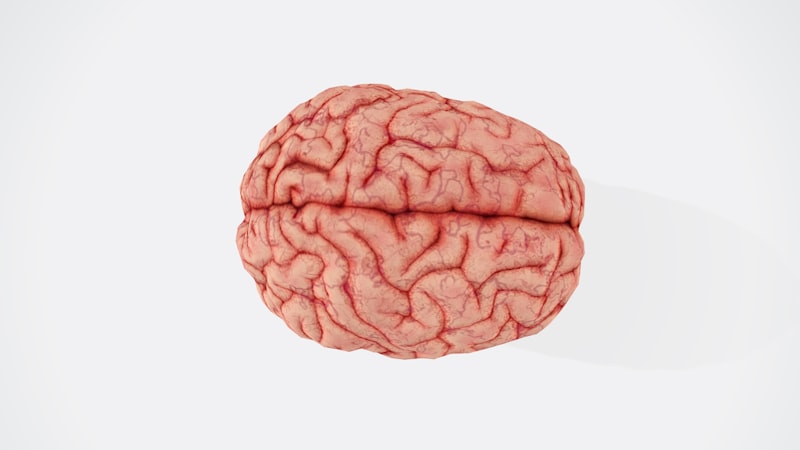
Although Moshé Feldenkrais developed his methodology decades before the concept of neuroplasticity gained widespread scientific acceptance, the core mechanisms of the method are fundamentally rooted in the brain’s capacity to reorganize itself. The Feldenkrais Method operates by intentionally disrupting the established, rigid neural maps that dictate habitual movement. When we move repetitively or react to chronic pain, the sensorimotor cortex reinforces certain pathways, often leading to restricted movement and compensatory patterns. The method’s use of slow, small, and novel variations in movement effectively bypasses these deep-seated automatic motor habits. By moving outside the comfortable, automatic range, the nervous system is forced to pay close attention to the incoming sensory data, which stimulates the formation of new dendritic connections and refined neural pathways, literally rewriting the body’s motor command program.
A critical element in this neurobiological reorganization is the principle of minimal effort. When movements are performed slowly and without strain, the brain’s limbic system, which governs the stress response, remains calm. This calm state is essential because high effort or pain immediately triggers defensive motor patterns, blocking the possibility of new learning. By reducing the physical effort, the brain is able to attend to subtle sensory differences, which enhances the resolution of the internal body map stored in the parietal lobe. This improved internal mapping, or body schema, allows for more precise motor control and better coordination. The method leverages the brain’s natural propensity for novelty and curiosity; by presenting the nervous system with a problem that requires a creative, non-habitual solution, it optimizes the conditions under which neuroplastic change can occur, leading to the efficient and durable integration of new movement patterns.
Furthermore, the profound impact of the Feldenkrais Method on psychological well-being can be understood through the lens of the connection between the motor system and emotional regulation. The ability to move efficiently and without pain increases an individual’s sense of physical competence and control, which directly reduces anxiety and fear related to movement (kinesiophobia). Chronic pain often involves a cycle where the nervous system remains hyper-vigilant. By consciously reorganizing movement and demonstrating to the nervous system that movement can be safe and effortless, the Feldenkrais Method helps downregulate the pain response. The increased proprioceptive input—the sense of where the body is in space—not only improves physical balance but also contributes to a stronger, more grounded sense of self, which is vital for robust psychological functioning and emotional stability.
Applications and Therapeutic Benefits
While the Feldenkrais Method is fundamentally educational, its wide-ranging applications yield significant therapeutic benefits across physical, psychological, and performance domains. For individuals suffering from chronic pain, particularly back pain, neck stiffness, and joint issues, the method provides a powerful alternative to therapies that focus exclusively on local symptoms. By addressing the entire organization of the movement, the method resolves the underlying compensatory patterns that are often the true source of chronic strain. It teaches the person how to distribute movement loads throughout the skeletal structure, thus relieving stress on vulnerable areas. This systematic approach frequently leads to long-term pain reduction and improved mobility, often succeeding where localized interventions have failed due to their inability to address systemic movement inefficiencies.
The applications extend significantly into the realm of neurological rehabilitation. Individuals recovering from conditions such as stroke, cerebral palsy, multiple sclerosis (MS), or traumatic brain injury often experience profound functional improvements. The method’s emphasis on gentle, novel movement exploration is highly effective in stimulating underutilized neural pathways and restoring lost function by exploiting the principles of neuroplasticity. For example, by focusing on minute movements in non-affected areas, the practitioner can indirectly influence the organization and function of impaired limbs. The slow pace and focus on internal sensing are particularly beneficial for neurological populations, as they facilitate conscious control and integration of complex motor sequences that might otherwise be overwhelming or frustrating.
Psychologically, the method offers robust benefits by enhancing self-awareness and emotional regulation. The discipline of slowing down and attending to internal sensory states is a form of somatic mindfulness that directly impacts the psychological organization. Students report significant reductions in performance anxiety, greater clarity of thought, and improved capacity to manage stressful situations. The realization that they can consciously change deeply ingrained physical habits instills a profound sense of self-efficacy and empowerment. Moreover, the Feldenkrais Method is widely utilized by athletes, dancers, musicians, and actors who seek to refine their performance, prevent injury, and maximize their artistic expression. By enhancing movement efficiency and reducing unnecessary effort, performers gain greater range, precision, and endurance, translating directly into superior professional output and reduced career-limiting injuries.
The Role and Training of Certified Practitioners
The integrity and efficacy of the Feldenkrais Method rely heavily upon the rigorous training and certification standards required of its practitioners. The title of Certified Feldenkrais Practitioner is earned through a demanding professional training program, typically spanning three and a half to four years, encompassing approximately 800 to 1,000 hours of instruction. This intensive structure ensures that graduates possess not only a deep theoretical understanding of anatomy, neurology, and developmental movement, but also the practical skill required to facilitate profound learning experiences for their students in both the group (ATM) and individual (FI) modalities. The training emphasizes continuous self-use and self-reflection, ensuring practitioners thoroughly embody the principles they teach.
The practitioner’s role is fundamentally that of an educator and facilitator of learning, rather than a conventional therapist or healer. Their primary skill lies in their ability to observe a student’s movement organization—often detecting subtle inefficiencies or limitations invisible to the untrained eye—and formulating lessons that address the systemic organization of the student, not just the symptomatic area. During Functional Integration, the practitioner’s touch is highly refined, serving as a sophisticated means of non-verbal communication. They use their hands to inquire about the student’s organization and to gently suggest new possibilities for movement, providing sensory feedback that the student’s nervous system can immediately utilize. This requires an exceptional level of sensitivity, observation skills, and the capacity to engage in an empathetic, non-judgmental dialogue with the student’s somatic experience.
The training process focuses extensively on developmental movement sequences, allowing practitioners to understand the optimal learning trajectory of the human body from infancy onward. They are taught how to vary lessons infinitely to meet the unique needs and current organization of each student. Furthermore, ethical standards and professional conduct are central components of certification, ensuring that practitioners maintain a student-centered approach, respect boundaries, and commit to ongoing professional development. This adherence to high standards, overseen by international professional guilds, guarantees that the essential educational philosophy of Moshé Feldenkrais—empowering the individual through heightened awareness and functional improvement—is maintained globally.
Conclusion and Integration into Somatic Psychology
The Feldenkrais Method stands as a powerful testament to the inseparable nature of the mind and body, offering a sophisticated pathway toward enhanced human functioning through refined somatic awareness. It provides a highly practical application of embodiment theory, demonstrating that changes in physical organization directly precipitate psychological and emotional reorganization. By focusing on the process of movement and the reduction of effort, the method transcends the limitations of conventional physical training, positioning itself firmly within the discipline of somatic psychology as a means of personal evolution. The enduring relevance of the method is cemented by its foundational alignment with contemporary neuroscience, particularly in its successful utilization of neuroplastic principles to facilitate lasting change, demonstrating its capacity to optimize the human potential for learning and adaptation throughout the lifespan.
The ultimate achievement of the Feldenkrais Method is not merely the elimination of pain or the restoration of mobility, but the cultivation of a more robust, flexible, and comprehensive self-image. Students who engage with the method invariably report an increased capacity for self-regulation, reduced habitual anxiety, and a greater sense of ease and competence in navigating complex life challenges. This outcome is a direct result of the neurological re-patterning achieved through the intentional, self-directed exploration of movement. By teaching individuals how to sense, differentiate, and choose more efficient actions, the method provides a meta-skill—the capacity to learn how to learn—which is transferable to all cognitive and emotional domains.
In summary, the Feldenkrais Method is a rigorous, educational strategy that utilizes the dynamic interaction between bodily movements and psychological awareness to promote optimal human functioning. Delivered by highly trained practitioners through the modalities of Awareness Through Movement and Functional Integration, it offers a path toward greater physical ease, enhanced neurological flexibility, and profound psychological clarity. It remains a crucial and growing component of holistic health and somatic practices worldwide, continually proving that by improving the quality of movement, we fundamentally improve the quality of life itself.