Cultural Trauma: Healing Beyond the Cycle
Scientifically Reviewed · Dr. Marwa Abd-Alazim · September 22, 2026
Review Criteria & Clinical Standards
This content undergoes rigorous scientific peer-review and medical editorial standards at Arab Psychology Network to ensure clinical accuracy, validity, and compliance with evidence-based guidelines from leading psychological and healthcare authorities (APA / WHO).
Historical and Conceptual Framework of Female Genital Mutilation
Female Genital Mutilation (FGM) represents a profound and deeply entrenched traditional practice that continues to impact the lives of millions of women and girls across the globe. As defined by the World Health Organization (WHO), the procedure encompasses all actions involving the partial or total removal of the external female genitalia, or any other injury inflicted upon the female genital organs for non-medical reasons. This definition underscores the fact that FGM is not a clinical necessity but rather a socio-cultural intervention that carries significant health risks and human rights implications. By framing FGM as a form of “mutilation” rather than “circumcision,” international health bodies emphasize the irreversible damage and the lack of therapeutic benefit associated with these procedures.
The conceptualization of Female Genital Mutilation has evolved significantly over the last few decades, moving from a private cultural matter to a global public health priority. Historically, the practice has been documented in various societies as a rite of passage, a method of controlling female sexuality, or a requirement for social acceptance and marriageability. However, the modern psychological and medical consensus views FGM as a violation of the fundamental rights of girls and women, including their rights to health, security, and physical integrity. The WHO (2018) fact sheets highlight that because the procedure is most frequently performed on minors, it also constitutes a severe violation of the rights of the child, as these individuals cannot provide informed consent for such life-altering interventions.
Understanding the framework of FGM requires an acknowledgment of its systemic nature, where individual choices are often dictated by communal expectations and long-standing traditions. In many contexts, the practice is seen as a necessary precursor to adulthood, intended to ensure a woman’s “purity” and “fidelity” within a patriarchal social structure. This complex interplay between individual identity and collective cultural norms makes the eradication of FGM a challenging endeavor that requires more than just medical education; it necessitates a fundamental shift in how communities perceive gender, autonomy, and the physical sanctity of the female body. The holistic approach advocated by global leaders aims to address these underlying socio-cultural drivers while providing immediate support for those already affected.
Detailed Classification of the Four Clinical Types
To facilitate clinical understanding and standardized reporting, the World Health Organization (WHO) has classified Female Genital Mutilation into four distinct types, ranging in severity and anatomical impact. Type I, often referred to as clitoridectomy, involves the partial or total removal of the clitoris and, in some rare cases, only the prepuce (the fold of skin surrounding the clitoris). This form of mutilation targets the primary organ of female sexual pleasure, leading to immediate physical trauma and long-term sensory deficits. While some may perceive it as less invasive than other forms, the physiological and psychological impact remains severe and irreversible.
Type II, commonly known as excision, is a more extensive procedure that involves the partial or total removal of the clitoris and the labia minora, with or without the excision of the labia majora. This type of FGM results in a significant loss of genital tissue and is associated with higher rates of hemorrhage and infection compared to Type I. The removal of these sensitive tissues not only causes excruciating pain during the procedure but also leads to the formation of extensive scar tissue, which can complicate reproductive health and lead to chronic discomfort during daily activities and sexual intercourse.
Type III, the most severe form, is known as infibulation. This procedure involves the narrowing of the vaginal opening through the creation of a covering seal. This is achieved by cutting and repositioning the labia minora or labia majora, sometimes through stitching, with or without removal of the clitoris. The remaining skin is held together with thorns or sutures, leaving only a small opening for the passage of urine and menstrual blood. Infibulation poses the highest risk of obstetric complications, as the seal must be cut open (de-infibulation) to allow for childbirth, often leading to repeated trauma and increased maternal and neonatal mortality rates.
Type IV serves as a broad category that encompasses all other harmful procedures performed on the female genitalia for non-medical purposes. This includes, but is not limited to, pricking, piercing, incising, scraping, and cauterizing the genital area. While these acts may not involve the removal of large amounts of tissue, they still constitute significant trauma and carry risks of infection and psychological distress. By including these varied practices under a single classification system, the WHO ensures that all forms of non-medical genital interference are recognized as harmful and are subject to international monitoring and intervention efforts.
Global Epidemiology and Geographic Prevalence
The epidemiological landscape of Female Genital Mutilation is characterized by its vast scale and the clandestine nature of its practice in many regions. Current estimates from the WHO (2018) suggest that more than 200 million girls and women alive today have undergone some form of FGM. This staggering figure highlights the global reach of the practice, which is most prevalent in a belt of countries stretching across the northern and central regions of Africa, as well as several countries in the Middle East and parts of Asia, such as Indonesia and Malaysia. Furthermore, some communities in South America also continue to adhere to these traditions, indicating that FGM is a truly international concern that transcends specific continental boundaries.
In terms of annual risk, it is estimated that at least 3 million girls are at risk of undergoing FGM every year. Most of these girls are subjected to the procedure between infancy and the age of 15, though in some cultures, it may occur just before marriage or even during a woman’s first pregnancy. The prevalence varies widely between and within countries; for instance, in some nations, the practice is nearly universal, affecting over 90% of the female population, while in others, it is localized to specific ethnic or regional groups. This geographic variation often reflects the strength of local traditions and the degree to which national laws against FGM are enforced or ignored.
Migration has also transformed the epidemiology of FGM, making it a relevant issue in Western Europe, North America, Australia, and New Zealand. As families move from countries where FGM is traditional, they may bring these practices with them, sometimes traveling back to their home countries (“vacation cutting”) to have the procedure performed on their daughters. This global movement of people necessitates that healthcare providers and law enforcement agencies in non-traditional countries become educated on the signs of FGM and the legal frameworks designed to prevent it. The WHO emphasizes that tracking these trends is difficult due to the social stigma and legal penalties now associated with the practice in many jurisdictions.
Sociocultural Drivers and Economic Risk Factors
The persistence of Female Genital Mutilation is driven by a complex web of sociocultural factors that make the practice appear necessary or even beneficial to those within the community. In many societies, FGM is viewed as a fundamental component of a girl’s upbringing, serving as a prerequisite for marriageability and social inclusion. A girl who has not undergone the procedure may be considered “unclean” or “promiscuous,” leading to social ostracization for both the girl and her family. Consequently, parents often feel compelled to subject their daughters to FGM out of a sense of duty and a desire to secure their future economic and social stability through marriage.
Socio-economic status and geographic location play a significant role in the prevalence of the practice. Research indicates that women living in rural areas and those with lower levels of formal education are more likely to undergo or support FGM. In these settings, traditional beliefs are often more resilient to outside influence, and access to information regarding the health risks of the procedure is limited. Conversely, as education levels rise and communities become more urbanized, the prevalence of FGM often decreases, suggesting that economic development and access to diverse perspectives are critical factors in the abandonment of the practice.
Furthermore, the economic structure of certain communities can inadvertently sustain FGM through the role of the traditional practitioner. Often referred to as “cutters,” these individuals—usually older women—hold a position of high social status and derive their primary income from performing these procedures. Replacing this economic incentive with alternative livelihoods is a key component of many prevention strategies. Additionally, the belief that FGM preserves virginity and controls female libido is an economic consideration in patriarchal societies where a woman’s “value” is tied to her perceived purity. Addressing these deep-seated economic and social anxieties is essential for long-term behavioral change.
The Intersection of Religion and Traditional Practice
One of the most persistent misconceptions surrounding Female Genital Mutilation is that it is a religious requirement mandated by specific faiths. However, the WHO (2018) and various religious scholars have clarified that FGM is practiced across a wide range of religious groups, including Islam, Christianity, and Judaism, as well as among followers of various indigenous animist beliefs. No major religious text explicitly commands the practice of FGM. Instead, the practice is often a local cultural tradition that has been “religionized” over time, with practitioners using religious rhetoric to justify the continuation of a custom that predates the arrival of modern monotheistic faiths in many regions.
In many Islamic communities, there is a debate regarding the status of “Sunna” circumcision, which some local leaders claim is a milder form of the practice supported by religious tradition. However, the majority of high-ranking Islamic scholars and international bodies, such as the Al-Azhar University in Cairo, have issued fatwas (religious rulings) declaring FGM to be contrary to the principles of Islam, which emphasize the protection of the body from harm. Similarly, Christian leaders in various African nations have been vocal in their opposition to the practice, labeling it as a harmful tradition that contradicts the sanctity of life. Despite these high-level pronouncements, local religious leaders may still support the practice, highlighting a gap between official doctrine and local interpretation.
The role of religious and community leaders is therefore pivotal in the movement to end FGM. Because these figures hold immense moral authority, their public denouncement of the practice can provide the necessary social cover for families who wish to protect their daughters but fear communal backlash. Effective prevention programs often involve engaging these leaders in dialogue, providing them with medical evidence of the harm caused by FGM, and encouraging them to integrate messages of health and bodily integrity into their spiritual teachings. By decoupling FGM from religious identity, advocates can begin to dismantle one of the strongest justifications for its continued existence.
Acute Medical Complications and Immediate Health Risks
The immediate health consequences of Female Genital Mutilation are frequently severe and can be life-threatening, particularly because the procedure is often performed in non-sterile environments without the use of anesthesia. Hemorrhage is one of the most common acute complications, as the genital area is highly vascularized. Excessive bleeding can quickly lead to hemorrhagic shock and death if not treated immediately with professional medical intervention, which is often unavailable in the rural settings where these procedures occur. The intense pain of the procedure itself can also induce neurogenic shock, further endangering the life of the girl.
Infections represent another major category of short-term complications. Due to the use of unsterilized instruments—such as razor blades, knives, or glass shards—and the application of traditional substances like ash or herbs to the wound, girls are at high risk for sepsis, tetanus, and gangrene. In areas with high prevalence of blood-borne diseases, the reuse of instruments on multiple girls during a single ceremony also increases the risk of transmitting HIV and Hepatitis B. These infections can cause localized abscesses or systemic illness, often requiring long-term hospitalization and leaving the victim with permanent physical damage.
Furthermore, the physical trauma of the procedure can lead to immediate injury to surrounding tissues, including the urethra, bladder, and rectum. Damage to these organs can cause urinary retention and severe pain during urination. In cases of Type III FGM, the binding of the legs to ensure the seal heals correctly can lead to additional complications, such as muscle atrophy or the development of blood clots. The lack of proper medical oversight during these procedures means that many of these acute issues go untreated, leading to a high rate of morbidity among young girls who are subjected to the practice against their will.
Chronic Physiological Impact and Reproductive Health
Beyond the immediate trauma, Female Genital Mutilation leaves a legacy of chronic health problems that affect a woman throughout her entire life. One of the most significant long-term complications is the development of chronic pain, often resulting from the formation of neuromas or the entrapment of nerve endings in scar tissue. Women may also suffer from recurrent urinary tract infections (UTIs) and vaginal infections, as the altered anatomy can impede the natural flow of urine and menstrual blood. In cases of infibulation, the accumulation of menstrual blood behind the seal can lead to hematocolpos, a painful condition that may require surgical intervention.
The impact on reproductive health and fertility is particularly devastating. FGM is associated with higher rates of infertility, often caused by pelvic inflammatory disease (PID) resulting from initial infections that spread to the uterus and fallopian tubes. For women who do conceive, the risks during childbirth are significantly magnified. The presence of tough, inelastic scar tissue can lead to obstructed labor, which is a leading cause of maternal and neonatal death. In such cases, the scar tissue may tear, leading to extensive perineal trauma, or the woman may require an emergency cesarean section, which is often unavailable in low-resource settings.
Additionally, FGM can lead to the development of obstetric fistulas, which are abnormal openings between the birth canal and the bladder or rectum. These fistulas result from prolonged, obstructed labor where the pressure of the baby’s head cuts off blood flow to the surrounding tissues. The resulting constant leakage of urine or feces leads to severe social stigma, as affected women are often abandoned by their husbands and families. The WHO (2018) notes that these long-term physical complications not only degrade the quality of life but also place a significant burden on the healthcare systems of countries where FGM is prevalent.
Psychological Trauma and Mental Health Consequences
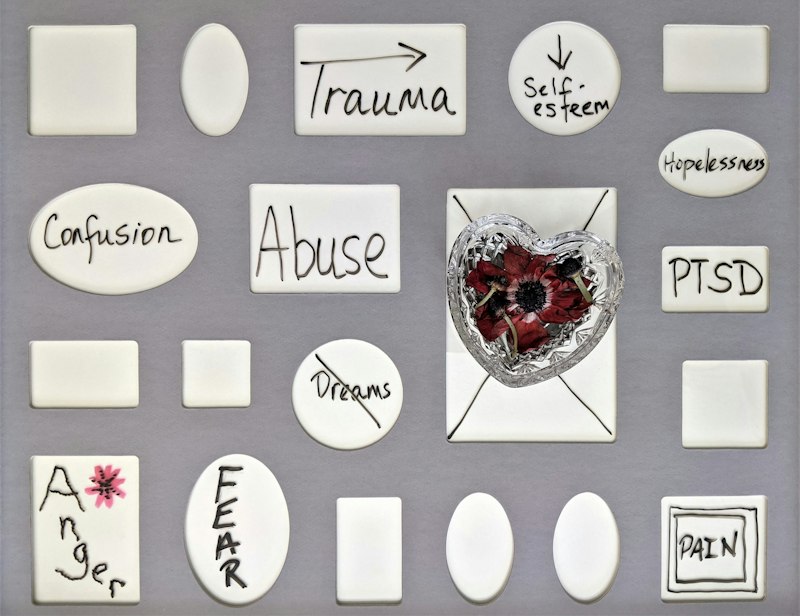
The psychological impact of Female Genital Mutilation is often as profound as the physical damage, yet it is frequently overlooked in traditional medical assessments. Many women who have undergone the procedure suffer from Post-Traumatic Stress Disorder (PTSD), characterized by flashbacks, nightmares, and extreme anxiety related to the memory of the event. The betrayal of trust—often because the procedure is organized by the girl’s own mother or close relatives—can lead to deep-seated feelings of insecurity and abandonment. This trauma is frequently suppressed due to the social requirement to remain silent and “proud” of the tradition.
Depression and anxiety are common among FGM survivors, often exacerbated by the chronic pain and physical complications they endure. The loss of sexual sensation and the pain associated with intercourse can lead to sexual dysfunction, which in turn affects a woman’s self-esteem and her relationship with her partner. In many cases, women feel a sense of “incompleteness” or “brokenness,” particularly when they become aware that the practice is not universal and is considered a form of abuse in other parts of the world. This realization can lead to a crisis of identity and cultural belonging.
Furthermore, the psychological toll extends to low self-esteem and a lack of bodily autonomy. Because the procedure is often performed at a young age, it can disrupt the healthy development of a girl’s self-image and her understanding of her own body. The societal pressure to conform to the practice means that many women do not feel they have the right to complain about their pain or seek help. Mental health interventions for FGM survivors must therefore be culturally sensitive and holistic, addressing the complex intersection of individual trauma and collective social pressure while providing a safe space for women to process their experiences.
Holistic Approaches to Prevention and Eradication
The World Health Organization advocates for a holistic approach to the prevention and treatment of FGM, recognizing that the practice cannot be eliminated through legislation alone. This strategy involves the active participation of multiple stakeholders, including healthcare workers, law enforcement, religious leaders, community elders, and government officials. One of the most effective methods is community mobilization, where entire villages collectively decide to abandon the practice. By ensuring that everyone in the community agrees to stop cutting their daughters simultaneously, the social pressure and fear of marriageability issues are mitigated.
Health education is another cornerstone of prevention. By providing clear, evidence-based information about the physical and psychological risks of FGM, advocates can challenge the myths that the practice is hygienic or beneficial. This education must target not only the parents but also the traditional practitioners themselves. Some programs have successfully implemented “Alternative Rites of Passage,” which celebrate a girl’s transition to womanhood through education, gifts, and community celebration without the physical act of cutting. This allows for the preservation of cultural heritage while ensuring the physical integrity of the girl.
Furthermore, the medicalization of FGM—where the procedure is performed by trained healthcare professionals in a clinical setting—is strongly opposed by the WHO and other international bodies. While some argue that medicalization reduces the risk of infection and pain, it still constitutes a violation of human rights and reinforces the idea that the procedure is acceptable. Instead, the focus remains on legal and policy interventions that criminalize the practice and provide a framework for the protection of girls at risk. Effective prevention requires a sustained commitment from all levels of society to redefine what it means to honor tradition and protect the next generation.
Conclusion and Future Directions for Eradication
In conclusion, Female Genital Mutilation is a multifaceted issue that represents a significant challenge to global health and human rights. It is a harmful traditional practice that is associated with a wide array of short-term and long-term complications, ranging from acute hemorrhage and infection to chronic pain, infertility, and severe psychological trauma. The categorization of FGM into four types by the WHO provides a necessary framework for understanding the extent of the damage and for tailoring medical and psychological interventions to the needs of survivors. Despite the prevalence of the practice, it is important to remember that FGM is not an unchangeable reality but a social norm that can be shifted through dedicated effort.
The path toward eradication lies in the continued implementation of holistic, community-led strategies that address the root causes of the practice. This includes empowering women through education, engaging men and boys in the conversation about gender equality, and providing economic alternatives for traditional practitioners. The international community must continue to support legal frameworks that prohibit FGM while ensuring that these laws are backed by genuine social change. As more communities publicly declare their abandonment of the practice, the social pressure to conform will diminish, paving the way for a future where every girl is born into a world that respects her physical autonomy and dignity.
Ultimately, the goal is to reach a “tipping point” where the abandonment of FGM becomes the new social norm. This requires ongoing monitoring, research, and the provision of comprehensive care for the 200 million survivors who continue to live with the consequences of the practice. By fostering a global environment that prioritizes the health and rights of women and girls, the international community can work toward the total elimination of Female Genital Mutilation by 2030, in line with the Sustainable Development Goals. The progress made so far demonstrates that change is possible when compassion, education, and legal protection are combined into a unified front against this harmful tradition.
References
- World Health Organization. (2018). Female genital mutilation. Retrieved from http://www.who.int/mediacentre/factsheets/fs241/en/