Gender Expression: Unpacking the Psychology of Identity
Scientifically Reviewed · Dr. Marwa Abd-Alazim · September 2, 2026
Review Criteria & Clinical Standards
This content undergoes rigorous scientific peer-review and medical editorial standards at Arab Psychology Network to ensure clinical accuracy, validity, and compliance with evidence-based guidelines from leading psychological and healthcare authorities (APA / WHO).
Definition and Scope of Feminization
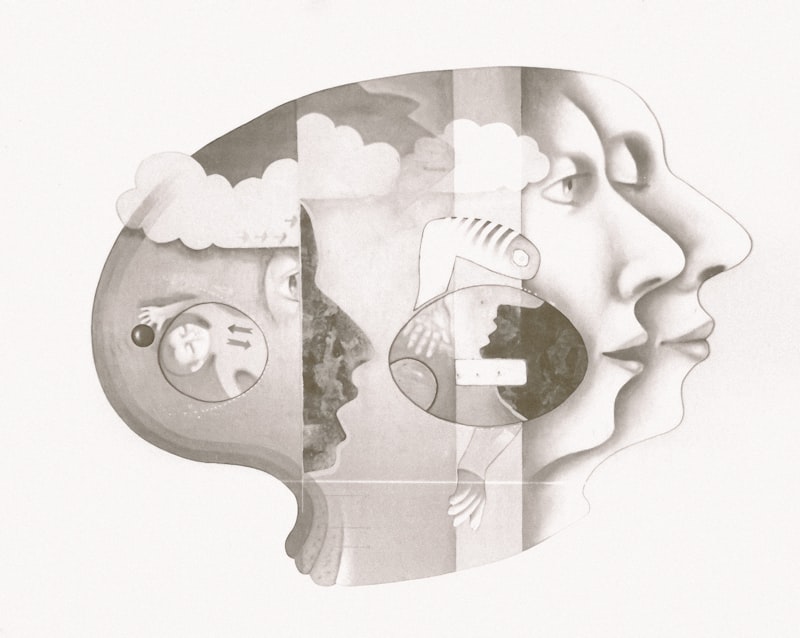
The term Feminization refers to the complex and multifaceted process by which an individual acquires, adopts, or expresses attributes, behaviors, physical characteristics, and social roles traditionally associated with femininity. Crucially, as defined within psychological and sociological contexts, this process occurs regardless of the person’s assigned biological sex at birth. It is an intentional or emergent shift toward a gender expression rooted in societal definitions of the feminine ideal, encompassing psychological orientation, aesthetic presentation, and social interaction patterns. This acquisition is distinct from simply being female; rather, it is the performance and manifestation of traits categorized by culture as feminine, highlighting the separation between biological sex and socially constructed gender identity and expression. Understanding feminization necessitates recognizing that femininity itself is not an intrinsic, universal quality but a fluid, culturally conditioned set of expectations and attributes that vary widely across different societies and historical periods.
The scope of feminization extends far beyond mere surface-level changes; it involves deep psychological integration and a profound reorganization of one’s self-concept in relation to gender norms. For individuals undergoing this process, particularly in therapeutic or affirmative contexts, feminization serves as a vital pathway toward congruence between their internal gender identity and their external presentation. The process can manifest along several axes: the aesthetic (clothing, makeup, grooming), the behavioral (mannerisms, vocal inflection, emotional display), and the biological (often facilitated through hormonal interventions designed to induce secondary sex characteristics). The intentionality behind feminization is paramount, distinguishing it from passive exposure to gender socialization. It represents an active engagement with, and often a reclamation of, feminine identity that was previously suppressed or denied due to societal constraints or biological incongruence.
While the core definition emphasizes the independence from natal sex, the concept of feminization is fundamentally tied to how gender is perceived and codified within a given culture. In Western societies, attributes such as nurturing, emotional expressiveness, passivity, and a focus on relational connection are often associated with femininity, and the process of feminization involves the adoption or enhancement of these traits. However, experts stress that these associations are arbitrary; the true significance lies in the individual’s subjective experience and their successful navigation of the social landscape as a feminine person. Thus, the successful acquisition of femininity is measured not only by physical changes but equally by the social recognition and validation of the individual’s feminine identity, a process often fraught with challenges stemming from entrenched gender biases and expectations.
Sociocultural Dimensions of Femininity Acquisition
The acquisition of femininity is heavily mediated by sociocultural factors, which provide the blueprint for what constitutes appropriate feminine behavior and appearance. Society acts as the primary instructor, transmitting gender scripts through institutions such as family, education, media, and peer groups. These scripts dictate not only overt behaviors—such as the manner of dress or speech patterns—but also subtle, internalized norms concerning emotional labor, relational dynamics, and self-worth. For an individual undergoing feminization, understanding and internalizing these complex, often contradictory, social expectations is critical to achieving successful social integration as a feminine person. The process involves a continuous negotiation between the internal sense of self and the external demands of the social environment, often requiring the individual to master an entirely new set of social cues and performative requirements associated with their chosen gender expression.
Media representation plays an outsized role in shaping contemporary ideals of femininity, often presenting highly stylized, idealized, and sometimes unattainable standards. These representations influence the goals individuals set for their own feminization process, whether consciously or unconsciously. The pervasive nature of these images means that the acquisition of femininity frequently involves engaging in specific consumption patterns, such as the purchase of particular fashion items, beauty products, or participation in gendered leisure activities. This commercialization links feminization to economic structures, making the expression of certain types of femininity accessible primarily to those with the requisite resources. Furthermore, these media ideals are rarely monolithic; they intersect with variables like race, class, age, and ability, generating diverse, often conflicting, demands for what constitutes ‘acceptable’ femininity within various social subgroups, demanding nuanced adaptation from the individual.
The sociocultural dimension also involves the crucial element of social validation and recognition. Feminization is not complete until the individual is consistently perceived and treated by others in accordance with their feminine presentation. This social validation, often termed ‘passing’ in some communities, is essential for mitigating gender dysphoria and establishing a secure sense of self. Conversely, lack of recognition or misgendering can severely undermine the process and lead to significant psychological distress. Therefore, the acquisition of femininity is inherently a relational process; it requires the successful communication of one’s intended gender identity to the social world and the subsequent acceptance of that identity by others. This dynamic underscores the powerful role that collective agreement and societal acceptance play in the personal journey of feminization, making it as much a sociological phenomenon as a personal one.
Psychological Theories of Gender Identity and Expression
Psychological theory offers several frameworks for understanding the mechanisms underlying the internal drive toward and the successful integration of a feminine identity. Social Learning Theory, for instance, posits that gender acquisition, including feminization, is largely a result of observation, imitation, and reinforcement. Individuals observe feminine role models—in real life or through media—and replicate those behaviors that result in positive social reinforcement, such as approval, acceptance, or validation. The intensity of the drive toward feminization can often be linked to the degree of internal discomfort (dysphoria) resulting from a mismatch between innate gender identity and assigned sex. For those whose internal identity is feminine, the external acquisition of feminine expression becomes a powerful, self-reinforcing coping mechanism aimed at achieving internal psychological equilibrium and reducing dissonance.
Another key perspective is provided by Cognitive Development Theory, which suggests that individuals actively structure their understanding of gender and then seek to align their behavior with their internalized concepts. The process of feminization, from this viewpoint, involves the individual developing a stable, internal concept of themselves as feminine and then deliberately employing cognitive strategies to enact behaviors consistent with that schema. This active cognitive restructuring allows the individual to filter incoming information and selectively attend to cues that affirm their feminine identity, reinforcing their commitment to the feminization process. This theory highlights the internal agency of the individual in shaping their gender expression, moving beyond mere reactive learning to emphasize self-direction and intentional identity construction, which is especially relevant in the context of adult-initiated feminization.
The interplay between nature and nurture is crucial in the psychological understanding of feminization. While the fundamental basis of gender identity is often considered intrinsic, the expression of that identity—the process of feminization—is highly learned and culturally modulated. Psychoanalytic and depth psychology approaches may focus on the significance of early childhood experiences and identification processes, arguing that the desire to acquire femininity may stem from deep-seated unconscious drives related to parental figures or archetypes. Regardless of the specific theoretical lens, most psychological models agree that the successful integration of a feminine identity requires a high degree of psychological resilience and self-awareness, allowing the individual to navigate the inevitable internal conflicts and external resistance encountered during the transformative process of feminization.
Feminization in Biological and Medical Contexts
In medical and therapeutic settings, feminization specifically refers to the biological modification of the body to induce the development of secondary sex characteristics typically associated with females. This process is most commonly facilitated through Hormone Replacement Therapy (HRT), primarily involving the administration of estrogens and anti-androgens. The biological goals of medical feminization include the redistribution of subcutaneous fat (leading to softer body contours, particularly around the hips and thighs), the reduction of muscle mass, the softening of skin texture, and often the inhibition of androgenic effects such as facial and body hair growth. These physical changes are fundamental for many individuals, particularly transgender women, as they provide tangible alignment between the internal sense of self and the external physical form, significantly alleviating gender dysphoria.
The effects of HRT are profound but vary widely depending on factors such as age, genetic predisposition, and the duration and dosage of treatment. It is critical to note that while HRT can induce substantial physical feminization, some irreversible characteristics, such as bone structure and vocal pitch established during natal puberty, may require surgical or therapeutic intervention (e.g., voice feminization therapy or facial feminization surgery). Medical oversight is paramount in this context; HRT is a specialized medical intervention that requires regular monitoring of hormone levels, liver function, and cardiovascular health to ensure safety and optimize outcomes. The medical journey of feminization underscores the complex relationship between biology and identity, where scientific intervention is utilized to align the physiological reality with the psychological truth of the individual’s gender identity.
Beyond hormonal intervention, the biological context of feminization extends to various surgical procedures designed to enhance feminine appearance. These may include breast augmentation, gluteal augmentation, and the aforementioned facial feminization surgery (FFS), which modifies masculine bone structure characteristics (e.g., brow ridge, jawline) into more typically feminine contours. These medical processes are often integral components of gender affirmation and represent a significant commitment to the process of feminization. While physical changes are often the most visible aspect of this journey, they are understood not as an end in themselves, but as tools that facilitate the individual’s ability to live authentically and be perceived correctly within their chosen social role, thereby supporting the psychological and social aspects of feminization.
The Role of Socialization and Performance
The successful acquisition of femininity relies heavily on active socialization and performance, wherein the individual consciously adopts and masters the behavioral scripts associated with the feminine gender role. This is often viewed through the lens of performance theory, suggesting that gender is not an inherent trait but a repeated, stylized set of actions and gestures. For an individual undergoing feminization, this involves an intensive study and practice of feminine presentation. This includes mastering subtle, non-verbal communication cues such as posture, gait, hand gestures, and affective displays. For example, the adoption of a traditionally feminine vocal cadence and pitch, often achieved through specialized training, is a vital component of presenting authentically and securing social recognition. This active performance ensures that the individual’s internal identity is externally legible to the community.
Furthermore, the process of socialization involves internalizing the complex and often unspoken rules regarding feminine interaction. This includes the management of emotional labor, which traditionally falls disproportionately on feminine individuals in social settings, requiring skills in empathy, mediation, and emotional regulation for the benefit of others. The individual must learn how to navigate gendered power dynamics, adopting interaction styles that align with societal expectations of feminine deference, assertiveness, or relational focus. This intensive learning curve highlights that feminization is not merely cosmetic; it is a deep immersion into a new social reality with its own stringent rules and expectations. The success of this immersion is often gauged by the fluency with which the individual can execute these social scripts without conscious effort, demonstrating a seamless integration of the feminine role.
The choice of aesthetic presentation is another critical element of performance. Grooming rituals, makeup application, and clothing selection are powerful tools used to signal gender identity. These external markers are immediate forms of communication that inform observers how to categorize and interact with the individual. The deliberate cultivation of a personal aesthetic that aligns with feminine ideals is an act of self-definition and affirmation. This performance, however, is not static; it is constantly refined in response to feedback from the social environment. If certain presentations lead to misgendering or negative reactions, the individual adapts their performance, demonstrating the dynamic and iterative nature of feminization as a continuous interaction between self-expression and social acceptance.
Feminization in Transgender and Non-Binary Experiences
For many individuals within the transgender spectrum, particularly transgender women and transfeminine individuals, feminization is a central and non-negotiable component of their journey toward gender affirmation. The process represents the physical, psychological, and social alignment necessary to resolve the profound distress caused by gender dysphoria. For these individuals, feminization is not merely an aesthetic choice but a necessary act of self-actualization and survival, allowing their external reality to reflect their innate, authentic gender identity. The intentionality and dedication required for this process—often involving years of medical intervention, emotional labor, and navigating societal prejudice—underscore its crucial psychological significance in achieving wholeness and well-being.
The experience of feminization within the transgender community highlights the distinction between gender identity and gender expression. While gender identity (being a woman) is innate, feminization is the process of expressing that identity outwardly. The resources utilized for this process are diverse, ranging from self-guided learning and peer support to formalized medical and therapeutic interventions. The goals are highly individualized: for some, the objective is complete physical and social integration as a cis-passing woman, while for others, the goal is to achieve a unique, non-conforming expression of femininity that rejects rigid gender binaries. This diversity emphasizes that there is no singular, prescribed path to feminization; it is a deeply personal journey guided by the individual’s specific needs for affirmation and expression.
Furthermore, feminization is relevant to non-binary individuals who identify partially or fluidly with femininity, regardless of their natal sex. For non-binary individuals, feminization may be pursued intermittently, partially, or alongside masculine or androgynous presentations. This challenges the traditional binary understanding of gender transition, demonstrating that the acquisition of feminine attributes can be used as a tool for expressing gender complexity rather than simply transitioning from one end of a binary to the other. In this context, feminization is utilized to achieve a state of gender euphoria—a feeling of intense affirmation and comfort that arises when gender expression aligns perfectly with internal identity, validating the inherent diversity within gender experiences.
Feminization and the Concept of Androgyny
The concept of feminization often intersects complexly with androgyny, which is the blending or simultaneous expression of masculine and feminine characteristics. While classical feminization aims for a clear presentation of femininity, some individuals utilize elements of feminization to achieve an androgynous aesthetic that intentionally blurs traditional gender lines. For those assigned male at birth, incorporating feminine elements (such as long hair, soft makeup, or fitted clothing) without fully discarding masculine traits results in an androgynous presentation that challenges binary categorization. This approach emphasizes gender fluidity and the rejection of the notion that one must exclusively adopt one gender role over another.
Psychologically, the pursuit of androgyny through partial feminization can signify a high degree of gender flexibility and psychological maturity, allowing the individual to integrate desirable traits from both traditional gender categories. This intentional blending can be an act of political defiance against restrictive gender norms, asserting the right to express a complex identity that transcends simple male/female labels. By engaging in feminization selectively, the individual curates an identity that is uniquely their own, rather than conforming strictly to externally imposed feminine stereotypes. This selective process underscores the agency of the individual in defining their relationship to gender expression.
In the context of feminization, androgyny can also represent a temporary or intermediate phase, particularly for individuals who are exploring their gender identity or who are early in their transition process. It allows for a gradual integration of feminine traits into public life, offering a degree of ambiguity that can provide psychological safety before fully adopting a feminine role. Whether intentional or transitional, the relationship between feminization and androgyny highlights the spectrum of gender expression, demonstrating that the acquisition of feminine attributes is a versatile process utilized across diverse gender identities, not just those strictly aligning with the female end of the spectrum.
Critical Perspectives and Contemporary Debates
Contemporary critical theory raises important debates regarding the process of feminization, particularly concerning the pressure to conform to idealized, often stereotypical, representations of femininity. Critics argue that while feminization can be an affirming process, it often compels individuals to adopt a hyper-feminine aesthetic that aligns with patriarchal standards of beauty and subservience. This pressure can be especially acute for transgender women, who may feel compelled to ‘over-perform’ femininity to achieve validation and safety in a cisnormative society. Debates focus on whether the goal of feminization should be liberation from gender norms or merely the successful navigation of existing ones, raising ethical questions about the societal burden placed upon those seeking affirmation.
Intersectionality provides a crucial lens for understanding how the process of feminization is differentially experienced based on race, class, and disability. The idealized femininity promoted in media is predominantly white, affluent, and able-bodied; thus, individuals of marginalized identities face compounded challenges. For women of color, for instance, the required performance of femininity may conflict with racialized stereotypes, forcing a complex navigation between cultural expectations and gender affirmation goals. Furthermore, socio-economic status dictates access to critical resources, such as high-quality medical care (HRT, surgery) and aesthetic tools, rendering comprehensive feminization inaccessible to many and reinforcing class disparities in gender expression.
Ultimately, the future discourse surrounding feminization emphasizes de-essentializing the concept of femininity itself. Scholars advocate for an understanding of feminization as the freedom to express gender outside of biological constraints, rather than the replication of outdated stereotypes. The focus shifts toward recognizing the heterogeneity of feminine expression and validating unique, self-defined forms of femininity that challenge traditional gender rigidity. By embracing a critical perspective, the psychological and social sciences can better support individuals in their process of acquiring femininity authentically, ensuring that the journey is one of self-discovery and affirmation, rather than conformity to restrictive societal molds.