Cognitive Dissonance: Why Your Mind Craves Consistency
Scientifically Reviewed · Dr. Marwa Abd-Alazim · October 1, 2026
Review Criteria & Clinical Standards
This content undergoes rigorous scientific peer-review and medical editorial standards at Arab Psychology Network to ensure clinical accuracy, validity, and compliance with evidence-based guidelines from leading psychological and healthcare authorities (APA / WHO).
Cognitive Dissonance: A Comprehensive Psychological Analysis
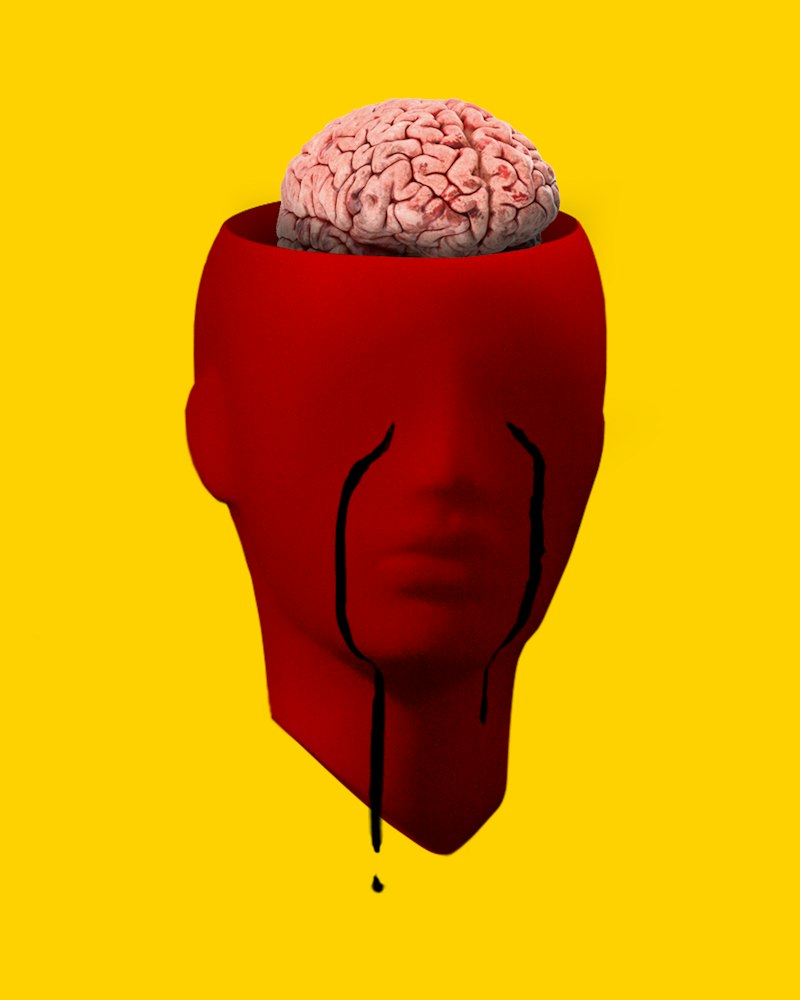
Cognitive dissonance is defined as a state of profound psychological discomfort or mental tension that occurs when an individual simultaneously holds two or more contradictory cognitions. These cognitions encompass a wide array of mental representations, including beliefs, attitudes, values, and perceptions of one’s own behavior. When these elements are inconsistent with one another, the resulting internal conflict generates a distressing emotional state that individuals are naturally and intrinsically motivated to alleviate. The intensity of this dissonance is not uniform; rather, it is directly proportional to the perceived importance of the conflicting cognitions and the magnitude of the discrepancy between them. As a cornerstone of social psychology, this concept explains the pervasive human drive to maintain internal consistency and the lengths to which individuals will go to preserve a coherent self-image.
The psychological mechanism of cognitive dissonance operates on the principle of homeostasis, where the mind seeks to maintain a stable and consistent internal environment. When a person experiences a clash between what they know to be true and how they act, or between two deeply held but mutually exclusive beliefs, the psychological system registers this as a state of imbalance. This is not merely a logical or intellectual puzzle to be solved; it is an aversive motivational state, much like hunger or thirst, that demands resolution. To escape this discomfort, the individual must engage in cognitive labor to reconcile the conflicting elements. This process often occurs below the level of conscious awareness, leading to shifts in attitude or the invention of justifications that restore a sense of harmony and mental equilibrium.
Furthermore, the experience of cognitive dissonance is deeply intertwined with an individual’s self-concept. Dissonance is most acutely felt when an inconsistency challenges a person’s view of themselves as moral, competent, or rational. For instance, if an individual prides themselves on being environmentally responsible but finds themselves driving a vehicle with high emissions, the resulting tension is not just about the car; it is about the threat to their identity. This subjective nature of dissonance means that the same objective contradiction may affect two people differently depending on their personal values. The mind’s primary objective in these scenarios is to minimize the conflict, often resulting in the reinterpretation of reality or the adoption of new beliefs that better align with their current actions.
The Motivational Mechanism: Inconsistency and Psychological Arousal
At the core of cognitive dissonance theory is the dynamic relationship between perceived inconsistency and psychological arousal. When a person encounters information that contradicts their established worldview or engages in behavior that violates their personal standards, they experience a genuine physiological and emotional arousal. This arousal is typically negative, manifesting as feelings of anxiety, guilt, shame, or general unease. It is this specific state of tension that provides the energy and motivation for dissonance reduction. The more central the cognitions are to the individual’s identity, the more intense the arousal will be, and the more urgent the need to find a resolution becomes. This explains why people can be so defensive when their core beliefs are challenged; they are literally reacting to a state of internal distress.
The drive to reduce dissonance typically manifests in several standardized cognitive strategies. One primary method is changing a dissonant cognition, which often involves altering a belief or attitude to better fit a behavior. If a person values health but fails to exercise, they might convince themselves that exercise is overhyped or that their current lifestyle is “active enough.” Alternatively, individuals may seek to add new consonant cognitions to tip the scales in favor of one of the conflicting elements. In the context of a person who smokes despite knowing the risks, they might focus on the belief that smoking helps them manage stress, thereby introducing a “benefit” that justifies the risk. By adding these supportive thoughts, the person reduces the overall weight of the inconsistency.
Another sophisticated strategy involves reducing the importance of the conflicting cognitions altogether. By trivializing the inconsistency, the individual can maintain their behavior without experiencing significant distress. A student who cheats on an exam might tell themselves that “everyone does it” or that the specific class “doesn’t matter for my career,” effectively downplaying the moral weight of the act. Additionally, individuals often employ selective exposure, where they actively seek out information that confirms their existing views while avoiding any data that might trigger dissonance. This defensive filtering of information serves to protect the individual’s current cognitive structure from external threats, ensuring that their internal sense of consistency remains undisturbed.
Historical Foundations and Leon Festinger’s Theoretical Contributions
The formal conceptualization of cognitive dissonance was pioneered by the American social psychologist Leon Festinger in the mid-1950s. His seminal work, A Theory of Cognitive Dissonance (1957), revolutionized the field of psychology by moving beyond the prevailing behaviorist models of the time, which focused almost exclusively on external rewards and punishments. Festinger proposed that human behavior is driven by an internal need for cognitive consistency. While earlier theories like Fritz Heider’s Balance Theory and Osgood and Tannenbaum’s Congruity Theory had explored the idea of mental equilibrium, Festinger was the first to detail the specific psychological distress caused by inconsistency and the active processes used to resolve it.
The empirical origins of Festinger’s theory are famously linked to his observational study of a doomsday cult in Chicago. Festinger and his colleagues, Henry Riecken and Stanley Schachter, infiltrated a group that believed the world would be destroyed by a flood on a specific date, but that they would be rescued by extraterrestrials. When the prophecy inevitably failed, Festinger observed a paradoxical reaction: rather than abandoning their beliefs in the face of clear disconfirming evidence, the most committed members became even more fervent. They claimed that their devotion had saved the world and began actively proselytizing to others. This study, detailed in the book When Prophecy Fails (1956), provided a vivid real-world example of how individuals rationalize away massive inconsistencies to avoid the crushing weight of dissonance.
Festinger’s theoretical framework identified several key conditions under which dissonance is most likely to occur. He highlighted post-decisional dissonance, which occurs after making a difficult choice between two attractive options; effort justification, where people value a goal more if they had to suffer to achieve it; and induced compliance, which involves being persuaded to act in a way that contradicts one’s private beliefs. By providing a rigorous experimental and theoretical structure, Festinger shifted the focus of psychology toward the internal cognitive processes that mediate between stimulus and response. His work remains one of the most cited and influential contributions to social psychology, providing a foundation for decades of subsequent research into human motivation and self-justification.
Landmark Empirical Evidence: The Forced Compliance Paradigm
To provide scientific backing for his theory, Festinger conducted one of the most famous experiments in the history of psychology alongside James Carlsmith in 1959. In the “Cognitive Consequences of Forced Compliance” study, participants were asked to perform mind-numbing, repetitive tasks, such as turning wooden pegs for an hour. After the task, they were asked to lie to a prospective participant by telling them the task was exciting and enjoyable. The researchers manipulated the external justification for the lie by paying some participants $20 (a large \sum at the time) and others only$1. A control group was not asked to lie at all. Following the lie, all participants were asked to provide their true feelings about the task.
The results were counterintuitive to the behaviorist logic of the era but perfectly aligned with cognitive dissonance theory. The participants who were paid $20 felt little dissonance because they had a strong external reason to lie—the money justified their behavior. However, the participants paid only$1 experienced significant insufficient justification. They had lied for a trivial amount, creating a conflict between their behavior (“I said the task was fun”) and their belief (“The task was actually boring”). To resolve this dissonance, they changed their internal attitude to match their behavior, convincing themselves that the task was actually quite interesting. This demonstrated that when external rewards are insufficient to explain behavior, individuals will change their internal beliefs to restore consistency.
This experiment established the induced compliance paradigm, which suggests that the less pressure or reward used to elicit a counter-attitudinal behavior, the more likely the individual is to undergo a genuine attitude change. If a person is forced to do something, they can blame the force; if they are gently persuaded or choose to do it for a small reward, they must take internal responsibility for the action. To maintain a positive self-image, they must believe that they acted of their own volition because they truly believed in the action. This finding has profound implications for understanding how people develop their personal values and how subtle social pressures can lead to lasting changes in an individual’s worldview.
Effort Justification and the Psychology of Initiation
Another critical area of research within cognitive dissonance theory is effort justification, which explores why people tend to value things more when they have to work harder or suffer to obtain them. This phenomenon was famously investigated by Elliot Aronson and Judson Mills in 1959. In their study, female college students volunteered to join a discussion group on the psychology of sex. To gain entry, some participants were subjected to a “severe initiation” involving reading embarrassing and explicit material aloud, while others had a mild initiation or none at all. After the initiation, all participants listened to a recording of a group discussion that was intentionally designed to be incredibly dull and technical.
The study found that the participants who went through the severe initiation rated the boring discussion and the group members much more favorably than those in the other conditions. The psychological logic behind this is clear: if a person suffers or exerts great effort to join a group that turns out to be worthless, they experience significant dissonance (“I suffered for something that is boring”). To resolve this, they justify their effort by convincing themselves that the group is actually fascinating and valuable. This process of rationalization allows them to feel that their sacrifice was worthwhile, thereby protecting their ego from the realization that they made a mistake or were foolish to undergo the initiation.
Effort justification explains a wide variety of social behaviors, from the hazing rituals in fraternities and military units to the intense loyalty people feel toward organizations that require rigorous training. When an individual invests time, money, or physical pain into a pursuit, they become psychologically “locked in.” Admitting that the pursuit was not worth the cost would create unbearable dissonance. Instead, the mind enhances the perceived value of the outcome. This mechanism ensures that the individual remains committed to their path, even when the objective rewards are minimal, illustrating how the need for consistency can override objective evaluation and lead to a distorted perception of reality.
Cognitive Strategies for Dissonance Reduction
When faced with the discomfort of dissonance, individuals utilize several distinct cognitive maneuvers to restore their sense of internal balance. The most direct strategy is behavioral change; if a behavior conflicts with a belief, the person can simply stop the behavior. However, because behaviors are often difficult to change or have already occurred in the past, individuals more frequently resort to mental adjustments. Attitude change involves modifying one’s beliefs to align with a behavior that has already taken place. This is often seen in post-decisional dissonance, where, after making a choice, a person begins to emphasize the positive aspects of the chosen option and the negative aspects of the rejected one, a process known as the “spreading of alternatives.”
Another common strategy is the introduction of consonant cognitions. This involves seeking out new information that supports the dissonant behavior or belief, thereby diluting the impact of the contradiction. For example, a person who spends beyond their means might focus on the “status” or “long-term quality” of their purchases, adding these positive cognitions to counteract the negative belief that they are being financially irresponsible. By surrounding the conflict with supportive thoughts, the individual creates a “buffer” that makes the inconsistency feel less jarring. This is often accompanied by denial or the active rejection of information that would increase the sense of conflict, allowing the individual to remain in a state of comfortable ignorance.
Finally, individuals may employ the strategy of trivialization, which involves reducing the perceived importance of the dissonant elements. If a person fails to meet a commitment, they might tell themselves that the commitment wasn’t that important anyway, or that the consequences of their failure are negligible. This reduces the magnitude of dissonance by making the conflict appear minor and unworthy of significant psychological distress. Through these varied strategies—changing beliefs, adding supports, or devaluing the conflict—the human mind demonstrates remarkable flexibility in its ability to rationalize behavior and maintain a cohesive, albeit sometimes delusional, sense of self and the world.
Practical Applications in Consumer Behavior and Public Health
The principles of cognitive dissonance have immense practical utility in fields such as marketing and advertising. Marketers often leverage dissonance to influence purchasing decisions by creating a “gap” between a consumer’s current state and their ideal self. An advertisement might suggest that a consumer is falling behind their peers if they do not own a certain product, creating a mild state of dissonance that the purchase is designed to resolve. Furthermore, savvy companies focus on reducing post-purchase dissonance (often called “buyer’s remorse”) by providing follow-up support, warranties, and positive reinforcement. By reassuring the customer that they made the right choice, the company helps them rationalize the expenditure and builds long-term brand loyalty.
In the realm of public health and behavioral medicine, cognitive dissonance is a powerful tool for encouraging healthy lifestyle changes. Health campaigns often work by highlighting the inconsistency between a person’s desire for a long life and their current unhealthy habits, such as smoking, poor diet, or sedentary behavior. Techniques like motivational interviewing use “developing discrepancy” as a core strategy, where the counselor helps the client see the gap between their stated values and their actual behavior. This creates a healthy level of dissonance that the client is then motivated to resolve by adopting healthier behaviors. By making the individual confront their own inconsistencies in a supportive environment, health professionals can trigger the internal drive for change.
The “how-to” of applying dissonance in these contexts involves a structured process of cognitive confrontation. First, the conflict must be made salient to the individual, ensuring they cannot ignore the inconsistency. Second, the individual must feel a sense of personal responsibility for the behavior, as dissonance is strongest when the person believes they had a choice. Third, the path to resolution must be clearly defined; for instance, providing a specific plan to quit smoking or a clear reason to buy a product. When these elements are present, the psychological pressure of dissonance acts as a catalyst, moving the individual from a state of complacency to a state of active behavioral or attitudinal adjustment.
Comparative Theoretical Frameworks: Self-Perception and Balance Theories
While cognitive dissonance theory is a dominant force in social psychology, it is often compared and contrasted with Self-Perception Theory, proposed by Daryl Bem in 1972. Bem argued that people do not necessarily experience internal tension when their behavior contradicts their attitudes; instead, they simply observe their own behavior and infer what their attitudes must be, much like an outside observer would. According to Bem, the participants in the $1 experiment didn’t change their minds to reduce tension; they simply thought, “I did this for only a dollar, so I must have actually liked the task.” While both theories predict similar outcomes, research suggests that dissonance theory better explains situations where pre-existing attitudes are strong and the inconsistency causes clear physiological arousal, whereas self-perception theory is more applicable when attitudes are weak or new.
Another predecessor to dissonance theory is Balance Theory, developed by Fritz Heider. This theory focuses on the relationships between people and objects, suggesting that people prefer “balanced” states (e.g., I like my friend, and my friend likes the same movie I like). When these relationships are imbalanced (e.g., I like my friend, but my friend hates my favorite movie), it creates a state of tension. While Balance Theory laid the groundwork for understanding the human preference for consistency, cognitive dissonance theory expanded this into a much broader framework that includes internal beliefs and behaviors, providing a more detailed account of the motivational forces that drive psychological change.
Furthermore, cognitive dissonance is closely linked to Attribution Theory, which examines how people explain the causes of events and behaviors. When an individual can attribute their counter-attitudinal behavior to an external cause (like a large reward or a threat), they experience little dissonance. However, when they attribute the behavior to their own internal choices, the dissonance is maximized. This intersection shows how our interpretations of “why” we do things are essential to the experience of dissonance. Together, these theories provide a comprehensive view of the human mind as a system that constantly monitors and adjusts its internal state to maintain a facade of logic, morality, and consistency.
The Role of Self-Justification and Cognitive Biases
One of the most significant implications of cognitive dissonance theory is its explanation of the human tendency for self-justification. Because humans are motivated to see themselves in a positive light—as rational, ethical, and consistent—they will often go to extreme lengths to justify actions that are irrational, unethical, or inconsistent. This leads to the development of self-serving biases, where individuals take credit for successes but blame external factors for failures. When we make a mistake, the dissonance between “I am a smart person” and “I did something stupid” is resolved not by admitting the mistake, but by finding a reason why the mistake wasn’t actually our fault or why it wasn’t a mistake at all.
This process is heavily influenced by confirmation bias, the tendency to seek out and prioritize information that confirms our existing beliefs while ignoring contradictory evidence. Confirmation bias acts as a shield against dissonance, ensuring that our worldviews remain unchallenged. When we are forced to confront contradictory evidence, we often engage in rationalization, creating plausible but false explanations for our behavior. This is frequently seen in political and social discourse, where individuals will ignore clear facts that challenge their “side” to avoid the discomfort of admitting their chosen ideology might be flawed. The need for cognitive consistency thus becomes a major barrier to objective truth and critical thinking.
In extreme cases, the drive to reduce dissonance can lead to victim-blaming. If a person considers themselves a “good person” but witnesses or participates in the suffering of another, they may experience dissonance. To resolve this, they may convince themselves that the victim deserved their fate, thereby maintaining the belief that the world is just and that they are still a good person. This highlights the darker side of cognitive dissonance: the same mechanism that helps us maintain a stable identity can also lead to the perpetuation of injustice and the denial of reality. Understanding these biases is crucial for developing metacognition—the ability to think about our own thinking—and for fostering a more honest and objective approach to our own lives.
Significance within Modern Social Psychology and Global Contexts
Today, cognitive dissonance remains one of the most robust and widely applied theories in social psychology. It provides a foundational lens through which we can understand complex human phenomena such as prejudice, conformity, and political polarization. For example, the theory explains why it is so difficult to change people’s minds regarding deeply held political or religious beliefs; the dissonance caused by admitting one was wrong is simply too painful to bear. This leads to the “backfire effect,” where presenting someone with facts can actually make them hold their original (incorrect) belief even more strongly as a defense mechanism to reduce the resulting dissonance.
Beyond the individual level, cognitive dissonance theory has implications for organizational behavior and education. In schools, teachers can use “cognitive conflict” as a pedagogical tool, presenting students with information that challenges their current understanding to spark curiosity and deeper learning. In the workplace, understanding dissonance can help managers navigate resistance to change. If employees feel that a new company policy contradicts their professional values, they will experience dissonance and likely push back. By involving employees in the decision-making process, organizations can ensure that they feel a sense of ownership, which reduces dissonance and increases commitment to the new direction.
In a globalized world where we are constantly bombarded with conflicting information, the ability to recognize and manage cognitive dissonance is more important than ever. The theory reminds us that we are not the purely rational actors we often imagine ourselves to be. Instead, we are deeply motivated by the need to feel consistent and “right.” By acknowledging the power of dissonance, we can become more aware of our own rationalizations and more empathetic toward the inconsistencies we see in others. Ultimately, cognitive dissonance theory serves as a powerful reminder of the complexity of the human psyche and the enduring quest for internal harmony in an often contradictory world.